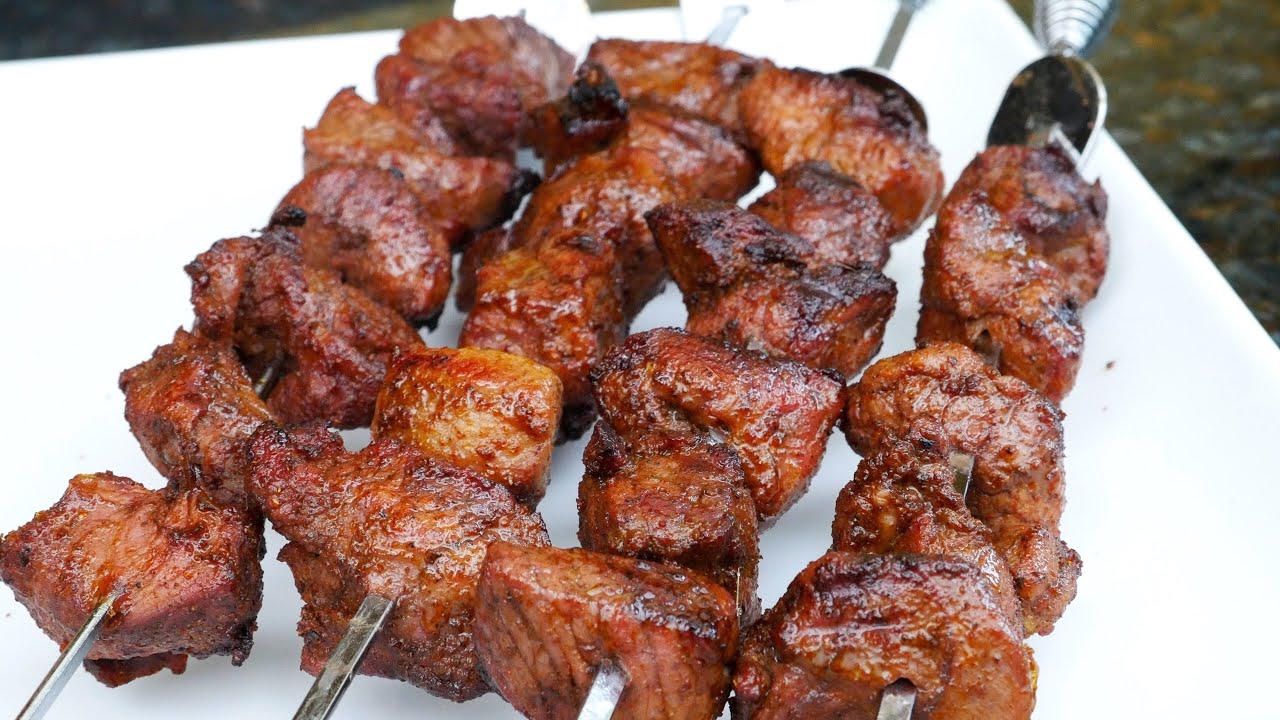
Lamb Kabobs Recipe: If you’ve never tried lamb kabobs before, you’re missing out on one of the juiciest, most flavorful meat dishes you can grill. Lamb kabobs, also known as lamb skewers or shish kebabs, are a Middle Eastern and Mediterranean favorite that brings out the bold, earthy taste of lamb with vibrant spices and perfectly grilled veggies. Whether you’re firing up the barbecue for a weekend get-together or just craving something hearty and satisfying, these kabobs are the real deal.
They’re incredibly versatile and customizable, and the combination of tender lamb chunks, colorful peppers, onions, and a zesty marinade makes this a go-to recipe. In this guide, we’re going to walk through every single step—from choosing the meat to the final grilling tips—so you can make restaurant-style lamb kabobs right at home.
Why Lamb Kabobs are a Favorite Grilled Dish
Lamb kabobs aren’t just another meat-on-a-stick meal. What makes them truly stand out is the bold flavor of lamb that holds up well against rich spices, garlic, citrus, and herbs. Grilling kabobs adds a smoky char that enhances everything, from the meat to the caramelized edges of veggies. It’s the kind of dish that looks impressive but is surprisingly simple once you break it down.
People love lamb kabobs because:
- They cook quickly, perfect for busy nights.
- The marinade does most of the flavor work.
- You can easily scale the recipe for gatherings or meal prep.
- They’re naturally low-carb and gluten-free.
- They’re perfect for outdoor grilling, indoor roasting, or even air frying.
Plus, the mix of meat and vegetables on a single skewer makes serving and eating clean and easy. Pair them with a side of tzatziki, garlic sauce, or even chimichurri, and you’re in for a flavor-packed meal.
Choosing the Right Cut of Lamb
Not all cuts of lamb are created equal—especially when it comes to kabobs. You want a cut that’s tender, flavorful, and grills well without drying out.
Best Cuts for Kabobs
- Lamb leg (boneless): This is the top choice for kabobs. It’s lean, easy to cube, and becomes tender when marinated.
- Lamb shoulder: More marbled and flavorful, though it may need a longer cook time.
- Loin or sirloin: Premium, tender cuts but more expensive.
Tips for Selecting Fresh Lamb
- Look for lamb that’s pink to light red with fine-grained meat.
- The fat should be white and firm, not yellow or greasy.
- Ask your butcher to help cube the lamb evenly—it saves time!
Picking the right cut ensures your kabobs come out juicy and flavorful rather than tough or chewy.
Essential Ingredients for Lamb Kabobs
The beauty of lamb kabobs is how a few pantry staples can transform the meat into something incredible. Think of your marinade as a flavor bath—it tenderizes the meat and infuses it with depth.
Key Spices and Herbs:
- Garlic (fresh or minced)
- Cumin
- Paprika (smoked or sweet)
- Black pepper
- Dried oregano or thyme
- Cinnamon (optional but adds warmth)
- Fresh parsley or mint (for garnish)
Veggies to Add to Skewers:
- Red, yellow, and green bell peppers
- Red onion
- Cherry tomatoes
- Zucchini
These ingredients not only add color and texture but absorb the same marinade, making every bite consistent and delicious.
List: Ingredients You’ll Need
Here’s your shopping list for 4 servings of mouthwatering lamb kabobs:
For the Lamb & Marinade:
- 2 lbs boneless lamb leg, cut into 1.5-inch cubes
- 3 tablespoons olive oil
- 2 tablespoons lemon juice
- 1 tablespoon red wine vinegar (optional)
- 4 garlic cloves, minced
- 1 teaspoon ground cumin
- 1 teaspoon paprika
- 1/2 teaspoon cinnamon
- 1 teaspoon dried oregano
- Salt and freshly ground black pepper to taste
For the Veggies:
- 1 red bell pepper, cut into chunks
- 1 yellow bell pepper, cut into chunks
- 1 green bell pepper, cut into chunks
- 1 red onion, quartered and separated
- 1 zucchini, sliced into thick rounds
Other:
- Skewers (metal or wooden)
- Fresh parsley or mint for garnish
Optional: Tzatziki, hummus, or garlic sauce for serving
Marinating the Lamb: Why It Matters
Marination is non-negotiable if you want the juiciest, most flavorful lamb kabobs. Not only does it tenderize the meat, but it also helps infuse those delicious Mediterranean flavors deep into each cube of lamb. Think of marinating as a little vacation for your meat—it rests, relaxes, and soaks in all the good stuff.
Ideal Marinating Time
- Minimum: 2 hours (for a quick flavor hit)
- Best: 8–12 hours (overnight is ideal)
- Don’t exceed: 24 hours (it can break down the meat texture)
Make sure you place the lamb and marinade in a resealable plastic bag or covered bowl in the refrigerator. Give it a little shake or stir every few hours if possible to evenly coat the pieces.
Step-by-Step Guide to Preparing Lamb Kabobs
Now for the fun part—putting it all together. Follow this simple step-by-step process for perfect lamb kabobs.
Step 1: Cut the Meat and Veggies
Cut the lamb into uniform 1½-inch cubes so they cook evenly on the grill. Chop your vegetables—such as bell peppers, onions, and zucchini—into similar-sized pieces. Keeping everything consistent prevents overcooking or undercooking.
Step 2: Prepare the Marinade
In a large bowl, whisk together olive oil, lemon juice, vinegar, minced garlic, cumin, paprika, cinnamon, oregano, salt, and black pepper. This marinade balances acidity, warmth, and herbs to complement the richness of the lamb.
Step 3: Marinate the Lamb
Add the lamb cubes to the marinade and mix well until every piece is evenly coated. Cover the bowl and refrigerate for at least 2 hours. For deeper flavor and tenderness, marinate overnight.
Step 4: Soak Wooden Skewers (If Using)
If using wooden skewers, soak them in water for at least 30 minutes. This prevents them from burning during grilling.
Step 5: Assemble the Skewers
Thread the marinated lamb and vegetables alternately onto the skewers. Avoid overcrowding—leave a little space between pieces so heat circulates evenly and everything cooks properly.
Your lamb kabobs are now ready for grilling to perfection.
Grilling vs Oven-Baking: Which is Better?
Here’s where personal preference and practicality kick in. Lamb kabobs are traditionally grilled, which adds that unmistakable smoky char. But not everyone has access to an outdoor grill year-round, so oven-baking is a solid alternative that still delivers great flavor.
Grilling Pros:
- Smokier, more authentic taste
- Charred edges for flavor and texture
- Quick cooking time
Oven-Baking Pros:
- Year-round accessibility
- Easier to control temperature
- Less smoke and mess
If you’re grilling, go for medium-high heat (around 400–450°F). For oven-baking, set the oven to 425°F and use a broiler to finish things off. Either way, you’ll end up with juicy, savory lamb if the skewers are cooked properly and not overdone.
Grilling the Lamb Kabobs
Let’s break down the grilling process step by step so you nail it every time:
- Preheat your grill to medium-high heat (around 400–450°F).
- Clean and oil the grates to prevent sticking.
- Place the skewers on the grill, spaced evenly.
- Grill for 8–12 minutes, turning every 2–3 minutes to get an even sear on all sides.
- Check for doneness—lamb should be browned outside but still tender and slightly pink in the center.
Keep a close eye while grilling. Overcooked lamb dries out quickly, and you want it juicy with a touch of pink inside.
Pro tip: Use a meat thermometer! You’re aiming for an internal temp of 135°F (medium-rare) to 145°F (medium).
Oven-Roasting Lamb Kabobs
No grill? No problem. You can still achieve delicious results with your oven. Here’s how:
- Preheat your oven to 425°F (220°C).
- Line a baking sheet with foil and place a wire rack on top. This allows the heat to circulate and prevents sogginess.
- Place the kabobs on the rack in a single layer.
- Roast for 20–25 minutes, turning the skewers once halfway through.
- For that charred effect, turn on the broiler for the last 2–3 minutes.
Your kitchen might smell like heaven during this part—don’t say we didn’t warn you. Keep the broiler going just long enough to crisp up the edges, not burn them.
How to Tell When Lamb Kabobs Are Done
Cooking lamb is all about precision. Too rare, and it’s chewy. Overcooked, and it’s dry. Here’s how to hit that sweet spot:
Internal Temperature Guide:
- Rare: 125°F
- Medium-rare: 135°F
- Medium: 145°F
- Well-done: 160°F+
Most people prefer medium-rare to medium for lamb—it’s juicy, flavorful, and tender.
Visual Cues:
- Outside: Nicely browned or slightly charred
- Inside: Pink but not raw, moist but not bloody
- Juices: Should run slightly pink or clear
Let the kabobs rest for 5 minutes before serving. This helps the juices redistribute and keeps everything moist and flavorful.
What to Serve with Lamb Kabobs
Okay, the skewers are sizzling and ready—what do you serve them with? The sides can elevate your dish from “yum” to “holy wow.”
Top Pairing Ideas:
- Basmati rice or saffron rice: Fluffy, aromatic, and classic
- Pita or flatbread: Perfect for wrapping with tzatziki or garlic sauce
- Grilled vegetables: Eggplant, mushrooms, or corn
- Salads: Greek salad, tabbouleh, or cucumber-yogurt salad
- Sauces: Tzatziki, hummus, baba ganoush, or chimichurri
Mix and match! You could even turn your kabobs into wraps or bowls. The combination possibilities are endless.
Tips for Juicy, Tender Lamb Kabobs
Here are the golden rules to ensure your lamb kabobs are unforgettable:
- Don’t skip the marinade. It breaks down muscle fibers and infuses flavor.
- Use the right cut. Leg or shoulder works best.
- Uniform cuts = even cooking. Cubes should be around 1.5 inches.
- Don’t overcook. Monitor grill/oven time and use a thermometer.
- Let them rest. Even 5 minutes post-cooking makes a difference.
- Avoid crowding on the skewers. Give the pieces room to breathe.
Little things matter when cooking lamb. Attention to detail pays off with juicy, flavorful results.
Make-Ahead and Storage Tips
Want to meal-prep or store leftovers? Lamb kabobs are pretty forgiving—just follow these tips.
Make-Ahead:
- Marinate up to 24 hours in advance for maximum flavor.
- You can assemble the skewers and refrigerate until ready to grill or roast.
- If using wooden skewers, keep them in a sealed bag in the fridge with the kabobs so they stay moist.
Storage:
- Refrigerator: Store cooked kabobs in an airtight container for up to 3–4 days.
- Freezer: Wrap tightly in foil or place in a freezer-safe bag for up to 3 months.
Reheating:
- Microwave: For 1–2 minutes, covered with a damp paper towel.
- Oven: Reheat at 350°F for 10–15 minutes.
- Skillet: A quick sear with a little olive oil works wonders.
Leftover lamb kabobs make killer wraps, salads, or even breakfast scrambles.
FAQs about Lamb Kabobs Recipe
1. Can I use beef or chicken instead of lamb?
Yes! This recipe works well with beef (like sirloin) or chicken thighs. Just adjust cooking times accordingly.
2. Do I have to marinate the lamb overnight?
Overnight gives the best results, but if you’re short on time, even 2 hours of marinating will make a noticeable difference.
3. Can I cook these in an air fryer?
Absolutely. Preheat the air fryer to 400°F and cook for about 12–14 minutes, turning halfway through.
4. What if I don’t have skewers?
You can roast the lamb and veggies on a baking sheet or use a grill basket. Not as fun, but still tasty.
5. How do I keep the lamb from drying out?
Marinate well, don’t overcook, and let it rest before serving. Those three steps make all the difference.
Conclusion
Lamb kabobs are a flavor-packed favorite for a reason—juicy, tender, and loaded with rich spices. Whether grilled or roasted, these kabobs deliver restaurant-quality taste at home. With the right cut of meat, a bold marinade, and just a little care in the cooking process, you’ll have a dish that’s not only easy to make but also guaranteed to impress.
Don’t be afraid to get creative—switch up the veggies, try different herbs, or explore new dips. Once you’ve mastered this base recipe, the possibilities are endless.