Korean Bulgogi Sauce Recipe: Korean BBQ is more than just grilled meat—it’s an experience. And at the center of that flavorful explosion is one magical component: Bulgogi Sauce.
This sweet, savory, garlicky marinade turns ordinary meat into melt-in-your-mouth perfection. If you’ve ever wanted to bring authentic Korean flavor into your kitchen, you’re in the right place.
Today, we’re diving deep into a step-by-step bulgogi sauce recipe that’s both traditional and customizable. Whether you’re prepping beef, chicken, tofu, or just want a dipping sauce for your rice bowls, this is the only guide you’ll need.
What is Bulgogi Sauce?
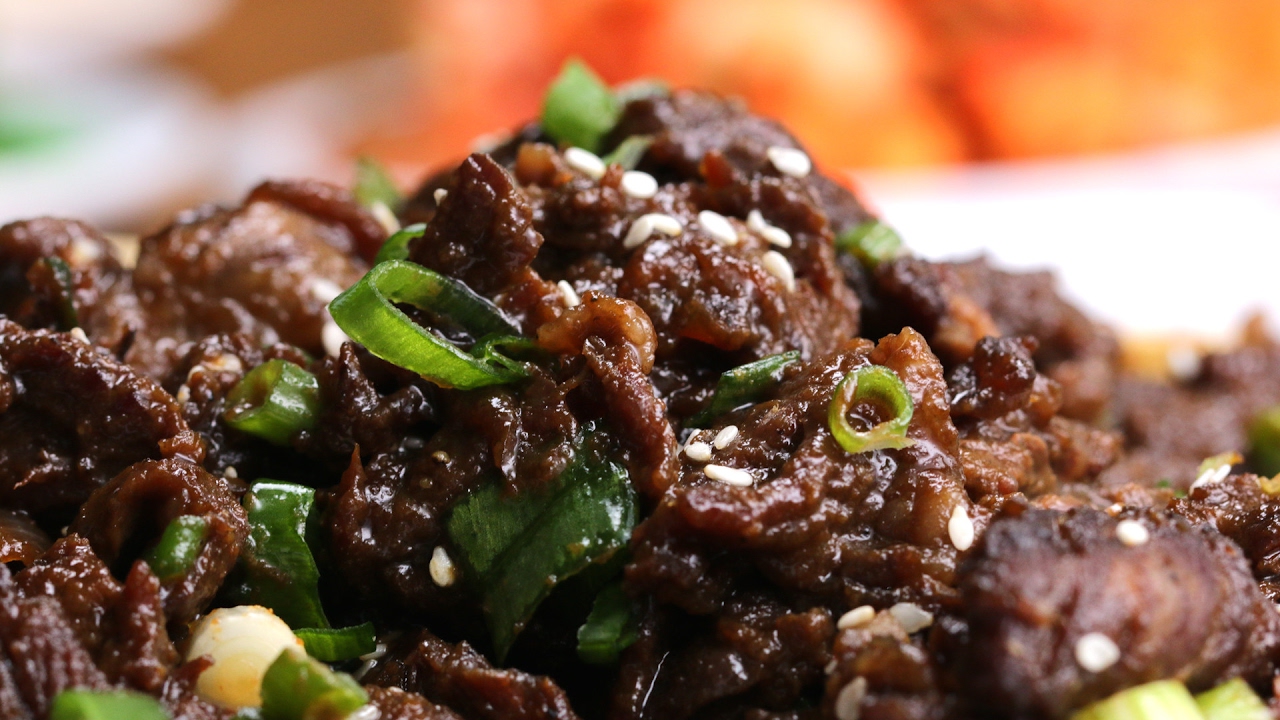
Bulgogi literally means “fire meat” in Korean. Traditionally, it’s thinly sliced beef marinated in a rich, sweet-savory sauce and grilled over open flames. The sauce is the heart of this dish. Without it, bulgogi is just beef. With it, it’s a celebration of flavor.
Bulgogi sauce is built on a balance of soy sauce, sugar, sesame oil, garlic, and ginger, often enhanced with grated pear or apple. This unique combo doesn’t just add taste—it tenderizes the meat and creates that irresistible caramelized crust when grilled. It’s the kind of sauce that doesn’t just coat the meat—it transforms it.
Why Make Your Own Bulgogi Sauce at Home?
You can find bottled bulgogi sauce in most grocery stores these days, but let’s be honest: homemade always wins. Why? Because you get to control every drop that goes into your food. Want it sweeter? Spicier? More garlicky? No problem. Plus, when you DIY, you skip the preservatives, artificial colors, and mysterious “natural flavors” you find in store-bought sauces.
Making your own also opens the door to customization. Vegan? Gluten-free? Allergic to sesame? You can adjust the recipe and still keep the spirit of bulgogi alive. And best of all, it takes just minutes to make.
List of Ingredients You’ll Need
Here’s a full list of what you’ll need to whip up a batch of authentic bulgogi sauce:
Essential Ingredients
- ½ cup soy sauce
- 2 tablespoons brown sugar
- 2 tablespoons sesame oil
- 3 cloves garlic (minced)
- 1 tablespoon grated ginger
- ½ grated Asian pear or apple
- 1 tablespoon rice vinegar or mirin
- 2 green onions (finely chopped)
- 1 tablespoon toasted sesame seeds
Optional Add-ins
- 1 tablespoon gochujang (Korean chili paste) for heat
- 1 teaspoon fish sauce for deeper umami
- 1 tablespoon grated onion for body
- 1 tablespoon honey (instead of sugar for smoother sweetness)
Everything on this list is easy to find at your local supermarket, and even more so at an Asian grocery store.
Ingredient Breakdown and Their Roles
Each ingredient in bulgogi sauce plays a specific part. Here’s why they matter:
- Soy Sauce: This is your base. It gives that rich umami flavor that ties everything together. Use a high-quality Korean soy sauce if possible.
- Brown Sugar: Adds the signature sweetness and helps the meat caramelize during cooking.
- Sesame Oil: Offers a deep nutty aroma that’s essential to Korean cuisine.
- Garlic: Adds bold flavor and just the right amount of sharpness.
- Ginger: Brings freshness and a bit of zing.
- Pear or Apple: A natural tenderizer and sweetener that makes Korean BBQ uniquely delicious.
- Rice Vinegar or Mirin: Adds a hint of acidity to balance out the sweetness.
- Green Onions: Add color, freshness, and a sharp contrast to the sweet-salty flavor.
- Sesame Seeds: Not just for garnish—they add subtle crunch and visual appeal.
Each bite should be a dance between sweet, salty, and savory. These ingredients make that possible.
How to Choose the Right Soy Sauce
Not all soy sauces are created equal, especially when it comes to Korean cooking. For bulgogi sauce, the soy sauce you choose can make or break the final flavor. Here’s how to pick the best one:
- Korean Soy Sauce (Guk-Gan-Jang): This is the most traditional choice. It’s lighter in color but saltier and more intense, used often in soups and marinades.
- Japanese Soy Sauce (Shoyu): Slightly sweeter and less salty than its Korean counterpart, this can still work if you adjust your recipe.
- Chinese Soy Sauce: These are usually divided into light and dark. Chinese light soy is quite salty and sharp, while dark soy is thicker and more for color.
When shopping, check the label for naturally brewed soy sauces. Avoid those with MSG, high-fructose corn syrup, or caramel color additives. Trust us—a good soy sauce is worth the few extra dollars.
Choosing the Right Sweetener: Brown Sugar, Honey, or Pear?
Sweetness is crucial in bulgogi sauce—it’s what makes the meat caramelize beautifully on a grill or skillet. But which sweetener is best?
- Brown Sugar: The most common and consistent. It gives depth and richness and works well for beef or chicken.
- Honey: Offers a smoother sweetness and helps thicken the sauce. It’s perfect if you want a more glossy finish on your meat.
- Pear (especially Korean or Asian Pear): This is the traditional secret weapon. Not only does it sweeten, but it also tenderizes the meat naturally thanks to its enzymes. Grate it finely or blend it into the sauce.
If you don’t have a Korean pear, a Fuji apple or Bosc pear can work too. Just make sure it’s sweet and ripe. Some people even use apple juice as a shortcut, but whole fruit gives better texture and flavor.
Optional Add-ins to Customize Your Bulgogi Sauce
Want to put your own spin on this classic sauce? These optional add-ins can level up the flavor or adapt it to your personal taste:
- Gochujang: Add 1 tablespoon for that signature Korean heat. It also thickens the sauce slightly.
- Fish Sauce: Just a few drops bring a deeper umami and saltiness. Great if you’re skipping mirin or using low-sodium soy sauce.
- Grated Onion: Adds body and richness, especially if you want to avoid sugar. It blends beautifully with apple or pear.
- Black Pepper: A small pinch gives subtle spice without heat.
- Chili Flakes: Want more kick without gochujang? Sprinkle a bit in.
These additions make your sauce more complex and personal. Feel free to experiment until it tastes just right.
Tools You’ll Need for Making Bulgogi Sauce
You don’t need fancy gadgets, but a few basic kitchen tools will make the process smoother:
- Mixing Bowl: Big enough to whisk everything without spilling.
- Whisk or Spoon: A whisk helps emulsify the sauce better.
- Blender or Food Processor (optional): If you’re using whole pear or onion, blending gives a smoother sauce.
- Grater: For finely grating garlic, ginger, or pear.
- Glass Jar or Container: For storing your sauce in the fridge. Mason jars are ideal.
Pro tip: Always use clean, dry utensils when handling your sauce to prevent spoilage during storage.
Step-by-Step Guide to Making Bulgogi Sauce
Alright, now for the fun part—let’s put it all together. This recipe makes about ¾ cup of sauce, enough for about 1.5 lbs of meat.
Step 1: Prepare and Measure Ingredients
Gather all your ingredients. Mince the garlic, grate the ginger and pear (or apple), and slice the green onions. Having everything ready saves time and ensures nothing is left out.
Step 2: Mix the Base Ingredients
In a mixing bowl, pour in:
- ½ cup soy sauce
- 2 tablespoons brown sugar
- 2 tablespoons sesame oil
Whisk together until the sugar starts to dissolve.
Step 3: Add Aromatics and Sweeteners
Add:
- 3 minced garlic cloves
- 1 tablespoon grated ginger
- ½ grated pear or apple
- 1 tablespoon rice vinegar or mirin
- Chopped green onions
- 1 tablespoon sesame seeds
Mix thoroughly to combine all ingredients evenly.
Step 4: Blend (Optional)
If you want a smooth sauce (especially for dipping), blend everything together for 15–20 seconds. Otherwise, leave it chunky—it still tastes amazing.
Step 5: Taste and Adjust Flavor
Taste your sauce with a spoon. Too salty? Add a bit more sugar or pear. Too sweet? Add a splash of vinegar or soy sauce. This is your chance to fine-tune the flavor.
Step 6: Store for Use
Transfer the sauce into a jar with a lid. It’s ready to use immediately but tastes even better after 1–2 hours in the fridge.
Tips for Perfecting Bulgogi Sauce Every Time
- Balance is key: You’re looking for harmony—no one ingredient should overpower.
- Let it rest: Letting the sauce sit in the fridge for a few hours helps the flavors meld together.
- Test it first: Try marinating a small piece of meat and cooking it before committing to a big batch.
These little tweaks will take your bulgogi from good to unforgettable.
How to Store Your Bulgogi Sauce
Once you’ve made a batch of this flavorful goodness, you’ll definitely want to keep some for later. Here’s how to make sure your bulgogi sauce stays fresh and tasty:
Refrigeration
Store the sauce in an airtight glass container or mason jar and keep it in the fridge. It will last up to 7–10 days if kept cold and sealed properly. Make sure to:
- Use a clean spoon every time you dip into the jar
- Keep the lid tightly closed
- Label the jar with the date you made it
Freezing for Long-Term Storage
If you’ve made a big batch, freezing is your best friend. Pour the sauce into an ice cube tray or small freezer-safe bags. Once frozen, transfer the cubes or sealed bags into a labeled container. It will stay good for up to 3 months in the freezer. Just thaw overnight in the fridge before using.
Signs of Spoilage
If your sauce smells off, has changed color, or shows mold, toss it. Homemade sauces don’t have preservatives, so freshness is key.
How to Use Bulgogi Sauce
You might think it’s just for beef, but bulgogi sauce is incredibly versatile. Here are some tasty ways to use it:
1. Marinade for Meat
This is the classic use. Pour the sauce over sliced beef, chicken, pork, or even tofu. Let it marinate for at least 30 minutes—or better yet, overnight—for max flavor. Grill, pan-fry, or broil to your liking.
2. Stir-Fry Sauce
Toss it into your wok with veggies, rice, or noodles. It adds an instant punch of sweet and savory.
3. Dipping Sauce
Serve it on the side for dumplings, egg rolls, spring rolls, or lettuce wraps. Thin it with a splash of water or vinegar for a lighter dip.
4. Fusion Ideas
Get creative:
- Bulgogi pizza with mozzarella and scallions
- Bulgogi tacos with kimchi slaw
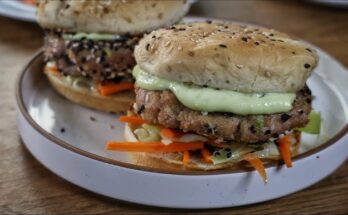
- Bulgogi burgers with a drizzle of gochujang mayo
The possibilities are endless once you realize how addictive this sauce can be.
Popular Dishes That Use Bulgogi Sauce
Once you have your sauce ready, it’s time to explore Korean classics (and new favorites) that bring out its full flavor.
Classic Beef Bulgogi
Thinly sliced ribeye or sirloin, marinated in your sauce and grilled or stir-fried. It’s the OG Korean BBQ dish and pairs perfectly with rice and lettuce wraps.
Chicken Bulgogi (Dak Bulgogi)
Substitute beef with chicken thighs or breast. The marinade works wonders on poultry, especially when grilled.
Tofu or Veggie Bulgogi
Vegan or vegetarian? No problem. Press tofu, slice it, marinate, and pan-fry until golden. Add mushrooms, zucchini, and bell peppers for a hearty plant-based meal.
Bulgogi Bibimbap
Top a warm rice bowl with bulgogi meat, sautéed veggies, a fried egg, and gochujang for a satisfying one-bowl wonder.
Korean Street Tacos
Tortillas + bulgogi beef + kimchi slaw + sriracha mayo = fusion heaven. This is a crowd-pleaser at any party or dinner.
Common Mistakes to Avoid
Making bulgogi sauce isn’t hard, but a few mistakes can dull the magic. Here’s what to steer clear of:
1. Over-salting with Soy Sauce
Not all soy sauces have the same salt levels. Always taste your sauce before using it—especially if you’re using a new brand.
2. Ignoring the Sweet-Savory Balance
Too much sugar and you’ll end up with syrupy meat. Too little, and it won’t caramelize. Follow the ratios, then adjust based on taste.
3. Using the Wrong Meat Cuts
The sauce works best with thin, tender cuts. Tough or thick slices won’t absorb the flavor as well.
4. Not Marinating Long Enough
Let your meat sit in the marinade for at least 30 minutes, but ideally overnight. The flavor gets better the longer it rests.
5. Skipping the Pear or Apple
Don’t skip the fruit unless you absolutely have to. It brings a soft texture and subtle sweetness that defines Korean BBQ.
FAQs about Korean Bulgogi Sauce Recipe
1. Can I make bulgogi sauce without pear or apple?
Yes, but you’ll miss out on the natural tenderizing and depth. You can substitute with a tablespoon of honey or a splash of apple juice in a pinch.
2. How long should I marinate meat in bulgogi sauce?
At least 30 minutes, but overnight (up to 24 hours) is best for maximum flavor and tenderness.
3. Is bulgogi sauce spicy?
Not by default. Traditional bulgogi sauce is sweet and savory, but you can add gochujang or chili flakes for heat.
4. What can I substitute for mirin?
Try rice vinegar with a pinch of sugar, or even a splash of dry white wine with honey.
5. Can I make this sauce vegan or gluten-free?
Absolutely. Use tamari or coconut aminos for gluten-free, and skip the fish sauce for a vegan version. Double-check all ingredient labels.
Conclusion
There’s something deeply satisfying about making your own bulgogi sauce. It’s rich, aromatic, and bursting with the flavors of Korean cuisine. Whether you’re grilling beef, pan-frying chicken, or throwing tofu in the air fryer, this sauce will take your meal from basic to boldly unforgettable.
And remember, this isn’t just a recipe—it’s a gateway to Korean cooking. Once you master bulgogi sauce, you’re one step closer to making dishes like japchae, bibimbap, and more. So grab those ingredients, trust your taste buds, and get cooking!