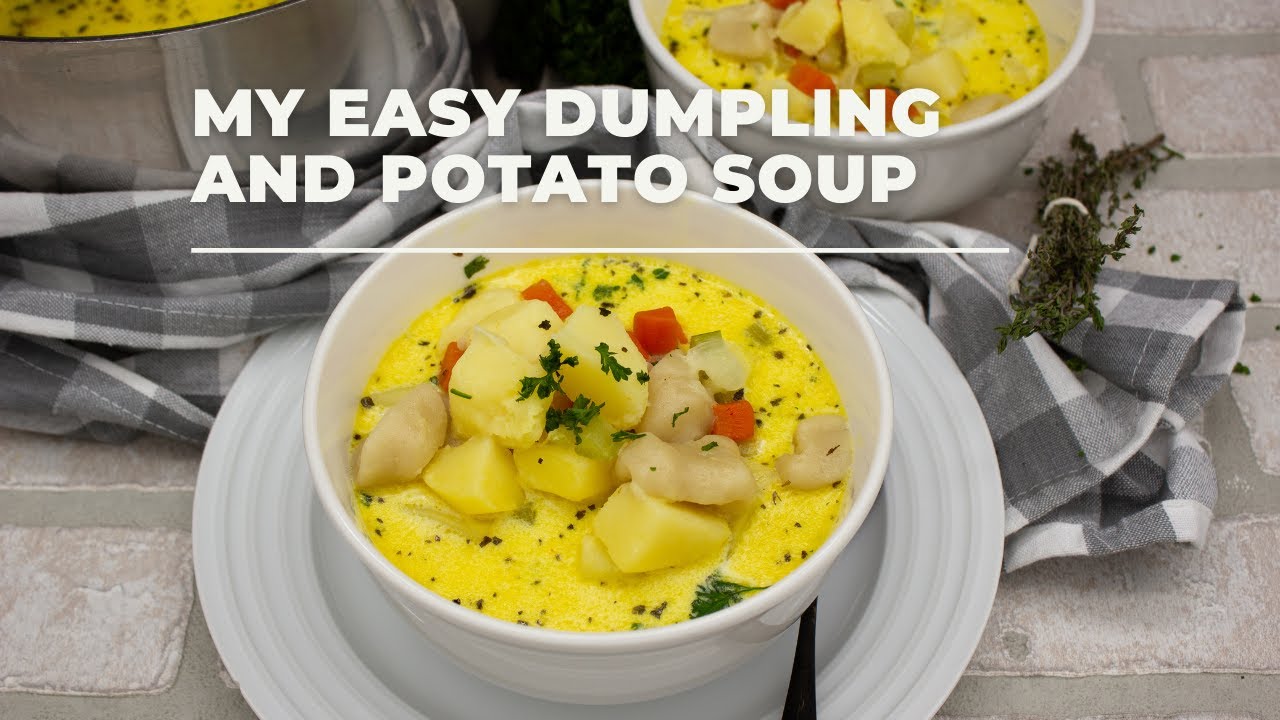
Knoephla Soup Recipe: Comfort in a bowl—those are the words that best describe Knoephla soup. This hearty, creamy, and soul-warming dish is a staple in many Midwestern and German-Russian kitchens. Whether you’re looking to warm up on a chilly evening or impress your guests with a regional specialty, Knoephla soup is that under-the-radar gem you need to master.
The combination of buttery dumplings, tender vegetables, and a rich, savory broth makes this a must-try. And don’t worry—it’s simpler than it sounds. I’ll walk you through every step.
What is Knoephla Soup?
Knoephla (pronounced “nef-lah” or “kneff-lah,” depending on who you ask) is a German-influenced dumpling soup that’s particularly popular in North Dakota, South Dakota, and Minnesota. The dumplings are small, soft, and slightly chewy—kind of like gnocchi’s rustic cousin.
The soup base is typically creamy, made with butter, onions, potatoes, and broth, but there are many delicious twists and family secrets that have been passed down through generations. Some versions include chicken, carrots, or celery, while others keep it minimalistic to highlight the doughy dumplings.
Why You’ll Love This Soup
- Ultimate Comfort Food: Think of this soup as a cozy blanket for your taste buds.
- Perfect for Cold Weather: It’s thick, creamy, and fills you up.
- Customizable: You can add chicken, more veggies, or even spice it up a bit.
- Budget-Friendly: Made with simple pantry ingredients.
- Kid-Friendly: Mild, buttery flavors are a hit with picky eaters too.
Whether you’re new to Midwestern cuisine or grew up on this, Knoephla soup delivers that nostalgic punch with every spoonful.
Traditional Roots of Knoephla Soup
Knoephla soup has deep roots in German-Russian immigrant communities, particularly in the Midwest. It evolved from classic European dumpling dishes but adapted to the American ingredients and seasons. The word “knoephla” comes from the German word for “little button,” and that’s exactly what the dumplings resemble.
In Germany, dumpling soups were often made for big family dinners and used to stretch a meal without spending a fortune. That legacy lives on today—Knoephla soup is as much about flavor as it is about family, tradition, and resourcefulness.
List of Ingredients You’ll Need
Let’s talk about what you’ll need to make a rich, authentic Knoephla soup from scratch. This version keeps the traditional feel but is also easy enough for a beginner cook.
For the Soup Base:
- 4 tablespoons unsalted butter
- 1 medium yellow onion, diced
- 2 stalks celery, chopped
- 2 carrots, peeled and diced
- 3-4 medium Yukon gold potatoes, peeled and cubed
- 6 cups chicken or vegetable broth
- 1 cup heavy cream (or half-and-half for a lighter version)
- Salt and pepper to taste
- Fresh or dried parsley (optional for garnish)
For the Knoephla Dumplings:
- 2 cups all-purpose flour
- 1 large egg
- 1/2 teaspoon salt
- 2/3 cup water (add gradually)
All of these ingredients are easy to find and inexpensive, making this soup a regular go-to option during the colder months.
Tools and Equipment Needed
- Large soup pot or Dutch oven
- Mixing bowl for dumpling dough
- Wooden spoon or spatula
- Knife and cutting board
- Ladle
- Measuring cups and spoons
Having these basic kitchen tools ready will make the process smooth and enjoyable.
Tips for Selecting the Best Ingredients
Quality matters, especially when you’re working with a short ingredient list. Here are some tips to get the most flavor:
- Potatoes: Yukon Gold is ideal because it holds shape and adds creaminess without becoming mush.
- Butter: Go with unsalted so you can control the saltiness of the soup.
- Cream: Use heavy cream for a rich result, but half-and-half works if you want to cut calories.
- Flour: All-purpose flour gives the dumplings that perfect balance of chewy and soft.
- Broth: Homemade or high-quality store-bought makes a huge difference in flavor.
Step-by-Step Guide to Making Knoephla Soup
This is where the magic happens. Follow each step carefully and you’ll be rewarded with a pot of creamy, dumpling-filled deliciousness.
Step 1: Preparing the Vegetables
Start by dicing the onion, chopping the celery, slicing the carrots, and cubing the potatoes. Make sure your pieces are bite-sized for even cooking and easy eating. Heat the butter in a large pot over medium heat and sauté the onions until they’re translucent. Add the celery and carrots and cook for another 5–7 minutes, stirring occasionally to prevent burning. Then add your diced potatoes and cook for 2 more minutes.
This base will build the foundational flavor of the soup, and the slow sauté helps bring out the sweetness in the vegetables.
Step 2: Cooking the Base
Once your veggies are soft, pour in the chicken or vegetable broth. Bring the pot to a boil, then reduce heat to simmer. Let it cook uncovered for about 15 minutes, or until potatoes are tender. This is also a good time to season with salt and pepper.
If you’re using fresh herbs like parsley or thyme, toss them in now for added depth.
Step 3: Making the Knoephla Dough
While the soup base is simmering, it’s time to make your dumplings.
In a mixing bowl, combine flour and salt. Beat the egg and stir it in, followed by water. Add water slowly while mixing until you get a soft but firm dough—similar to pasta dough but slightly stickier. Knead it gently for about 2–3 minutes on a floured surface.
Let the dough rest for 5–10 minutes while your soup continues to simmer. This resting time allows the gluten to relax, making the dough easier to cut and cook.
Step 4: Cutting and Adding the Dumplings
Roll the dough into a rope about 1/2 inch thick, then cut into small, bite-sized pieces—roughly the size of a nickel. Drop them directly into the simmering soup. The heat will cook the dumplings quickly; they’ll sink at first and rise as they cook.
Give the soup a gentle stir so the dumplings don’t stick together. Let them cook for about 7–8 minutes, or until soft and fully cooked through.
Step 5: Final Simmer and Seasoning
Once the dumplings are cooked, pour in the cream. Stir gently and allow the soup to simmer on low for another 5 minutes. This step ties everything together, giving the soup that rich, silky texture.
Taste and adjust seasoning—maybe a bit more salt, a crack of black pepper, or a touch of garlic powder if you’re into that.
Top with fresh parsley if desired, and you’re done.
Common Mistakes to Avoid
Even though Knoephla soup is simple, a few missteps can throw off the flavor or texture. Let’s talk about some common mistakes and how to avoid them:
- Overworking the dough: Kneading the dumpling dough too much will make your knoephla chewy and tough instead of soft and pillowy. Mix it just enough to combine.
- Using too much flour: It’s tempting to keep adding flour if the dough feels sticky, but resist! A sticky dough will result in soft, tender dumplings. Too much flour makes them dense.
- Not seasoning enough: This soup is creamy, but it can taste bland if under-seasoned. Salt, pepper, and butter go a long way—taste as you go!
- Boiling the cream: Once you add the cream, keep the heat low. Boiling can cause it to curdle or separate.
- Crowding the pot: If you’re doubling the recipe, make sure your pot is big enough so the dumplings don’t stick or steam instead of cook.
Avoiding these small but impactful errors can really elevate your soup from good to unforgettable.
Knoephla Soup Variations
The traditional Knoephla soup is already amazing, but there are ways to make it your own based on dietary preferences or just what you have in your kitchen.
Chicken Knoephla Soup
Add shredded rotisserie chicken or cooked chicken breast after adding the dumplings. It gives a protein boost and makes the soup more filling.
Creamy Knoephla Soup
Want it extra creamy? Add a bit of sour cream or cream cheese in the final simmer. Just a few tablespoons will give you a velvety finish.
Vegetarian Knoephla Soup
Use vegetable broth and load up on carrots, peas, corn, or mushrooms for a meatless version that’s still rich and satisfying.
Spicy Knoephla
Add a pinch of cayenne or a splash of hot sauce to bring a little heat. It’s a non-traditional twist, but really tasty!
Customizing your Knoephla lets you enjoy it over and over again without ever getting bored.
Serving Suggestions
This soup is hearty enough to stand alone, but here are a few serving ideas to round out the meal:
- Crusty Bread or Dinner Rolls: Perfect for dipping.
- Side Salad: A simple green salad with vinaigrette balances the richness of the soup.
- Pickles: In traditional German-Russian homes, a few pickles on the side are a must!
- Grated Cheese: Sprinkle a little cheddar or parmesan on top for a salty, savory kick.
Pro tip: Serve it hot, fresh off the stove with a pat of butter melting on top for the full effect.
How to Store and Reheat
Got leftovers? Awesome! Knoephla soup actually tastes even better the next day.
- Storage: Let the soup cool completely, then transfer to an airtight container and store in the fridge for up to 4 days.
- Reheating: Reheat gently on the stove over medium-low heat, stirring occasionally. You can add a splash of cream or milk if it thickened too much in the fridge.
Avoid microwaving in high bursts, as this can overcook the dumplings or cause the cream to separate.
Freezing Tips
While Knoephla soup can be frozen, there are a few things to consider:
- Freeze without the cream: Dairy tends to separate during freezing, so if you plan to freeze, leave the cream out and add it fresh when reheating.
- Portion before freezing: Use freezer-safe containers or bags. Portion sizes make thawing easier later.
- Label with Date: It’s good for up to 2 months in the freezer.
Thaw in the fridge overnight and reheat slowly for best results.
Health Benefits of Knoephla Soup
It may be indulgent, but Knoephla soup also offers a few surprising health perks:
- Rich in Carbs for Energy: Thanks to potatoes and dumplings, it’s a great source of slow-releasing carbs—perfect for colder days.
- Vegetable Goodness: Onion, celery, carrots, and potatoes offer fiber, vitamins, and antioxidants.
- Customizable Nutrition: You can control how rich or light you make it by choosing different types of cream or using milk instead.
And don’t underestimate the emotional benefit—comfort food like this can lift your spirits like nothing else.
FAQs about Knoephla Soup Recipe
1. Can I make Knoephla dough ahead of time?
Yes! You can make the dough a few hours ahead. Wrap it tightly in plastic wrap and keep it in the fridge until you’re ready to use.
2. What can I use instead of cream?
You can substitute half-and-half, evaporated milk, or even plain milk with a bit of cornstarch to thicken it. For dairy-free, try coconut cream or unsweetened oat milk.
3. Can I use frozen dumplings?
You can, but homemade dumplings taste much better. If you’re short on time, frozen potato dumplings or gnocchi can be a quick alternative.
4. How do I know when the dumplings are done?
They’ll float to the top and be soft but not doughy inside. Cut one open to check—it should be fluffy, not raw.
5. What’s the difference between gnocchi and knoephla?
They’re similar in size and shape, but gnocchi often includes potato in the dough. Knoephla is more like a simple flour-and-egg dumpling—chewier and more rustic.
Conclusion
Knoephla soup isn’t just another creamy soup—it’s a nostalgic trip, a warm hug in a bowl, and a piece of Midwest and German-Russian history. Whether you make it from memory or follow this recipe for the first time, it’s guaranteed to become a new favorite.
It’s simple, flexible, and full of flavor. And now that you know how to make it step by step, nothing’s stopping you from serving up a pot of delicious, homemade comfort whenever you like.
So grab your ingredients, tie on your apron, and let’s get cooking—because this is one soup that’s worth the stir.