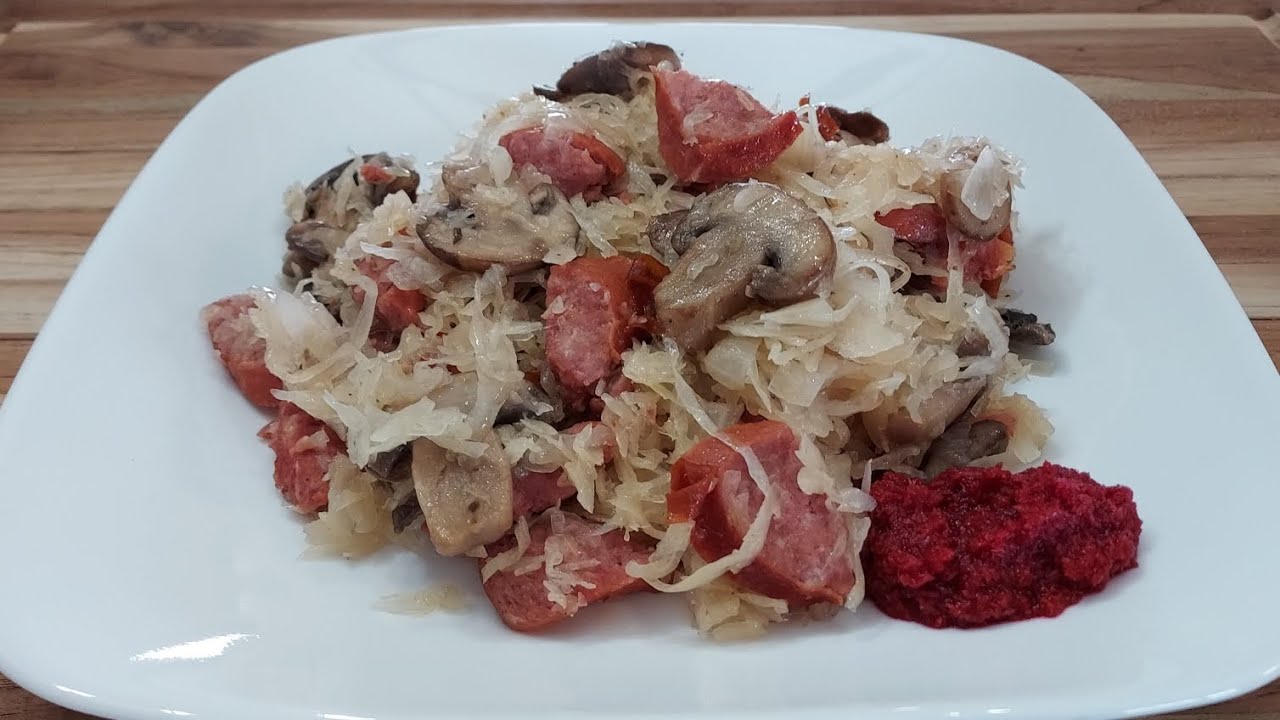
Kapusta Recipe: Kapusta. Just saying the name makes you feel like you’re about to bite into something rich, warm, and deeply comforting. This humble yet hearty dish has roots in Polish, Ukrainian, and other Eastern European cuisines, and it’s a staple in many households, especially during cold months or family gatherings.
So, what exactly is it? Simply put, Kapusta means “cabbage” in Polish. But the dish known as Kapusta is so much more than just cabbage—it’s a slow-cooked combination of sauerkraut, fresh cabbage, onions, garlic, and sometimes bacon, sausage, or mushrooms. It’s tangy, savory, and perfectly rustic.
What makes Kapusta truly special is how it transforms a handful of basic ingredients into something unforgettable. Whether you’re recreating your babcia’s recipe or trying it for the first time, this guide will walk you through everything step by step.
Let’s dive into what you’ll need.
List of Ingredients You’ll Need
Basic Ingredients for Classic Kapusta
To make a traditional Kapusta recipe, here’s what you’ll want to gather:
- 1 small head of green cabbage, shredded or chopped
- 2 cups of sauerkraut, drained and rinsed (but not too much—you want some tang!)
- 1 large onion, diced
- 2 cloves garlic, minced
- 2 tablespoons butter or oil
- 1–2 bay leaves
- Salt and pepper, to taste
- 1 cup of water or broth (vegetable or chicken broth works best)
These are your foundation ingredients. From here, you can customize the dish to your liking. But even with just these basics, you’ll get that classic Kapusta flavor that’s earthy, rich, and oh-so-satisfying.
Optional Add-Ins for Extra Flavor
If you want to enhance your Kapusta and make it heartier or more complex in flavor, consider tossing in some of these ingredients:
- Bacon or kielbasa – chopped and browned before mixing in
- Mushrooms – sautéed until golden for a deep umami touch
- Carrots – finely chopped for a touch of sweetness
- Tomato paste or diced tomatoes – a Ukrainian twist
- Caraway seeds – a traditional flavor that pairs beautifully with sauerkraut
- A pinch of sugar or honey – helps balance the tang if it’s too sour
Substitutes You Can Use (Vegan/Low-Sodium/Gluten-Free)
- Vegan? Use olive oil instead of butter and skip the meat.
- Low-sodium? Rinse your sauerkraut thoroughly and use homemade broth.
- Gluten-free? No problem! Most Kapusta recipes are naturally gluten-free, just check your sausage or broth labels if using store-bought.
Now that you’re prepped, let’s start cooking!
Step-by-Step Guide for Kapusta
Step 1: Preparing Your Ingredients
Gather all your ingredients before cooking. You’ll need sauerkraut, fresh cabbage, onion, garlic, and optional bacon or sausage. Rinse the sauerkraut lightly if it’s very sour, then drain well. Shred the fresh cabbage and chop the onion and garlic.
Step 2: Sautéing the Onion and Garlic
Heat a large pot or skillet over medium heat. Add a little oil or bacon fat. Sauté the chopped onion for 3–4 minutes until soft and translucent. Add the garlic and cook for another 30 seconds until fragrant.
Step 3: Cooking the Bacon or Sausage (Optional)
If using bacon or sausage, add it now. Cook until the fat renders and the meat is lightly browned. This step adds smoky depth to the dish but can be skipped for a vegetarian version.
Step 4: Adding the Sauerkraut and Cabbage
Add the drained sauerkraut and shredded fresh cabbage to the pot. Stir well to combine with the onion mixture. Mixing both gives kapusta its balanced texture and flavor.
Step 5: Simmering the Mixture Slowly
Pour in a small amount of water or broth. Reduce heat to low, cover, and let the mixture simmer gently for 30–40 minutes. Stir occasionally to prevent sticking and allow flavors to meld.
Step 6: Seasoning and Adjusting Flavors
Season with salt, black pepper, bay leaf, and a pinch of sugar if needed to balance acidity. Taste and adjust as it cooks.
Step 7: Letting It Rest for Full Flavor
Remove from heat and let the kapusta rest for 5–10 minutes. This allows the flavors to deepen and settle.
Step 8: Serving Suggestions and Garnishes
Serve warm as a side dish with meats or potatoes. Garnish with fresh herbs or cracked pepper before serving.
Kapusta Variations You’ll Love
Polish Kapusta with Mushrooms
Want to go meatless or just love mushrooms? Try this version:
- Use a mix of wild mushrooms and white button mushrooms.
- Sauté them with your onions and garlic before adding cabbage.
- Add a splash of mushroom broth for even more flavor depth.
The result? Earthy, rich, and satisfying—a perfect vegetarian option that still feels like a hug in a bowl.
Ukrainian Style with Carrots and Tomato
This version leans slightly sweeter and more colorful:
- Add grated carrots with the onions for a sweeter base.
- Stir in a spoonful of tomato paste or some diced tomatoes.
- Season with bay leaf, paprika, and a touch of sugar.
It’s vibrant and perfect for serving with crusty bread or boiled potatoes.
Meatless Lenten Kapusta
Ideal for fasting periods or plant-based diets:
- Skip the meat and use olive oil instead of butter.
- Add mushrooms, carrots, or beans for extra texture.
- Season with herbs and finish with lemon juice for brightness.
Still hearty, still traditional—just lighter and meat-free.
Best Ways to Serve Kapusta
Pairing with Potatoes, Bread, and Pierogis
Kapusta is a star, but it loves good company. Here’s how to round out your meal:
- Mashed or boiled potatoes are the perfect base.
- Potato pancakes (placki) for a crispy contrast.
- Pierogis, especially potato and cheese, are a must.
- Don’t forget rye bread, cornbread, or sourdough.
Think rustic, hearty, and Eastern European. You can’t go wrong.
How to Turn Kapusta into a Full Meal
To bulk it up into a full dinner:
- Stir in white beans or lentils for protein.
- Add chunks of smoked sausage or pork shoulder.
- Serve over rice or noodles if you’re out of potatoes.
It’s flexible, which makes it perfect for leftovers or repurposing into soup or stew.
Using Kapusta as a Side Dish
Kapusta isn’t just a main—it shines on the side too:
- Serve next to grilled meats or roast chicken.
- Pair with stuffed cabbage rolls for a double cabbage feast.
- Use it as a topping for sandwiches or wraps.
It’s the kind of dish that quietly makes every meal better.
Storage and Reheating Tips
How to Store Kapusta Properly
One of the great things about Kapusta is how well it stores. In fact, it might taste even better after a day or two! Here’s how to store it properly:
- Cool it completely before storing. Leaving it hot in a container can lead to soggy cabbage or spoilage.
- Use airtight containers to lock in flavor and keep out moisture.
- Store in the refrigerator for up to 5–7 days.
Kapusta holds up beautifully in the fridge and can easily become a go-to side or meal for the entire week.
Can You Freeze It?
Absolutely! Kapusta freezes well, making it ideal for meal prep.
Here’s how:
- Cool completely before freezing.
- Use freezer-safe bags or containers.
- Label and date your containers—Kapusta will stay good for up to 3 months in the freezer.
To thaw, just move it to the fridge overnight. Reheat it gently on the stove or in the microwave with a splash of broth to bring it back to life.
Best Methods for Reheating While Retaining Flavor
You want to reheat Kapusta without drying it out or turning it into mush. Here are your best bets:
- Stovetop: Add a little broth or water, cover the pot, and warm it slowly over low heat.
- Microwave: Use a microwave-safe bowl, add a splash of liquid, and cover with a microwave-safe lid or paper towel.
- Oven: Reheat in a covered dish at 300°F (150°C) for about 20–25 minutes.
Avoid high heat—that can overcook the cabbage and change the texture.
Health Benefits of Kapusta
Nutritional Value of Sauerkraut and Cabbage
Cabbage and sauerkraut are more than just budget-friendly—they’re nutritional powerhouses:
- High in fiber – great for digestion and keeping you full.
- Rich in Vitamin C and K – supports immunity and bone health.
- Low in calories – so you can eat a hearty portion guilt-free.
When combined with a bit of healthy fat and protein, Kapusta makes for a well-rounded meal that’s satisfying and good for you.
Gut Health and Fermentation
If you’re using raw or unpasteurized sauerkraut, you’re in for a probiotic bonus. Fermented foods like sauerkraut can:
- Support gut health by introducing beneficial bacteria.
- Improve digestion.
- Enhance immune response.
Just remember: long cooking times can reduce some probiotic benefits, so if gut health is your main goal, stir in a bit of raw sauerkraut after cooking.
Low-Calorie Comfort Food
Kapusta is one of those rare dishes that checks all the boxes:
- Comforting
- Filling
- Healthy
Especially when made with minimal meat or fat, it’s perfect for those watching their weight or trying to eat more plant-based meals. You get tons of flavor without relying on heavy ingredients.
Common Mistakes to Avoid
Overcooking or Undercooking Cabbage
Getting the texture right is key. Overcooked cabbage can turn mushy and smell too strong, while undercooked cabbage can feel tough and bland.
- Aim for tender, not mushy.
- Use a low simmer, and check often.
- Let it cook slowly for deep flavor without turning to mush.
Using the Wrong Sauerkraut
Not all sauerkraut is created equal. Some are too sour, too salty, or too mushy.
- Use fresh, refrigerated sauerkraut for the best texture and flavor.
- Avoid canned versions with preservatives or vinegar added.
- Rinse lightly—don’t soak it, or you’ll lose all that good flavor.
Skipping the Simmer Time
Kapusta is all about slow flavor-building. If you rush it, you’ll miss out on what makes this dish magical.
- Let it simmer at least 45 minutes.
- The longer it rests, the better it tastes.
- Make it ahead for the best experience.
Trust the process—it’s worth the wait.
FAQs about Kapusta Recipe
1. Can I make Kapusta ahead of time?
Yes! In fact, Kapusta tastes even better the next day after the flavors have had time to develop. Just store it in an airtight container in the fridge and reheat gently when ready to serve.
2. How do I tone down the sourness of sauerkraut?
You can rinse the sauerkraut before using it and add a pinch of sugar or a small spoonful of honey during cooking. Carrots and tomato paste can also help mellow the flavor.
3. Is Kapusta gluten-free?
Yes, the base ingredients are naturally gluten-free. Just check any store-bought sausage or broth to make sure no hidden gluten is included.
4. What protein goes best with Kapusta?
Smoked meats like kielbasa, bacon, or ham work great. For vegetarian options, mushrooms or white beans are hearty and satisfying.
5. Can I make it in a slow cooker?
Absolutely. Sauté your aromatics and meat first, then transfer everything to the slow cooker and cook on low for 6–8 hours or high for 3–4 hours. Perfect for busy days!
Conclusion
Kapusta is more than just cabbage. It’s history, comfort, tradition, and flavor all simmered into one soul-satisfying dish. Whether you’re honoring your heritage, looking for a budget-friendly meal, or just want something warm and hearty on a cold day, this recipe has your back.
From its simple roots to its incredible versatility, Kapusta proves that with the right touch, even the humblest ingredients can turn into something unforgettable. Try it once, and it’ll likely earn a permanent place on your table.
Ready to wow your taste buds and maybe even grandma? Get that cabbage simmering!