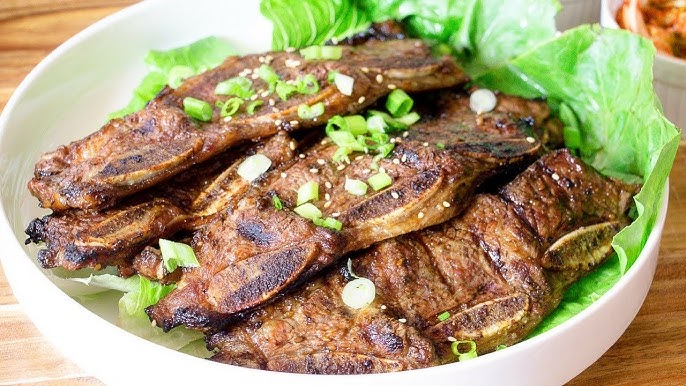
Kalbi Marinade Recipe: If you’ve ever walked into a Korean BBQ restaurant and caught the mouthwatering scent of sizzling, sweet-savory short ribs on the grill, chances are, you’ve experienced the magic of Kalbi (or Galbi). This beloved Korean dish features marinated beef short ribs that are grilled to perfection, juicy and tender with a beautifully caramelized exterior. What truly sets it apart is the marinade—an irresistible blend of soy sauce, sugar, garlic, and fruit that delivers a perfect punch of umami.
What makes Kalbi so special isn’t just the ingredients, but the balance. There’s sweetness from fruit or sugar, saltiness from soy sauce, a subtle garlicky kick, and that deep, soulful umami you can only get from perfectly aged beef and a thoughtfully crafted marinade. It’s comfort food, celebration food, and a showstopper all in one.
Whether you’re prepping for a weekend BBQ, a festive family dinner, or just craving something special, this homemade Kalbi marinade is about to be your new go-to. And trust me—you won’t need to dine out to experience Korean BBQ at its finest.
Origins of Kalbi
To truly appreciate Kalbi, it helps to understand where it comes from. Kalbi, meaning “rib” in Korean, refers to marinated beef short ribs that are grilled or broiled. It’s a staple in Korean households and a centerpiece of samgyeopsal gatherings or celebratory meals. In Korean BBQ culture, meat is not just food—it’s a ritual. It’s grilled at the table, shared with friends and family, and enjoyed with an array of side dishes called banchan.
Historically, beef was a luxury in Korea, so dishes like Kalbi were reserved for the wealthy or special occasions. Over time, the dish became more accessible and turned into a cultural phenomenon. While traditional Kalbi uses bone-in short ribs cut across the bone (called LA Galbi), you can also find boneless versions depending on personal preference.
What Makes a Perfect Kalbi Marinade?
The key to an unforgettable Kalbi lies in the marinade—it’s where all the flavor happens. The perfect marinade hits multiple flavor notes: sweet, salty, garlicky, and slightly fruity. A well-balanced marinade doesn’t just flavor the surface of the meat; it seeps in, tenderizing and transforming each bite into something incredible.
Here’s what you want to achieve:
- Sweetness: Usually from brown sugar or fruit like Asian pear.
- Saltiness: Soy sauce is the backbone.
- Aromatic Punch: Garlic and ginger elevate everything.
- Umami: Optional additions like sesame oil, fish sauce, or mirin bring depth.
Using a fruit like pear or kiwi isn’t just traditional—it helps tenderize the meat naturally thanks to their enzymes. And sesame oil? That nutty background flavor is what makes Kalbi unforgettable.
List of Ingredients You’ll Need
Here’s what you’ll need for an authentic and flavor-packed Kalbi marinade. Don’t worry—these are easy to find at most grocery stores or Asian markets.
Main Ingredients:
- 3–4 lbs beef short ribs (preferably flanken cut)
- ½ cup soy sauce (preferably Korean or low-sodium)
- ¼ cup brown sugar
- ¼ cup rice wine or mirin
- 2 tbsp sesame oil
- 1 Asian pear (peeled and grated) or 1 kiwi (optional tenderizer)
- 1 small yellow onion (grated or finely chopped)
- 4 cloves garlic (minced)
- 1 tbsp fresh ginger (grated)
- 1–2 green onions (sliced thin)
- 1 tsp freshly ground black pepper
- 1 tbsp sesame seeds
Optional Add-Ins:
- 1 tsp gochujang (Korean red chili paste) for heat
- 1 tbsp honey for extra sweetness
- A splash of Coke or Sprite (Korean secret tip!)
- 1 tbsp fish sauce for deeper umami
Ingredient Substitutions:
- No Asian pear? Try apple or kiwi as a tenderizer.
- No mirin? Use dry sherry or a mix of white wine and sugar.
- Gluten-free? Choose tamari or gluten-free soy sauce.
Tools You’ll Need
Before you dive into marinating, make sure you’ve got the right tools on hand to make your Kalbi cooking session smooth:
- Mixing bowls (preferably glass or ceramic)
- Measuring cups and spoons
- Microplane or grater (for pear/onion/ginger)
- Sharp knife and cutting board
- Tongs for flipping meat
- Grill or cast iron skillet (for cooking)
- Ziplock bags or airtight container (for marinating)
Having everything prepped ahead of time makes the process stress-free and fun.
Step-by-Step Guide to Making Kalbi Marinade
Step 1: Choosing the Right Cut of Meat
Kalbi is traditionally made with flanken-cut beef short ribs, sliced thin across the bone. This cut allows the marinade to penetrate quickly and cooks evenly. Look for ribs with good marbling for the best flavor and tenderness.
Step 2: Preparing the Beef Short Ribs
Rinse the short ribs under cold water and pat them dry with paper towels. If needed, trim excess surface fat. Place the ribs in a large bowl or resealable bag, ready for marinating.
Step 3: Creating the Marinade Base
In a blender or bowl, combine soy sauce, brown sugar, minced garlic, grated ginger, sesame oil, and pear or apple (grated or pureed). The fruit adds natural sweetness and helps tenderize the meat.
Step 4: Mixing and Combining Ingredients
Pour the marinade over the short ribs, ensuring all pieces are fully coated. Massage the marinade into the meat gently so it reaches every surface and crevice.
Step 5: Marinating Time and Tips
Cover and refrigerate the ribs for at least 2 hours. For deeper flavor, marinate overnight. Turn the meat occasionally to ensure even absorption. Avoid marinating longer than 24 hours to prevent mushy texture.
Step 6: Cooking Kalbi (Grill or Stove Options)
Grill the ribs over medium-high heat for 2–3 minutes per side until caramelized and cooked through. For stovetop cooking, use a hot grill pan or skillet and cook the same way. Serve hot with rice and fresh sides.
Tips for the Best Kalbi Every Time
Want Kalbi that turns heads? Here are a few top-tier tips to make your short ribs unforgettable:
- Use fresh ingredients – Fresh garlic, ginger, and pear make a big difference.
- Don’t skip the tenderizer – Asian pear, apple, or kiwi can dramatically improve texture.
- Grill over charcoal – It adds smokiness and that authentic Korean BBQ flavor.
- Let it rest – After cooking, let the meat rest for 5 minutes so the juices settle.
Avoid overcrowding your grill or pan. You want that sear and caramelization, not steam. And don’t forget to sprinkle on extra sesame seeds or green onions before serving for that restaurant-quality finish.
Serving Suggestions
Kalbi is incredibly versatile. Here’s how to serve it like a pro:
Traditional Korean Style:
- Serve with steamed white rice
- Add classic banchan (Korean side dishes): kimchi, pickled radish, spinach namul, bean sprouts
- Wrap pieces in lettuce leaves with rice, ssamjang (fermented dipping sauce), and garlic slices
Fusion Ideas:
- Kalbi tacos with slaw and spicy mayo
- Kalbi sliders with pickled cucumbers
- Kalbi rice bowls with fried egg and veggies
The sweet-savory flavor of Kalbi pairs beautifully with so many cuisines, so feel free to get creative!
Storage and Make-Ahead Tips
Leftovers: Store cooked Kalbi in an airtight container in the fridge for up to 4 days. Reheat gently in a pan or microwave with a splash of water to keep it moist.
Freezing: You can freeze uncooked Kalbi in its marinade for up to 3 months. Just thaw in the fridge overnight before cooking. You can also freeze just the marinade by itself and add fresh meat later.
Meal Prep Tip: Make a big batch of marinade and keep it in the fridge for up to a week. Use it on chicken, pork, or tofu for quick weeknight dinners.
Common Mistakes to Avoid
- Skipping the tenderizing fruit – Your Kalbi won’t be as soft or flavorful.
- Over-marinating – Especially with kiwi. Limit to 24 hours max.
- Using thick cuts of meat – Thin cuts absorb flavor better and cook faster.
- Cooking cold meat – Let the ribs come to room temp before grilling for even cooking.
Also, don’t skimp on grill heat. High heat is essential to sear and caramelize those sugars in the marinade!
How to Adjust for Dietary Needs
Everyone deserves to enjoy Kalbi—even if you’ve got dietary restrictions. With just a few simple tweaks, you can make this recipe fit almost any lifestyle.
For Gluten-Free Diets:
- Swap out regular soy sauce for tamari or a certified gluten-free soy sauce.
- Double-check ingredients like mirin or gochujang, as some brands may contain gluten. Look for gluten-free labels when in doubt.
For Low-Sugar or Keto Versions:
- Replace brown sugar with a keto-friendly sweetener like erythritol or monk fruit. Start with less, as these are often sweeter than sugar.
- Skip the fruit or choose a low-sugar fruit like a small amount of grated green apple.
- Limit or remove mirin, or use a sugar-free rice vinegar as a replacement.
Vegetarian/Vegan Adaptation:
- Replace beef with extra-firm tofu, seitan, or portobello mushrooms.
- Use the same marinade, but skip any animal-based optional additions (like fish sauce).
Making Kalbi work for your diet doesn’t mean losing flavor—it’s about smart swaps that keep the soul of the dish intact.
Nutrition Breakdown
Here’s a general idea of the nutritional profile for a serving of Kalbi (based on a 4 oz portion of marinated and grilled short ribs):
| Nutrient | Amount (Approx.) |
|---|---|
| Calories | 320–400 kcal |
| Protein | 20–25 g |
| Carbohydrates | 10–15 g |
| Sugars | 7–10 g |
| Fat | 25–30 g |
| Saturated Fat | 8–10 g |
| Sodium | 600–800 mg |
These values can vary depending on the cut of meat, marinade quantity, and cooking method. Want to lower the fat? Trim the ribs or try a leaner cut like ribeye or sirloin for a healthier version.
Pairing Kalbi with Drinks
A great Kalbi meal deserves the perfect drink to go with it. Whether you’re keeping it traditional or adding a modern twist, here are some tasty pairing ideas.
Korean Drinks:
- Soju – The classic! Light, crisp, and easy to drink.
- Makgeolli – A slightly sweet, milky rice wine that balances out savory meat.
- Bori-cha (Barley Tea) – A non-alcoholic, nutty tea served cold or warm.
Western Beverage Options:
- Beer – Light lagers or pale ales go great with grilled meat.
- Red wine – Choose a fruity Pinot Noir or Zinfandel to complement the sweetness of the marinade.
- Sparkling water or citrus soda – Refreshing and palate-cleansing.
If you’re going alcohol-free, Korean fruit punches like sujeonggwa (cinnamon punch) or sikhye (sweet rice drink) also add an authentic touch to the meal.
FAQs about Kalbi Marinade Recipe
1. How long should I marinate Kalbi?
Ideally, marinate for 12 to 24 hours. If you’re short on time, a minimum of 6 hours will still give decent flavor. Avoid going past 24 hours, especially if you’re using fruit like kiwi or pear, as it can over-tenderize the meat.
2. Can I use pork instead of beef?
Absolutely! Pork spare ribs or pork shoulder slices work great with the same marinade. The flavor profile pairs beautifully with pork, just adjust cook time since pork may cook faster than beef.
3. Is it necessary to use Asian pear?
Not strictly, but it’s highly recommended. Asian pear helps tenderize the meat and adds a subtle sweetness. If you can’t find one, use apple, kiwi, or even grated onion as a substitute.
4. Can I bake Kalbi in the oven?
Yes, if you don’t have a grill or stovetop pan. Preheat your oven to 400°F (200°C) and bake on a lined sheet for 15–20 minutes, flipping halfway. Broil for the last 2 minutes for caramelization.
5. How can I make it spicier?
Add 1–2 tablespoons of gochujang or Korean red pepper flakes (gochugaru) to the marinade. You can also drizzle with spicy mayo or serve with kimchi for a bold kick.
Conclusion
There’s a reason Kalbi has won the hearts (and stomachs) of food lovers worldwide. It’s the perfect harmony of savory, sweet, smoky, and tender. With the right ingredients, a bit of patience, and this step-by-step guide, you can recreate that iconic Korean BBQ flavor right in your kitchen.
Whether you’re firing up the grill on a sunny weekend or looking to impress guests at dinner, this Kalbi marinade recipe delivers every time. So roll up your sleeves, grab those ribs, and start marinating—you’re just a few steps away from flavor heaven.
Please don’t forget to leave a review.