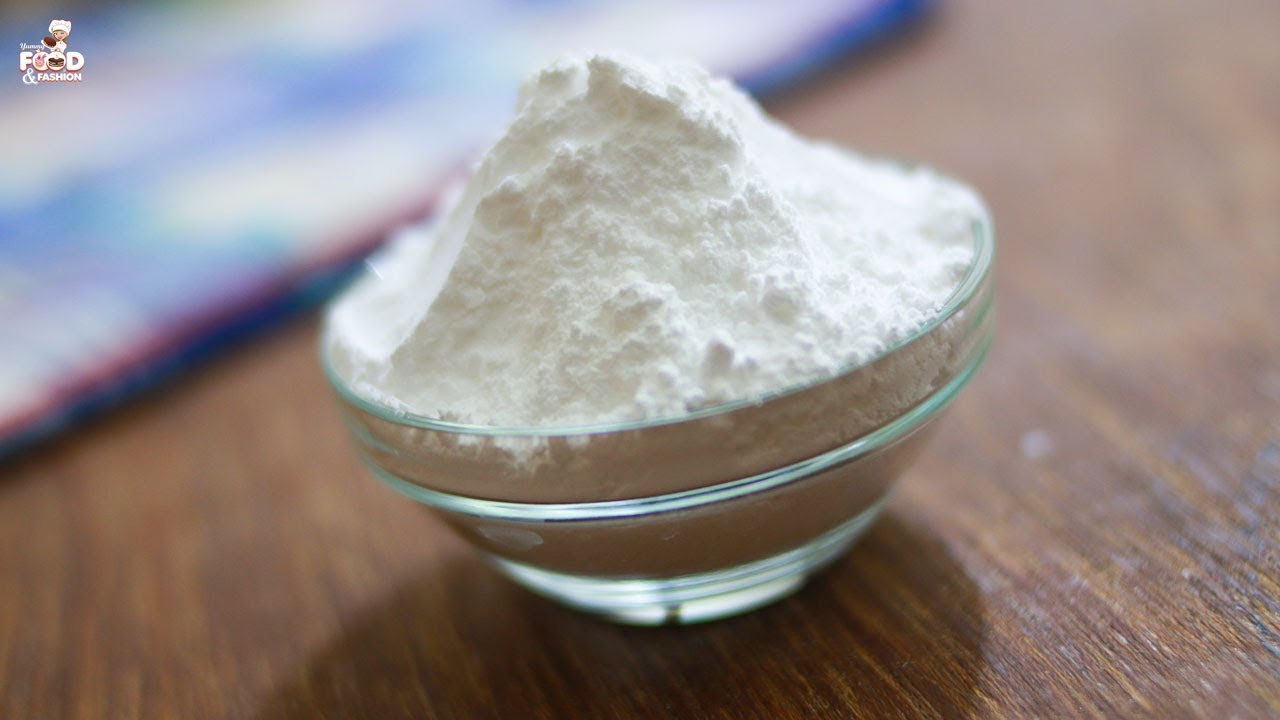
Icing Sugar Recipe: If you’ve ever run out of icing sugar right before finishing a batch of cupcakes, you know the panic. But here’s the good news—you can actually make your own icing sugar at home in just minutes! Also known as powdered sugar or confectioners’ sugar, icing sugar is a must-have in every baker’s kitchen. It’s the magic dust that makes buttercream fluffy, royal icing smooth, and donuts irresistible with that sweet dusting.
In this guide, you’ll learn exactly how to whip up icing sugar from scratch using ingredients you probably already have. Whether you’re baking a cake or just looking to save a trip to the store, making icing sugar at home is super easy, super quick, and super worth it. Let’s jump right in.
Benefits of Making Icing Sugar at Home
You might be wondering—why make it at home when it’s so easy to buy? Here’s why:
- It’s Cheaper: Buying granulated sugar in bulk is usually more affordable than pre-packaged icing sugar.
- No Preservatives: Store-bought versions often have anti-caking agents. Making your own gives you control over what’s in your sugar.
- Always Fresh: You make it as you need it, so it’s never clumpy or stale.
- Customizable: Want it ultra-fine or with a hint of vanilla? You’ve got the control.
Honestly, once you see how fast and simple it is, you may never buy a bag again.
List of Ingredients You’ll Need
Here’s what you need to make icing sugar at home:
- 1 cup of granulated white sugar – The base of your icing sugar.
- 1 tablespoon of cornstarch (optional) – Helps prevent clumping and keeps the sugar light and airy.
That’s it. Just two ingredients—and even the second one is optional. If you’re using the icing sugar immediately, feel free to skip the cornstarch. But if you plan on storing it, adding it is a smart move.
Kitchen Tools Required
Before we dive into the steps, gather your tools:
- Blender or food processor – High-speed models work best for a fine powder.
- Measuring cups and spoons – Precision helps maintain the right texture.
- Fine mesh sieve – For sifting the finished product.
- Airtight container or jar – For storing the sugar.
Using the right tools makes a big difference in the final texture. A spice grinder or high-powered blender like a NutriBullet works wonders for extra-fine powder.
Step-by-Step Guide to Make Icing Sugar
Let’s get to the fun part—making it!
Step 1: Measure the Granulated Sugar
Start by pouring 1 cup of granulated sugar into your blender or food processor. This is your base. The finer the starting sugar (castor sugar works well too), the faster you’ll get that fluffy powdered texture.
Step 2: Add Cornstarch (Optional)
Add 1 tablespoon of cornstarch if you want to prevent clumps during storage. This helps keep the sugar dry and flowy, especially in humid climates.
Step 3: Blend Until Powdery Fine
Now, put the lid on and blend. Start slow, then increase the speed. Blend for about 30 to 60 seconds or until the sugar becomes a fine, fluffy powder. If you’re using a high-powered blender, this might take even less time.
Pro Tip: Pause and shake the blender or scrape down the sides if the sugar starts sticking.
Step 4: Check the Texture
Open the lid (carefully, there will be sugar dust!). Feel the sugar between your fingers. It should feel soft and powdery, not gritty.
Step 5: Sift for Best Results
Use a fine mesh sieve to sift the icing sugar into a bowl. This removes any remaining granules or clumps, giving you the smoothest result.
Step 6: Store Properly
Transfer the sifted icing sugar into an airtight container. Label it with the date and ingredients, and keep it in a cool, dry place.
How to Know If It’s the Right Consistency
So, how can you tell if your homemade icing sugar is ready to go? It all comes down to texture. Icing sugar should be ultra-fine and fluffy—almost like baby powder. Here’s how to test if you nailed the consistency:
- Touch Test: Rub a pinch between your fingers. If it feels completely smooth, it’s ready. Any grittiness means it needs more blending.
- Spoon Test: Drop a bit into a glass of water. If it dissolves almost instantly without sinking in chunks, that’s a good sign.
- Visual Check: It should look matte white and not sparkle like granulated sugar.
If you’re not getting the right result, just blend it again in short bursts. You can’t really over-blend, but you can overheat the sugar, so short pulses are best.
Common Mistakes to Avoid
Making icing sugar sounds foolproof, but there are a few easy missteps that can mess things up. Here’s what to watch out for:
- Overheating the Sugar
Running the blender too long without breaks can warm up the sugar, making it clump or melt slightly. This leads to a sticky, unusable mess. - Not Adding Cornstarch (When Storing)
If you’re storing your icing sugar and skipping cornstarch, be prepared for clumps. It’s okay to skip it for same-day use, but not for long-term storage. - Using the Wrong Type of Sugar
Brown or coarse sugar doesn’t blend as finely and affects the color and texture. Stick with white granulated or castor sugar. - Not Sifting
This step might seem optional, but it’s a game-changer. Sifting gives your icing sugar that pro-level smoothness.
Avoiding these simple mistakes ensures you get silky, perfect icing sugar every single time.
Different Uses of Icing Sugar
You might think icing sugar is just for frostings, but it’s actually a versatile hero in the baking world. Check out these popular uses:
- Frostings & Buttercream: It dissolves easily, making it perfect for smooth frostings.
- Royal Icing: Essential for cookie decorating.
- Dusting on Desserts: Adds a beautiful, elegant finish to cakes, brownies, donuts, and more.
- Glazes & Drizzles: Mixed with milk, lemon juice, or extracts, it becomes the base for a quick glaze.
- Homemade Whipped Cream: Icing sugar keeps the whipped cream light and sweet without graininess.
Honestly, if you love baking, keeping a stash of icing sugar on hand (or knowing how to make it in minutes) is a total game-changer.
Icing Sugar vs Powdered Sugar vs Confectioners’ Sugar
This one confuses a lot of people. Are they the same thing? The short answer is—yes, most of the time. But let’s break it down:
- Icing Sugar – Common term in the UK, Australia, and other parts of the world.
- Powdered Sugar – Used mostly in the US and Canada.
- Confectioners’ Sugar – Also US-based, usually refers to powdered sugar with a small percentage (around 3%) of cornstarch added.
So unless you’re following a super technical recipe, you can treat all three as the same ingredient.
How to Store Icing Sugar Properly
If you’re going to make icing sugar in bulk, storage matters. Poor storage leads to clumps, moisture absorption, and weird smells. Here’s how to keep it fresh:
- Use an Airtight Container: This keeps out moisture and air, which can cause clumping.
- Store in a Cool, Dry Place: Humidity is icing sugar’s enemy. A pantry or cupboard away from the stove is ideal.
- Avoid Direct Sunlight: Light and heat can degrade the sugar and cornstarch.
You can even toss in a food-safe silica packet to help absorb any moisture—just don’t forget it’s in there!
How Long Does Homemade Icing Sugar Last?
When stored properly, homemade icing sugar can last up to 1–2 years. Here’s what affects shelf life:
- Storage Conditions: Airtight and dry storage can significantly extend its usability.
- Presence of Cornstarch: Helps prevent clumping and preserves texture longer.
- Exposure to Moisture: Even a little humidity can shorten its shelf life dramatically.
Always give it a quick check before use. If it’s clumped or smells off, it’s better to toss and make a fresh batch.
Can You Flavor Icing Sugar?
Yes, and this is where things get fun. You can absolutely flavor your icing sugar to give your desserts a little twist.
- Vanilla Sugar: Blend in a few drops of vanilla bean powder or dried vanilla.
- Citrus Sugar: Add dried lemon or orange zest.
- Chocolate Sugar: Mix in unsweetened cocoa powder for a chocolaty version.
Just remember to keep any added flavors dry to avoid moisture issues. A good rule: keep flavoring additions under 10% of the total sugar weight.
Is Icing Sugar Vegan and Gluten-Free?
Most of the time, icing sugar is naturally vegan and gluten-free, but it’s always smart to double-check, especially if you’re making it for someone with allergies or dietary restrictions.
For Vegans:
- Sugar itself is plant-based, but in some countries, certain brands of white sugar are processed with bone char, which isn’t vegan-friendly.
- To be safe, look for organic, raw, or vegan-certified sugar when buying granulated sugar for your homemade icing sugar.
For Gluten-Free Diets:
- Pure granulated sugar contains no gluten.
- Cornstarch is also naturally gluten-free, but it’s important to check for certified gluten-free labeling if cross-contamination is a concern.
If you’re replacing cornstarch with another anti-caking agent, such as arrowroot powder or tapioca starch, make sure those alternatives are gluten-free and processed in a safe facility too.
Scaling the Recipe for Larger Batches
Got a big baking day coming up? You can totally scale this recipe up to make a bigger batch. Here’s how to keep the ratio just right:
Basic Ratio:
- For every 1 cup of granulated sugar, add 1 tablespoon of cornstarch.
Scaling Examples:
| Granulated Sugar | Cornstarch |
|---|---|
| 1 cup | 1 tbsp |
| 2 cups | 2 tbsp |
| 4 cups | 4 tbsp |
| 10 cups | 10 tbsp |
Tips for Scaling:
- Blend in Batches: Don’t overfill your blender. It’s better to make smaller batches and mix them together afterward.
- Label Your Container: If you’re storing a large amount, label it with the date and ingredients to avoid confusion later.
- Re-sift Before Use: Even with cornstarch, large batches can clump over time. Give it a quick sift before using in frostings or dusting.
Scaling up is perfect for frequent bakers or when prepping ahead for special occasions like birthdays or holidays.
Final Thoughts and Tips for Perfect Icing Sugar
Homemade icing sugar is one of those little kitchen hacks that saves time, money, and stress. And once you try it, you might wonder why you ever bought the boxed stuff to begin with. It takes less than 5 minutes, uses only one or two ingredients, and works exactly like store-bought icing sugar—sometimes even better!
Quick Tips Recap:
- Use white granulated sugar for best results.
- Add cornstarch if you’re storing it for later.
- Blend in short bursts to avoid overheating.
- Always sift for the silkiest texture.
- Store in a cool, dry place inside an airtight container.
The beauty of making icing sugar at home is the control you have—not just over the texture and amount, but also over the quality. No fillers, no preservatives—just pure, fluffy sugar ready to take your desserts to the next level.
FAQs about Icing Sugar Recipe
1. Can I use brown sugar to make icing sugar?
Technically yes, but it’ll give you a different result. Brown sugar has more moisture and molasses content, so the final product won’t be as light and fluffy. It’s better for specific recipes like spiced frostings or flavored glazes.
2. How do I fix lumpy icing sugar?
Just sift it! A fine mesh sieve or flour sifter will break up any clumps and give you a smooth texture again. If it’s really lumpy, give it a quick pulse in the blender.
3. Is cornstarch necessary?
Not at all—if you’re using the icing sugar immediately. But if you plan to store it, cornstarch helps prevent clumping. You can also use arrowroot powder as a substitute.
4. Can I use icing sugar in place of granulated sugar?
Only in certain recipes. Icing sugar dissolves more easily and changes the texture of baked goods. It’s great for frostings and glazes but not ideal for recipes that call for creaming butter and sugar.
5. How fine should icing sugar be?
It should be powdery fine—think of baby powder or dust. If it feels gritty or coarse, blend it again until it becomes silky smooth.
Conclusion
And there you have it—your complete guide to making icing sugar at home. With just a blender, some granulated sugar, and optional cornstarch, you can whip up bakery-quality powdered sugar anytime you need it. Whether you’re dusting your brownies, mixing up a glossy glaze, or preparing the perfect buttercream, homemade icing sugar is a total lifesaver.
It’s quick, customizable, and just plain smart to have this recipe in your baking toolbox. Once you try it, you’ll never look at the store-bought version the same way again.