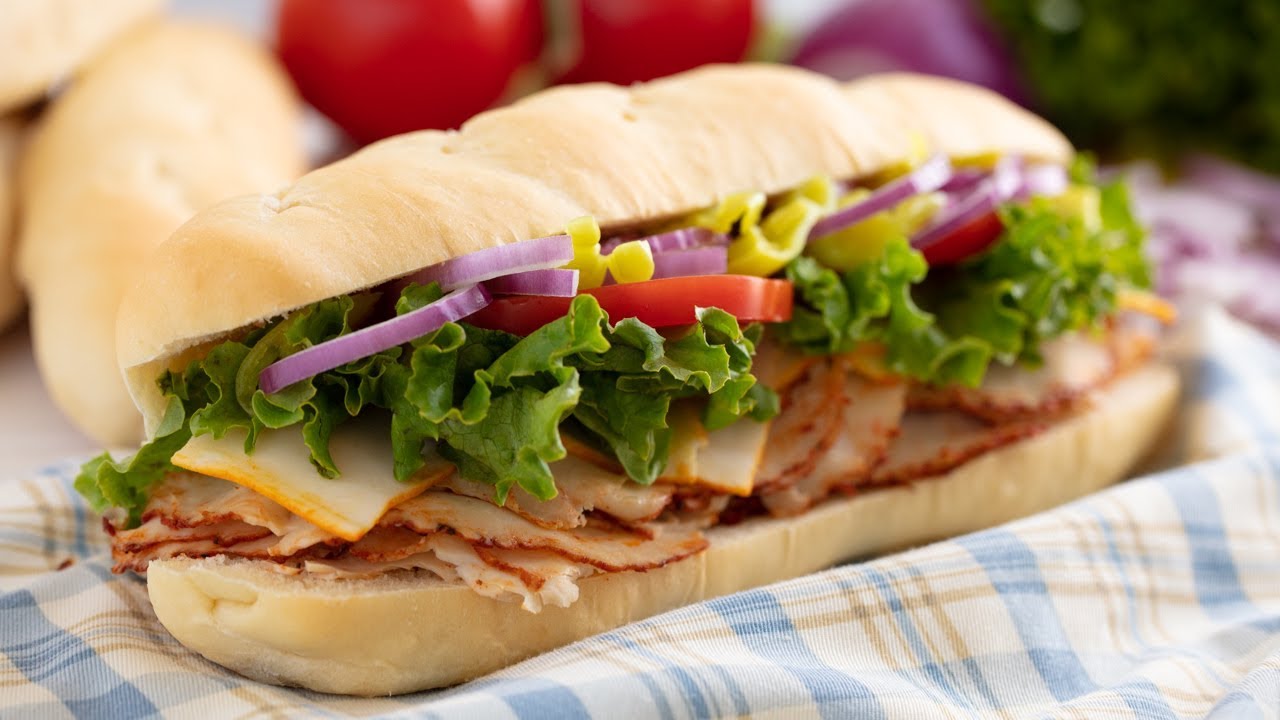
Hoagie Bread Recipe: Hoagie bread, also known as a sub roll or hero roll, is the unsung hero of every delicious sandwich. Whether you’re building a loaded Philly cheesesteak or a fresh Italian cold cut sub, the bread is the foundation that holds all the magic together. So, what makes hoagie bread so special? It’s all in the texture—soft and tender on the inside with a slight chew on the outside. Store-bought rolls can get the job done, but homemade hoagie bread? Now that’s a game-changer.
Making hoagie rolls at home allows you to control every aspect: the crust, the flavor, the softness, and even the shape. You don’t need to be a professional baker or have fancy equipment. If you’ve got a bowl, your hands, and a little bit of patience, you’re already halfway there. And trust me, once you’ve made these rolls from scratch, you’ll never want to go back to the bagged version again.
Benefits of Homemade Hoagie Rolls
There are so many reasons why making hoagie rolls from scratch is a win. First off, nothing beats the taste and aroma of fresh bread baking in your kitchen. It’s like a warm hug from your oven. Then there’s the texture. Homemade hoagie bread has that perfect balance between fluffiness and structure—it holds up to sauces and fillings without falling apart.
And let’s not forget about the customization. Want them a little sweeter? A bit more salt? Maybe add herbs or sprinkle sesame seeds on top? You get to be the boss of your bread. Plus, you’ll save money in the long run. No more overpriced bakery rolls. Just pure, golden, bakery-style goodness made right in your home.
Essential Tools You’ll Need
Before diving in, gather your tools. You don’t need a commercial kitchen, but a few essentials make the process smoother.
- Mixing bowl: Large enough to handle the dough expansion.
- Measuring cups and spoons: Accuracy matters in baking!
- Kitchen scale (optional but helpful): For precise measurements.
- Dough scraper: To lift and shape dough easily.
- Baking sheet or baguette pan: For shaping and baking.
- Clean kitchen towel or plastic wrap: For covering during proofing.
- Oven-safe dish for steam: Helps create that beautiful crust.
These simple tools will help you through the process and ensure your bread turns out bakery-perfect.
Ingredients You’ll Need for Hoagie Bread
Here’s your classic ingredient list for the perfect hoagie bread. Nothing fancy—just simple ingredients working together in harmony.
- 4 cups (500g) bread flour
- 1 1/4 cups (295ml) warm water (about 110°F / 43°C)
- 2 tablespoons sugar
- 1 tablespoon active dry yeast
- 2 tablespoons vegetable oil (or olive oil)
- 1 1/2 teaspoons salt
- 1 egg white + 1 tablespoon water (for egg wash)
Optional add-ins:
- Sesame seeds, poppy seeds for topping
- Dried herbs like oregano or garlic powder in the dough
Fresh, quality ingredients make all the difference. Use unbleached bread flour for better gluten development and structure.
Understanding Each Ingredient’s Role
Every ingredient here plays a starring role in your bread’s performance.
- Bread flour: High protein = strong gluten network. This gives hoagie rolls that classic chew and ability to hold hefty fillings.
- Warm water: Activates the yeast. Water that’s too hot can kill it, too cold and it won’t wake up.
- Sugar: Feeds the yeast and gives the rolls a lightly sweet undertone.
- Yeast: The life force of your bread. Yeast makes your dough rise and creates that fluffy interior.
- Oil: Adds softness to the dough, helping your hoagie rolls stay tender.
- Salt: Balances flavor and controls yeast activity so things don’t go wild.
Understanding this helps you tweak the recipe later, depending on your personal taste and environment.
Preparation Tips Before You Begin
Baking bread is part science, part art. Here are some tips to set yourself up for success:
- Use room temperature ingredients unless otherwise stated. Cold ingredients can slow fermentation.
- Proof yeast before using if it’s been sitting in your pantry. Add it to warm water with sugar and wait 5–10 minutes until bubbly.
- Find a warm, draft-free space for rising. An oven (turned off) with the light on works great.
- Avoid adding too much flour. The dough will be slightly sticky—that’s normal. Adding extra flour too early leads to dry, dense bread.
Take your time and enjoy the process—it’s therapeutic, really.
Step-by-Step Guide to Making Hoagie Bread
Here’s your foolproof guide to baking golden, fluffy hoagie rolls from scratch.
1. Activate the Yeast
In a small bowl, mix warm water, sugar, and yeast. Let it sit for about 5-10 minutes until frothy. If there’s no activity, your yeast might be expired—start over with a fresh packet.
2. Make the Dough
In a large mixing bowl, combine the bread flour and salt. Add the yeast mixture and oil. Stir until it forms a shaggy dough, then knead by hand or with a stand mixer for 8–10 minutes until smooth and elastic.
3. First Rise
Shape the dough into a ball, place it in an oiled bowl, and cover with plastic wrap or a clean towel. Let it rise for 1–1.5 hours or until doubled in size.
4. Divide and Shape
Punch down the dough and divide into 6–8 equal pieces. Roll each piece into a log shape, about 6–8 inches long. Place on a parchment-lined baking sheet with a bit of space in between.
5. Second Rise
Cover the rolls and let them rise again for about 30–45 minutes, until puffy.
6. Preheat and Bake
Preheat oven to 375°F (190°C). Brush rolls with egg wash for shine. Optionally, slash the tops with a sharp knife. Bake for 18–22 minutes until golden brown.
How to Shape Hoagie Rolls Like a Pro
Shaping your hoagie rolls correctly can make the difference between a bakery-style sub and a lopsided mess. While it might seem tricky at first, once you get the hang of it, it’s actually pretty fun and therapeutic. Let’s break it down step by step so your rolls come out smooth, even, and ready to cradle the tastiest sandwich fillings.
First, after your dough has completed its first rise, turn it out onto a lightly floured surface. Press it gently to release any excess air—don’t punch it like it stole your lunch money! Divide the dough evenly; if you’re a stickler for symmetry, use a kitchen scale so all your rolls are the same size. This ensures even baking.
Now, take one piece of dough and flatten it slightly into a rectangle. Fold one long edge over to the center and press it down. Then fold the other edge over and seal it tightly to form a seam. Flip the roll seam-side down, and gently roll it back and forth to stretch it into a hoagie shape—about 6 to 8 inches long.
Try to avoid over-flouring your surface, or your dough won’t grip enough to shape properly. Keep the ends rounded, not pointy, unless you prefer a torpedo-style sub. Once shaped, place each roll onto your parchment-lined baking sheet with space between them to allow for expansion during the second rise.
Practice makes perfect. The more you shape, the better your rolls will look. And hey, even the odd-looking ones will taste just as amazing.
Perfect Baking Tips
Want that golden crust with a soft, fluffy interior? Of course you do. The magic happens in the oven—but only if you set it up right.
First, always preheat your oven thoroughly. A hot oven is critical for proper oven spring (the initial rise of your dough when it hits the heat). Aim for 375°F (190°C) and make sure your rack is in the middle.
Now let’s talk steam. Steam in the oven during the first few minutes of baking helps develop a thinner, crisper crust. You can achieve this by placing a metal baking dish on the bottom rack while the oven preheats. When you’re ready to bake, pour about 1 cup of hot water into that pan and quickly shut the oven door. The steam will do its thing.
Position your hoagie rolls in the center rack and set a timer for 18–22 minutes. Keep an eye on them—they should turn a lovely golden brown. If you tapped the bottom of one and it sounds hollow, you’re golden.
Avoid opening the oven door too early or too often. That causes heat loss and can ruin your rise. Also, resist the urge to overbake; these are meant to be soft rolls, not crusty artisan baguettes.
Common Mistakes to Avoid
Even seasoned bakers trip up sometimes, but most hoagie bread mishaps are totally avoidable. Here are a few common ones—and how you can sidestep them.
1. Using Cold Water: Yeast needs warmth to activate. Cold water slows fermentation or prevents it entirely. Always use water around 105–110°F.
2. Overproofing: Letting the dough rise too long can weaken the structure, causing the rolls to collapse or taste overly yeasty. Stick to the timing, and use the poke test: if the dough springs back slowly, it’s ready.
3. Underproofing: Dough that hasn’t risen enough will be dense and chewy—in a bad way. Give it time, and be patient.
4. Adding Too Much Flour: Yes, the dough will be a little sticky. Don’t keep dumping flour in or your rolls will turn out dry and tough. Trust the process and focus on kneading rather than flouring.
5. Not Using Steam in the Oven: This helps create that signature soft crust. Skipping this step might still give you a decent roll, but it won’t be quite the same.
Avoid these common pitfalls and your hoagie bread will come out pretty close to perfect every single time.
How to Store and Reheat Hoagie Bread
You’ve made a beautiful batch of hoagie rolls—now what? The good news is, they store pretty well, and even taste great reheated if done right.
Storing at Room Temperature: Let the rolls cool completely before storing. Then, wrap them in foil or keep them in an airtight container or zip-top bag. Stored properly, they’ll stay fresh for up to 3 days.
Freezing for Later: Want to stock up? Freeze them! Wrap each roll individually in plastic wrap and then place them all in a freezer bag. They’ll keep for up to 2 months. To thaw, just leave them out at room temperature for a few hours or overnight in the fridge.
Reheating Tips: To bring back that just-baked softness, wrap the roll in foil and warm it in a 300°F oven for 10 minutes. Or if you’re in a rush, a quick zap in the microwave for 15 seconds will do the trick—but don’t overdo it or they’ll turn chewy.
Serving Suggestions
Now here comes the fun part—eating your delicious hoagie bread! These rolls are incredibly versatile and pair perfectly with a wide range of sandwich fillings.
Classic Ideas:
- Philly cheesesteak (grilled beef, onions, peppers, and melted cheese)
- Italian sub (salami, ham, provolone, lettuce, tomato, oil, and vinegar)
- Meatball sub (saucy meatballs with mozzarella)
Creative Twists:
- Breakfast hoagie (scrambled eggs, bacon, and cheese)
- Chicken parmesan sub (breaded chicken, marinara, mozzarella)
- Grilled veggie sandwich (zucchini, mushrooms, hummus, feta)
You can even use leftover rolls for garlic bread, croutons, or sub roll pizzas. Once you taste your homemade hoagie bread, you’ll find all kinds of ways to enjoy it.
Variations to Try
Once you’ve mastered the classic hoagie roll, why not experiment a little? Playing with ingredients and toppings can lead to some seriously exciting (and delicious) results. Here are a few crowd-pleasing variations to spice things up:
1. Whole Wheat Hoagie Rolls
Looking for a healthier option? Swap out half (or all) of the bread flour for whole wheat flour. Keep in mind, whole wheat absorbs more moisture, so you might need to add a bit more water. These rolls will have a slightly nuttier taste and denser texture—perfect for heartier fillings like grilled chicken or roasted veggies.
2. Garlic Butter Infused
Before baking, brush the tops with melted garlic butter instead of the traditional egg wash. You can even add a sprinkle of parsley or parmesan cheese for extra flair. These are amazing served warm as garlic bread subs or even just on their own with soup.
3. Seed-Topped Variants
Want to add texture and flavor? Roll the tops of your proofed dough in sesame seeds, poppy seeds, or everything bagel seasoning before baking. Not only do they look more appealing, but they also add a satisfying crunch and extra taste.
4. Herb-Infused Dough
Add 1–2 teaspoons of dried Italian herbs, garlic powder, or onion powder directly into the dough during mixing. This gives your rolls a savory, aromatic twist that’s perfect for meatball or sausage sandwiches.
5. Mini Hoagie Rolls
Use the same recipe but divide the dough into smaller portions. These are great for party sliders or kid-friendly sandwiches. Just shorten the baking time by a few minutes.
Baking your own hoagie bread opens up a whole world of possibilities—don’t be afraid to get creative and make it your own!
FAQs about Hoagie Bread Recipe
Q1: Can I use all-purpose flour instead of bread flour?
Yes, you can. However, bread flour has a higher protein content which gives your hoagie rolls that chewy, bakery-style texture. All-purpose will work in a pinch, but the results may be slightly softer and less structured.
Q2: Why is my dough not rising?
Most likely, the yeast wasn’t activated properly. Make sure your water is warm (not hot) and that your yeast is still active (check the expiration date). Cold kitchen temperatures can also slow down the rise, so try moving the dough to a warmer area.
Q3: How do I get that golden, glossy top on the rolls?
That comes from the egg wash! Beat an egg white with a tablespoon of water and brush it over the rolls just before baking. It helps give the crust that classic shine.
Q4: Can I make the dough ahead of time?
Yes! After kneading, cover the dough and place it in the fridge overnight for a slow rise. Bring it to room temperature the next day, then shape, proof, and bake as usual. This method can even enhance the flavor.
Q5: How do I keep my hoagie rolls soft?
Avoid overbaking, and store them in a sealed container or wrapped in plastic once completely cooled. You can also add a small slice of bread or a piece of apple in the container to maintain moisture.
Conclusion
There’s something truly satisfying about baking your own hoagie bread. From mixing the dough to shaping the rolls and finally pulling golden, fluffy loaves from the oven—every step is a small celebration. It’s more than just bread; it’s the foundation for every epic sandwich you’ll ever make.
Whether you’re a first-time baker or someone just looking to improve your sandwich game, this recipe has everything you need. It’s simple, customizable, and incredibly rewarding. Once you try it, you’ll never look at store-bought rolls the same way again.
So, roll up your sleeves, preheat that oven, and get baking—because nothing beats the smell (and taste) of fresh, homemade hoagie bread!