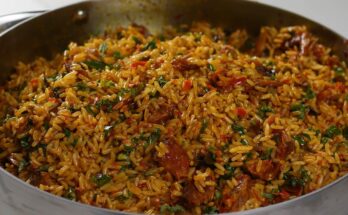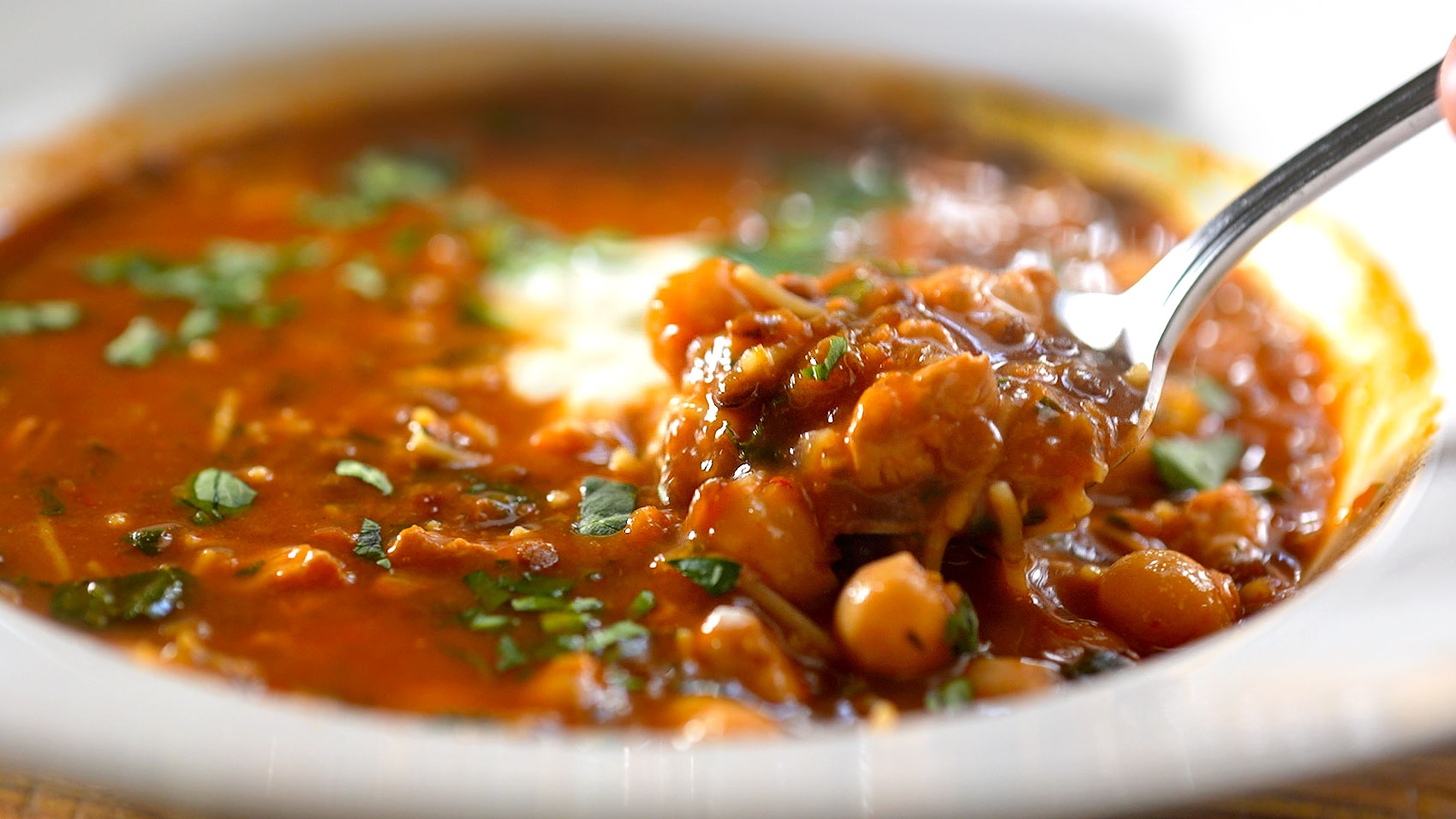
Harira Recipe: Harira isn’t just a soup—it’s a warm, hearty hug in a bowl. A beloved Moroccan classic, this soup is much more than just a culinary staple; it’s a tradition, a comfort food, and a symbol of togetherness.
From its rich, tomato-based broth to the aromatic spices that infuse every spoonful, Harira has earned its spot in the hall of fame of North African cuisine. Whether you’re familiar with it or discovering it for the first time, you’re in for a treat.
We’re about to walk through everything you need to know to make the perfect bowl of Harira at home—just like it’s made in Moroccan homes during Ramadan and beyond.
Origin and Cultural Significance of Harira
Harira traces its roots to Morocco and is especially popular in Algeria and Tunisia. Traditionally served to break the fast during Ramadan, Harira symbolizes nourishment and gratitude. But its story doesn’t stop there. This soup has evolved, adapted, and traveled across generations, weaving itself into daily family meals, celebrations, and winter comfort food. It’s often enjoyed with dates, hard-boiled eggs, lemon slices, and warm bread.
What makes Harira so culturally powerful is how it connects people—families gather, pots simmer for hours, and the aroma alone is enough to bring everyone to the table. It’s more than food; it’s a ritual. And once you experience the process and the taste, you’ll understand why Harira holds such a special place in so many hearts.
Why Harira is So Popular During Ramadan
You’ll hear the call to Maghrib prayer, and within seconds, homes across Morocco fill with the scent of freshly cooked Harira. Why? Because Harira is both light and nourishing—perfect after a long day of fasting. It restores energy without being too heavy and is loaded with protein, fiber, and vitamins.
The balance of legumes, meat, vegetables, and spices makes Harira a one-pot wonder that replenishes and comforts. It’s the kind of dish that helps you pause, breathe, and soak in the essence of Ramadan—a time of reflection, community, and gratitude. Even outside of Ramadan, many choose Harira as their go-to comfort food.
Health Benefits of Harira
Besides its comforting taste, Harira is also a nutritional powerhouse. Packed with:
- Protein: From meat, lentils, and chickpeas.
- Fiber: Aids digestion and keeps you full longer.
- Antioxidants: Tomatoes, parsley, celery, and spices fight inflammation.
- Iron and Zinc: Boost immunity and energy levels.
- Low Fat: When made traditionally, Harira contains minimal oil.
This makes it a healthy choice for anyone looking to eat well without compromising flavor.
List of Ingredients You’ll Need
Now, let’s get down to business. Here’s a complete list of what you’ll need to whip up an authentic pot of Harira.
Protein Sources
- 250g lamb, beef, or chicken (cubed)
- 1 handful of broken vermicelli or rice (optional for added bulk)
Vegetables and Aromatics
- 1 large onion, finely chopped
- 2 celery sticks with leaves, chopped
- 1 handful of fresh cilantro (coriander), finely chopped
- 1 handful of fresh parsley, finely chopped
- 1 large tomato, grated or blended
- 1 tbsp tomato paste
Spices and Herbs
- 1 tsp ground ginger
- 1 tsp ground turmeric
- 1 tsp cinnamon (optional)
- 1.5 tsp black pepper
- Salt to taste
Legumes and Grains
- 1/2 cup lentils (soaked for 30 mins)
- 1/2 cup chickpeas (soaked overnight or canned)
- 2 tbsp flour mixed with water (to thicken the soup)
Liquids and Optional Add-ins
- 1.5 to 2 liters water or broth
- Juice of half a lemon (for brightness)
- Olive oil or vegetable oil for sautéing
Kitchen Tools Required
To make this process smooth and stress-free, gather these tools:
- Large heavy-bottomed pot or Dutch oven
- Blender or grater (for the tomatoes)
- Cutting board and sharp knife
- Wooden spoon or ladle
- Measuring cups and spoons
- Small bowl for mixing flour and water slurry
How to Prep Your Ingredients Like a Pro
Before we jump into cooking, prepping makes all the difference:
- Chop everything beforehand. From herbs to celery to meat, having things ready helps avoid chaos later.
- Soak legumes. Overnight for chickpeas and at least 30 minutes for lentils to speed up cooking.
- Mix your spices. Create a spice blend to dump in quickly.
- Prepare the flour slurry. Mix 2 tablespoons of flour with 1/2 cup of cold water until smooth. Set aside.
This step saves time, reduces mess, and keeps your focus where it matters—in the pot.
Step-by-Step Guide to Making Harira
Now the fun begins. Let’s take this step by step.
Step 1: Preparing the Base
Begin by gathering your ingredients. You’ll need diced onions, celery, fresh herbs (cilantro and parsley), tomatoes, legumes, spices, meat, and broth. Rinse and soak chickpeas if using dried ones, and measure out lentils so everything is ready before cooking.
Step 2: Sautéing the Aromatics
Heat a large pot over medium heat with a little oil. Add chopped onions and celery, cooking until soft and fragrant. Stir in minced garlic along with chopped cilantro and parsley. This aromatic base gives Harira its signature depth.
Step 3: Cooking the Meat
Add small pieces of lamb or beef to the pot. Stir well to coat with the aromatics and cook for a few minutes until lightly browned. This step builds a rich, savory foundation for the soup.
Step 4: Adding Legumes and Spices
Add soaked chickpeas and lentils to the pot. Season with spices such as ginger, turmeric, cinnamon, black pepper, and salt. Stir well so the spices evenly coat the ingredients.
Step 5: Simmering the Soup
Pour in water or broth until everything is well covered. Bring to a gentle boil, then reduce heat and let the soup simmer for 45–60 minutes. Stir occasionally and skim off any foam for a clean broth.
Step 6: Adding Tomatoes and Thickening
Stir in blended fresh tomatoes or tomato puree. To thicken the soup, add a mixture of flour and water or a spoon of cooked lentils blended smooth. Simmer for another 10–15 minutes until slightly thickened.
Step 7: Finishing Touches
Taste and adjust seasoning. Add freshly chopped herbs and a squeeze of lemon juice for brightness. Serve hot, traditionally with dates or bread, for a comforting and nourishing meal.
Common Variations of Harira
Harira is a deeply traditional recipe, but it also welcomes creativity. Here are a few popular variations:
- With rice instead of vermicelli – Adds a denser, creamier texture.
- Using chicken instead of lamb – Great for a lighter version.
- Spicy Harira – Add a chopped chili or some harissa for heat.
- No flour version – Use blended lentils or rice for natural thickening.
Each household has its signature twist—try different variations to find yours.
Vegan and Vegetarian Harira Options
Harira without meat is just as delicious and satisfying. Here’s how to make it vegetarian or vegan:
- Skip the meat – Load up on lentils and chickpeas for protein.
- Use vegetable broth – Adds depth without animal products.
- Add extra veggies – Zucchini, carrots, or potatoes work wonderfully.
- Enhance the flavor – Use smoked paprika, cumin, or a splash of soy sauce for that umami punch.
The result is a wholesome, nutrient-rich bowl that even meat lovers will enjoy.
Best Side Dishes to Serve with Harira
Harira is often served with side dishes that enhance the experience. Here are some top pairings:
- Warm flatbread or Moroccan khobz – Perfect for dipping.
- Hard-boiled eggs with cumin and salt – A traditional Ramadan pairing.
- Fresh dates or dried fruits – A sweet and nutritious contrast.
- Lemon wedges – For a fresh, citrusy bite.
- Olives and pickles – To cut through the richness.
The key is to balance textures and flavors. These sides make the meal feel complete.
Tips for Making the Perfect Harira
Want to take your Harira to the next level? Keep these tips in mind:
- Use fresh herbs generously – They brighten up the whole dish.
- Don’t rush the simmering time – Patience builds flavor.
- Add vermicelli late – Prevents it from getting mushy.
- Always taste as you go – Adjust seasoning little by little.
- Let it sit before serving – It tastes even better after resting.
With a little practice, your Harira will become a personal favorite and a crowd-pleaser.
How to Store and Reheat Harira
Got leftovers? Harira stores beautifully.
- Refrigerate in airtight containers for up to 4 days.
- Reheat gently on the stove or in the microwave. Add a bit of water or broth to loosen it up as it thickens in the fridge.
- Avoid reheating multiple times – Portion it out before storing for convenience.
Harira also develops deeper flavor overnight, making it ideal for meal prep or next-day enjoyment.
Make-Ahead and Freezing Instructions
Want to prepare Harira ahead of time or store it long-term?
- Make a large batch and freeze in smaller containers.
- Freeze without vermicelli or rice – Add fresh when reheating for best texture.
- Use freezer-safe containers – Leave space at the top for expansion.
- Thaw overnight in the fridge before reheating.
Freezing Harira means comfort is always just a warm-up away—ideal for busy weeks or unexpected guests.
FAQs about Harira Recipe
1. Can I make Harira in a pressure cooker?
Yes! Use the sauté function to cook the aromatics and meat, then pressure cook for 20–25 minutes. Add vermicelli and flour slurry afterward on sauté mode.
2. What’s the best meat for Harira?
Lamb is traditional, but beef and chicken work great too. Use bone-in cuts for extra flavor if possible.
3. Is Harira gluten-free?
You can make it gluten-free by skipping vermicelli and using cornstarch or a gluten-free flour slurry.
4. Can I use canned chickpeas and lentils?
Yes, canned versions speed up the cooking. Just rinse well and reduce the simmering time accordingly.
5. How can I make Harira thicker?
Add more flour slurry or simmer longer to reduce the liquid. Adding rice instead of vermicelli also makes it heartier.
Conclusion
Harira is more than just a Moroccan soup—it’s a celebration of flavor, history, and heart. Whether you’re making it for the first time or revisiting a cherished recipe, this hearty dish brings comfort and nourishment in every bowl. It’s rich in tradition and customizable to your taste. From Ramadan tables to everyday dinners, Harira stands as a beautiful reminder that food is love shared through generations.
So roll up your sleeves, gather your ingredients, and start cooking. Your kitchen is about to smell like home.