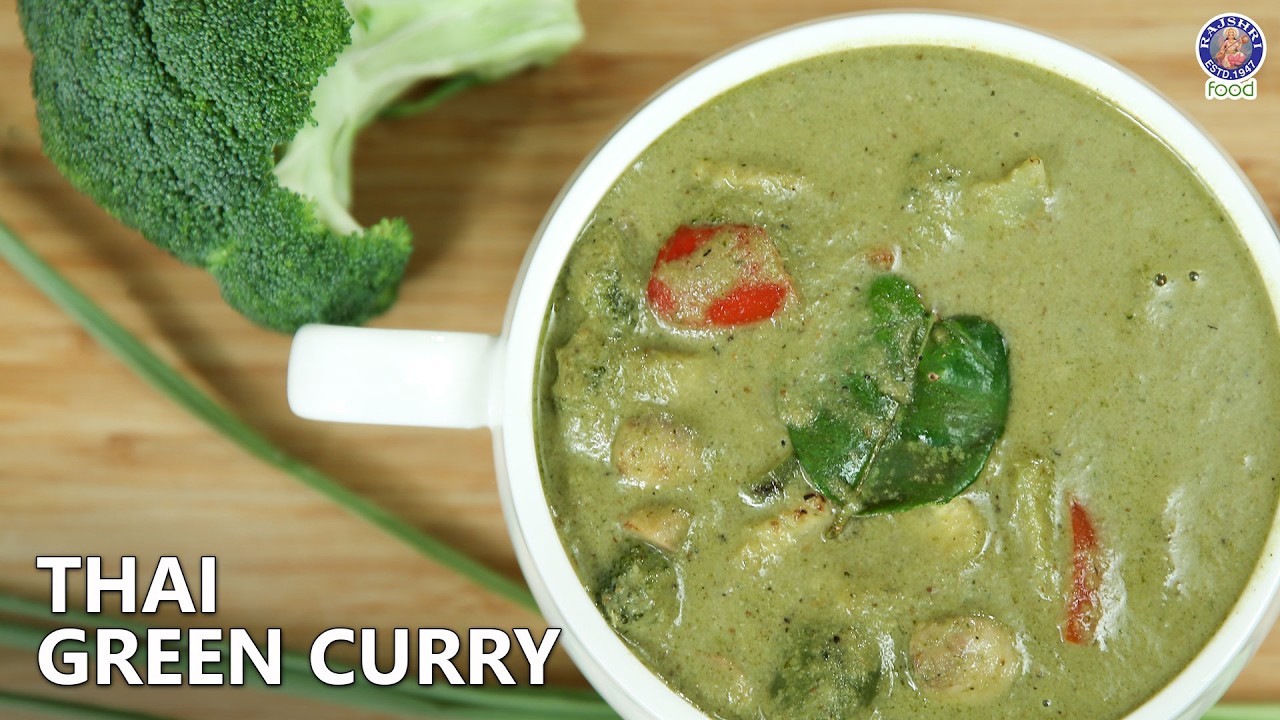
Green Thai Curry Recipe: Green Thai Curry is a vibrant, flavorful dish that brings the bold, fresh flavors of Thailand right into your kitchen. It’s rich, creamy, spicy, and aromatic—packed with herbs, coconut milk, and your favorite vegetables or proteins. Whether you’re new to Thai cuisine or a seasoned fan, this step-by-step guide will show you how to master this classic dish like a pro.
The beautiful thing about green Thai curry is its versatility. You can make it as spicy or mild as you like, load it with vegetables, or keep it protein-heavy. It’s warm and comforting, perfect for a chilly night, yet bright and zesty enough to enjoy in warmer seasons. Ready to dive in? Let’s get cooking!
Why You’ll Love This Recipe
This isn’t just another quick curry recipe. This is the real deal—balanced flavors, homemade curry paste (optional but recommended), and tips for making it taste like what you’d get in Bangkok. Here’s why this recipe will be your new go-to:
- Flavorful and Authentic: Bursting with Thai herbs and spices.
- Customizable: Adjust heat, protein, and veggies to your liking.
- Quick and Easy: With some prep, it can be ready in under 45 minutes.
- Perfect for Meal Prep: Tastes even better the next day.
- Crowd-Pleaser: Great for family dinners or impressing guests.
Plus, once you nail this recipe, you’ll never reach for store-bought curry again.
The Origin of Green Thai Curry
Originating from central Thailand, Green Curry (Gaeng Keow Wan) is known for its bright green color, which comes from green chilies and fresh herbs like Thai basil and cilantro. Unlike red or yellow curry, green curry is often sweeter and slightly more herbaceous, though it still brings that beloved spicy kick.
The name itself means “sweet green curry” in Thai, referring not to sugar content, but to the color. It’s typically cooked with chicken or fish, but tofu, beef, and shrimp are just as traditional depending on the region. The base is a harmony of green chilies, garlic, lemongrass, and galangal, blended into a paste, then simmered with creamy coconut milk.
Essential Kitchen Tools
Before diving into the recipe, make sure you’ve got these kitchen tools ready:
- Sharp knife and cutting board
- Large saucepan or wok
- Blender or mortar and pestle (for curry paste)
- Wooden spoon or spatula
- Measuring cups and spoons
- Ladle for serving
These tools help make prep and cooking smoother, especially if you’re working with fresh herbs and roots like galangal or lemongrass.
List of Ingredients You’ll Need
For the Green Curry Paste (Homemade)
- 4–6 Thai green chilies (adjust to heat preference)
- 2 shallots, chopped
- 4 cloves garlic
- 1 thumb-sized piece of galangal or ginger
- 2 stalks lemongrass, tender parts only
- 1 tsp ground coriander
- 1 tsp ground cumin
- Zest of 1 lime
- 1 tsp shrimp paste (optional for depth)
- Handful of fresh cilantro leaves and stems
- Handful of Thai basil (optional)
- 1 tbsp fish sauce or soy sauce (vegan version)
For the Curry Base
- 2 tbsp vegetable oil or coconut oil
- 1 can (13.5 oz) full-fat coconut milk
- 1 cup chicken or vegetable broth
- 1 lb chicken breast, tofu, shrimp, or beef (cut into bite-sized pieces)
- 1 red bell pepper, sliced
- 1 zucchini, chopped
- 1 cup baby corn or snap peas
- 1 tbsp palm sugar or brown sugar
- 2 tbsp fish sauce (or soy sauce for vegan)
- Juice of 1 lime
- Handful of Thai basil leaves
- Cooked jasmine rice (for serving)
Optional Add-Ons and Substitutions
- Bamboo shoots
- Eggplant (Thai or regular)
- Green beans
- Mushrooms
- Kaffir lime leaves (for authentic aroma)
- Store-bought green curry paste (if short on time)
Step-by-Step Guide to Making Green Thai Curry
Step 1: Preparing the Green Curry Paste
Begin by making or preparing green curry paste. Blend green chilies, garlic, shallots, lemongrass, galangal or ginger, cilantro roots, and lime zest into a smooth paste. You can also use a good-quality store-bought paste for convenience.
Step 2: Cooking the Curry Paste
Heat a tablespoon of oil in a pan over medium heat. Add the green curry paste and cook for 2–3 minutes, stirring constantly. This step releases the oils and deepens the aroma, which is key to a flavorful curry.
Step 3: Adding Coconut Milk and Simmering
Slowly pour in coconut milk, stirring to combine with the paste. Bring the mixture to a gentle simmer, allowing it to cook for 5–7 minutes until slightly thickened and fragrant.
Step 4: Adding Vegetables and Protein
Add your choice of protein such as chicken, shrimp, tofu, or fish, followed by vegetables like bell peppers, zucchini, or eggplant. Simmer gently until the protein is cooked through and the vegetables are tender but not mushy.
Step 5: Final Seasoning and Adjustments
Season the curry with fish sauce or soy sauce for saltiness and a touch of sugar to balance the heat. Taste and adjust as needed. Add fresh Thai basil for a final burst of flavor.
Step 6: Serving Suggestions
Serve the green Thai curry hot over steamed jasmine rice or with rice noodles. Garnish with extra basil or sliced chilies for a fresh finish.
Pro Tips for Authentic Flavor
Want your curry to taste like it came straight from a Thai street vendor’s wok? Here are some tips:
- Use full-fat coconut milk: Low-fat versions will make your curry thin and less flavorful.
- Don’t skip the fish sauce: It’s funky, but it brings unmatched umami. If you’re vegan, use soy sauce and a drop of miso.
- Use fresh herbs and roots: Fresh lemongrass, galangal, and Thai basil are game-changers. Avoid dried alternatives if possible.
- Don’t overcook the veggies: They should be tender but still vibrant and slightly crisp.
- Balance is everything: Thai cuisine is all about balancing salty, sweet, sour, and spicy.
Vegetarian & Vegan Modifications
It’s easy to make this dish fully vegetarian or vegan without losing flavor.
- Replace fish sauce with soy sauce or tamari (for gluten-free).
- Use tofu or tempeh instead of meat.
- Go heavy on the veggies like mushrooms, eggplant, zucchini, or bamboo shoots.
- Add umami with miso paste or vegan oyster sauce.
- Use vegan curry paste (some store-bought versions contain shrimp paste).
Just follow the same steps—swap the animal ingredients out and enjoy a plant-based feast that’s still bursting with flavor.
What to Serve with Green Thai Curry
Green Thai Curry is a star on its own, but pairing it with the right sides can turn your meal into a true Thai feast:
- Cucumber salad: Cool, crunchy, and a great contrast to the rich curry.
- Spring rolls: Fried or fresh, they make a perfect appetizer.
- Thai papaya salad (Som Tum): Spicy and tangy—it balances the creaminess of the curry.
- Roti or naan bread: Not traditional, but great for scooping up the sauce.
- Thai iced tea or coconut water: Cool beverages help mellow the spice.
Common Mistakes to Avoid
Even simple curry recipes can go off-track. Here are some things to avoid:
- Using low-fat coconut milk: It’ll make your curry watery and bland.
- Overcooking your veggies: Mushy vegetables lose texture and taste.
- Not cooking the paste long enough: It needs time to release its oils and aroma.
- Using the wrong kind of basil: Thai basil has a licorice-like note—sweet basil won’t cut it.
- Too much curry paste too fast: Start small and adjust for heat gradually.
A little attention to detail goes a long way.
How to Store Leftovers
Got leftovers? Lucky you—green curry tastes even better the next day.
- Cool the curry completely before storing.
- Store in an airtight container in the fridge for up to 4 days.
- Reheat gently on the stove or in the microwave, adding a splash of water or coconut milk to loosen it if needed.
Keep the rice separate if you want to avoid it getting soggy.
Can You Freeze Green Thai Curry?
Yes, and it freezes really well!
- Let the curry cool to room temperature.
- Portion it into freezer-safe containers or bags.
- Freeze for up to 2–3 months.
- Thaw overnight in the fridge before reheating.
Avoid freezing fresh herbs or leafy greens—add them fresh when reheating if possible.
Reheating Instructions
To reheat without ruining the texture:
Stovetop method:
- Pour curry into a saucepan.
- Heat on medium-low, stirring occasionally.
- Add a splash of coconut milk if it’s too thick.
Microwave method:
- Place curry in a microwave-safe bowl.
- Cover loosely and heat for 2–3 minutes, stirring halfway through.
Avoid boiling—gentle heat helps maintain the flavor and texture.
Health Benefits of Ingredients
This curry isn’t just delicious—it’s also loaded with nutrients:
- Coconut milk: Rich in healthy fats that keep you full longer.
- Thai basil and cilantro: Packed with antioxidants.
- Lemongrass and galangal: Known for anti-inflammatory properties.
- Chilies: Boost metabolism and immune health.
- Fresh vegetables: Loaded with fiber, vitamins, and minerals.
With the right balance, Thai green curry is not just comfort food—it’s a superfood in disguise.
FAQs about Green Thai Curry Recipe
What is the difference between green and red Thai curry?
Green curry uses green chilies and herbs, making it fresher and slightly sweeter, while red curry uses dried red chilies, giving it a deeper and smokier heat.
Can I make the curry less spicy?
Yes! Just reduce the number of green chilies in the paste or use a milder store-bought version.
What protein works best in green curry?
Chicken and tofu are the most common, but shrimp, beef, and tempeh also work great. Just adjust the cooking time based on the protein.
Can I make green curry without fish sauce?
Absolutely. Substitute with soy sauce or tamari for a vegetarian or vegan version.
How long does green Thai curry last in the fridge?
Up to 4 days in an airtight container. It reheats beautifully and tastes even better the next day.
Conclusion
There you have it—a complete, step-by-step guide to making authentic, soul-satisfying Green Thai Curry at home. Whether you’re cooking for yourself, your family, or trying to impress someone special, this recipe delivers every time. Bold, creamy, fragrant, and deeply comforting—it’s the kind of dish that makes you feel like you’re sitting in a Thai kitchen, spoon in hand, steam rising from the bowl.
So go on, grab those ingredients, and bring the magic of Thailand into your kitchen tonight. Once you’ve tried homemade green curry, there’s no going back to takeout.