Ginger Root Tea Recipe: If you’ve ever felt bloated, under the weather, or just in need of a calming warm beverage, ginger root tea might be exactly what your body needs.
Not only is it one of the easiest herbal teas to make from scratch, but it’s also loaded with powerful health benefits that have been celebrated across the world for centuries.
Making your own fresh ginger tea at home is not only economical, but it’s also more flavorful and customizable than anything you’d find in a store-bought tea bag.
So if you’re ready to learn how to brew the perfect cup of ginger tea, keep reading—this guide walks you through every step, from picking your ginger to that first satisfying sip.
What is Ginger Root Tea?
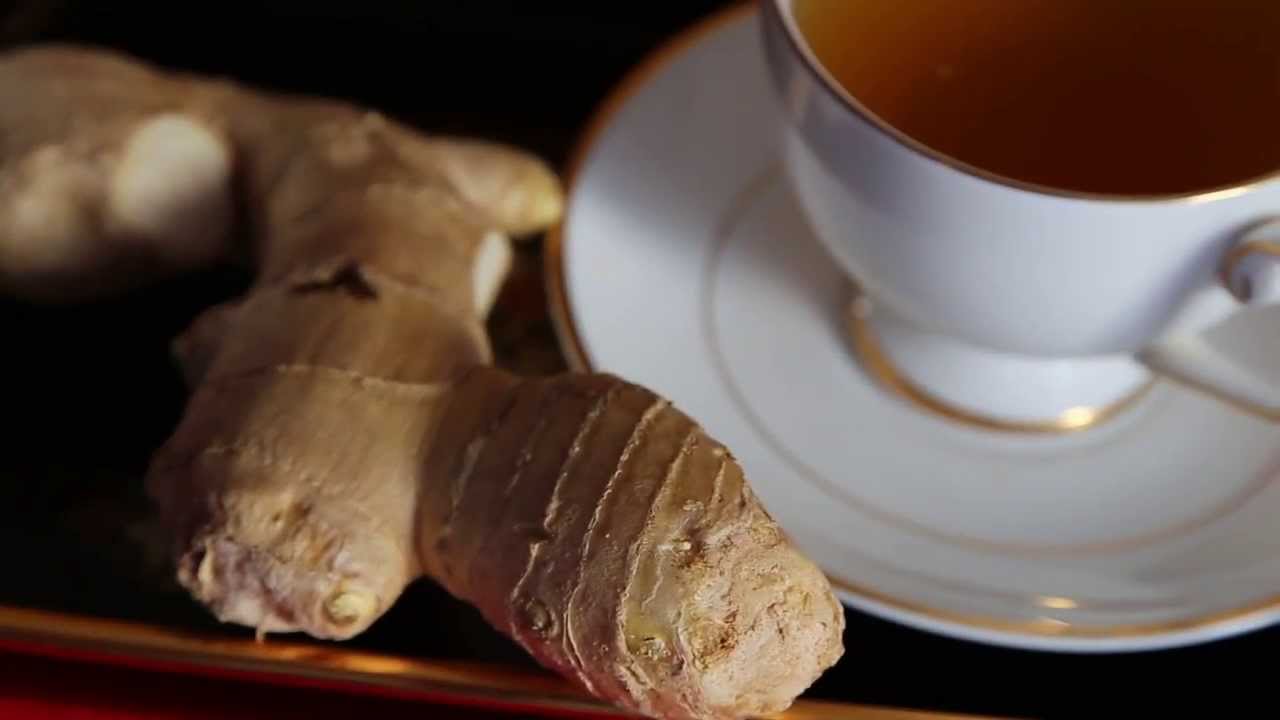
Ginger root tea is a spicy, aromatic infusion made from the rhizome of the ginger plant (Zingiber officinale). This root has been used in traditional medicine and culinary traditions for thousands of years, particularly in regions like India, China, and Southeast Asia. It’s not technically “tea” in the sense of black or green tea because it contains no tea leaves—it’s a tisane, or herbal infusion. That said, it’s often grouped with other healthful brews due to its soothing properties.
Traditionally, ginger tea was used to treat nausea, indigestion, and colds. In Ayurveda and traditional Chinese medicine, it’s revered as a “warming” herb that stimulates circulation and internal heat. Today, it’s just as popular for its health benefits as it is for its uniquely comforting taste.
Health Benefits of Ginger Root Tea
Why do so many people swear by a cup of ginger tea? Because it’s more than just a pleasant drink—it’s a health tonic in disguise. Here are some of the most well-known benefits:
- Digestive Support: Ginger can help relieve bloating, gas, and constipation. It stimulates saliva and digestive enzymes, making it a go-to drink after a heavy meal.
- Anti-Inflammatory Power: Thanks to compounds like gingerol, ginger tea has potent anti-inflammatory effects that can help with joint pain and muscle soreness.
- Immunity Booster: Ginger’s antioxidant content helps your body fight off free radicals. When combined with lemon or honey, it becomes a go-to cold remedy.
- Nausea Relief: Whether it’s motion sickness, morning sickness, or an upset stomach, ginger tea is a safe and natural remedy to ease nausea.
- Respiratory Health: That warm, spicy steam from hot ginger tea? It helps clear sinuses and soothe sore throats.
So yeah—this stuff is the real deal.
Why You Should Make Ginger Tea at Home
Let’s be real: those prepackaged ginger tea bags in the grocery store? They don’t hold a candle to the real thing. When you make ginger tea from fresh root at home, you’re getting all the essential oils and health compounds in their most potent form. Not to mention, you have total control over flavor and strength.
Want your tea stronger? Add more ginger. Want it sweeter? Stir in some raw honey. Prefer a citrusy kick? A squeeze of lemon will do. Plus, homemade tea is free from additives, artificial flavors, and preservatives you’ll often find in processed tea blends. Once you go fresh, you’ll never go back.
List of Ingredients You’ll Need
You don’t need much to get started—just a few simple ingredients:
- Fresh ginger root (about 2 inches)
- 2–3 cups of water
- Optional:
- 1–2 teaspoons honey (for sweetness)
- 1 tablespoon lemon juice (for brightness)
- A pinch of cinnamon or turmeric (for warmth and extra health benefits)
Recommended tools:
- A small saucepan or kettle
- A fine mesh strainer or tea infuser
- A grater or sharp knife
- A mug (of course!)
How to Choose the Best Ginger Root
The quality of your ginger root plays a big role in the taste and effectiveness of your tea. Here’s how to pick the best:
- Look for firm, smooth skin: Avoid ginger that’s shriveled, moldy, or soft.
- Check the aroma: Fresh ginger should have a strong, spicy scent. If it smells bland or musty, skip it.
- Go organic if possible: Ginger is a root, so it absorbs pesticides and chemicals from the soil. Organic ginger is a cleaner choice.
- Size doesn’t always matter: Sometimes smaller roots are fresher than the big bulky ones.
To store your ginger, keep it in the fridge in a paper towel or bag. It can last up to 3 weeks if stored correctly. You can also freeze it for longer shelf life.
Preparation Before Brewing
Once you’ve got your ginger root, it’s time to prep it. Don’t skip this step—it makes a big difference.
- Wash the ginger thoroughly under running water to remove any dirt or chemicals.
- Peel it using a spoon or vegetable peeler. The skin is thin, so a spoon usually works best without wasting the good stuff.
- Slice or grate the ginger depending on how strong you want your tea:
- Sliced: Milder flavor, easier to strain.
- Grated: Stronger, spicier tea because more surface area is exposed.
How much ginger to use? For a stronger tea, go for 2 tablespoons grated or 6–8 thin slices for every 2 cups of water.
Step-by-Step Guide to Making Ginger Root Tea
Now the fun part—let’s brew some tea!
Step 1: Boil the Water
Start by bringing 2 cups of fresh water to a rolling boil in a small pot or kettle. Using fresh, clean water helps the ginger flavor come through clearly and keeps the tea tasting bright and clean.
Step 2: Add the Ginger
While the water is heating, wash and peel a fresh ginger root. Slice it thinly or grate about 1–2 tablespoons, depending on how strong you like your tea. Once the water boils, add the ginger directly to the pot.
Step 3: Simmering Time and Tips
Reduce the heat to low and let the ginger simmer gently for 10–15 minutes. A shorter simmer gives a mild, soothing tea, while a longer simmer creates a stronger, spicier flavor. Keep the pot partially covered to prevent too much water from evaporating.
Step 4: Strain the Tea
After simmering, remove the pot from heat. Pour the tea through a fine strainer into a cup or mug to remove the ginger pieces. This gives you a smooth, clear tea without bits.
Step 5: Add Flavors (Optional)
Enhance your ginger tea with natural add-ins like honey for sweetness, lemon juice for freshness, or a pinch of cinnamon for warmth. Stir well and enjoy your comforting homemade ginger root tea while it’s hot.
Flavor Variations and Add-Ins
One of the best things about ginger root tea is how customizable it is. Think of it like a base layer—you can keep it simple, or you can dress it up to match your mood or health goals. Here are some delicious variations to experiment with:
Ginger Lemon Tea
A classic combo. Lemon adds a zesty brightness that pairs perfectly with ginger’s spiciness. Plus, it packs an extra punch of vitamin C, making this version a go-to when you’re feeling under the weather. Just squeeze a wedge of lemon or add 1 tablespoon of fresh juice to your cup.
Ginger Honey Cinnamon Tea
Want something warm, comforting, and great for your throat? Stir in a teaspoon of honey and a pinch of cinnamon while the tea is still hot. Cinnamon brings a cozy, earthy sweetness and additional anti-inflammatory properties.
Ginger Turmeric Tea
This is a powerhouse blend. Turmeric is known for its anti-inflammatory and antioxidant benefits, especially for joint health. Add 1/4 teaspoon of turmeric powder or a few slices of fresh turmeric root while simmering the ginger.
Ginger Mint Tea
Craving something refreshing? Toss in a few fresh mint leaves in the last few minutes of simmering. Mint complements ginger’s heat with a cool, soothing flavor—great for digestion and fresh breath.
Ginger Green Tea
Combine your herbal tea with actual tea by steeping a green tea bag in your ginger tea after straining. This gives you a caffeinated version with added antioxidants.
These variations aren’t just delicious—they’re functional. Try different combinations to see what your body responds to best.
Serving Suggestions
Alright, you’ve got your perfect cup of ginger tea. Now how do you serve it up like a pro? Here are a few tips to elevate the experience:
Best Times to Drink Ginger Tea
- Morning: Kickstart your metabolism and wake up your digestive system.
- After meals: Helps reduce bloating and aids digestion.
- Before bed: If you’re using calming ingredients like honey or chamomile with your ginger, it can help you relax.
Hot vs Iced Ginger Tea
Yes, you can drink it cold too! For a refreshing iced version:
- Brew a strong batch of ginger tea and let it cool.
- Pour over ice, add a splash of lemon, and enjoy.
- Optional: Add sparkling water for a fizzy, ginger ale-like vibe.
Pairing Ideas
- Serve hot ginger tea with toast, oatmeal, or biscuits for a cozy breakfast.
- Iced ginger tea pairs well with spicy or fatty foods like stir-fry or fried rice, as it cuts through the richness.
- For a healthy snack, try it with nuts or fruit.
Whether you’re sipping slowly on a chilly evening or guzzling a refreshing glass in the summer heat, ginger tea is always in season.
How to Store Leftover Ginger Tea
Made a big batch? No worries—ginger tea stores surprisingly well if handled right.
Refrigeration Tips
- Pour leftover tea into a glass jar or pitcher with a lid.
- Store in the refrigerator for up to 3–5 days.
- Avoid leaving it in the kettle or uncovered, or it could absorb odors or spoil faster.
Reheating Methods
- For the best taste, reheat your tea on the stove over low heat.
- If you’re in a hurry, microwave it in a mug for 1–2 minutes.
- Add lemon or honey after reheating to preserve flavor and nutrients.
Pro Tip: Frozen ginger tea cubes! Pour leftover tea into an ice tray and freeze. Pop one or two into hot water later for a quick cup on the go.
Common Mistakes to Avoid
Let’s save you from some rookie mistakes that could ruin a good brew.
Overboiling the Ginger
If you boil it too aggressively, the flavor can turn bitter or too sharp. A gentle simmer for 10–20 minutes is all you need.
Using Too Much Ginger
Yes, ginger is powerful—but more isn’t always better. If it’s too spicy, it can irritate your throat or stomach. Start small and work up.
Wrong Ginger-to-Water Ratio
Stick with about 1 tablespoon grated ginger or 6–8 slices for every 2–3 cups of water. This keeps your tea flavorful without being overpowering.
Skipping the Straining Step
Leaving bits of ginger in your cup might make it gritty or too intense. Use a fine strainer or cheesecloth for a smooth sip.
Adding Honey to Boiling Water
Don’t add honey while the tea is still boiling hot—it can destroy some of its enzymes. Wait until it cools slightly before sweetening.
Learn from these, and your ginger tea game will be on point.
Who Should Drink Ginger Tea (and Who Shouldn’t)
Ginger tea is safe for most people—but not everyone.
Safe for Most People
- Great for adults looking to improve digestion or immunity
- Helpful for people dealing with colds or inflammation
- Safe in moderate amounts during pregnancy (consult your doctor first)
Caution for Certain Health Conditions
- If you’re on blood thinners, talk to your doctor—ginger has natural blood-thinning effects.
- People with gallstones should avoid large amounts, as ginger can increase bile production.
- It may also interact with diabetes or high blood pressure medications.
Pregnancy Considerations
Many pregnant women use ginger tea to ease morning sickness. Just keep it mild and consult a healthcare provider for safe amounts—usually 1 cup a day is fine.
Ginger Tea for Cold and Flu
Feeling under the weather? Ginger tea might be your best natural remedy.
Why It Works
- Anti-inflammatory: Reduces throat pain and congestion.
- Antibacterial: Helps your body fight infection.
- Warming: Opens up sinuses and improves circulation.
Best Cold-Fighting Combos
- Ginger + Lemon + Honey: A triple-threat for coughs and sore throats.
- Ginger + Turmeric + Black Pepper: Helps fight deeper inflammation.
- Ginger + Garlic + Lemon: Sounds intense, but powerful for immunity.
How Often to Drink It When Sick
- Drink 2–3 cups a day while you’re fighting off a cold or flu.
- Keep it hot and fresh—don’t rely on old brews.
- Stay hydrated with water too; tea alone isn’t enough.
Next time you’re reaching for medicine, try this ancient remedy first—it might just surprise you.
Make It a Daily Ritual
Once you start drinking ginger tea regularly, you may wonder how you ever lived without it. Here’s how to turn it into a healthy daily habit.
Build a Routine
- Make a morning batch and sip throughout the day.
- Brew a pot in the evening as part of your wind-down.
- Keep fresh ginger on hand by storing extra in the freezer.
Morning vs Night
- Morning: Boosts metabolism, clears your head, and kicks off your digestion.
- Night: Calms the stomach and body—just skip the add-ins like caffeine or green tea.
Other Teas to Pair With
- Chamomile: For extra relaxation at night
- Green tea: For an energy boost in the morning
- Peppermint: For extra digestive help after meals
Let ginger tea be the foundation of your wellness journey—one cup at a time.
FAQs about Ginger Root Tea Recipe
1. Can I reuse ginger slices for a second brew?
Yes, you can! The second cup will be milder but still flavorful. Try simmering longer or combining with fresh ginger for a balanced taste.
2. What’s the best time of day to drink ginger tea?
Anytime, really—but it’s especially great in the morning to wake up your system, or at night to help digest dinner and relax.
3. Can I make ginger tea in bulk?
Absolutely. Brew a larger batch, store it in the fridge, and reheat throughout the week. Just avoid keeping it longer than 3–5 days.
4. Is ginger tea safe for kids?
In small amounts, yes. Keep it mild and unsweetened (or lightly sweetened with honey if they’re over 1 year old). Avoid giving it too strong.
5. Does ginger tea help with weight loss?
It can support weight loss by boosting metabolism and reducing appetite, but it’s not a magic fix. Combine it with a healthy diet and exercise.
Conclusion
Ginger root tea isn’t just a drink—it’s a ritual, a remedy, and a reviver all rolled into one. From its powerful health benefits to its soothing flavor, this spicy brew has earned its spot in households across the globe. Making it from scratch is surprisingly simple, incredibly rewarding, and endlessly customizable.
So whether you’re fighting off a cold, easing digestion, or just craving a warm hug in a mug—grab some fresh ginger, follow the steps, and brew your way to better health.