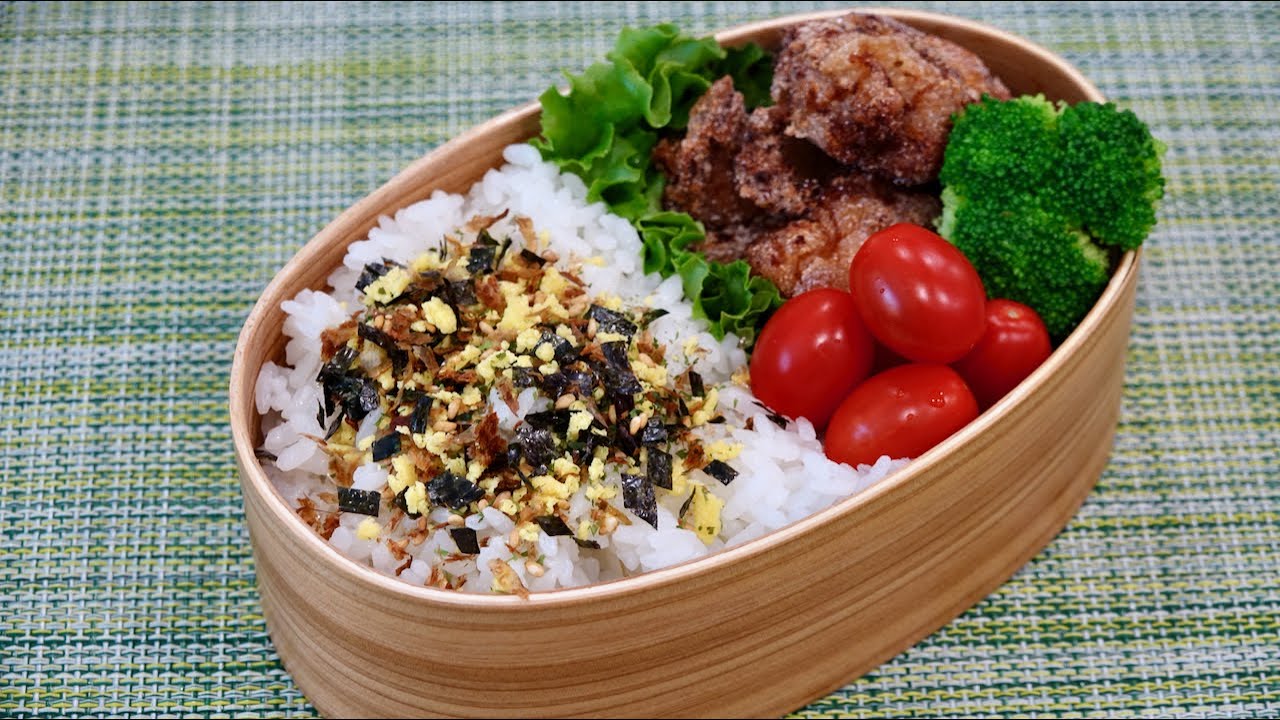
Furikake Recipe: If you’ve ever wanted to sprinkle a little magic on your rice, you’re going to fall in love with furikake. This savory Japanese rice seasoning is the secret to elevating bland bowls of white rice into crave-worthy creations. It’s salty, umami-rich, crunchy, and sometimes a little sweet. And the best part? You can totally make it at home—and customize it just the way you like.
Forget store-bought packets with ingredients you can’t pronounce. This guide will walk you through everything you need to know to make furikake from scratch. Whether you’re after a traditional fish-based version or a fully plant-based twist, we’ve got you covered.
What is Furikake?
Furikake is a dry Japanese condiment that’s typically sprinkled over cooked rice. It’s a flavor bomb that blends ingredients like dried seaweed (nori), toasted sesame seeds, dried fish flakes (bonito), sugar, and salt. Some versions also include egg, miso, wasabi, or even dehydrated vegetables.
Originally developed in Japan as a nutritional rice topper, furikake quickly gained popularity for its umami-rich flavor and crunch. It’s salty, a little sweet, packed with depth, and incredibly versatile. Think of it as Japan’s answer to everything bagel seasoning—but with an oceanic twist.
Today, furikake isn’t just used on rice. It’s a pantry MVP for everything from avocado toast to popcorn.
Why Make Homemade Furikake?
Store-bought furikake can be tasty, but it often contains MSG, preservatives, or questionable fillers. Plus, the flavor options can be limited. When you make it at home, you have complete control.
Here’s why going homemade is a game-changer:
- Customizable: Choose your flavor profile—vegan, spicy, nutty, smoky, etc.
- Clean Ingredients: Use whole foods without additives or preservatives.
- Allergy-Friendly: Avoid seafood, gluten, or soy depending on your needs.
- Cost-Effective: Buying ingredients in bulk saves money over time.
- Fun to Make: It’s a creative, hands-on kitchen project that yields delicious results.
Types of Furikake
Traditional Furikake
This version includes the classic combo of sesame seeds, seaweed, salt, sugar, and dried fish like bonito flakes. It’s the most common type you’ll find in Japanese households.
Vegan Furikake
Skip the fish flakes and add nutritional yeast for a cheesy, umami-rich flavor. Vegan versions often include shiitake mushrooms, seaweed, and sesame seeds.
Spicy Furikake
Add a kick with togarashi (Japanese chili powder), wasabi powder, or even cayenne. It’s perfect for ramen, eggs, or spicy rice bowls.
Bonito-Based Furikake
A fish-lover’s dream. This version doubles down on the bonito flakes for a deep, smoky, oceanic flavor.
List of Ingredients You’ll Need
Main Ingredients
- Nori (Dried Seaweed) – Adds that iconic umami-rich ocean flavor.
- Sesame Seeds (white or black) – Nutty crunch and toasty flavor.
- Bonito Flakes – Smoky, savory dried tuna flakes (optional for vegan version).
- Salt – Brings out all the flavors.
- Sugar – Balances the salt and intensifies umami.
Optional Add-ins for Extra Flavor
- Soy Sauce or Tamari – For depth and a salty umami kick.
- Mirin – A sweet rice wine that enhances overall flavor.
- Shichimi Togarashi – Adds heat and complexity.
- Nutritional Yeast – Great for a cheesy, vegan version.
- Dried Shrimp, Wasabi Powder, or Miso Powder – For unique profiles.
Ingredient Substitutions
Don’t have everything on hand? No problem.
- Nori → Try dulse or wakame flakes.
- Bonito flakes → Use dried shiitake powder or nutritional yeast for a vegan alternative.
- Mirin → Use a mix of sugar and a splash of rice vinegar.
- Soy Sauce → Tamari (gluten-free) or coconut aminos work great.
Adapt it to what you love or have access to!
Tools and Equipment Required
- Skillet or Pan – For toasting ingredients.
- Scissors or Kitchen Shears – To cut nori into small pieces.
- Mixing Bowl – For combining the final mix.
- Airtight Container or Jar – For storage.
- Mortar & Pestle (Optional) – If you want to crush seeds or blend powders more finely.
Step-by-Step Guide to Making Furikake
Step 1: Prepare the Nori
Cut dried nori sheets into very small flakes using scissors or crumble by hand. Smaller pieces distribute more evenly and prevent chewy clumps when sprinkled over food.
Step 2: Toast the Sesame Seeds
Place white or mixed sesame seeds in a dry pan over medium heat. Toast gently, stirring constantly, until fragrant and lightly golden. Remove immediately to prevent burning and set aside.
Step 3: Add Bonito Flakes or Vegan Alternatives
If using bonito flakes, lightly toast them in the same pan for 10–15 seconds just to dry them slightly. For vegan options, use finely chopped dried shiitake mushrooms, seaweed flakes, or toasted soy flakes.
Step 4: Combine Ingredients
In a bowl, mix the prepared nori, toasted sesame seeds, and bonito flakes (or vegan substitute). Stir well to evenly distribute textures and flavors.
Step 5: Add Flavor Enhancers
Add salt to taste, a pinch of sugar for balance, and optional extras like dried fish powder, chili flakes, ground shrimp, or nutritional yeast for umami. Keep seasoning light—furikake should enhance, not overpower.
Step 6: Final Toast for Flavor Fusion
Return the mixture to a dry pan over low heat. Toast for 1–2 minutes, stirring continuously. This step blends flavors and removes excess moisture, improving shelf life and aroma.
Step 7: Cool and Store Properly
Let the furikake cool completely before storing. Transfer to an airtight container and keep in a cool, dry place. For longer freshness, refrigerate. Use within 1–2 weeks for best flavor.
Sprinkle furikake over rice, noodles, eggs, vegetables, or popcorn for an instant umami boost.
Storage Tips and Shelf Life
How long your homemade furikake lasts depends on what you put in it and how well you store it.
- Seafood-based furikake: Up to 2–3 weeks in a cool, dry place; refrigerate for longer freshness.
- Vegan furikake: Usually lasts 1 month or more in an airtight container.
- Moisture is the enemy: Always make sure your furikake is totally dry before storing.
- Refrigeration: Optional but helps prolong shelf life, especially for versions with fish or miso.
Label your jar with the date it was made so you can keep track!
How to Use Furikake
Once you’ve made your batch, you’ll realize just how versatile furikake is. It’s not just a rice topping—it’s a full-blown flavor enhancer for all kinds of meals and snacks.
On Rice and Sushi
- Sprinkle generously over steamed rice or sushi bowls for that classic Japanese flavor.
- Mix into onigiri (rice balls) for flavor-packed bites.
In Salads
- Add to a crunchy slaw or cucumber salad for an umami punch.
- Mix with breadcrumbs for a unique salad topper.
On Popcorn
- Toss with freshly popped popcorn and a bit of melted butter or oil—think Japanese movie night.
As a Ramen Topper
- Adds a crunch and flavor boost to any noodle soup.
- Combine with soft-boiled eggs and scallions for the ultimate ramen bowl.
Other ideas? Try it on roasted vegetables, avocado toast, eggs, or even in scrambled tofu. It’s your new go-to seasoning.
Tips and Tricks for the Best Homemade Furikake
Want your furikake to taste even better than the store-bought stuff? Here’s what to keep in mind:
- Use fresh ingredients: Old sesame seeds or stale seaweed can dull the flavor.
- Toast in small batches: Prevents burning and gives better control over flavor.
- Stay dry: Moisture can ruin texture and shorten shelf life.
- Adjust flavors to taste: Love salty? Add more soy sauce. Prefer sweet? A pinch more sugar.
- Make it in small batches: This keeps your furikake fresh and allows room to experiment.
Common Mistakes to Avoid
Even though furikake is easy to make, a few slip-ups can ruin a batch. Avoid these rookie mistakes:
- Overtoasting sesame seeds: Burned seeds turn bitter and overpower the blend.
- Adding too much moisture: Soy sauce or mirin should be minimal—keep things dry.
- Skipping the cool-down: Packing warm furikake into a jar traps moisture and invites spoilage.
- Forgetting to taste test: Adjust salt, sugar, and seasoning before storing.
- Using low-quality ingredients: Your nori, sesame seeds, and bonito flakes should be fresh and aromatic.
A little attention to detail goes a long way with homemade seasonings.
Nutritional Benefits of Furikake
Believe it or not, this little sprinkle of flavor comes with some impressive health perks.
- Rich in minerals: Thanks to seaweed, furikake provides iodine, calcium, and magnesium.
- Good fats: Sesame seeds offer heart-healthy oils and antioxidants.
- High in protein: If using bonito flakes or shrimp, you get a nice protein boost.
- Low-calorie flavor: You get tons of taste without extra calories.
- Digestive benefits: Seaweed contains prebiotics that support gut health.
Just be mindful of sodium if you’re watching salt intake—some furikake blends can be quite salty.
Homemade vs Store-Bought Furikake
So, is homemade furikake really worth the effort compared to store-bought?
Let’s break it down:
| Feature | Homemade | Store-Bought |
|---|---|---|
| Ingredients | Fully customizable, clean | May contain MSG, additives |
| Cost | Cheaper long-term | Can be expensive for small quantity |
| Flavor | Tailored to your taste | Limited to available varieties |
| Dietary Control | Easy to make vegan or gluten-free | Not always allergy-friendly |
| Shelf Life | Shorter (natural) | Longer (due to preservatives) |
If you love experimenting in the kitchen, homemade furikake is a no-brainer. It’s healthier, tastier, and more fun.
FAQs about Furikake Recipe
Can I make furikake without bonito flakes?
Yes! You can substitute with nutritional yeast, shiitake powder, or even dried kombu for a vegan, umami-rich version.
Is furikake vegan-friendly?
It can be! Just skip the fish flakes and use ingredients like nori, sesame seeds, nutritional yeast, and sea salt.
How long does homemade furikake last?
Vegan versions can last 1 month in an airtight container. If you’re using dried seafood, consume within 2–3 weeks.
Can I use furikake for things other than rice?
Absolutely. It’s fantastic on popcorn, noodles, eggs, salads, veggies, and even in sandwiches or wraps.
What’s the best way to store furikake?
In an airtight container in a cool, dry place. A glass jar with a lid works best. For longer life, refrigerate if using seafood.
Conclusion
There’s something incredibly satisfying about taking a handful of simple ingredients—seaweed, sesame seeds, maybe some dried fish or mushrooms—and turning them into a flavor-packed sprinkle that can transform any meal. That’s the beauty of homemade furikake.
Whether you’re spicing up your rice, topping your ramen, or shaking it over popcorn, furikake is your new kitchen sidekick. Once you taste the homemade version, you’ll never go back to the store-bought stuff.
Try different versions, adjust the flavors to your liking, and make it your own. Furikake isn’t just a seasoning—it’s a vibe.