Fresh Spring Roll Recipe: There’s something about fresh spring rolls that feels like biting into a garden. Light, crunchy, and packed with flavor, these Vietnamese-inspired delicacies are perfect for a healthy snack, appetizer, or even a light lunch. What’s great is that they’re incredibly customizable. Whether you’re a die-hard veggie lover, a meat enthusiast, or someone who loves a little tofu in your life, these rolls can be your go-to fix. So if you’re tired of greasy snacks and want something refreshing, homemade spring rolls are the answer.
But here’s the catch: while they may look fancy, they’re surprisingly easy to make at home. Yes, even if you’ve never touched rice paper before. In this detailed guide, we’re breaking it down step-by-step so you’ll get picture-perfect rolls every time. No soggy wrappers, no torn rolls—just delicious, crunchy goodness.
What Are Fresh Spring Rolls?
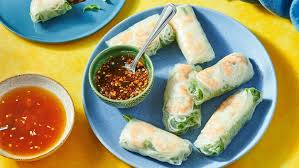
Fresh spring rolls, often called Gỏi cuốn in Vietnamese cuisine, are translucent rice paper rolls filled with a variety of fresh vegetables, herbs, and often some form of protein like shrimp, tofu, or chicken. Unlike their deep-fried cousins, these spring rolls are not cooked after assembly, which is why they’re often called “fresh” or “summer” rolls. They’re cool, crisp, and typically served with a flavorful dipping sauce, like hoisin-peanut or nuoc cham (a Vietnamese fish sauce-based dip).
What makes them truly stand out is the vibrant color of the fillings peeking through the rice paper—an edible work of art that’s as satisfying to look at as it is to eat. With every bite, you get a refreshing mix of textures and flavors: crunchy carrots, soft vermicelli noodles, fresh mint, creamy avocado, and tangy sauce. They’re great for entertaining or meal prepping and a fun way to get kids involved in the kitchen, too.
Why You’ll Love This Recipe
Here’s why fresh spring rolls will quickly become a staple in your kitchen:
- Customizable – Mix and match ingredients based on your taste or dietary needs.
- No Cooking Needed – Perfect for hot days when you want something light without turning on the stove.
- Healthy and Low-Calorie – Packed with fresh veggies, lean protein, and minimal fat.
- Perfect for Meal Prep – You can prepare the fillings ahead of time and assemble when ready.
- Fun to Make – Rolling them is a little like folding a burrito, but with extra flair.
- Great for Parties – They make a colorful, crowd-pleasing appetizer.
So if you’re on the hunt for a fresh, vibrant dish that looks fancy but is easy to whip up, this is it.
List of Ingredients You’ll Need
For the Filling
To get that perfect combination of crunch, freshness, and flavor, you’ll need:
- Carrots (julienned)
- Cucumber (thinly sliced)
- Red bell pepper (thinly sliced)
- Lettuce (romaine or butter lettuce work great)
- Fresh herbs (mint, basil, cilantro)
- Avocado (optional, but adds creaminess)
- Cooked vermicelli noodles (thin rice noodles)
For the Protein (Optional but Recommended)
- Shrimp (peeled, cooked, and halved lengthwise)
- Cooked chicken breast (thinly sliced)
- Firm tofu (pan-fried or baked)
For the Wrappers
- Rice paper wrappers (8.5 to 9-inch size is standard)
For the Dipping Sauce
You can’t have fresh spring rolls without a good dip. Here’s what you’ll need for a simple peanut dipping sauce:
- 1/4 cup creamy peanut butter
- 2 tablespoons hoisin sauce
- 1 tablespoon soy sauce
- 1 teaspoon rice vinegar
- 1 teaspoon sesame oil
- 1 clove garlic, minced
- 2 to 3 tablespoons warm water (to thin as needed)
- Crushed peanuts and chili flakes (optional topping)
How to Choose the Best Vegetables for Spring Rolls
Not all veggies are created equal when it comes to rolling. You want ones that are colorful, crunchy, and thin enough to roll without tearing the rice paper.
- Carrots & cucumbers: Add crunch and color.
- Bell peppers: Bright and sweet, these add flavor and visual appeal.
- Avocados: Creamy texture balances the crisp vegetables.
- Leafy greens: Lettuce adds bulk and helps cushion other ingredients.
- Sprouts: Bean sprouts or microgreens can bring a refreshing twist.
Pro tip: Keep everything thin and uniform. Julienne or thinly slice your veggies so they don’t bulk up the roll too much or poke through the wrapper.
Protein Options for Spring Rolls
Adding protein to your rolls makes them more filling and satisfying. Here are some popular choices:
- Shrimp: A classic choice. Boil and peel before slicing in half.
- Chicken: Grilled, baked, or poached—just keep it simple.
- Tofu: For a plant-based option, go for pan-seared or baked tofu slices.
- Tempeh: A firm soy product that adds a nutty flavor.
- Egg strips: Lightly scrambled and thinly sliced eggs are a great vegetarian alternative.
Keep in mind: make sure all proteins are cooked and cooled before rolling. Hot ingredients can cause the rice paper to tear or stick.
Types of Rice Paper Wrappers
Not all rice papers are the same. While they all serve the same basic purpose—wrapping up those fresh ingredients—they come in different sizes, textures, and brands, each with their own quirks. Here’s how to choose the best one for your rolls:
- Size: The most common rice paper size is 8.5 to 9 inches in diameter. It’s ideal for beginner rollers—not too big, not too small.
- Thickness: Thinner rice papers soften faster and are easier to roll but can tear more easily. Thicker ones are more forgiving but require a bit more soaking time.
- Texture: Some have a slightly rough surface while others are smooth. This doesn’t affect taste but may impact rolling ease.
- Material: Traditional wrappers are made from rice flour, water, and tapioca. Tapioca-heavy wrappers tend to be more pliable and sticky.
When buying, try a few brands to find what works best for you. Store them in a dry place—humidity is their enemy.
Step-by-Step Guide to Making Fresh Spring Rolls
This is where the magic happens. Follow each of these steps carefully, and you’ll master the art of rolling in no time.
Step 1: Prep Your Ingredients
Prepare all fillings before rolling. Cook and cool proteins such as shrimp, chicken, or tofu. Wash and slice fresh vegetables like lettuce, carrots, cucumber, and bell peppers. Cook rice vermicelli according to package instructions and drain well. Having everything ready makes rolling quick and neat.
Step 2: Soften the Rice Paper
Fill a wide bowl or plate with warm water. Dip one rice paper wrapper into the water for 5–10 seconds until just pliable. Do not over-soak—the wrapper will continue to soften as you work.
Step 3: Fill the Wrapper
Lay the softened wrapper flat on a clean surface. Place a small amount of lettuce in the center, followed by noodles, vegetables, herbs (such as mint or cilantro), and protein. Keep fillings compact to avoid tearing.
Step 4: Fold and Roll
Fold the bottom of the wrapper up over the filling. Fold in the sides, then roll tightly from bottom to top like a burrito. Keep gentle tension so the roll is firm but not stretched.
Step 5: Serve with Dipping Sauce
Arrange spring rolls seam-side down on a plate. Serve immediately with peanut sauce, sweet chili sauce, or soy-based dipping sauce. For best texture, enjoy fresh rather than storing.
How to Make the Perfect Peanut Dipping Sauce
This sauce is the cherry on top. Creamy, savory, and a little sweet—it brings everything together.
Ingredients:
- 1/4 cup peanut butter (smooth)
- 2 tablespoons hoisin sauce
- 1 tablespoon soy sauce
- 1 teaspoon rice vinegar
- 1 teaspoon sesame oil
- 1 clove garlic, minced
- 2–3 tablespoons warm water (adjust for consistency)
- Optional: chili flakes or sriracha for heat
Instructions:
- Combine peanut butter, hoisin, soy sauce, vinegar, and sesame oil in a bowl.
- Add garlic and stir well.
- Slowly mix in water until the sauce is smooth and pourable.
- Top with crushed peanuts or chili oil if desired.
Store in an airtight jar in the fridge for up to 5 days. It’s also great on salads and grilled meat!
Tips for Rolling Spring Rolls Like a Pro
- Use a damp towel: Prevent rice paper from sticking to your surface.
- Work quickly: Rice paper becomes sticky if left too long.
- Don’t overfill: Less is more—overstuffed rolls tear easily.
- Practice makes perfect: Your first few might be wonky, and that’s okay!
- Use sharp knives: When slicing rolls, a sharp knife prevents tearing.
Once you get the hang of it, you’ll be rolling like a champ in no time.
Common Mistakes to Avoid
Even the pros mess up occasionally. Here’s what to watch out for:
- Soaking rice paper too long: Makes it too soft and likely to tear.
- Rolling on a dry surface: Causes sticking—keep it damp.
- Using hot ingredients: Traps steam and weakens the paper.
- Cutting too soon: Let rolls rest a minute before slicing.
Learning from mistakes is part of the fun—plus, even “ugly” spring rolls still taste amazing.
Make-Ahead Tips and Storage
Fresh spring rolls are best enjoyed right after you make them, but sometimes life gets busy. So can you make them ahead of time? The answer is yes—with a few tricks.
Make-Ahead Tips:
- Prep ingredients in advance: Wash, chop, and store veggies, cook proteins, and noodles ahead of time. Store everything in airtight containers in the fridge for up to 2 days.
- Assemble just before eating: Rice paper tends to dry out or get sticky if made too far ahead. If you need to roll them earlier, try to eat them within a few hours.
- Use lettuce or rice noodles as a barrier: Placing lettuce between the rice paper and moist ingredients (like cucumbers or shrimp) helps prevent sogginess.
Storage Tips:
- Wrap individually: To prevent sticking, wrap each roll in plastic wrap or parchment paper.
- Airtight container: Place the wrapped rolls in a sealed container lined with a damp paper towel. Add another damp towel on top.
- Refrigeration: Store in the fridge for up to 1 day. Longer than that, and the rice paper may harden or tear.
- Never freeze: Rice paper becomes rubbery and unappetizing when frozen.
If you’re meal-prepping, keep all your fillings and sauces separate, and do the rolling right before serving. That way, you keep everything fresh and flavorful.
Serving Suggestions
Spring rolls are incredibly versatile, so let your creativity run wild! They work as:
- Appetizers at dinner parties or potlucks
- Lunchboxes or picnic food
- Healthy snacks during hot weather
- Side dishes for Asian-themed meals
Pair Them With:
- Vietnamese iced coffee or jasmine tea
- Pho or ramen
- Steamed dumplings
- Stir-fried veggies or grilled skewers
You can even make a DIY spring roll station for gatherings—lay out the fillings and let guests roll their own! It’s fun, interactive, and perfect for picky eaters.
Healthy Benefits of Fresh Spring Rolls
One of the best things about fresh spring rolls is how healthy they are. Unlike deep-fried snacks, these are packed with fresh ingredients and full of nutritional benefits.
Here’s what you’re getting in every bite:
- Vitamins & Antioxidants from raw veggies like carrots, bell peppers, and leafy greens.
- Lean protein from shrimp, chicken, or tofu to help build muscle and keep you full.
- Complex carbs from vermicelli noodles to give you energy.
- Healthy fats from avocado or peanut sauce for brain health.
- Fiber to aid digestion and keep things moving.
They’re naturally low in calories and sugar, and you control what goes in them. Plus, eating colorful, fresh food is great for your mood and energy levels. Win-win!
Fresh Spring Rolls vs. Fried Spring Rolls
You’ve probably seen fried spring rolls (also known as egg rolls) on restaurant menus. So how do they compare to the fresh version?
| Feature | Fresh Spring Rolls | Fried Spring Rolls |
|---|---|---|
| Cooking Method | No cooking, served cold | Deep-fried, served hot |
| Wrapper | Rice paper | Wheat-based or egg-based wrapper |
| Texture | Soft and chewy | Crispy and crunchy |
| Calories | Lower (fewer oils/fats) | Higher (due to frying) |
| Filling | Raw veggies, herbs, protein | Cooked vegetables and/or meat |
| Health Value | Very high | Moderate to low (due to oil) |
Fresh spring rolls are perfect if you’re trying to eat light and clean. Fried ones are a fun treat, but best saved for the occasional indulgence.
Vegan and Gluten-Free Alternatives
The beauty of spring rolls is their flexibility. Want to make them vegan or gluten-free? No problem!
Vegan Substitutes:
- Protein: Use tofu, tempeh, or chickpeas.
- Sauce: Use hoisin and tamari instead of fish sauce.
- Extras: Add mushrooms, avocado, or plant-based meats.
Gluten-Free Tips:
- Most rice papers are already gluten-free—just double-check the packaging.
- Use tamari or coconut aminos instead of soy sauce in your dipping sauce.
- Avoid pre-packaged noodles with wheat; opt for 100% rice noodles.
With these simple swaps, everyone at the table can enjoy them—regardless of dietary needs.
FAQs about Fresh Spring Roll Recipe
1. What’s the best way to keep spring rolls fresh?
Wrap each roll individually in plastic wrap or parchment paper and store in an airtight container with damp paper towels. Eat within 24 hours for best texture.
2. Can I make spring rolls a day in advance?
You can, but they’re best eaten the day of. To prep ahead, keep all fillings ready and assemble rolls just before serving.
3. What other sauces go well with spring rolls?
Besides peanut sauce, try hoisin, sweet chili, sriracha-lime, or Vietnamese fish sauce-based nuoc cham.
4. Are spring rolls healthy for weight loss?
Absolutely! They’re low in fat and calories, high in fiber, and packed with nutrients—just watch the sauce portions if you’re counting calories.
5. Can I freeze fresh spring rolls?
No, rice paper doesn’t freeze well. It becomes rubbery and unpleasant once thawed. Always eat them fresh.
Conclusion
Fresh spring rolls are one of those magical recipes that check every box: they’re healthy, delicious, easy to make, and endlessly customizable. Whether you’re packing a light lunch, hosting friends, or just craving something crisp and clean, these rolls deliver every time.
Plus, once you’ve mastered the basic technique, you’ll find yourself experimenting with different fillings and flavors. From shrimp and mint to tofu and spicy sauce—the possibilities are endless.
So grab your rice paper, chop up some veggies, and start rolling. Once you get the hang of it, you might never go back to store-bought again.