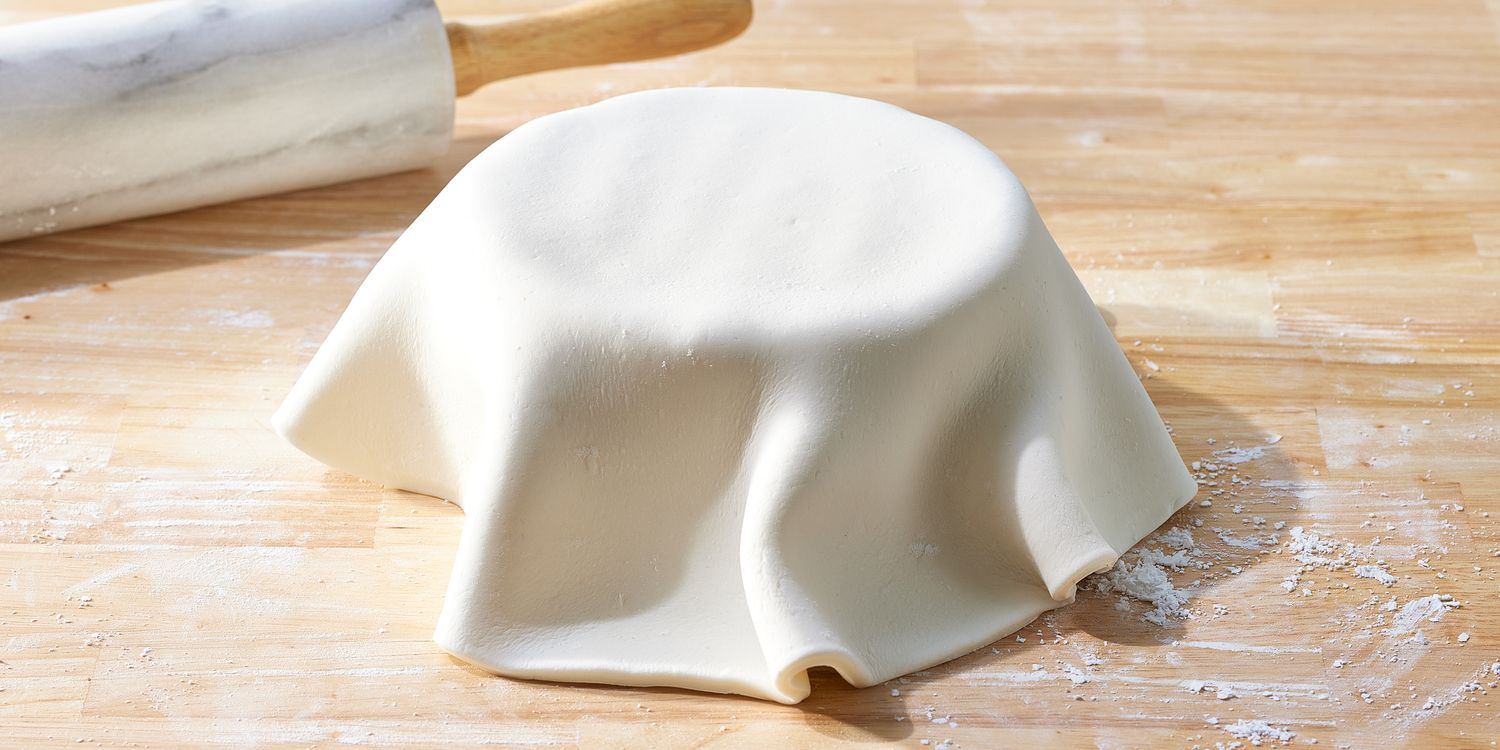
Fondant Icing Recipe: Fondant icing is that smooth, pliable layer of sweetness that makes cakes look professionally decorated and absolutely stunning.
Whether you’re prepping for a birthday, wedding, or simply want your baked creations to stand out, this step-by-step guide will help you make fondant from scratch—just like the pros.
What is Fondant Icing?
Fondant icing is a sugar-based dough-like substance used to cover cakes and shape decorative elements. Unlike traditional buttercream, fondant provides a sleek and elegant finish that’s ideal for high-end cake designs. It has a subtle sweetness, can be flavored, and is easily colored, shaped, and molded.
Fondant isn’t just pretty; it acts as a protective layer to keep cakes moist while adding a professional touch. The word “fondant” comes from the French word fondre, meaning “to melt”—because it literally melts in your mouth.
You’ll often see fondant on wedding cakes, character cakes, or Instagram-worthy birthday bakes. It’s easy to handle once you get the hang of it, and the best part? You can absolutely make it at home.
Why Choose Fondant for Cake Decorating?
Choosing fondant over other types of icing comes with tons of benefits. First off, the aesthetic. That smooth, matte finish you get with fondant is nearly impossible with buttercream alone. It turns even a basic sponge cake into a work of art.
Here are a few more reasons:
- Customizable: Easily color it with gel food coloring.
- Malleable: Sculpt figures, flowers, bows—whatever your imagination desires.
- Durable: It holds shape better in warm temperatures compared to whipped cream or soft icing.
- Professional look: If you want your cake to look like it came from a top-tier bakery, fondant is the way to go.
That said, fondant also seals in moisture, making your cake stay fresh longer. Plus, it gives you a nice blank canvas to play with your designs.
Types of Fondant Icing
Let’s quickly break down the two main types of fondant you’ll encounter:
Rolled Fondant
This is the most common type of fondant. You roll it out like dough and lay it over a cake. It’s pliable, soft, and dries with a smooth, matte finish. Perfect for covering cakes and making figurines.
Poured Fondant
This version is more fluid. It’s typically used to coat petit fours, donuts, or eclairs. Poured fondant creates a glossy, sugary glaze and sets up nicely.
For this article, we’ll focus on rolled fondant, as it’s the go-to for cake decorators at home and in professional bakeries.
Key Benefits of Using Fondant Icing
Still wondering why fondant is so hyped? Here’s why bakers love it:
- Looks amazing – That silky-smooth finish is unbeatable.
- Easily shapeable – Great for crafting 3D elements or flat decorative cutouts.
- Long shelf life – Can be stored for weeks if sealed properly.
- Flavor options – Can be flavored with vanilla, almond, lemon, and more.
- Moisture lock – Keeps the cake underneath fresher, longer.
And while it may seem intimidating, it’s really not once you follow the right process.
Tools and Equipment You’ll Need
Before diving into the recipe, gather these tools:
- Mixing bowls
- Measuring cups and spoons
- Saucepan
- Sifter or fine mesh sieve
- Rubber spatula
- Stand mixer with dough hook (optional but helpful)
- Rolling pin
- Food-safe gloves (for coloring)
- Airtight storage bags
Optional but helpful:
- Fondant smoother
- Silicone baking mat
- Cookie cutters or fondant tools for shaping
Now that you’re geared up, let’s get to the good stuff—the ingredients.
List of Ingredients You’ll Need for Homemade Fondant
Here’s your shopping list for classic marshmallow fondant. Simple, accessible ingredients that you probably already have in your kitchen!
- Mini Marshmallows – 4 cups (white ones work best for coloring)
- Water – 2 tablespoons
- Powdered Sugar (Confectioners’ Sugar) – 6 to 8 cups, sifted
- Vegetable Shortening or Butter – for greasing hands and surfaces
- Corn Syrup – 2 tablespoons (optional for elasticity)
- Glycerin – 1 tablespoon (optional for smoothness)
- Vanilla or Almond Extract – 1 teaspoon (optional for flavor)
- Gel Food Coloring – as needed
That’s it! Now let’s roll up our sleeves and get to the actual process.
How to Make Fondant Icing from Scratch
Let’s break this down step by step. No stress, just follow along.
Step 1: Preparing the Gelatin Mixture
In a small bowl, sprinkle unflavored gelatin over cold water and let it bloom for about 5 minutes. Once softened, gently heat the mixture over a double boiler or in short microwave bursts until fully dissolved. Do not boil, as excessive heat can weaken the gelatin’s setting power.
Step 2: Mixing the Corn Syrup and Glycerin
Stir corn syrup and glycerin into the warm gelatin until smooth. The corn syrup adds sweetness and elasticity, while glycerin keeps the fondant soft and flexible. Add vanilla or other flavoring at this stage if desired, mixing well to combine.
Step 3: Incorporating the Powdered Sugar
Sift powdered sugar into a large bowl to remove lumps. Make a well in the center and pour in the warm gelatin mixture. Using a spoon or spatula, mix gradually until a thick, sticky dough begins to form. Continue adding powdered sugar as needed until the mixture pulls away from the bowl.
Step 4: Kneading the Fondant Dough
Turn the dough onto a clean surface lightly dusted with powdered sugar. Knead for 5–8 minutes until smooth, pliable, and no longer sticky. If it feels dry, rub a small amount of shortening on your hands and knead it in. Wrap the fondant tightly in plastic wrap and let it rest for at least 30 minutes before rolling.
Your fondant icing is now ready to roll, shape, and decorate cakes beautifully.
Tips to Get the Perfect Fondant Texture
Getting the fondant just right takes a bit of practice, but here are some foolproof tips that’ll level up your game:
- Always sift your powdered sugar – This prevents lumps and gives a smoother finish.
- Grease your hands and work surface – Use vegetable shortening or a light layer of butter to prevent sticking.
- Don’t over-knead – Overworking can make it dry or crumbly.
- Use gloves when adding food coloring – Trust me, your hands will thank you.
- Work quickly – Fondant dries out when exposed to air. Always keep it wrapped when not in use.
Even pros have days when their fondant doesn’t cooperate. But armed with these tips, you’ll be ready to troubleshoot on the fly.
How to Color Fondant Icing Properly
Coloring fondant is like playing with edible clay. But it’s not just about dumping food dye in and hoping for the best. Here’s how to do it right:
Use Gel or Paste Food Coloring
Avoid liquid food coloring—it messes with fondant texture and makes it sticky. Gel or paste food colorings are highly concentrated and give vibrant results with just a small amount.
Steps to Color Fondant:
- Start with a small piece of fondant – Easier to knead color into a smaller portion.
- Wear gloves – Unless you want rainbow palms.
- Use a toothpick to add a small dot of color into the center of the fondant.
- Fold and knead – Fold the fondant over the color and knead until fully blended.
- Repeat until you get the shade you want.
Want to make darker shades like red or black? Start with a colored base (like pink for red, gray for black), or make the fondant a day ahead—colors deepen overnight.
How to Store Fondant the Right Way
Made a big batch? Awesome. But don’t let it dry out. Fondant can be stored for weeks if you follow these steps:
Storage Tips:
- Coat the fondant lightly in vegetable shortening.
- Wrap it tightly in plastic wrap.
- Place the wrapped fondant in an airtight container or zip-lock bag.
- Store at room temperature, away from heat and sunlight.
- Do NOT refrigerate or freeze – It can develop condensation and become a sticky mess.
Properly stored fondant can last 2–4 weeks. Before using again, knead it until it becomes pliable. If it’s too stiff, microwave it for 5 seconds and knead again.
Common Mistakes to Avoid When Making Fondant
Fondant can be a little picky. Avoid these common mistakes to save yourself a headache:
❌ Adding all the powdered sugar at once
It’s tempting, but don’t do it. You risk making the dough dry and crumbly.
❌ Over-kneading
This can lead to a fondant that’s tough or cracked. Knead just until smooth.
❌ Using liquid food coloring
This messes up the texture. Stick to gel or paste.
❌ Not greasing your hands
Fondant sticks like crazy. Shortening is your friend here.
❌ Leaving fondant exposed to air
It dries fast. Wrap it tightly when not using.
Even if you run into issues, most fondant problems can be fixed with a little moisture (for dry fondant) or sugar (for sticky fondant). Keep calm and knead on.
How to Use Fondant on Cakes: A Beginner’s Guide
Alright—you’ve made your fondant. Now what? Time to put it to use! Whether you’re covering an entire cake or creating cute toppers, here’s a basic guide.
To Cover a Cake:
- Prep the cake: Apply a thin layer of buttercream or ganache. This acts like glue and helps the fondant stick.
- Roll the fondant: Dust your surface with powdered sugar or cornstarch. Roll it into a circle 1/8 to 1/4 inch thick.
- Lift and place: Gently lift the rolled fondant using a rolling pin or your hands. Drape it over the cake.
- Smooth: Use a fondant smoother or your palms to press and smooth the surface.
- Trim: Cut off the excess with a pizza cutter or knife.
To Make Decorations:
- Use cookie cutters, silicone molds, or fondant tools.
- Let decorations dry for a few hours to harden before placing on the cake.
Fondant gives you a blank canvas—get creative! Flowers, characters, lace effects—it’s all doable with a bit of imagination.
Troubleshooting Fondant Problems
Even experienced bakers run into hiccups. Here’s how to fix the most common fondant issues:
| Problem | Cause | Solution |
|---|---|---|
| Fondant is too sticky | Too much moisture or not enough sugar | Add more sifted powdered sugar |
| Fondant is cracking | Overworked or too dry | Add a drop of water or glycerin and knead |
| Fondant has air bubbles | Trapped air during rolling | Use a pin to pop and smooth over |
| Fondant is tearing | Rolled too thin or too dry | Re-roll slightly thicker and knead in moisture |
| Fondant is sweating | Refrigerated or exposed to humidity | Let it air dry at room temp |
Most fondant mishaps are fixable. Take a deep breath and tweak as needed—you’ve got this.
FAQs about Fondant Icing Recipe
Q1. Can I make fondant without marshmallows?
Yes! Traditional fondant recipes use gelatin, glycerin, and glucose instead of marshmallows. Marshmallow fondant is just an easier, beginner-friendly version.
Q2. Is fondant icing edible?
Totally. It’s made of sugar, marshmallows, and flavoring. Some people peel it off because it’s sweet, but it’s 100% safe to eat.
Q3. Can I flavor fondant?
Absolutely. Add a few drops of extract (like almond, lemon, or vanilla) while melting the marshmallows.
Q4. How long does homemade fondant last?
Stored properly, it lasts up to 4 weeks. Just wrap it well and keep it airtight at room temp.
Q5. Can I freeze a cake covered in fondant?
Not recommended. The fondant may sweat or get sticky when thawed. It’s best to refrigerate the cake without covering it in fondant until you’re ready to decorate.
Conclusion
Making fondant icing from scratch might seem intimidating, but once you get hands-on, it’s surprisingly fun and satisfying. Whether you’re going all-out on a wedding cake or just experimenting for fun, fondant opens up a world of creative cake design possibilities. With the step-by-step process above, you’re more than ready to roll (literally!).
Experiment with colors, textures, and shapes. Mess up a little. Learn. Then come back stronger. Fondant is one of those baking skills that pays off big time once mastered—and now you have everything you need to master it.