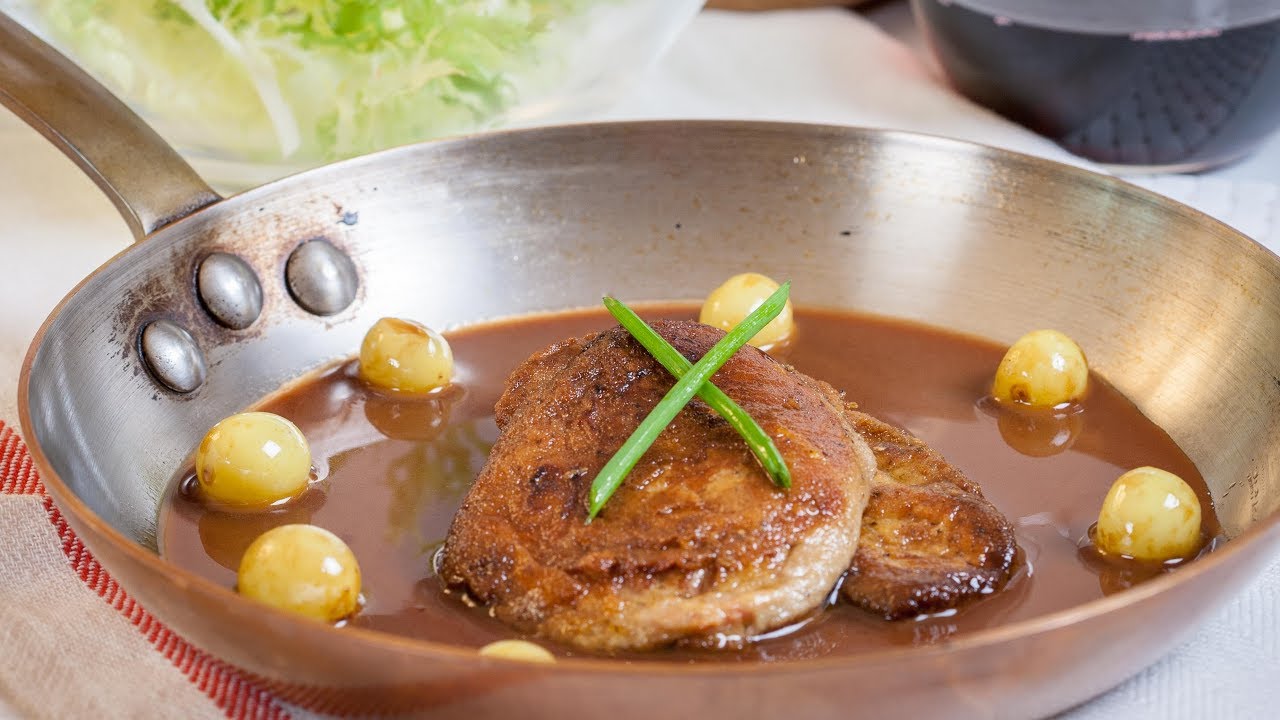
Foie Gras Recipe: Foie gras is the epitome of French gourmet cuisine. If you’ve ever dined at a fine-dining restaurant or browsed through a French holiday menu, you’ve likely seen this luxurious delicacy. Rich, buttery, and incredibly smooth, foie gras is more than just food—it’s an experience. But here’s the kicker: you don’t have to book a Michelin-star table to enjoy it. With the right technique and a bit of patience, you can recreate this culinary masterpiece right in your kitchen.
Making foie gras at home might sound intimidating, but it’s absolutely doable. This step-by-step guide will walk you through everything, from sourcing the best liver to serving up an elegant dish. Whether you’re a curious foodie or an aspiring chef, mastering foie gras will elevate your culinary game.
What is Foie Gras?
Foie gras, French for “fat liver,” is a delicacy made from the liver of a duck or goose that has been specially fattened. The process of fattening—known as “gavage”—increases the liver’s size and results in a creamy, rich texture unlike any other organ meat. While foie gras is controversial in some circles due to ethical concerns, it’s protected under French law as part of their culinary heritage.
Its flavor? Imagine butter, but silkier and more complex, with nutty and umami undertones. When cooked properly, foie gras melts in your mouth, leaving a lasting impression of decadence.
Why Make Foie Gras at Home?
There are plenty of reasons why making foie gras at home is worth the effort:
- Cost Savings: Buying prepared foie gras is expensive. Making it yourself is far more economical.
- Customization: Add spices, brandy, truffles—whatever fits your taste.
- Impress Guests: Homemade foie gras screams culinary prowess.
- Freshness: You control the quality, ensuring the freshest, finest outcome.
- Pride: There’s something incredibly satisfying about creating such a luxurious dish on your own.
Types of Foie Gras
Whole Lobe Foie Gras
This is the purest form—an entire liver, usually seared or cooked as a centerpiece.
Foie Gras Torchon
A cylindrical preparation wrapped tightly in cloth, poached, and chilled. It’s silky, sliceable, and restaurant-worthy.
Foie Gras Terrine
Baked slowly in a mold, a terrine creates a rustic pâté-like texture. Often layered with spices or liqueurs, it’s rich and luxurious.
Ingredients You’ll Need
Main Ingredients
- 1 whole lobe of foie gras (duck or goose, 1.5 to 2 lbs)
- 1 ½ teaspoons kosher salt
- ½ teaspoon white pepper
- ¼ teaspoon sugar
- 1 teaspoon pink curing salt (optional)
- 2 tablespoons Cognac, Armagnac, or Port wine
Optional Flavor Enhancers
- Ground nutmeg or quatre épices (French four-spice)
- Truffle slices or oil
- Sauternes wine (for poaching or marinating)
- Thyme or bay leaf (for aroma)
These ingredients are simple, but they allow the foie gras to shine. The real magic lies in how you handle and prepare them.
How to Choose the Best Foie Gras
Not all foie gras is created equal. Here’s how to pick the best:
- Fresh vs Frozen: Fresh is ideal, but high-quality frozen foie gras can work just as well if properly thawed.
- Color: Look for pale, beige-pink color. Avoid grey or bruised spots.
- Texture: The liver should be firm but yield slightly to pressure.
- Origin: French producers like Rougié and Hudson Valley in the U.S. offer premium-grade foie gras.
Grade A foie gras is the top-tier quality—uniform, large, and perfect for torchons or terrines.
Preparing Foie Gras: What to Expect
Let’s be real—it’s not a throw-it-in-the-oven kind of dish. Preparing foie gras takes time, precision, and care. The liver needs to be deveined, marinated, shaped, and cooked just right. But don’t worry—we’re walking you through it all. By the end of this, you’ll know foie gras like the back of your hand.
Tools and Equipment Required
You don’t need a commercial kitchen, but a few key tools make things easier:
- Paring knife or tweezers (for deveining)
- Cheesecloth or plastic wrap
- Digital scale (for accurate seasoning)
- Terrine mold or loaf pan
- Cooking twine
- Vacuum sealer (optional)
- Ice bath container
- Thermometer (for poaching temp control)
Having the right gear helps avoid frustration, especially for first-timers.
Step-by-Step Guide to Making Foie Gras Torchon
Step 1: Devein the Foie Gras
Allow the foie gras to soften slightly at room temperature so it’s pliable but still cool. Gently separate the lobes and carefully remove visible veins using your fingers or a small knife. Work slowly to keep the foie intact.
Step 2: Marinate the Foie Gras
Season the foie gras evenly with salt, white pepper, and a pinch of sugar. Optional additions include cognac, Armagnac, or Sauternes for aroma. Cover and refrigerate for 8–12 hours to allow the flavors to penetrate.
Step 3: Wrap in Cheesecloth or Plastic Wrap
Place the marinated foie gras on a sheet of plastic wrap or cheesecloth. Shape it into a tight log, pressing gently to remove air pockets. Roll firmly and twist the ends to secure a compact cylinder.
Step 4: Poach the Foie Gras
Bring a pot of water to 70–75°C (160–170°F)—hot but not boiling. Submerge the wrapped foie gras and poach for 8–12 minutes, depending on thickness. The goal is gentle cooking to preserve texture.
Step 5: Chill and Press
Immediately transfer the torchon to an ice bath to stop cooking. Once cooled, refrigerate for at least 24 hours. Lightly press during chilling to maintain shape and ensure a smooth, even texture.
Step 6: Slice and Serve
Unwrap the foie gras and slice with a hot, clean knife for smooth cuts. Serve chilled with toasted brioche, fruit compote, or flaky sea salt for a classic presentation.
Step-by-Step Guide to Making Foie Gras Terrine
Step 1: Prepare and Marinate
Let the foie gras soften slightly at room temperature so it’s pliable. Gently separate the lobes and remove visible veins. Season evenly with salt, white pepper, and a small pinch of sugar. Optional: add a splash of cognac, Armagnac, or dessert wine. Cover and refrigerate for 8–12 hours to marinate.
Step 2: Layer into Terrine Mold
Preheat the oven to 120°C (250°F). Line a terrine mold with parchment if needed. Pack the marinated foie gras tightly into the mold, pressing down to remove air pockets. Smooth the top for an even finish.
Step 3: Cook in a Water Bath
Place the terrine mold in a deep baking dish. Pour hot water into the dish until it reaches halfway up the sides of the mold. Bake gently for 35–45 minutes, until the internal temperature reaches about 48–50°C (118–122°F) for a silky texture.
Step 4: Press and Chill
Remove the terrine from the water bath and let cool slightly. Place a light weight on top to compress and refine the texture. Refrigerate for at least 24–48 hours to allow flavors to develop and the terrine to set.
Slice chilled and serve with toasted brioche, fruit compote, or flaky salt.
Serving Suggestions
Foie gras is rich on its own, so the key is pairing it with contrasting flavors and textures. Here’s how to make it shine:
Best Accompaniments
- Brioche or Toasted Baguette Slices – Light and crisp base for spreading.
- Fruit Compotes – Fig, apple, pear, or apricot add sweet acidity.
- Chutneys or Onion Jam – A savory balance to the richness.
- Pickled Vegetables – Offer tartness and crunch.
- Sea Salt or Fleur de Sel – A tiny sprinkle enhances the flavor.
Presentation Tips
- Use a sharp, warm knife for perfect slices.
- Serve small portions—a little goes a long way.
- Garnish with microgreens or edible flowers for visual flair.
If you’re hosting a dinner, foie gras makes a beautiful first course when plated elegantly.
Storing and Preserving Foie Gras
Whether you’ve made a terrine or torchon, proper storage is essential.
- Refrigeration: Store tightly wrapped in plastic and foil. Keeps up to 7–10 days.
- Freezing: Foie gras can be frozen, especially in a vacuum-sealed bag. Best consumed within 3 months.
- Fat Rendered: Save any rendered fat from cooking—it’s perfect for roasting potatoes or spreading on toast.
Always label with the date, and avoid repeated thawing and refreezing.
Tips for First-Timers
Don’t stress. Foie gras seems intimidating, but here are tips that’ll keep you calm and collected:
- Devein slowly and gently. It’s okay if the liver breaks a bit—it’ll come back together when shaping.
- Don’t over-season. The liver is delicate and doesn’t need much.
- Keep it cold. Work with chilled tools and ingredients to make handling easier.
- Use a thermometer. Temperature precision makes a world of difference.
- Be patient. Allow time for marinating, pressing, and chilling.
Practice makes perfect. The more you handle foie gras, the more confident you’ll feel.
Common Mistakes to Avoid
Avoiding these rookie mistakes will save your dish from disaster:
- Overcooking: This melts the foie gras into a puddle of fat. Use low temps and thermometers.
- Skipping the press: You’ll end up with a crumbly, loose texture.
- Too much seasoning: Let the liver speak for itself. Subtlety is key.
- Rushing the chill: Don’t serve it right away. Foie gras needs time to set and mature.
- Bad slicing: Use a hot knife and wipe between cuts for clean, elegant slices.
FAQs about Foie Gras Recipe
1. What wine pairs best with foie gras?
A rich, sweet wine like Sauternes is a classic choice. You can also try Tokaji, Port, or a good late harvest Riesling.
2. Can I freeze foie gras?
Yes! Foie gras freezes well if vacuum-sealed. Just defrost it slowly in the fridge for 24 hours before serving.
3. How long does foie gras last in the fridge?
Homemade foie gras keeps for 7 to 10 days in the refrigerator if wrapped tightly and stored properly.
4. Is foie gras safe to eat raw?
Raw foie gras can be safe if it’s very fresh and sourced from a trusted supplier. However, most recipes call for light cooking or curing for safety and flavor.
5. What’s the difference between duck and goose foie gras?
Goose foie gras is richer and more traditional in France, while duck foie gras is slightly gamier and more common today due to cost and availability.
Conclusion
Foie gras isn’t just food—it’s an art form. And now, you know how to craft that art from scratch. Whether you’re preparing a classic terrine or an elegant torchon, the secret lies in patience, precision, and passion. You’ve got the tools, techniques, and tips to pull off something extraordinary—right in your own kitchen.
So the next time you host a dinner party or want to impress someone special, skip the store-bought stuff. Bring out your homemade foie gras, serve it with a glass of Sauternes, and bask in the well-deserved compliments.
Bon appétit!