Fluffy Scrambled Eggs Recipe: There’s something magical about perfectly cooked, fluffy scrambled eggs. They’re light, tender, and melt-in-your-mouth delicious. Whether you’re cooking for yourself or trying to impress guests at brunch, this recipe will guide you every step of the way to create eggs that are anything but boring. Let’s turn a simple breakfast dish into a culinary masterpiece with a little technique, the right ingredients, and a lot of flavor!
Why Fluffy Scrambled Eggs Are a Breakfast Favorite
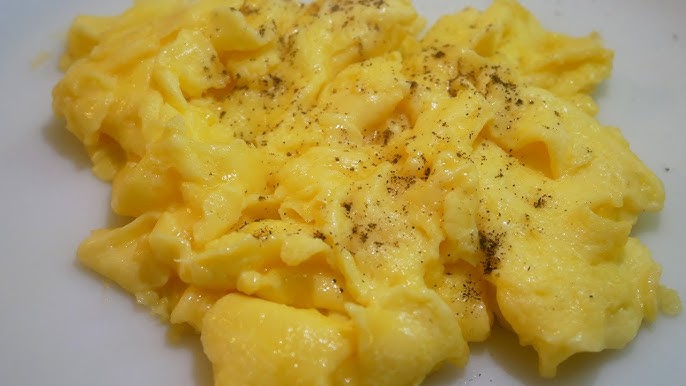
Fluffy scrambled eggs are loved for a reason. They’re comforting, filling, and quick to make. Plus, they’re versatile—you can dress them up with cheese, herbs, veggies, or keep them classic. But what sets fluffy scrambled eggs apart is their texture. Unlike rubbery or dry scrambled eggs, the fluffy kind is soft, slightly creamy, and has tiny folds that trap flavor and richness in every bite.
They’re also packed with protein, making them a great choice for anyone looking to kickstart their day with energy. You can serve them with toast, stuff them into breakfast burritos, or plate them with avocado for a healthy twist.
So, whether you’re a seasoned home cook or just starting out, once you learn how to nail the fluffiness, you’ll never go back to the quick, careless scramble again.
Benefits of Making Scrambled Eggs at Home
Why bother learning how to make fluffy scrambled eggs at home when you can get them at a diner? Easy. Homemade eggs are healthier, cheaper, and better-tasting. Here’s why:
- Control over ingredients – No mystery oils or additives.
- Cost-effective – Eggs are one of the cheapest sources of protein.
- Freshness guaranteed – Use your own farm-fresh or local eggs.
- Customizable – Add herbs, cheeses, spices, and veggies to your liking.
- Quick and easy – Takes less than 10 minutes, start to finish.
Plus, once you’ve mastered this skill, breakfast becomes something to look forward to every single day.
List of Ingredients You’ll Need
To make the perfect scrambled eggs, you only need a few ingredients. Simplicity is key, but quality makes all the difference.
Fresh Eggs
- The foundation of the dish. Use 2-3 eggs per serving.
- Pasture-raised or organic eggs offer better flavor and color.
Milk or Cream (Optional)
- Adds extra creaminess.
- Use whole milk, half-and-half, or even sour cream for a twist.
- Avoid using too much—it can water down the eggs.
Butter
- Richness and non-stick power in one.
- Use unsalted butter so you can control the saltiness.
- For a richer taste, try clarified butter or ghee.
Salt and Pepper
- Don’t skip the seasoning—it brings the flavor alive.
- Add salt before or during cooking, but never after—it affects texture.
- Freshly ground black pepper adds a nice heat.
Optional Add-ins
- Cheese: Cheddar, feta, parmesan, goat cheese.
- Fresh herbs: Chives, parsley, dill.
- Veggies: Spinach, onions, bell peppers, mushrooms.
- Meat: Bacon, ham, sausage.
Kitchen Tools You’ll Need
Having the right tools makes cooking easier and the results better. Here’s what you’ll need:
- Non-stick skillet (8–10 inches for 2–4 eggs)
- Whisk or fork (for beating eggs)
- Silicone spatula (for gentle stirring)
- Mixing bowl
- Measuring spoons (if you’re new to cooking)
- Plate and serving utensils
These basic tools ensure your eggs won’t stick or overcook, and give you control throughout the process.
How to Choose the Best Eggs for Scrambling
All eggs are not created equal. If you want golden, fluffy scrambled eggs that taste rich and full, the quality of your eggs matters a lot.
- Look for pasture-raised or organic eggs for better yolk color and depth of flavor.
- Check the packaging date—the fresher the egg, the better the result.
- Avoid eggs with cracks or odd smells.
- Brown or white shells make no difference in taste—it’s all about the feed and treatment of the hens.
Better eggs = better scrambled eggs. Simple as that.
Why Temperature Matters in Scrambled Eggs
Temperature is everything when it comes to scrambled eggs. High heat cooks eggs too quickly, causing them to become rubbery and dry. Low heat, on the other hand, gently coaxes them into soft, fluffy curds.
- Cook on medium-low heat to control the rate of coagulation.
- Butter should melt slowly—not sizzle.
- If your eggs start browning, you’ve gone too far. They should stay pale yellow and glossy.
Patience really pays off. Think of your eggs like a delicate custard—you want them barely set, not fried.
Step-by-Step Guide to Fluffy Scrambled Eggs
Here’s the moment you’ve been waiting for—the perfect method to make those dreamy, fluffy scrambled eggs.
Step 1: Crack and Beat the Eggs Properly
Crack eggs into a bowl and beat thoroughly with a fork or whisk until the yolks and whites are fully combined. Beating well incorporates air, which helps make the eggs light and fluffy.
Step 2: Add Milk or Cream (Optional but Helpful)
Add a small splash of milk or cream to the beaten eggs. This adds moisture and softens the curds, resulting in a creamier texture. Do not add too much, as it can make the eggs watery.
Step 3: Heat Your Pan the Right Way
Place a nonstick pan over low to medium-low heat. Scrambled eggs cook best gently—high heat causes them to dry out and toughen.
Step 4: Add Butter and Let It Melt Gently
Add butter to the pan and allow it to melt slowly without browning. Butter adds richness and helps prevent sticking.
Step 5: Pour Eggs Into the Pan and Let Sit Briefly
Pour the egg mixture into the pan and let it sit undisturbed for a few seconds. This allows the base to start setting and forms soft curds.
Step 6: Stir Gently With a Silicone Spatula
Using a silicone spatula, gently push the eggs from the edges toward the center. Slow, gentle movements keep the curds soft and airy.
Step 7: Cook Low and Slow for Fluffiness
Continue cooking over low heat, stirring occasionally. Patience is key—slow cooking creates tender, fluffy eggs rather than dry ones.
Step 8: Stop Cooking Just Before They’re Done
Remove the pan from heat when the eggs look slightly undercooked and glossy. Residual heat will finish cooking them to perfection.
Step 9: Season and Serve Immediately
Season with salt and pepper just before serving to avoid drawing out moisture. Serve immediately for the best texture and flavor.
Common Mistakes to Avoid
Even though scrambled eggs seem simple, it’s easy to mess them up. Here are a few common mistakes to steer clear of:
- Using high heat – This makes eggs cook too fast and become rubbery.
- Under-beating the eggs – Leads to streaks and uneven texture.
- Adding too much milk or cream – Makes them watery.
- Overcooking – Results in dry, chewy eggs.
- Not seasoning – Bland eggs are boring eggs.
- Using a metal utensil on non-stick pans – Damages the pan and ruins eggs.
Avoid these traps and you’ll be a breakfast master in no time.
Tips to Make Your Scrambled Eggs Extra Fluffy
Want next-level scrambled eggs? Here are some tips that pros swear by:
- Whisk longer – More air = fluffier texture.
- Strain the eggs before cooking using a fine sieve for smoother texture.
- Add a tiny bit of baking soda (⅛ tsp per 3 eggs) for extra puffiness.
- Cook in a double boiler for ultra-creamy, custard-like eggs.
- Finish with cold butter – Stir in a cube at the end for shine and richness.
Even small adjustments can make a huge difference. Experiment with these tips until you find your own perfect method.
Scrambled Eggs Variations You’ll Love
Now that you’ve mastered the classic version, why not get creative? Here are some variations that take fluffy scrambled eggs to the next level.
Cheesy Scrambled Eggs
- Add shredded cheddar, parmesan, or feta during the last 30 seconds of cooking.
- Stir gently to melt the cheese into the eggs.
- Serve with toast or a croissant.
Herbed Scrambled Eggs
- Mix in chopped chives, parsley, or dill.
- Add herbs after cooking to preserve flavor and color.
- Pairs perfectly with smoked salmon or avocado.
Veggie Scrambled Eggs
- Sauté onions, bell peppers, spinach, or tomatoes beforehand.
- Fold into eggs during the last minute of cooking.
- Great for breakfast wraps or burrito bowls.
Each variation adds flavor, texture, and personality. Play around until you find your favorite.
Serving Suggestions
Scrambled eggs are super versatile. Here are a few tasty pairings:
- Toast or sourdough with avocado
- Breakfast burritos with eggs, salsa, and cheese
- Egg sandwiches on a croissant or English muffin
- With bacon or sausage for a hearty plate
- Over rice or quinoa with soy sauce for a savory twist
Don’t underestimate the power of presentation. Even scrambled eggs look gourmet with the right plate, garnish, and side.
How to Store and Reheat Leftover Scrambled Eggs
Got leftovers? No problem. Here’s how to keep them tasting fresh:
Storing
- Let eggs cool completely.
- Store in an airtight container in the fridge for up to 3 days.
Reheating
- Reheat gently on the stovetop over low heat with a little butter.
- Or microwave in 15-second intervals, stirring between each.
- Avoid overheating—they’ll dry out fast.
While fresh is always best, leftovers can still be tasty with the right approach.
Nutritional Information
Here’s the average nutrition for 2 scrambled eggs (without add-ins):
| Nutrient | Amount |
|---|---|
| Calories | 180 |
| Protein | 12g |
| Fat | 14g |
| Carbs | 1g |
| Fiber | 0g |
| Sugar | 1g |
| Sodium | 150mg |
Add cheese, cream, or bacon and the values go up—so adjust based on your preferences.
FAQs about Fluffy Scrambled Eggs Recipe
1. Can I make scrambled eggs without milk or cream?
Yes! You can absolutely skip milk or cream. The key to fluffiness is low heat and good whisking—not dairy.
2. Why are my scrambled eggs rubbery?
They were likely cooked at too high a heat or overcooked. Stick to low heat and remove from the pan when still slightly soft.
3. Can I freeze scrambled eggs?
You can, but the texture may change. For best results, refrigerate and eat within 2–3 days.
4. How can I make scrambled eggs more flavorful?
Use butter, season with salt and pepper, and experiment with add-ins like cheese, herbs, and spices.
5. What’s the difference between fluffy and creamy scrambled eggs?
Fluffy eggs are airy with larger curds; creamy eggs are smoother and custard-like. The difference lies in cooking time and stirring method.
Conclusion
So there you have it—the ultimate guide to making fluffy scrambled eggs that are anything but average. With the right technique, a little patience, and quality ingredients, you can transform this everyday breakfast into something spectacular. Whether you’re making a simple meal or a weekend brunch spread, these eggs will have everyone asking for seconds. So get your whisk ready—it’s time to upgrade your breakfast game for good!