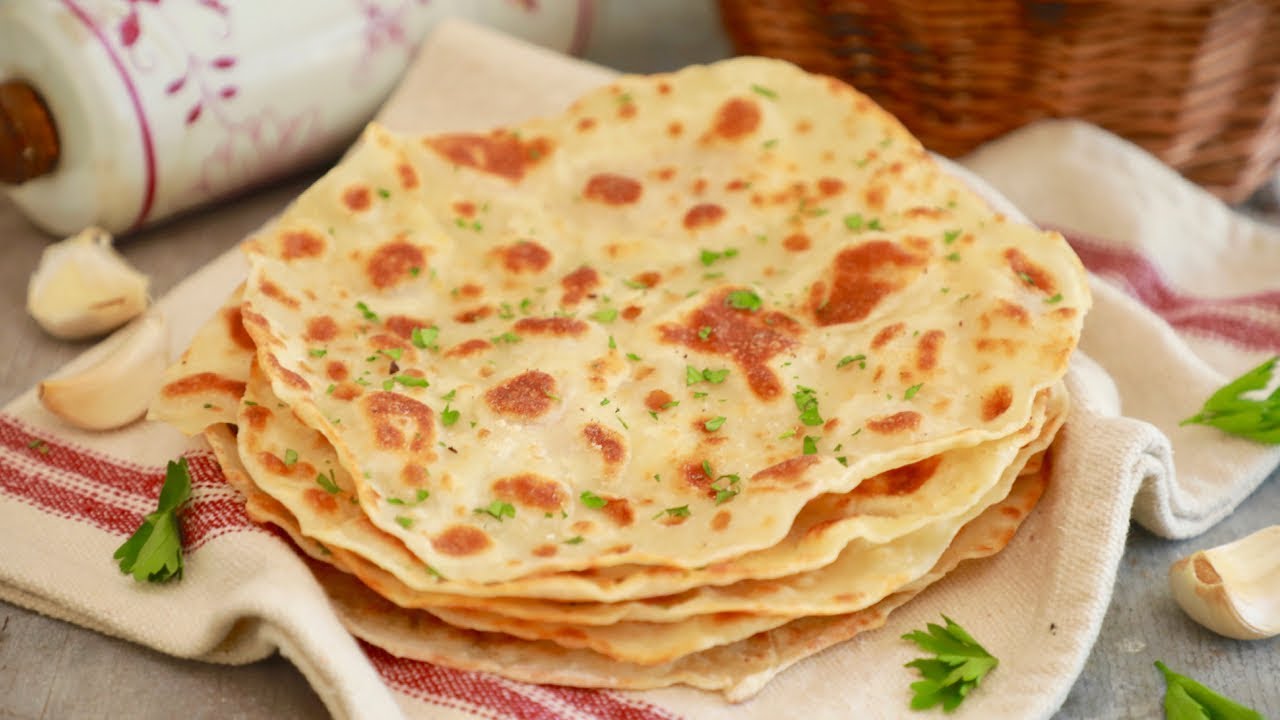
Flatbread Recipe: There’s something timeless and comforting about flatbread. It’s versatile, easy to make, and works with just about any meal.
Whether you’re dipping it in hummus, wrapping it around grilled meat, or enjoying it as a snack, this simple bread never fails to satisfy.
In this guide, I’ll walk you through every step to make delicious homemade flatbread. No fancy equipment, no hard-to-pronounce ingredients—just real, good food made by you.
What Is Flatbread?
Flatbread is exactly what it sounds like—bread that’s flat. Unlike loaves of bread that rise into soft, fluffy forms, flatbreads are usually thinner, unleavened (or only lightly leavened), and cooked quickly on a stovetop or in the oven. The beauty of flatbread lies in its simplicity. It can be chewy, crispy, soft, or even fluffy depending on the ingredients and how you prepare it.
You’ll find flatbread variations in nearly every cuisine—from Indian naan and Middle Eastern pita to Mexican tortillas and Armenian lavash. The best part? It can be customized endlessly. You can flavor it, stuff it, or just keep it basic and let the natural taste of the flour shine.
Why Make Flatbread at Home?
Making flatbread at home isn’t just fun—it’s also smart. Store-bought versions often contain preservatives, sugar, or other additives that your body doesn’t need. Homemade flatbread is healthier, tastier, and fresher.
Plus, it’s affordable. With just a few pantry staples, you can whip up a batch that feeds the whole family. There’s also the satisfaction of making bread with your own hands—rolling, kneading, and watching it puff up as it cooks. It’s therapeutic and rewarding.
If you’re into meal prepping, flatbread is a dream. You can freeze them for later or use them throughout the week in wraps, pizzas, sandwiches, or as a side for soups and curries.
Types of Flatbreads Around the World
Flatbread isn’t just one thing—it’s a whole world of breads. Here are some iconic types:
Tortilla
A Mexican staple made from wheat or corn flour. Perfect for tacos, burritos, and quesadillas.
Naan
A soft and chewy Indian bread, typically made with yogurt and sometimes yeast. Often cooked in a tandoor oven.
Pita
A Middle Eastern flatbread that’s puffed in the middle to create a pocket. Great for stuffing with meats or veggies.
Chapati/Roti
Unleavened Indian bread made with whole wheat flour and cooked on a skillet. Super simple and healthy.
Lavash
Thin and often crisp Armenian flatbread, sometimes used as a wrap.
Each of these brings a different taste, texture, and use to the table—but the core process is similar: mix, roll, and cook.
List of Ingredients You’ll Need
Before we dive into the how-to, here’s what you’ll need:
Basic Ingredients:
- 2 cups all-purpose flour (or whole wheat flour)
- ¾ cup warm water
- 2 tablespoons olive oil
- 1 teaspoon salt
- ½ teaspoon baking powder (optional but helps puffiness)
Optional Add-ons:
- 1 tablespoon yogurt (adds softness)
- 1 teaspoon garlic powder or minced garlic
- Chopped herbs (rosemary, thyme, cilantro)
- Seeds (sesame, nigella, flaxseed)
- Melted butter (for brushing after cooking)
These ingredients are flexible—feel free to experiment with flavors and textures to suit your taste.
Tools and Equipment Required
You don’t need any fancy kitchen gear, just the basics:
- Mixing bowl
- Measuring cups and spoons
- Rolling pin
- Cast iron skillet or non-stick pan
- Spatula or tongs
- Clean towel (for keeping bread warm)
How to Choose the Right Flour
Flour is the heart of your flatbread, so choosing the right one matters. Here’s a breakdown:
- All-purpose flour: The go-to choice. Light, easy to work with, and makes soft bread.
- Whole wheat flour: Healthier, nuttier flavor, but can be a bit denser.
- Bread flour: High in gluten, giving a chewier texture.
- Gluten-free flour: Works, but you’ll need binders like xanthan gum.
Mixing flours (e.g., half all-purpose, half whole wheat) can give you the best of both worlds.
The Role of Each Ingredient
Let’s break it down:
- Flour gives structure.
- Water hydrates and activates gluten.
- Salt adds flavor.
- Olive oil makes it tender and helps browning.
- Baking powder gives a slight puff (for softer bread).
- Yogurt (if used) tenderizes and adds tang.
Knowing this helps if you want to adjust the recipe later.
Step-by-Step Guide to Making Flatbread
Ready? Let’s get our hands messy!
Step 1: Mix the Dough
In a bowl, combine all-purpose flour, salt, and optional sugar or baking powder. Add warm water and a little oil or yogurt, mixing until a soft dough forms. The dough should be smooth and not sticky.
Step 2: Knead the Dough
Turn the dough onto a lightly floured surface and knead for 5–7 minutes. Kneading develops gluten, giving the flatbread a tender yet chewy texture. The dough should feel elastic and spring back when pressed.
Step 3: Let the Dough Rest
Cover the dough with a clean cloth and let it rest for 20–30 minutes. Resting relaxes the gluten, making the dough easier to roll and helping the flatbread puff slightly when cooked.
Step 4: Divide and Shape
Divide the rested dough into equal balls. Lightly flour each piece and roll into thin rounds or ovals, depending on preference. Aim for even thickness to ensure uniform cooking.
Step 5: Cook the Flatbread
Heat a dry skillet or griddle over medium-high heat. Cook each flatbread for 1–2 minutes per side until bubbles form and dark spots appear. Brush with butter or oil if desired. Serve warm as a wrap, side, or dipping bread.
Tips for Perfect Flatbread
Flatbread is easy, but here are some pro tips to take it from good to great:
- Use warm water: It helps the dough come together smoothly.
- Let it rest: Don’t skip the resting time—it makes rolling easier.
- Roll evenly: Uneven dough leads to uneven cooking.
- Hot pan = success: If your pan isn’t hot enough, the bread won’t puff or brown correctly.
- Don’t overcook: Just a couple of minutes per side is enough. Overcooking makes it dry and brittle.
- Keep warm: Use a towel to keep cooked bread warm and soft.
These little tricks can transform your homemade flatbread into something truly restaurant-worthy.
Common Mistakes to Avoid
Even the simplest recipes can go wrong. Avoid these common flatbread fails:
- Using cold water: It slows down gluten development.
- Skipping the rest: Makes dough tough and hard to roll.
- Rolling too thick or thin: Affects cooking and texture.
- Undercooked or overcooked bread: Watch the timing carefully.
- Not covering after cooking: Flatbread left out gets dry fast.
Paying attention to these simple things ensures your flatbread turns out soft, flavorful, and absolutely delicious every time.
Flavor Variations to Try
Once you master the basic recipe, the fun really begins. Here are some ideas to spice up your flatbread:
Garlic & Herb Flatbread
Add 1 teaspoon garlic powder and 1 tablespoon chopped fresh herbs (like parsley or rosemary) into the dough. You can also brush cooked bread with garlic butter for a flavor bomb.
Cheese-Stuffed Flatbread
Roll out a dough ball, add shredded cheese in the center, fold it over, seal the edges, and gently roll again. Cook as usual for a melty, cheesy treat.
Whole Wheat & Oat Flatbread
Replace half the all-purpose flour with whole wheat flour and add 2 tablespoons rolled oats. This gives the bread a hearty texture and nutty flavor—perfect for breakfast wraps or healthy lunches.
Feel free to experiment. You can add spices, crushed seeds, or even a touch of honey for a hint of sweetness.
Serving Suggestions
Flatbread goes with just about anything. Here’s how to enjoy it:
- As a side: Serve with soups, stews, or curries.
- For dipping: Pair with hummus, tzatziki, or baba ganoush.
- As a wrap: Fill with grilled chicken, falafel, veggies, or lamb.
- Flatbread pizza: Top with sauce, cheese, and toppings. Bake until bubbly.
- Breakfast: Roll with scrambled eggs, avocado, and salsa.
It’s incredibly versatile, making it a must-have in your kitchen rotation.
Storing and Reheating Flatbread
Want to make a batch ahead? No problem.
- Storage: Keep cooled flatbread in an airtight container or zip-lock bag at room temperature for 2 days. For longer storage, refrigerate for up to 5 days.
- Freezing: Wrap individually in parchment paper and freeze in a bag for up to 2 months.
- Reheating: Warm in a dry skillet, microwave, or oven. Brush with a little water before reheating to revive softness.
Flatbread actually stores quite well—making it perfect for meal prep.
Gluten-Free Flatbread Option
For those avoiding gluten, try this version:
Ingredients:
- 1 cup gluten-free all-purpose flour
- ½ cup plain yogurt (dairy or plant-based)
- ¼ teaspoon salt
- 1 tablespoon olive oil
Mix, rest, roll, and cook as you would the regular version. The dough will be a little softer and more delicate, but it works beautifully with a gentle hand.
Add psyllium husk (½ teaspoon) if you want a stronger dough structure. Gluten-free flatbread is great for people with celiac or wheat sensitivity.
FAQs about Flatbread Recipe
1. Can I make flatbread without oil?
Yes! Oil adds softness, but you can omit it for a firmer, chewier flatbread. You may need a touch more water.
2. What’s the best pan for cooking flatbread?
A heavy-bottomed skillet like cast iron works best. It retains heat and gives you those lovely char marks.
3. Why didn’t my flatbread puff up?
Your pan may not have been hot enough. Also, resting the dough and even rolling helps create pockets of steam.
4. Can I bake flatbread instead of pan-frying?
Absolutely! Preheat your oven to 450°F (230°C) and bake on a preheated stone or tray for 3–5 minutes.
5. How do I make my flatbread softer?
Add yogurt to the dough, don’t overcook, and cover with a towel after cooking to keep them warm and soft.
Conclusion
Flatbread is one of those beautiful kitchen staples that’s simple to make but endlessly customizable. Whether you’re new to baking or a seasoned home cook, this flatbread recipe is a great one to have in your back pocket. With a few ingredients, a hot pan, and a little love, you can make soft, chewy, flavorful bread that elevates any meal.
So, next time you’re craving something fresh and homemade, skip the store-bought package and make your own. Your taste buds—and your wallet—will thank you.