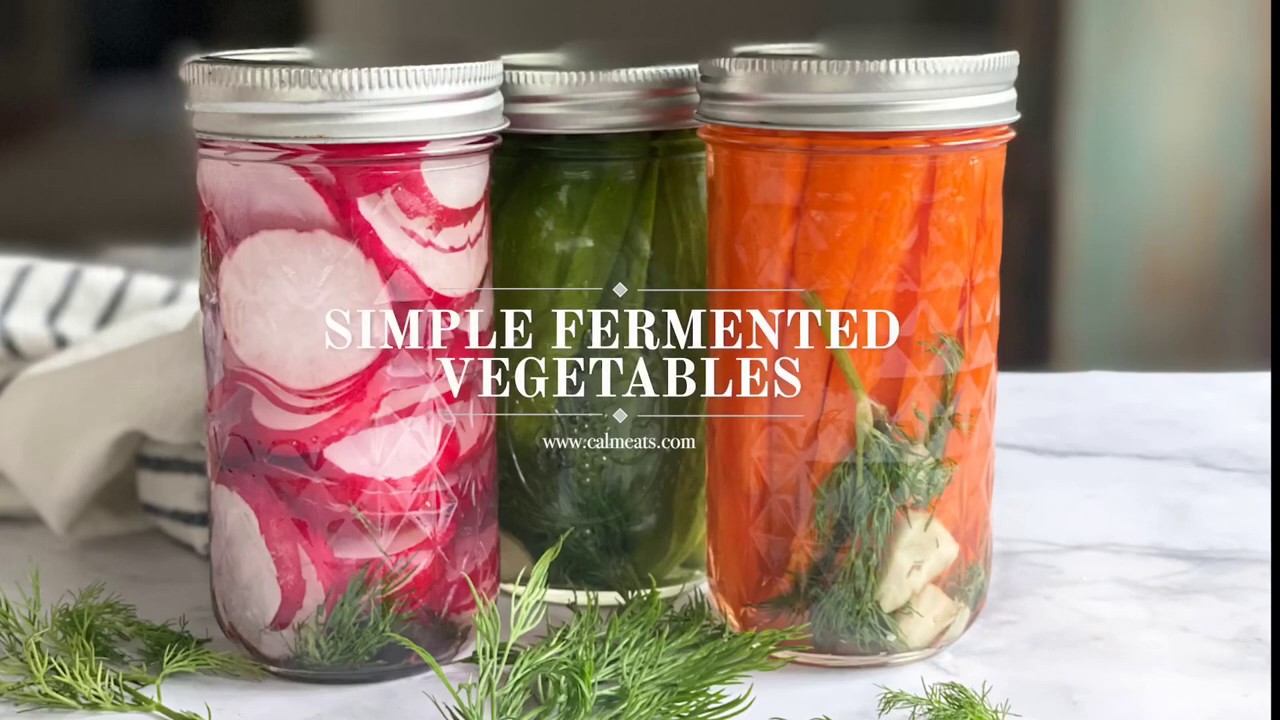
Fermented Vegetables Recipe: Fermentation has been around for centuries, and in recent years, it’s made a huge comeback. Why? Because it’s simple, healthy, and brings out deep, tangy flavors that store-bought pickles just can’t match. If you’ve ever thought about making your own fermented vegetables, you’re in for a treat.
This step-by-step guide will walk you through the process in a way that’s easy to follow, no matter your experience level.
What is Vegetable Fermentation?
Vegetable fermentation is a natural preservation process where beneficial bacteria—mainly lactobacillus—break down sugars in vegetables and convert them into lactic acid. This not only preserves the vegetables but also enhances their flavor and nutritional value. It’s like giving your veggies a probiotic boost while transforming their taste and texture. Think of it as the science of pickling without the vinegar. With time, salt, and patience, your veggies turn into tangy, zesty, gut-friendly powerhouses.
Unlike canning, fermentation is alive. The microbes involved in fermentation are living organisms that support your digestive health. The process doesn’t rely on heat, so most of the nutrients in the vegetables stay intact. It’s a little funky, a little magical, and totally worth trying.
Health Benefits of Fermented Vegetables
Fermented veggies are more than just tasty—they’re superfoods. These nutrient-packed snacks and sides are loaded with live probiotics, which can support your gut microbiome and overall digestive health. They’re also easier to digest than raw vegetables because the fermentation process breaks down some of the tougher fibers and starches.
Here’s what you can expect from regularly eating fermented vegetables:
- Improved digestion: Probiotics help balance gut bacteria.
- Boosted immunity: A healthy gut is closely linked to a strong immune system.
- Enhanced nutrient absorption: Fermentation can increase bioavailability of vitamins like B and C.
- Reduced inflammation: Some studies suggest probiotics help fight inflammation in the body.
- Weight management support: A balanced gut can influence metabolism and appetite.
Why You Should Ferment Your Own Veggies
Fermenting your own vegetables isn’t just fun—it’s empowering. You’re in control of the ingredients, flavors, and the entire process. Plus, it’s way more affordable than buying fancy fermented foods at health stores. You also reduce food waste by preserving fresh produce for weeks or even months.
Some personal perks of DIY fermentation:
- Custom flavoring: Add garlic, chili, herbs, and spices to make each batch unique.
- No preservatives: Say goodbye to mystery ingredients and additives.
- Cost-effective: A head of cabbage and some salt go a long way.
- Eco-friendly: Reduce packaging waste by using reusable jars.
Types of Vegetables Best for Fermentation
Not all vegetables ferment equally. Some develop better texture and flavor than others during the process. Here are some tried-and-true favorites:
Leafy vs. Crunchy Veggies
- Great choices: Cabbage, kale, collard greens, and mustard greens.
- Tips: These soften during fermentation and are often used in traditional recipes like kimchi or sauerkraut.
Root Vegetables
- Great choices: Carrots, radishes, turnips, beets.
- Tips: Keep their shape and crunch well, especially when cut into sticks or coins.
Other favorites include cauliflower, green beans, cucumbers, garlic, and onions. Don’t be afraid to experiment, just be sure to stick to firm, fresh, raw vegetables.
Essential Equipment You’ll Need
You don’t need a fancy fermentation kit to get started. Just a few kitchen basics will do.
Jars and Lids
- Glass mason jars: Quart or half-gallon size works best.
- Lids: Use plastic or metal screw-on lids, but don’t seal too tightly—you need some airflow.
Weights and Airlocks
- Fermentation weights: Glass or ceramic weights help keep veggies submerged.
- Airlocks: Optional but helpful for releasing gases without letting air in, reducing risk of mold.
Optional but helpful gear includes a wide-mouth funnel, wooden tamper, and labels for noting batch dates and ingredients.
List of Ingredients You’ll Need
Ready to get started? Here’s what you’ll need for a basic batch of fermented vegetables.
Basic Ingredients
- Fresh vegetables (cabbage, carrots, cucumbers, etc.)
- Non-iodized salt (sea salt or pickling salt)
- Filtered water (chlorine-free to avoid killing beneficial bacteria)
Optional Flavorings
- Garlic cloves
- Fresh herbs (dill, thyme, oregano)
- Whole spices (mustard seeds, peppercorns, coriander)
- Chili flakes or fresh hot peppers for heat
Make sure your produce is organic or well-washed to avoid pesticide residues that could interfere with fermentation.
Understanding Salt to Water Ratio
The salt ratio is crucial—it protects against bad bacteria and supports the good ones. A common brine ratio is:
- 2 tablespoons of salt per 1 quart (4 cups) of water
Use a digital scale if you want precision. Typically, a 2% brine solution (20 grams of salt per 1 liter of water) is perfect for most vegetable ferments.
Avoid iodized salt and use non-chlorinated water—chlorine can disrupt the microbial process and spoil the batch.
How to Prepare Vegetables for Fermentation
Washing and Chopping
Always start by rinsing your vegetables well. Remove dirt, pests, or any bad spots. Slice or chop your vegetables into uniform sizes—this helps with even fermentation and makes packing the jars easier.
Soaking and Pre-treatment
Some veggies, like cucumbers, benefit from a soak in cold water to crisp them up. Others, like cabbage, might need a salt massage to draw out water (especially for dry-salting sauerkraut).
It’s all about prepping them so the fermentation goes smoothly and your veggies stay fresh, crunchy, and delicious.
Sterilizing Jars and Tools
Even though fermentation is a natural process, cleanliness still matters. You don’t need to boil everything like with canning, but your jars and tools should be clean and free of soap residue.
- Wash jars in hot, soapy water or run through the dishwasher.
- Rinse thoroughly and let them dry before use.
- Use clean hands or food-safe gloves when handling ingredients.
You’re not trying to create a sterile environment—just a clean one that gives good bacteria the upper hand.
Step-by-Step Guide to Fermenting Vegetables
Now that you’ve got your ingredients, tools, and knowledge lined up, let’s walk through the actual process of fermenting vegetables step by step. Follow this guide carefully, and you’ll be enjoying your own delicious, probiotic-rich veggies in no time.
Step 1: Choose and Prepare Your Vegetables
Start by selecting fresh, firm vegetables. Avoid anything bruised or overly soft. Wash them thoroughly to remove dirt and pesticides, and then chop or slice them to your preferred size.
- Cabbage: Remove the outer leaves and slice thinly for sauerkraut.
- Carrots: Peel and cut into sticks or coins.
- Radishes, cauliflower, cucumbers: Slice or break into bite-sized pieces.
Chop uniformly so everything ferments evenly. Place your chopped vegetables in a large mixing bowl.
Step 2: Create the Brine
Now, it’s time to make the brine. If you’re using the wet brine method, dissolve 1–2 tablespoons of non-iodized salt in 4 cups of filtered water. Stir until the salt is fully dissolved.
For dry-salting (often used with cabbage), sprinkle salt directly onto the shredded vegetable and massage with your hands until the veggies release enough liquid to create their own brine. This can take 10–15 minutes.
Step 3: Pack the Jar
Start packing the vegetables tightly into a clean glass jar. Use a wooden spoon or your hand to press them down firmly as you go. You want to eliminate air pockets and compress the veggies below the liquid level.
If you’re using dry-salted veggies like sauerkraut, the juices released will act as the brine. If you’re using a saltwater brine, pour it over the veggies until they are fully submerged.
Step 4: Weigh Down the Vegetables
To keep everything submerged (this is key!), add a fermentation weight, a clean rock, or a small jar filled with water on top of the veggies. Some people use a food-grade plastic bag filled with extra brine as a weight.
Why does this matter? If your vegetables float and are exposed to air, they could develop mold or yeast on the surface.
Step 5: Cover and Seal the Jar
Loosely cover the jar with a lid. If you have an airlock lid, even better—it allows gases to escape without letting air in. If using a normal screw lid, don’t tighten it all the way. You’ll need to “burp” the jar once a day to let out the built-up CO₂.
Covering the jar with a clean cloth secured by a rubber band is also an option.
Step 6: Let It Ferment
Place your jar in a cool, dark place, ideally between 65°F to 75°F (18°C–24°C). Fermentation time varies depending on temperature, veggie type, and your flavor preferences.
Here’s a rough guide:
- Cabbage/sauerkraut: 1–3 weeks
- Carrots/radishes: 5–10 days
- Cucumbers: 3–7 days
Check your ferment daily. Press the veggies down if needed. You may see bubbling or notice a sour smell—that’s good! Avoid opening the lid too often unless burping.
How to Tell When Fermentation is Complete
Fermentation isn’t an exact science—it depends on your taste. After a few days, start tasting the vegetables daily until they reach the flavor and tang you like.
Signs that fermentation is complete:
- A tangy, slightly sour smell
- Bubbles or fizzing (active fermentation)
- Vegetables are softer but still have some crunch
- The brine is cloudy (normal and healthy)
Once you’re happy with the taste, transfer the jar to the fridge to slow down the fermentation. This helps preserve the flavor and texture for weeks or even months.
Storing Your Fermented Vegetables
After fermenting, your veggies can last for several months in the refrigerator if stored properly.
- Always keep the vegetables submerged in brine.
- Use clean utensils to remove portions—don’t double dip.
- If mold forms on top, scrape it off. If it smells rotten or feels slimy, discard the batch.
You can even move the ferment to smaller jars to save space and reduce exposure to air.
Label your jars with the date and ingredients for future reference. Trust us—it’s easy to forget what you put in that amazing jar of spicy kraut from three months ago!
Troubleshooting Common Problems
Even the best fermenters hit a bump now and then. Don’t panic—most issues are easy to fix or harmless.
Problem: White Film on Top
- Likely kahm yeast, not mold. It’s harmless but can affect flavor. Scoop it off.
Problem: Mold
- Fuzzy, colorful mold? That’s a no-go. Discard the batch and start again.
- Prevention: Ensure veggies are submerged and avoid air exposure.
Problem: Slimy Texture
- Usually a sign of too little salt or too high temperature.
- Solution: Stick to the right salt ratio and store in a cooler space.
Problem: Unpleasant Smell
- Fermented foods are pungent, but they shouldn’t smell rotten.
- Trust your nose—if it smells like compost, it’s better to toss it.
How to Use Fermented Vegetables in Meals
Fermented vegetables aren’t just healthy—they’re crazy versatile! Use them to add zing, crunch, and probiotics to any meal.
Here are some tasty ideas:
- Top sandwiches or burgers with sauerkraut or kimchi
- Add to salads or grain bowls for a burst of flavor
- Use as a side dish with grilled meats or fish
- Toss into tacos or wraps for a crunchy, sour punch
- Serve with eggs or avocado toast
Don’t cook them too much—high heat can kill the good bacteria. If you want the probiotic benefits, use them raw or added at the end of cooking.
FAQs about Fermented Vegetables Recipe
1. Can I use table salt for fermenting vegetables?
It’s best to avoid iodized table salt. Stick to non-iodized sea salt or pickling salt to avoid interfering with the fermentation process.
2. How long do fermented vegetables last?
Properly stored in the refrigerator, they can last several months—sometimes even up to a year.
3. Why are my vegetables floating above the brine?
Use fermentation weights or a small jar inside the larger one to keep them submerged. Exposure to air can cause spoilage.
4. Can I mix different vegetables in one jar?
Absolutely! Mixing carrots, cabbage, garlic, and herbs can make a delicious combo. Just make sure they have similar fermenting times.
5. What’s the difference between fermented and pickled vegetables?
Fermented vegetables rely on salt and beneficial bacteria. Pickled vegetables are preserved with vinegar and typically don’t contain probiotics.
Conclusion
Fermenting vegetables at home is one of the most rewarding things you can do in your kitchen. It’s easy, budget-friendly, and the health perks are hard to beat. All you need is a jar, some fresh produce, salt, and a little patience. With this guide, you’re more than ready to start your fermentation journey.
So go ahead—chop those veggies, prep that brine, and watch the magic of fermentation unfold. Once you taste your first crunchy, tangy batch, you’ll wonder why you didn’t start sooner.