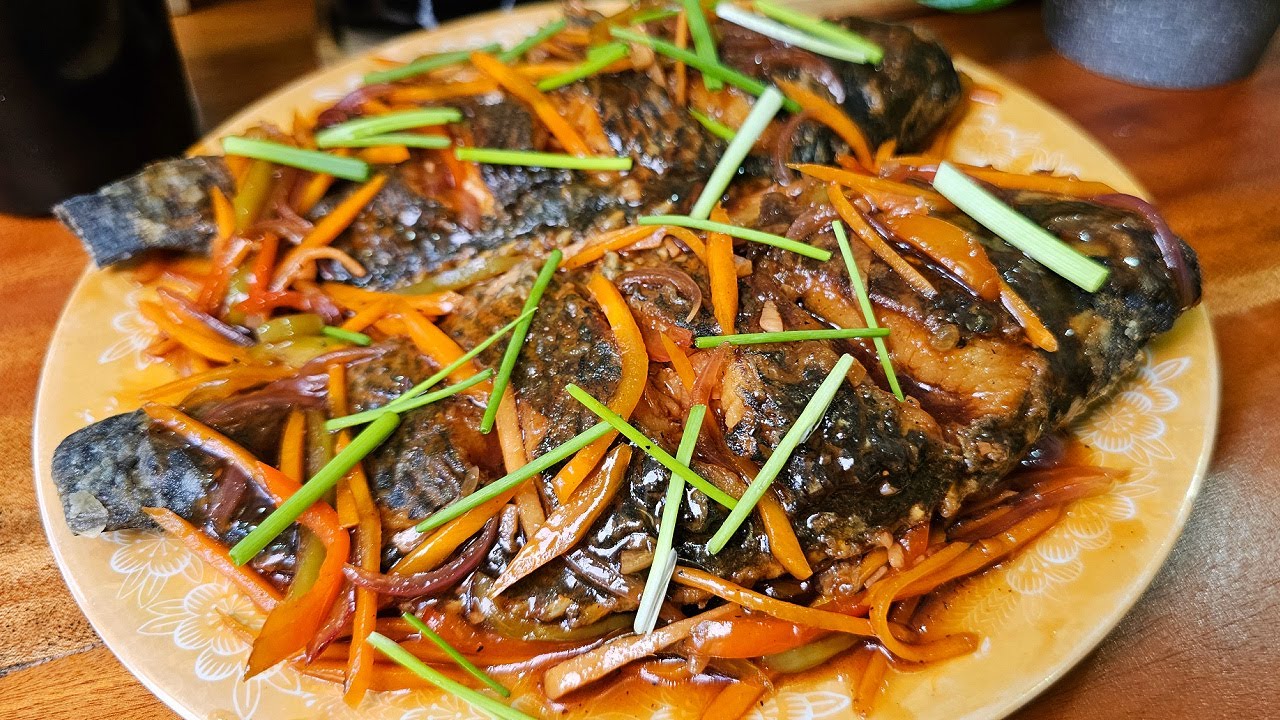
Filipino Fish Escabeche Recipe: Filipino Fish Escabeche is one of those classic Filipino dishes that instantly transports you to a traditional home kitchen. The crispy fried fish soaked in a tangy, sweet, and slightly spicy sauce is a feast for both the eyes and the palate. It’s a celebration of balanced flavors—sour, sweet, and savory all in one bite. Whether you’re making this for a casual family dinner or a festive celebration, Escabeche always feels like a special treat.
You don’t need to be a professional chef to master this dish. With a bit of preparation and the right ingredients, you’ll be amazed at how easily you can create this Filipino favorite in your own kitchen. It’s also a great way to introduce your family to new flavors, especially if they haven’t tried Filipino cuisine before.
What is Escabeche?
Escabeche is a dish with roots tracing back to Spanish colonial times. Originally a Mediterranean preservation method using vinegar and spices, the technique traveled to the Philippines and evolved into a completely unique dish.
In the Filipino version, escabeche typically uses a whole fried fish—like tilapia or lapu-lapu (grouper)—covered with a sweet and sour sauce made from vinegar, sugar, ginger, and colorful bell peppers. The Filipino take is notably brighter and more festive, often including more vegetables and a sweeter flavor profile than its Spanish counterpart.
This adaptation has become a staple in Filipino celebrations, from fiestas to birthday feasts, and it’s especially popular during Christmas and Holy Week. It’s not just a dish—it’s a tradition.
Health Benefits of Escabeche
Believe it or not, Escabeche isn’t just delicious—it’s good for you too. The star of the dish, the fish, is packed with lean protein, omega-3 fatty acids, and essential vitamins like B12 and D. When you choose fish like tilapia, mackerel, or bangus, you’re getting heart-healthy nutrients in every bite.
Then there’s the sauce—made with vinegar, garlic, ginger, and vegetables. Vinegar is known for helping control blood sugar and aiding digestion, while ginger and garlic both have anti-inflammatory properties. Add in the bell peppers and carrots, and you’ve got a dish that’s colorful, flavorful, and full of vitamins A and C.
So yes—Escabeche is not just a flavor bomb; it’s also a health-conscious choice if you cook it right.
Best Types of Fish for Escabeche
When it comes to choosing the right fish for your Escabeche, texture is everything. You want a firm, meaty fish that holds up well to frying and doesn’t fall apart when simmered in sauce.
Here are some of the best options:
- Tilapia – Affordable and widely available.
- Bangus (Milkfish) – Popular in Filipino households.
- Lapu-Lapu (Grouper) – Ideal for special occasions.
- Mackerel (Hasa-hasa) – Rich and flavorful.
Fresh fish is always best, but frozen will do if that’s what you have. Just make sure it’s thoroughly thawed and patted dry before frying.
List of Ingredients You’ll Need
Let’s get to the good stuff. Here’s everything you’ll need for a delicious, restaurant-quality Fish Escabeche:
Main Ingredients:
- 1 whole fish (tilapia, lapu-lapu, or bangus), cleaned and scaled
- 1 tsp salt
- ½ tsp ground black pepper
- ½ cup all-purpose flour (for dredging)
- 1 cup cooking oil (for frying)
For the Sweet and Sour Sauce:
- 1 tbsp minced garlic
- 1 tbsp minced ginger
- 1 medium onion, sliced
- 1 red bell pepper, sliced
- 1 green bell pepper, sliced
- 1 medium carrot, julienned
- ¾ cup vinegar
- ½ cup water
- ⅓ cup sugar (adjust to taste)
- 1 tbsp soy sauce (optional)
- 1 tbsp cornstarch diluted in 2 tbsp water (for thickening)
- Salt and pepper to taste
Optional Add-ins:
- Pineapple chunks for extra sweetness
- Bird’s eye chili for a spicy kick
- Scallions or leeks for garnish
This combo gives you that perfect balance of crispy, tender fish and a zesty sauce that clings to every bite.
Kitchen Tools You’ll Need
Before you dive into cooking, make sure your kitchen is prepped with the right tools. Having these on hand will make the cooking process smoother and more enjoyable:
- Non-stick frying pan or wok
- Tongs or slotted spatula
- Mixing bowls
- Saucepan
- Knife and chopping board
- Measuring cups and spoons
- Paper towels (for draining oil)
If you’re going for presentation, a nice platter for serving doesn’t hurt either!
Step-by-Step Guide to Making Filipino Fish Escabeche
Step 1: Clean and Prepare the Fish
Thoroughly clean the fish by removing the scales, gills, and innards. Rinse well and pat dry with paper towels. Make 2-3 slits on each side of the fish to help it cook evenly and absorb more flavor later.
Season both sides with salt and pepper, then lightly coat the fish with flour. This step helps achieve a crispier texture when frying.
Step 2: Season and Fry the Fish
Heat the cooking oil in a large frying pan over medium heat. Once the oil is hot, gently lay the fish into the pan. Fry each side for about 5-7 minutes or until golden brown and crispy.
Place the cooked fish on a paper towel-lined plate to drain the excess oil. Set aside.
Step 3: Make the Escabeche Sauce
In a separate saucepan or wok, heat about 1 tablespoon of oil. Sauté the garlic, ginger, and onions until aromatic. Add in the carrots and cook for 1-2 minutes, followed by the bell peppers.
Pour in the vinegar, water, and sugar. Stir well and bring to a boil without stirring until the vinegar scent mellows. Add soy sauce if you’re using it.
Once the mixture is simmering, pour in the cornstarch slurry and stir until the sauce thickens to your desired consistency. Season with salt and pepper to taste.
Step 4: Cook the Vegetables
Let the vegetables simmer in the sauce until they are tender-crisp. This usually takes 3–5 minutes. Don’t overcook them—you want the veggies to still have some bite and retain their vibrant color.
Step 5: Combine Everything
Place the fried fish on a serving platter. Pour the hot sauce and vegetables generously over the top of the fish. Make sure every part of the fish is covered in that delicious sauce.
Garnish with scallions or chili if you like a little heat.
Pro Cooking Tips
If you want your Filipino Fish Escabeche to taste like it came from your lola’s (grandmother’s) kitchen—or even better—then these pro tips will take your dish to the next level.
- Fry the fish just right – Make sure your oil is hot enough before adding the fish. If it’s not hot, the fish will absorb the oil and become soggy. Too hot, and you’ll burn the skin before the inside is cooked. Aim for medium-high heat.
- Don’t over-sauce – The sauce should complement the fish, not drown it. Pour enough to cover the fish generously but don’t flood the plate. You want to keep that crispy texture on the edges.
- Balance is everything – Taste your sauce before pouring. If it’s too sour, add more sugar. Too sweet? Add a splash more vinegar. You want that perfect harmony of sweet and tangy that makes escabeche so addictive.
- Use fresh vegetables – Crisp, colorful veggies not only make your escabeche beautiful but also add texture and nutrients. Don’t skip the ginger—it adds depth and warmth to the sauce.
- Let it sit before serving – Give the dish at least 10–15 minutes after saucing before serving. This allows the flavors to meld beautifully into the fish.
Common Mistakes to Avoid
Even seasoned home cooks can mess up escabeche if they’re not careful. Here are some common pitfalls and how to avoid them:
- Using low-quality vinegar – The vinegar is a star ingredient in escabeche, so using a harsh or overly synthetic vinegar can ruin the flavor. Opt for cane vinegar, apple cider vinegar, or even rice vinegar for a milder, fruitier taste.
- Overcooking the fish – Crispy is good, but dry is not. Monitor your frying time carefully and don’t step away from the stove. Overcooking will make the fish tough and hard to enjoy.
- Skipping the cornstarch slurry – This simple trick helps the sauce cling to the fish and veggies. Without it, your sauce may be too watery and run off the fish.
- Adding the sauce while the fish is still in the pan – Always remove the fish from the pan before adding the sauce. Pouring sauce while frying can mess with the texture and introduce too much moisture.
- Rushing the process – Escabeche is a balance of timing, seasoning, and presentation. Give each step the attention it deserves, and you’ll be rewarded with a delicious dish.
Escabeche Variations
One of the best things about escabeche? It’s versatile. Once you’ve mastered the classic version, you can mix it up based on your preferences and what’s in your pantry.
Escabeche with Bangus (Milkfish): This is a traditional version you’ll find in many Filipino households. Bangus is flavorful and slightly fatty, which adds richness to the dish. Be careful with the bones though—it’s best served butterflied and boneless if possible.
Escabeche na Pritong Tilapia: A budget-friendly and beginner-friendly version. Tilapia is readily available, easy to cook, and absorbs flavor beautifully.
Vegetarian Escabeche: Substitute tofu or fried eggplant for the fish. You can also add more vegetables like zucchini or mushrooms. The sauce and veggies remain the same, giving you all the escabeche flavor without the fish.
Spicy Escabeche: Add chopped red chilies or bird’s eye chili to the sauce if you like it hot. It balances beautifully with the sweetness of the sugar.
Serving Suggestions
Escabeche is more than just a main dish—it’s a centerpiece. Serve it with the right side dishes, and you’ve got a meal that’s comforting and unforgettable.
- Steamed white rice – A must. The neutral rice soaks up that sweet and tangy sauce like a sponge.
- Garlic fried rice – For an extra layer of flavor and a hearty meal.
- Pickled papaya (atchara) – Adds a contrast in texture and acidity.
- Sautéed green beans or kangkong – Simple veggies that pair well without overpowering the dish.
- Fresh calamansi or lemon wedges – A squeeze of citrus at the table elevates the flavor.
For special occasions, consider serving your escabeche on a long white platter with garnishes like green onions, chopped parsley, and thin citrus slices for visual appeal.
Storage and Leftovers
Got leftovers? No problem. Escabeche actually gets better as it sits, allowing the flavors to deepen overnight.
- Refrigeration: Store in an airtight container in the fridge. It’ll stay good for up to 3 days. The vegetables might soften more over time, but the flavor will still be amazing.
- Reheating: Warm gently over low heat on the stove. Avoid microwaving if possible, as it can make the fish rubbery. If you must, cover with a damp paper towel and microwave in short bursts.
- Freezing: Not recommended. The sauce becomes watery and the texture of the fish deteriorates when thawed.
Escabeche for Special Events
Escabeche isn’t just for everyday meals—it’s a showstopper for holidays, birthdays, and fiestas. Its bright colors and elegant presentation make it perfect for parties.
- Christmas and New Year’s – Escabeche is often served as part of the traditional Noche Buena spread.
- Fiestas – Every Filipino town fiesta features a variation of this dish.
- Family Reunions – Since you can make it ahead, it’s great for feeding a crowd.
If you’re hosting, prepare the fish and sauce ahead of time, but assemble the dish right before serving to keep the texture perfect.
Why Homemade Escabeche is Better
Sure, you might find fish escabeche at Filipino restaurants or carinderias, but nothing beats homemade.
- You control the quality – From the freshness of the fish to the balance of the sauce, everything is in your hands.
- Save money – Whole fish is often affordable, and the other ingredients are pantry staples.
- Tailor to your taste – Like it sweeter? Spicier? More gingery? Go for it. That’s the beauty of cooking at home.
Plus, when you make it yourself, you learn more than just a recipe—you connect with Filipino culture, family traditions, and generations of culinary wisdom.
FAQs about Filipino Fish Escabeche Recipe
1. What kind of vinegar should I use for escabeche?
Use cane vinegar for the most authentic flavor. Apple cider vinegar and rice vinegar are good alternatives if cane vinegar isn’t available.
2. Can I bake the fish instead of frying?
Yes, you can bake the fish at 400°F (200°C) for about 20–25 minutes until golden. It’s a healthier option, though you might miss some of the crispy texture.
3. How long can I store escabeche?
Properly stored in the fridge, escabeche can last for up to 3 days. The flavors actually improve after a day, making it a great make-ahead dish.
4. What makes Filipino escabeche unique?
The Filipino version is sweeter and includes vibrant vegetables like carrots and bell peppers. It’s more festive and colorful compared to the Spanish original.
5. Is escabeche safe for kids?
Absolutely! Just make sure to remove any small bones from the fish and adjust the spice level to suit their taste.
Conclusion
Filipino Fish Escabeche is more than just a dish—it’s a story of heritage, flavor, and celebration. With its bold colors, crispy fried fish, and that irresistible sweet and sour sauce, it’s no wonder this recipe has stood the test of time in Filipino kitchens.
By following this step-by-step guide, you’ll master the art of escabeche and bring a piece of the Philippines into your own home. Whether it’s your first time or your hundredth, this dish will never fail to impress—your family, your guests, and most importantly, yourself.
So grab that fish, prep your sauce, and cook up a Filipino classic that’s sure to steal the spotlight at any meal.