Enchiladas Sauce Recipe: Who doesn’t love a good enchilada? It’s one of those soul-satisfying dishes that combines comfort, spice, and warmth in every bite. But let’s be real—what makes or breaks an enchilada isn’t just the filling. It’s the sauce.
Yep, that rich, smoky, slightly spicy sauce is the real hero. And today, we’re diving deep into how to make the ultimate enchilada sauce from scratch.
Whether you’re cooking for a family dinner or meal prepping for the week, this guide will help you master the perfect sauce every single time.
What is Enchilada Sauce?
Enchilada sauce is a bold and flavorful sauce commonly used in Mexican cuisine. It’s the key component that gives enchiladas their signature taste. Typically made from a base of chili powder, tomato paste, broth, and spices, enchilada sauce ties all the ingredients together in a harmonious, zesty blend. Depending on your taste and region, you might find it in various forms—from smoky red sauces to tangy green tomatillo-based versions.
Some might say it’s just “spicy tomato sauce,” but let me stop you right there. It’s so much more. It’s that thing that makes you lick your plate clean without shame.
Types of Enchilada Sauce
Red Enchilada Sauce
Red enchilada sauce is the most common type you’ll find in recipes. It’s made using dried red chilies or chili powder, garlic, onion, tomato paste, and spices. This sauce packs a rich, earthy flavor with a deep red hue that adds an unmistakable Mexican flair.
Green Enchilada Sauce
Green enchilada sauce gets its color and tangy kick from tomatillos, green chilies, jalapeños, and cilantro. It’s slightly tart, a little spicy, and incredibly fresh. It pairs beautifully with chicken, pork, and veggie enchiladas.
Each type has its moment. Think of red as the bold, fiery sibling and green as the bright, zesty one.
Why Make Enchilada Sauce at Home?
Store-bought is convenient, sure. But homemade enchilada sauce? That’s where the magic happens. You get control over everything—spice level, salt, freshness, and quality of ingredients. Plus, no weird preservatives or additives.
Here are some real perks of making your own:
- Customizable heat levels
- Better flavor profile
- Healthier and fresher
- Budget-friendly
And once you realize how easy it is, there’s no going back to the canned stuff.
List of Ingredients You’ll Need
Basic Ingredients for Red Sauce
Here’s what you need to get that authentic restaurant-style flavor:
- 2 tablespoons vegetable oil (or butter)
- 2 tablespoons all-purpose flour
- 1/4 cup chili powder (adjust for spice level)
- 1/2 teaspoon garlic powder
- 1/2 teaspoon onion powder
- 1/2 teaspoon ground cumin
- 1/2 teaspoon dried oregano
- 1/4 teaspoon black pepper
- 1/4 teaspoon salt (more to taste)
- 2 tablespoons tomato paste (optional but adds richness)
- 2 cups chicken broth or vegetable broth
Optional Add-ons for Enhanced Flavor
- A dash of cinnamon for warmth
- A pinch of sugar to balance acidity
- 1 teaspoon smoked paprika for depth
- A few drops of apple cider vinegar for tang
Feel free to mix and match to your preference!
Kitchen Tools You’ll Need
Let’s keep it simple. Here’s what you’ll need:
- Medium saucepan
- Wooden spoon or whisk
- Measuring cups and spoons
- Blender (optional for a smoother texture)
- Ladle or jar for storing
No fancy gadgets. Just your everyday kitchen tools and a good attitude.
Step-by-Step Guide to Making Enchilada Sauce
Step 1: Prepare Your Ingredients
Before turning on the stove, measure and prep everything. Trust me, it makes the process smooth and less messy. Keep your spices pre-measured, broth ready, and tomato paste opened up.
Step 2: Make the Roux
In a medium saucepan, heat your oil over medium heat. Add the flour and whisk continuously. This step is called making a roux—a thickening base for the sauce. It should bubble slightly but not burn.
Cook the roux for about 1 minute until it turns a light golden color. This helps remove the raw taste of flour and forms the base for a smooth, velvety sauce.
Step 3: Add the Spices
Now, stir in the chili powder, cumin, garlic powder, onion powder, oregano, black pepper, and salt. Let it toast with the roux for about 30 seconds. This step is key. Toasting the spices unlocks their full potential and adds richness.
It should start smelling heavenly right about now.
Step 4: Pour in the Liquid
Gradually add in your broth, whisking constantly to avoid lumps. Once the broth is in, stir in the tomato paste and keep whisking until everything is well combined.
Step 5: Simmer and Thicken
Bring the sauce to a gentle boil, then reduce the heat and let it simmer for about 10–15 minutes. It will start to thicken as it cooks. Stir occasionally so it doesn’t stick to the bottom.
If it gets too thick, just add a splash of broth or water.
Step 6: Adjust Seasoning and Blend (Optional)
Taste and adjust your seasoning. Need more salt? Want it spicier? You’re the boss. If you like a silky-smooth sauce, you can blend it at this stage. Totally optional but gives it that restaurant-quality texture.
Once done, let it cool a bit before using or storing.
Pro Tips for the Best Flavor
Making enchilada sauce isn’t rocket science, but these tips will elevate your sauce from good to mouthwatering:
- Toast your spices: This brings out their aroma and adds a deeper flavor to your sauce.
- Use good-quality chili powder: Not all chili powders are created equal. Go for one with rich color and aroma.
- Let it simmer longer for intensity: A little patience goes a long way. Simmering gives the flavors more time to meld.
- Add a touch of acid: A splash of lime juice or vinegar at the end can brighten up the sauce.
- Customize your spice level: Like it hot? Add cayenne or crushed red pepper. Prefer it mild? Dial back the chili powder.
Don’t be afraid to experiment. That’s the beauty of homemade cooking—you’re in charge!
How to Make Green Enchilada Sauce (Bonus Recipe)
If red sauce is the bold older sibling, green enchilada sauce is the fresh and zesty one. It pairs perfectly with chicken, seafood, or veggie enchiladas and is a must-know for any home cook.
Green Sauce Ingredients
- 1 tablespoon olive oil
- 1/2 cup chopped onion
- 2 cloves garlic, minced
- 1 pound tomatillos, husked and rinsed
- 1–2 jalapeños, chopped (remove seeds for less heat)
- 1/2 cup fresh cilantro
- 1 teaspoon ground cumin
- Salt and pepper to taste
- 1 cup chicken or vegetable broth
- Juice of 1 lime
Step-by-Step for Green Sauce
- Sauté the aromatics: In a saucepan, heat olive oil and cook the onion until soft. Add garlic and sauté for another minute.
- Roast or boil the tomatillos: You can roast them in the oven until soft and browned or boil them for 5-7 minutes until tender. Roasting gives a smokier flavor.
- Blend everything: In a blender, combine tomatillos, cooked onion and garlic, jalapeños, cilantro, cumin, and broth. Blend until smooth.
- Simmer and season: Pour the mixture back into the saucepan. Bring to a simmer and cook for 10–15 minutes. Add salt, pepper, and lime juice.
This sauce is bright, tangy, and totally addictive.
Storage Tips: How to Store Your Enchilada Sauce
You’ve made a big batch (nice move!), but now you’re wondering how to keep it fresh. No problem.
Here’s what to do:
- Refrigerate: Store in an airtight container or jar in the fridge. It will last for up to 1 week.
- Cool before storing: Always let the sauce cool to room temperature before sealing. This prevents condensation, which can lead to spoilage.
- Label your jars: Especially if you’ve made both red and green sauces, labeling helps avoid mix-ups.
Pro tip? Store in mason jars—they’re leak-proof and look great in the fridge.
Freezing Enchilada Sauce: Can You Do It?
Absolutely! Enchilada sauce freezes beautifully, and it’s a great way to meal prep.
Here’s how to do it right:
- Use freezer-safe containers or bags
- Portion out: Freeze in 1-cup portions so you only thaw what you need
- Label with date: Homemade sauces last up to 3 months in the freezer
When you’re ready to use it, just thaw overnight in the fridge or reheat gently on the stove. Give it a good stir, and it’s ready to go!
How to Use Enchilada Sauce in Dishes
Okay, you’ve nailed the sauce. Now what?
Here are some tasty ideas to get creative:
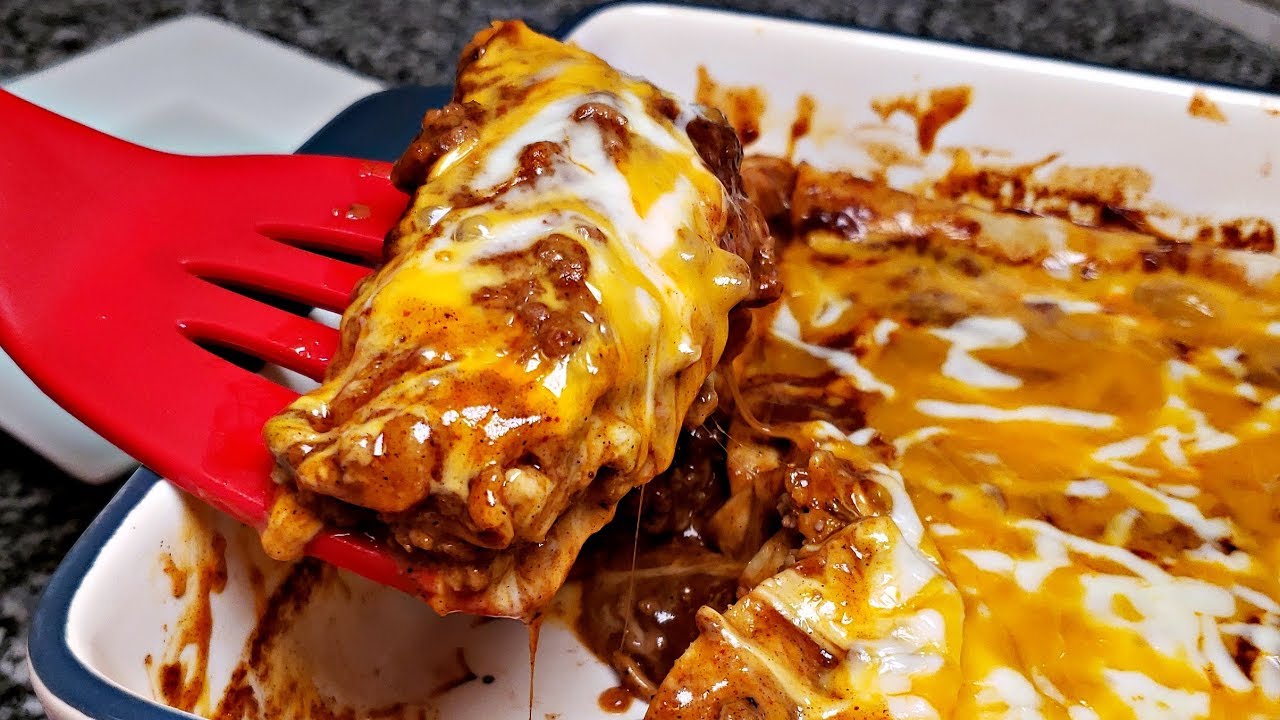
- Classic enchiladas: Pour over tortillas stuffed with cheese, chicken, or beef and bake until bubbly.
- Burrito smothering sauce: Drench your burrito in sauce and cheese for a restaurant-style wet burrito.
- Mexican lasagna: Layer tortillas, beans, meat, and enchilada sauce for a spicy twist.
- Soup base: Add it to chicken soup or chili for an extra depth of flavor.
- Eggs and rice: A quick drizzle turns scrambled eggs or a rice bowl into a fiesta.
The possibilities? Endless.
Common Mistakes to Avoid
Let’s keep your sauce game strong. Avoid these common pitfalls:
- Burning the roux: This gives your sauce a bitter taste. Cook it low and slow.
- Skipping the spice-toasting step: That 30 seconds of toasting? Crucial for flavor.
- Using low-quality chili powder: Go for fresh, high-quality spices. It makes a difference.
- Not tasting as you go: Always adjust salt and spice to your liking.
- Over-thickening: If your sauce becomes too pasty, just thin it with a little more broth.
Cooking is part science, part art. Don’t stress—just have fun with it!
Health Benefits of Homemade Enchilada Sauce
Believe it or not, your homemade enchilada sauce can be both delicious and nutritious. Here’s why:
- No preservatives or additives: Unlike canned sauces, you know exactly what’s going in.
- Lower sodium: You can control the salt, which is great for heart health.
- Anti-inflammatory spices: Chili powder, cumin, and garlic all have natural anti-inflammatory properties.
- Low in sugar: Many store-bought sauces sneak in sugar. Yours doesn’t have to.
When made with wholesome ingredients, this sauce becomes more than just a flavor booster—it’s a health-conscious choice, too.
FAQs about Enchiladas Sauce Recipe
1. Can I use fresh chilies instead of chili powder for red enchilada sauce?
Yes! You can rehydrate dried chilies like ancho or guajillo and blend them for a deeper, more authentic flavor. Just make sure to strain the sauce after blending for a smoother finish.
2. Is enchilada sauce the same as taco sauce?
Not quite. Enchilada sauce is typically cooked, thicker, and has more depth, while taco sauce is usually uncooked and thinner with a tangier flavor.
3. How do I make it gluten-free?
Swap out the flour for a gluten-free alternative like cornstarch or a gluten-free all-purpose blend. The taste stays just as delicious!
4. Can I make it vegan?
Absolutely. Use vegetable broth instead of chicken broth and ensure all ingredients are plant-based.
5. What if my sauce is too spicy?
You can mellow out the heat by adding a little sugar, extra broth, or even a splash of cream to soften the spice level.
Conclusion
So there you have it—your complete, no-fail guide to making enchilada sauce that will have your family begging for seconds. Whether you go for the deep, earthy richness of red or the zesty brightness of green, making it from scratch is totally worth the (minimal) effort. It’s one of those simple things that can totally transform your meals and elevate your home cooking game.
Now that you’ve got this recipe in your pocket, all that’s left is to use it. Try it on your next Taco Tuesday, meal prep session, or cozy weekend dinner. You’ll be amazed at how much flavor a homemade sauce can bring.