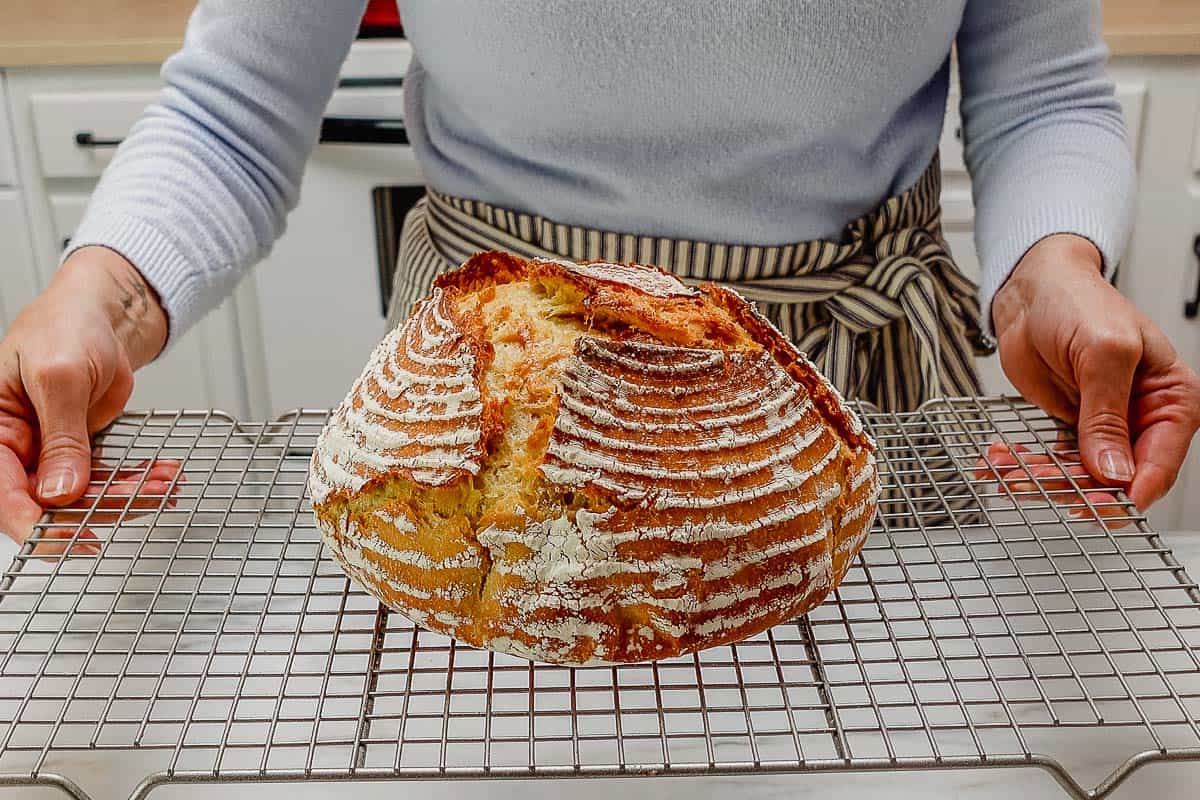
Einkorn Sourdough Bread Recipe: If you’ve been bitten by the sourdough bug or are simply trying to eat cleaner, more nutritious bread, you’re in the right place. Einkorn sourdough bread isn’t just another bread recipe—it’s an ancient, wholesome alternative that’s packed with nutrients and bursting with flavor.
Einkorn is the oldest variety of wheat known to man, untouched by modern hybridization. It’s rich in protein, minerals, and antioxidants, and it makes one deliciously hearty loaf of sourdough. Unlike conventional wheat, einkorn has a different gluten structure, which makes it more digestible for many people.
Making sourdough with einkorn flour does have a learning curve. The dough behaves differently—it’s stickier, more fragile, and requires gentle handling. But once you learn the rhythm, the reward is a flavorful, golden loaf with a rich, nutty flavor and a soft, moist crumb.
Ready to make this wholesome bread in your own kitchen? Let’s walk through the entire process from ingredients to baking!
Benefits of Using Einkorn Flour
Einkorn flour isn’t just trendy—it’s truly better for you. Here’s why it’s a smart choice, especially when making sourdough:
- Nutrient-Rich: Einkorn contains more protein, fiber, and essential vitamins than modern wheat. It’s particularly high in beta-carotene, lutein, and B vitamins.
- Easier to Digest: Because it’s a more ancient grain, einkorn’s gluten structure is less complex, which means many people who have trouble digesting modern wheat feel better eating einkorn.
- Low Gluten Content: Einkorn does contain gluten, but it’s in a different form—one that’s more water-soluble and gentler on the gut. This doesn’t make it safe for people with celiac disease, but some with gluten sensitivities find it tolerable.
Using einkorn means you’re baking with a grain that hasn’t been tampered with. It’s natural, whole, and incredibly nourishing.
What Makes Einkorn Sourdough Different?
Einkorn flour doesn’t act like all-purpose or even other whole wheat flours. Here’s what sets it apart:
- Stickier Texture: Einkorn dough is sticky even when properly hydrated. Don’t be tempted to add more flour. Embrace the stick!
- Fragile Gluten Network: Unlike modern wheat, einkorn forms a weaker gluten network, making it less elastic. You’ll need to handle the dough more gently during folds and shaping.
- Beautiful Flavor: The flavor is rich, nutty, and slightly sweet. It’s far more complex than white bread and pairs beautifully with savory or sweet toppings.
You’ll notice your einkorn sourdough might not rise quite as high or hold its shape as well as standard wheat breads, but that’s okay. The crumb will be soft, the crust golden, and the taste? Unbeatable.
Essential Tools and Equipment
To get started, here’s what you’ll need. Most of these can be found online or in a kitchenware store:
- Mixing Bowls – Glass or stainless steel is best.
- Digital Scale – Baking with precision matters with einkorn.
- Banneton (Proofing Basket) – Helps your dough hold its shape.
- Bench Scraper – A must for shaping sticky dough.
- Dutch Oven or Baking Stone – Traps steam for a perfect crust.
- Lame or Sharp Blade – For scoring the dough before baking.
- Thermometer (Optional) – Helps check doneness of your bread.
Good tools make a big difference, especially with a delicate dough like einkorn sourdough.
Ingredients You’ll Need
Here’s your simple einkorn sourdough shopping list:
| Ingredient | Amount |
|---|---|
| Einkorn Flour | 500g (about 4 cups) |
| Active Sourdough Starter | 100g (about 1/2 cup) |
| Filtered Water | 350g (about 1.5 cups) |
| Sea Salt | 10g (2 teaspoons) |
Optional: You can also experiment with adding seeds (like sesame or flax), herbs, or even a spoonful of honey for sweetness.
How to Make an Einkorn Sourdough Starter (Optional for Beginners)
If you don’t already have a starter, you can easily make one. Einkorn can be used to feed a sourdough starter from day one.
Steps:
- Day 1: Mix 50g einkorn flour with 50g filtered water. Let sit in a jar at room temp, lightly covered.
- Day 2–7: Every 24 hours, discard half the mixture and feed it 50g flour and 50g water.
- By day 5 or 6, you should see bubbles, rise, and a sour smell. That’s a good sign your starter is active.
Keep feeding daily, and once it’s doubling in size within 4–6 hours of feeding, it’s ready to use in your bread!
Step-by-Step Guide to Making Einkorn Sourdough Bread
This is where the magic happens! Follow these steps for a successful bake.
Step 1: Autolyse
Combine 500g einkorn flour with 350g water in a large bowl. Mix until just combined—no dry spots. Cover and rest for 30 minutes. This allows the flour to fully hydrate and develop flavor.
Step 2: Mixing the Dough
Add 100g active sourdough starter and 10g salt. Gently fold into the dough until evenly mixed. Einkorn dough doesn’t require aggressive kneading—gentle folds are best.
Step 3: Bulk Fermentation
Cover the bowl with a towel and let the dough rise at room temperature for 4–6 hours. Einkorn ferments faster than modern flours, so keep an eye on it. It should look puffed and bubbly.
Step 4: Stretch and Folds
During the first 2 hours of bulk fermentation, perform 2–3 sets of stretch and folds every 30–45 minutes. Be gentle—the gluten structure is delicate. Use wet hands to prevent sticking.
Step 5: Shaping the Dough
Turn the dough out onto a lightly floured surface. Using a bench scraper, fold the dough into a round or oblong shape. Don’t over-handle it. Einkorn dough is delicate, so one good shaping is enough.
Step 6: Final Proof
Transfer to a well-floured banneton or bowl lined with a towel. Cover and refrigerate overnight (8–12 hours). Cold proofing gives better flavor and helps the dough firm up.
Step 7: Scoring
Preheat your oven to 475°F (245°C) with a Dutch oven inside. When ready, gently flip the dough onto parchment paper. Score the top with a sharp blade.
Step 8: Baking
Place the dough (on the parchment) into the hot Dutch oven. Bake covered for 25 minutes, then uncovered for another 20–25 minutes until golden brown. Internal temp should read around 205°F (96°C).
Step 9: Cooling
Remove from oven and let it cool completely on a wire rack. This step is crucial! Slicing too soon can result in a gummy crumb.
Einkorn Dough Tips and Tricks
Working with einkorn is a little different than traditional wheat, but once you learn its personality, it becomes a joy to bake with. Here are some pro tips to help you master einkorn sourdough:
- Don’t overwork the dough: Einkorn’s gluten structure is weaker, which means aggressive kneading can actually break it down instead of strengthening it. Gentle folding works best.
- Expect a sticky dough: Don’t panic if your dough feels wetter than you’re used to. Resist the urge to add too much extra flour—just lightly wet your hands or use a bench scraper when shaping.
- Use cold proofing to your advantage: Because einkorn dough can spread more than other doughs, cold proofing helps it firm up and makes scoring easier. It also develops deeper flavors.
- Stick with parchment: Since einkorn dough is sticky, lining your Dutch oven or baking surface with parchment makes the transfer and cleanup easier.
- Temperature matters: Einkorn ferments faster, especially in a warm room. If your kitchen is warm, shorten the bulk ferment time to avoid over-proofing.
These small adjustments will save you a lot of trial and error and lead to a more enjoyable baking experience.
Einkorn Sourdough Bread Timeline
If you’re wondering how to schedule your baking day, here’s a sample 24-hour timeline that many bakers find helpful:
| Time | Step |
|---|---|
| 8:00 AM | Mix flour and water (autolyse) |
| 8:30 AM | Add starter and salt |
| 9:00 AM | Start bulk fermentation |
| 9:30 AM | First stretch and fold |
| 10:15 AM | Second stretch and fold |
| 11:00 AM | Third stretch and fold |
| 1:00 PM | End bulk ferment and shape |
| 1:30 PM | Transfer to banneton and chill |
| Overnight | Final proof in refrigerator |
| Next Morning | Bake straight from the fridge |
This schedule is flexible, but cold proofing overnight really improves flavor and structure.
Common Mistakes to Avoid
No matter how skilled you are, baking with einkorn is humbling at times. Here are some common mistakes beginners make—and how to avoid them:
- Adding too much flour: Einkorn is sticky by nature. If you add flour to reduce stickiness, you may end up with dry, dense bread.
- Over-proofing: Because einkorn ferments fast, it’s easy to overdo it. Watch for signs like collapsing dough, excessive stickiness, or a very sour smell.
- Not letting the bread cool: It’s tempting to slice into fresh bread, but warm einkorn loaves will be gummy inside. Let it cool completely for the perfect crumb.
- Ignoring the starter’s health: Your starter should be bubbly, active, and rise well after feeding. A sluggish starter won’t give you the rise you need.
Avoiding these mistakes can be the difference between a flat flop and a beautifully risen, flavorful loaf.
How to Store Your Sourdough Bread
Einkorn sourdough stays moist longer than many other breads, but proper storage ensures it lasts and stays tasty:
- Room Temperature: Store your loaf in a paper bag or bread box for up to 3 days. Avoid plastic bags unless it’s partially sliced, as they trap moisture and can cause sogginess.
- Freezer: Slice your loaf and freeze individual slices in a zip-top bag. Just toast from frozen when you need them.
- Reviving Stale Bread: Sprinkle with a little water and bake in a hot oven (350°F) for 5–10 minutes to bring back the crust and moisture.
Fresh einkorn sourdough is best enjoyed within the first few days, but these tips help it go the distance.
Ways to Enjoy Your Einkorn Sourdough Bread
You’ve baked the perfect loaf—now what? Here are some delicious ways to enjoy it:
- Classic Avocado Toast: Top a slice with mashed avocado, chili flakes, and a squeeze of lemon.
- Rustic Sandwiches: Layer with turkey, fresh mozzarella, tomatoes, and basil.
- Dipping Bread: Serve with olive oil and balsamic vinegar for a simple appetizer.
- Sweet Treat: Try a slice with almond butter, banana, and a drizzle of honey.
- French Toast: Slightly stale slices make excellent French toast the next day.
Einkorn sourdough has a flavor that enhances both sweet and savory combinations. Don’t be afraid to get creative!
Nutrition Facts of Einkorn Sourdough Bread
Here’s a rough estimate per slice (based on an average 700g loaf cut into 12 slices):
| Nutrient | Amount per slice |
|---|---|
| Calories | ~140 |
| Carbohydrates | ~25g |
| Protein | ~4g |
| Fat | ~1g |
| Fiber | ~2g |
| Sodium | ~150mg (depends on salt) |
| Iron, Magnesium | Rich in both |
These values can vary depending on your recipe adjustments, but overall, einkorn provides more nutrients than modern wheat with fewer allergens and higher digestibility.
Is Einkorn Sourdough Good for Gluten Sensitivity?
Einkorn does contain gluten, but here’s the thing—it’s a different kind of gluten than what’s found in today’s hybridized wheat. Einkorn’s gluten is weaker, more water-soluble, and hasn’t been genetically modified.
Because of this:
- Some with gluten sensitivities report fewer symptoms when eating einkorn.
- It’s NOT safe for people with celiac disease, as even ancient gluten is still gluten.
- Sourdough fermentation further breaks down gluten and phytic acid, making the bread easier on digestion.
So, if you’re gluten-sensitive (but not celiac), einkorn sourdough could be a gentler option for you. As always, it’s best to test with small amounts or consult a healthcare professional.
FAQs about Einkorn Sourdough Bread Recipe
1. Can I use all-purpose einkorn flour instead of whole grain?
Yes! All-purpose einkorn flour is lighter and easier to handle. It will yield a softer crumb and a higher rise, but with slightly less fiber and nutrients than whole grain einkorn.
2. Why is my einkorn dough so sticky?
That’s totally normal. Einkorn flour doesn’t absorb water the same way modern flours do, and it lacks strong gluten bonds. Use wet hands or a bench scraper instead of adding more flour.
3. Can I freeze einkorn sourdough bread?
Absolutely. Slice the loaf, freeze the slices in a sealed bag, and toast them as needed. The texture and flavor hold up beautifully when frozen properly.
4. How long does einkorn sourdough bread last?
At room temperature, it stays fresh for 3–4 days. After that, it’s best to freeze it or toast stale slices for croutons or breadcrumbs.
5. Does einkorn sourdough taste sour?
Not necessarily. The sourness depends on how long you ferment it and how strong your starter is. Cold-proofing overnight can add more tang, but einkorn itself has a naturally sweet and nutty flavor that balances the sour notes well.
Conclusion
Einkorn sourdough bread is more than a recipe—it’s a return to real food. By using the oldest form of wheat and natural fermentation, you’re making bread that nourishes your body and soul. It’s slower, yes. A little more finicky? Sure. But the results are so worth it.
Whether you’re new to sourdough or a seasoned baker looking to explore ancient grains, einkorn offers a rich flavor, improved nutrition, and the satisfaction of baking something truly special.
Ready to give it a try? Dust off your Dutch oven, feed your starter, and start your einkorn sourdough journey today. You won’t look back.