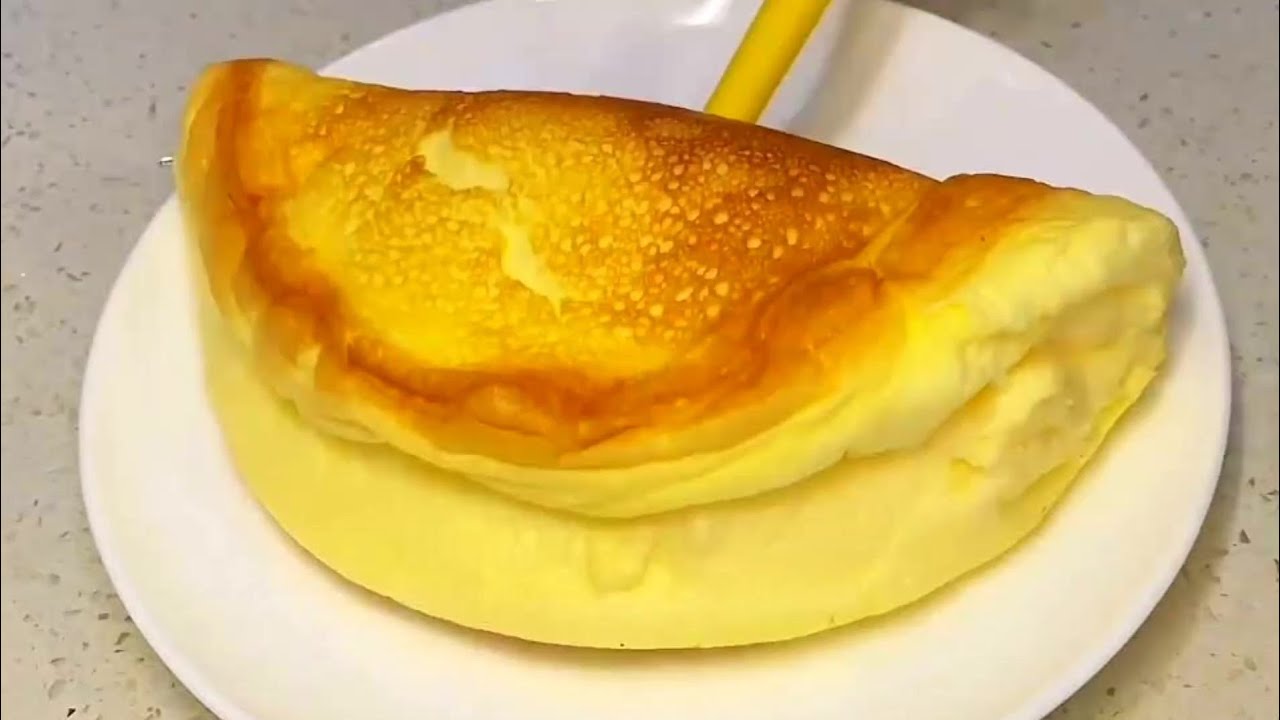
Egg Soufflé Recipe: If you’re looking to impress at brunch or serve something sophisticated for breakfast or even dinner, the egg soufflé is your golden ticket. Light, fluffy, and packed with rich flavor, this French classic is surprisingly doable when you break it down step by step. Whether you’re a curious beginner or an ambitious home cook, this guide will walk you through everything you need to know to master the perfect egg soufflé.
Soufflés have a reputation for being finicky, and yes, there’s a bit of science involved. But don’t worry—we’ll keep things simple, clear, and human. The best part? Once you nail this, you’ll feel like a culinary magician.
Ready to make your soufflé rise to the occasion? Let’s get cooking.
The Magic Behind the Soufflé
What makes a soufflé rise? The answer is: air. Specifically, the air trapped in the whipped egg whites. When the soufflé bakes, the air expands, lifting the mixture up like a balloon. But this isn’t just kitchen wizardry—it’s pure science.
Beaten egg whites are full of tiny bubbles, and when they’re carefully folded into a rich base (usually a béchamel or cheese sauce), you get the perfect balance of structure and air. Heat causes the proteins to set, trapping the air and giving you that beautiful, golden rise.
So, in a way, making a soufflé is like building a house of bubbles—one that tastes incredible.
List of Ingredients You’ll Need
To get started, here’s what you’ll need for a basic cheese egg soufflé. This version is classic, simple, and delicious.
Basic Ingredients:
- 4 large eggs (separated)
- 2 tablespoons unsalted butter
- 2 tablespoons all-purpose flour
- 1 cup whole milk
- 1 cup shredded cheese (Gruyère, cheddar, or a blend)
- 1/4 teaspoon cream of tartar (optional but helpful)
- Salt and pepper to taste
- A pinch of nutmeg (optional for depth)
Optional Add-Ins:
- Cooked spinach (well-drained)
- Cooked bacon bits
- Fresh herbs (chives, thyme, parsley)
- Garlic powder or mustard powder for a flavor kick
Tools & Equipment:
- Ramekins or a soufflé dish (well-buttered and dusted)
- Electric mixer or whisk
- Saucepan
- Rubber spatula
- Mixing bowls
Pro tip: Always prep everything in advance. Once you start, timing and flow are key.
Choosing the Right Eggs
Fresh eggs matter. They whip better, hold their structure longer, and give your soufflé more rise. If you can get farm-fresh or organic eggs, go for it.
Separating eggs can be tricky. Here are a few tips:
- Do it while they’re cold. Yolks are firmer and less likely to break.
- Use three bowls. One for whites, one for yolks, and one to crack each new egg into. That way, if you mess up, you don’t ruin all the whites.
- No yolk allowed. Even a drop of yolk in the whites can ruin the meringue.
This step is small but mighty. A clean separation gives you the structure your soufflé needs.
Preparing Your Kitchen
Start by preheating your oven to 375°F (190°C). A hot, stable oven is critical—soufflés hate temperature swings.
Preparing the Ramekins:
- Butter the insides thoroughly, all the way to the top.
- Dust with grated Parmesan or breadcrumbs. This helps the soufflé “climb” up the sides.
Set them aside on a baking tray so they’re easy to move into the oven later.
You’re now ready to soufflé like a pro.
Step-by-Step Guide to Making the Perfect Egg Soufflé
Let’s break it down one step at a time so nothing goes sideways.
Step 1: Separate the Eggs Carefully
Separate egg whites from yolks while the eggs are cold, as this reduces breakage. This step is critical because even a small amount of yolk can prevent the whites from whipping properly. Crack eggs one at a time into a separate bowl before adding to the whites to avoid contamination.
Step 2: Prepare the Base Mixture
Make a roux by melting butter in a saucepan and whisking in flour until smooth. Cook briefly to remove the raw flour taste. Slowly add warm milk, whisking constantly, until thick and smooth. Remove from heat and stir in egg yolks, grated cheese (such as Gruyère or cheddar), salt, pepper, and optional seasonings like nutmeg or mustard.
Step 3: Beat the Egg Whites to Stiff Peaks
Use a clean, grease-free bowl and whisk, hand mixer, or stand mixer. Beat the egg whites until stiff peaks form—this means the whites stand straight up when the whisk is lifted and hold their shape. Stop beating once glossy peaks appear to avoid overbeating, which makes folding difficult.
Step 4: Fold the Egg Whites Gently
Add one-third of the egg whites to the base and fold gently to loosen it. Then carefully fold in the remaining whites using a spatula with slow, sweeping motions. Proper folding keeps the air trapped, which is essential for the soufflé to rise.
Step 5: Fill and Bake
Butter ramekins and lightly coat with grated cheese or breadcrumbs. Fill them about three-quarters full to allow room for expansion. Place on the middle rack of a preheated oven at 190°C (375°F). Bake until puffed and golden, about 12–15 minutes. Do not open the oven door during baking, as sudden temperature changes can cause the soufflé to collapse.
Serve immediately for the best rise and texture.
How to Know When Your Soufflé is Done
Knowing when your soufflé is just right takes a little practice, but here are some solid indicators:
Visual Cues:
- The top should be puffed up and golden brown.
- The center should have a gentle jiggle—like set custard—not runny.
Time & Temperature:
- Small ramekins: 20–25 minutes
- Large soufflé dish: 30–35 minutes
Use the oven light to check instead of opening the door. And remember: a slightly underdone soufflé is better than a dried-out one.
When in doubt, trust your senses—sight, smell, and maybe a tiny poke test if you’re feeling brave.
Common Mistakes to Avoid
Even seasoned cooks can mess up a soufflé. Here are the top pitfalls and how to dodge them:
1. Deflating the Whites
Mix too hard or fast, and you’ll knock the air out. Fold gently and with care.
2. Overmixing the Base
Lumps aren’t always bad. It’s better to be slightly under-mixed than to ruin your volume.
3. Opening the Oven Door Early
The sudden drop in temperature can cause your soufflé to collapse. Don’t peek!
4. Wrong Temperature
If your oven runs hot or cold, adjust. Use an oven thermometer if needed. Accurate heat is key.
5. Dirty Mixing Tools
Any fat or residue in your mixing bowl or on your whisk will sabotage your whites. Make sure they’re squeaky clean.
Learn from these, and you’ll avoid the heartbreak of a fallen soufflé.
Serving Suggestions
The soufflé waits for no one. As soon as it’s out of the oven, it starts to deflate—so serve immediately!
What to Serve It With:
- A fresh green salad with vinaigrette
- Crispy toast or baguette slices
- Roasted vegetables
- A glass of sparkling water or juice
This dish is light yet satisfying and works for breakfast, brunch, or even dinner. Serve it straight from the oven and watch the oohs and aahs roll in.
Want to impress someone without saying a word? Serve them a freshly baked soufflé.
Variations of the Classic Egg Soufflé
Once you’ve mastered the base, the flavor possibilities are endless. Here are some delicious ideas:
1. Cheese Soufflé (Classic)
- Use Gruyère, sharp cheddar, or Comté.
- Add a bit of Dijon mustard or cayenne for extra depth.
2. Spinach Soufflé
- Cook spinach and drain thoroughly.
- Mix into the base with a bit of garlic or shallots.
3. Bacon & Herb Soufflé
- Crisp bacon bits add salty, smoky flavor.
- Fresh herbs like chives or thyme lighten the profile.
4. Mushroom & Swiss
- Sautéed mushrooms pair beautifully with nutty Swiss cheese.
- Great for a savory dinner option.
5. Sweet Soufflés (Bonus)
- Swap the cheese for sugar and vanilla.
- Add fruit purée or chocolate for dessert versions.
Experiment and make it your own. Once you get the technique, you’ll find your favorite combo.
Storage and Reheating Tips
Let’s be real—soufflés are best eaten fresh, straight out of the oven. That’s when they’re at their puffiest, fluffiest, and most magical. But if you’ve got leftovers (lucky you!), here’s how to handle them.
Can You Store a Soufflé?
Yes, but with some caveats.
- Refrigerate immediately once it cools to room temperature.
- Use an airtight container to prevent drying out.
- It’s best to eat it within 1–2 days for decent flavor and texture.
Reheating Without Ruining It:
While your soufflé won’t puff back up like before, it can still be tasty when warmed right.
Oven Method (Best Option):
- Preheat oven to 350°F (175°C).
- Place the soufflé in an oven-safe dish.
- Cover loosely with foil to prevent browning.
- Heat for 10–15 minutes or until warmed through.
Microwave Method (Faster, But Riskier):
- Place on a microwave-safe plate.
- Cover with a damp paper towel.
- Heat in 20-second intervals until warm.
Warning: Microwaving can make it rubbery, so go slow.
Think of a reheated soufflé like a cozy leftover frittata—not quite the original, but still full of flavor.
Nutritional Information
Here’s a rough estimate for one serving of a basic cheese egg soufflé (based on a recipe yielding 4 servings).
| Nutrient | Amount (per serving) |
|---|---|
| Calories | 210–250 kcal |
| Protein | 10–12g |
| Fat | 16–18g |
| Carbohydrates | 5–7g |
| Fiber | 0g |
| Sugar | 2–3g |
| Sodium | 300–400mg |
| Calcium | 20% of daily value |
This dish is rich in protein, thanks to the eggs and cheese. It’s not low-fat, but it is relatively low-carb and satisfying—especially when paired with fresh vegetables or salad.
To make it lighter, try using skim milk and part-skim cheese. For a richer version, use cream instead of milk.
FAQs about Egg Soufflé Recipe
1. Can I make soufflé ahead of time?
Yes—kind of. You can prepare the base and whip the egg whites separately. When you’re ready to bake, fold them together and pop them in the oven. Don’t let the batter sit too long once combined, though, or you’ll lose the puff.
2. What’s the best cheese for egg soufflé?
Gruyère is a classic choice—nutty, melty, and flavorful. But cheddar, Swiss, or even Parmesan can work beautifully. Use high-quality cheese for the best results.
3. Can I make it without ramekins?
Definitely! You can use a small casserole dish or any oven-safe dish with high sides. Just adjust the baking time—larger dishes may take longer to bake through.
4. Why did my soufflé collapse?
Soufflés naturally deflate after baking, but premature collapse can be caused by:
- Overmixed or under-whipped egg whites
- Opening the oven door too early
- Overbaking or baking at the wrong temperature
5. Can I make it dairy-free?
Yes! Use plant-based butter and non-dairy milk like oat or almond. For cheese, there are dairy-free alternatives, though they may affect texture slightly.
Conclusion
There you have it—the full, no-fail, step-by-step guide to making an epic egg soufflé that rises tall and tastes incredible. Is it fancy? Absolutely. But is it impossible? Not even close.
Soufflés are the kind of dish that makes you feel like a chef. And once you understand the basics—whipping, folding, timing—it becomes a recipe you can return to again and again. Whether you stick with the classic cheese version or branch out into savory or sweet territory, you’ll have a go-to showstopper in your kitchen toolkit.
So preheat that oven, separate those eggs with confidence, and whip up a little magic today. Because honestly? You’ve got this.
Bon appétit!