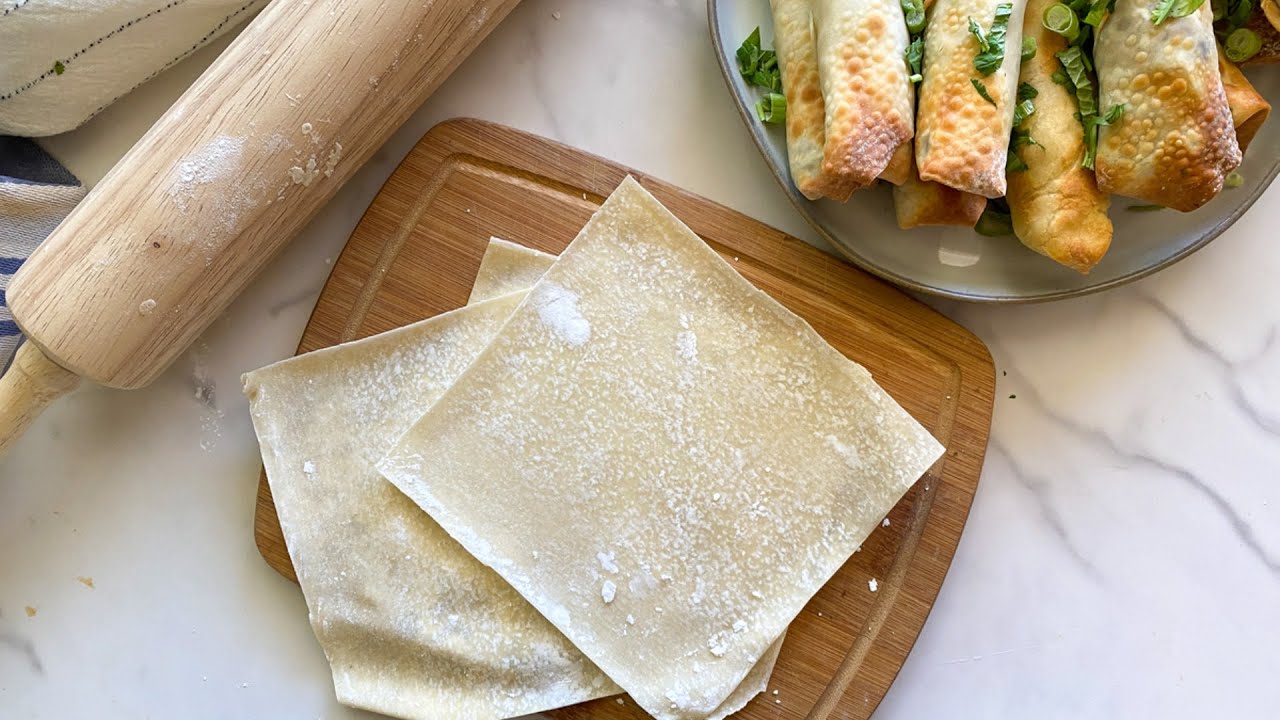
Egg Roll Wrapper Recipe: If you’ve ever had an egg roll from your favorite takeout spot and thought, “Wow, I wish I could make this at home,” you’re not alone. But here’s the thing—making egg rolls at home is much easier than you think. And the secret to a perfect homemade egg roll isn’t just in the filling. It starts with the wrapper.
Yes, the egg roll wrapper is the real game-changer. These thin sheets of dough hold everything together and crisp up beautifully when fried or baked. While store-bought wrappers are convenient, there’s nothing quite like the flavor and freshness of homemade ones. Plus, when you make them yourself, you can control the ingredients, adjust the thickness, and even make them gluten-free or vegan.
So today, we’re diving deep into how to make egg roll wrappers from scratch. From mixing the dough to rolling it out paper-thin, I’ve got every step laid out for you—no fancy machines, no stress, just good old-fashioned cooking. Let’s get rolling!
List of Ingredients You’ll Need
Making egg roll wrappers at home requires only a handful of ingredients—most of which you probably already have in your pantry. Here’s what you’ll need:
Basic Ingredients:
- 2 cups all-purpose flour – This is the base. Use unbleached for better flavor.
- ½ teaspoon salt – Enhances the overall taste.
- ¾ cup warm water – Helps with smooth dough formation.
- 1 tablespoon cornstarch (optional) – Adds stretchiness and crispness.
- 1 egg (optional) – Makes the wrappers richer and gives them flexibility.
Ingredient Notes:
- Flour: Stick with all-purpose flour for the most consistent results. If you’re aiming for a chewier or crispier texture, you can try blending a bit of bread flour.
- Water: Lukewarm water works best. Cold water can make the dough tough, while hot water might cook the flour too quickly.
- Cornstarch: This is optional but highly recommended if you want that extra pliability and crispiness when frying.
- Egg: Traditional egg roll wrappers sometimes include eggs for elasticity and a golden finish when fried. But if you’re going vegan, you can totally skip it.
- Flavor Add-Ins (Optional):
- A pinch of garlic powder for savory wraps
- A few drops of sesame oil for aroma
- Chili flakes if you want a spicy kick
Don’t worry if you’re missing one or two optional ingredients. The base recipe is flexible and forgiving—just stick to the essentials and you’re good to go.
Tools You’ll Need
You don’t need a fancy kitchen setup to make egg roll wrappers. Here’s what you should have ready before you start:
Kitchen Tools:
- Mixing bowl – For combining your ingredients.
- Rolling pin – Crucial for flattening your dough to paper-thin perfection.
- Measuring cups and spoons – Accuracy matters.
- Non-stick skillet or griddle (optional) – If you’re lightly cooking the wrappers.
- Silicone brush (optional) – Great for brushing water or oil on the dough.
Why These Tools Matter:
- A good rolling pin makes the biggest difference. You’ll need to roll the dough thin without tearing it.
- A non-stick surface like a griddle helps if you want to pre-cook the wrappers slightly before wrapping.
- A damp towel is helpful to keep the wrappers soft and prevent them from drying out as you work.
Getting your tools ready ahead of time saves you from scrambling later—trust me, it makes the whole process smoother.
Step-by-Step Guide to Making Egg Roll Wrappers
Now that you’ve got all your ingredients and tools ready, it’s time to dive into the actual process. Making egg roll wrappers is like a fun, edible art project. It may take a little practice, but once you get the hang of it, you’ll never go back to store-bought again.
Step 1: Mix the Dry Ingredients
In a bowl, combine all-purpose flour, salt, and optional cornstarch. Cornstarch helps create softer wrappers. Sifting the flour removes lumps and aerates it, resulting in smoother dough and more even wrappers.
Step 2: Add Wet Ingredients
Gradually add water while mixing to control moisture. If using an egg, beat it lightly and add with the water. The dough should come together firm but pliable—not sticky or dry. Adjust with small amounts of water as needed.
Step 3: Knead the Dough
Knead for 8–10 minutes until smooth and elastic. The texture should feel soft and slightly springy when pressed. Cover and let the dough rest for at least 30 minutes; resting relaxes the gluten, making rolling much easier.
Step 4: Divide and Roll Out the Dough
Divide the rested dough into small balls. Lightly dust each with flour and roll out thinly using a rolling pin. Rotate as you roll to keep the thickness even. Dust lightly to prevent sticking, but avoid excess flour.
Step 5: Cooking the Wrappers (Optional Method)
Lightly cook wrappers on a dry skillet over medium heat for 10–15 seconds per side, just until set but not browned. This method is useful if you want sturdier wrappers for quick filling and storage.
Step 6: Using Uncooked Wrappers
Uncooked wrappers are ideal for traditional egg rolls. Fill, roll tightly, and seal edges with a flour-water paste. They fry or bake evenly, creating a crisp, golden shell.
Tips for Perfect Egg Roll Wrappers
Let’s be honest: the first few wrappers might not be perfect—and that’s okay. Here are some helpful tips to boost your success rate:
Keep Them Covered
- Always keep wrappers under a damp towel while working to prevent drying.
Stack with Parchment
- Stack cooked or rolled wrappers with parchment paper in between to avoid sticking.
Roll Thin—but Not TOO Thin
- You want them almost transparent, but if they’re paper-thin, they might tear during wrapping.
Flour Liberally
- Dust your surface and rolling pin regularly to avoid sticking without drying the dough.
Work in Batches
- If you’re making a lot, work with only a few dough balls at a time. Keep the rest covered.
Getting consistent results takes practice. But once you’ve nailed the technique, you’ll be making batches in no time and maybe even freezing some for later.
Troubleshooting Common Mistakes
Even seasoned cooks run into issues now and then. If your egg roll wrappers aren’t turning out the way you expected, don’t worry—we’ve got fixes for the most common problems.
Problem 1: Dough is Too Sticky
- Cause: Too much water or humidity in the environment.
- Fix: Add a tablespoon of flour at a time while kneading until the dough becomes workable. Also, ensure you’re dusting your rolling surface and rolling pin well.
Problem 2: Dough is Too Dry or Crumbly
- Cause: Not enough moisture or over-measuring the flour.
- Fix: Add water one teaspoon at a time, kneading thoroughly after each addition. Resting the dough can also help it hydrate evenly.
Problem 3: Wrappers Tear Easily
- Cause: Dough wasn’t kneaded long enough or wrappers are rolled too thin.
- Fix: Make sure the dough is well-kneaded and rested. Try rolling a bit thicker or adding a touch of cornstarch for flexibility.
Problem 4: Wrappers Are Too Thick
- Cause: Rolling technique or dough not rested properly.
- Fix: Roll slowly and evenly from the center out. Let the dough rest fully to relax gluten, which makes rolling easier.
Problem 5: Wrappers Are Dry and Crackly
- Cause: Left out uncovered for too long.
- Fix: Always cover dough and wrappers with a damp cloth or plastic wrap. If they start drying out, gently steam or microwave for a few seconds with a damp towel.
Remember, cooking is as much about learning as it is about following instructions. Each mistake teaches you what to do better next time—and trust me, your wrappers will only get better from here!
Ways to Use Egg Roll Wrappers
Now that you’ve mastered the art of making egg roll wrappers, let’s explore what you can actually make with them. Spoiler alert: It goes far beyond just egg rolls!
1. Classic Egg Rolls
Fill them with a mix of shredded cabbage, carrots, bean sprouts, and your favorite protein (like pork, chicken, or tofu). Roll, seal, and deep-fry to golden perfection.
2. Dessert Rolls
Who says egg roll wrappers are only for savory fillings? Try stuffing them with:
- Nutella and banana
- Sweetened cream cheese and berries
- Apple pie filling with cinnamon
Dust with powdered sugar after frying and serve with dipping sauces like chocolate or caramel.
3. Egg Roll Chips
Cut the wrappers into strips or triangles, fry until crispy, and sprinkle with sea salt, chili powder, or cinnamon sugar. Great for dipping in salsa, guacamole, or hummus!
4. Soup Toppers
Bake or fry strips of the wrappers and use them as crunchy toppings for soups and salads. Think of them as homemade croutons with an Asian twist.
5. Dumplings or Potstickers
Use the same dough to create slightly thicker rounds for dumplings. Fill and steam or pan-fry for a whole different dish.
Egg roll wrappers are like blank canvases—you can make them sweet, savory, spicy, or crunchy. The possibilities are only limited by your imagination.
Comparison: Store-Bought vs Homemade Wrappers
Let’s break down how homemade wrappers stack up against the store-bought kind.
| Feature | Homemade | Store-Bought |
|---|---|---|
| Flavor | Fresh, customizable | Plain, sometimes bland |
| Texture | Flaky, chewy, and crispy | Uniform but less flavorful |
| Cost | Super affordable | More expensive per piece |
| Customizability | Fully customizable (thickness, flavor) | Limited |
| Ingredients | Simple and clean | Often includes preservatives |
| Effort | Requires time and technique | Ready to use |
While store-bought wrappers are convenient, making your own gives you better control over quality and taste. Plus, it’s way more satisfying to say, “Yep, I made those from scratch!”
Gluten-Free or Vegan Alternatives
Not everyone can or wants to use traditional flour or eggs. Good news: egg roll wrappers can be adapted to fit different dietary needs.
Gluten-Free Option
Substitute the all-purpose flour with a blend of:
- Rice flour
- Tapioca starch
- Potato starch
You may need to tweak the water ratio and knead time, but these flours can give you a flexible, fry-worthy wrapper.
Vegan Option
Just skip the egg! The dough will still come together beautifully and stay pliable. You can also add a tiny bit of oil to the dough to replace the richness the egg usually provides.
If you’re both gluten-free and vegan, consider using a rice paper wrapper alternative, though keep in mind the texture will be different than traditional egg rolls.
Pro Tips from Home Cooks
rice paper wrapper alternative, though keep in mind the texture will be different than traditional egg rolls.
Pro Tips from Home Cooks
Want to take your egg roll wrapper game to the next level? Here are a few expert tips from seasoned home chefs:
- Use a pasta machine if you struggle with rolling the dough thin enough. It’s a cheat code for perfectly even wrappers.
- Double-wrap your egg rolls for extra crispiness. Some pros swear by it!
- Use cold fillings. Hot or warm fillings can steam the wrapper from inside, making them soggy before you even cook them.
- Don’t overfill. A good egg roll is about balance. Too much stuffing makes rolling harder and leads to tearing or uneven frying.
- Chill wrappers before frying to reduce moisture and promote even crisping.
These little tricks go a long way in making your homemade wrappers taste and feel like they came from a pro kitchen.
FAQs about Egg Roll Wrapper Recipe
1. Can I make egg roll wrappers in advance?
Yes! You can make them up to 2 days in advance. Store them in the fridge with parchment paper between each one and wrapped tightly in plastic wrap.
2. How long can I store homemade wrappers?
In the refrigerator, they’ll last 2–3 days. You can also freeze them for up to 2 months. Just make sure they’re well wrapped and separated with parchment.
3. Can I use these for spring rolls?
You can, but keep in mind that egg roll wrappers are thicker. For fresh spring rolls, rice paper is a better option. For fried spring rolls, these work great!
4. What’s the best way to seal egg rolls?
Use a mixture of water and flour or egg wash along the edges before rolling. Press tightly to seal and prevent the filling from leaking during cooking.
5. Are egg roll wrappers the same as wonton wrappers?
They’re similar but not the same. Wonton wrappers are smaller and usually thinner. You can technically use them in place of egg roll wrappers for mini versions.
Conclusion
Making egg roll wrappers from scratch might seem like a challenge, but once you do it, you’ll wonder why you ever bought them pre-made. With just a few pantry staples, a rolling pin, and a bit of time, you can create fresh, flexible, and flavorful wrappers that bring your egg rolls to life.
Whether you’re craving crispy appetizers, sweet dessert rolls, or want to explore your creativity in the kitchen, this wrapper recipe is your golden ticket. Plus, it’s fun! Cooking from scratch doesn’t just taste better—it feels better, too.
So next time you’re planning an Asian-inspired dinner, skip the store and roll your own. You’ve got everything you need to make wrappers that impress and inspire.