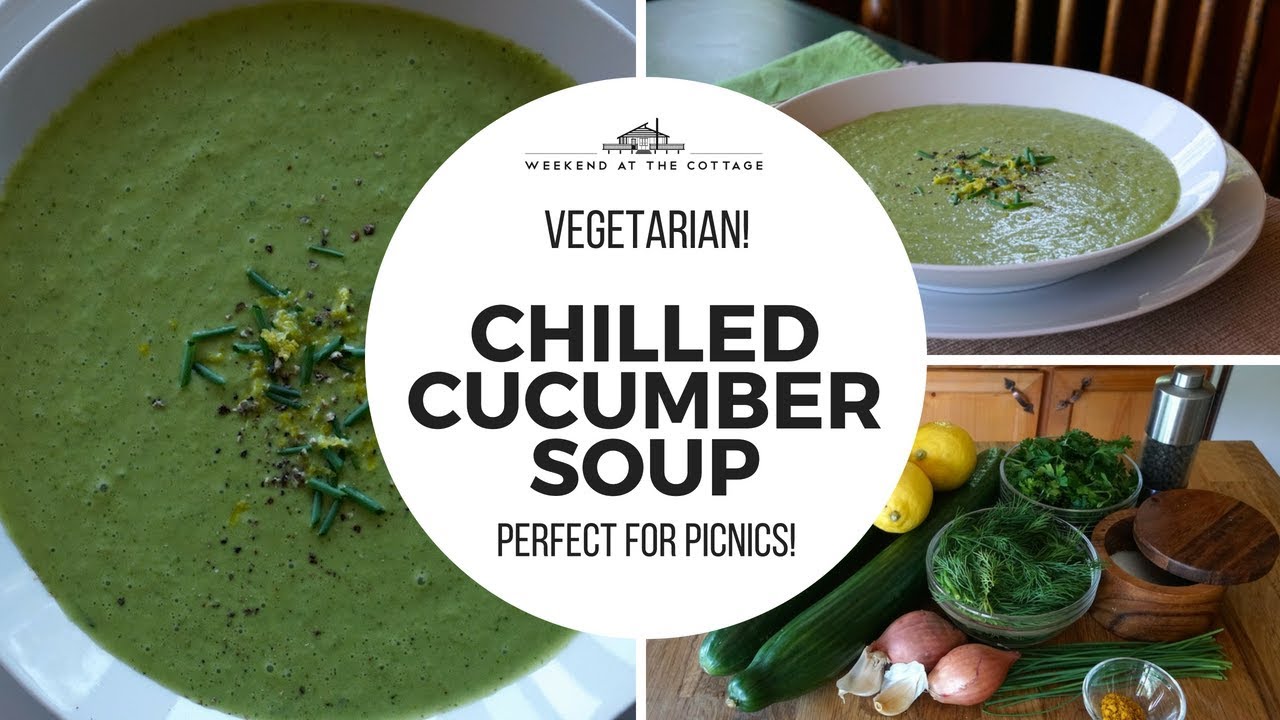
Cucumber Soup Recipe: If you’re looking for a light, refreshing, and easy-to-make meal that’s packed with flavor and health benefits, cucumber soup is calling your name. This isn’t your average comfort soup—it’s cool, crisp, and the perfect thing to chill out with, especially during those hot summer days. It’s like sipping on a fresh garden with every bite.
Cucumber soup may not get as much love as tomato or chicken noodle, but don’t underestimate its power. It’s not just a wellness trend—it’s been enjoyed in various cultures for generations. Whether served cold or hot, cucumber soup is versatile enough to suit any season, diet, or occasion.
We’re diving deep into the best cucumber soup recipes, ingredient tips, preparation secrets, and flavor combos that will seriously upgrade your kitchen game. So if you’ve got cucumbers lying around and you’re not in the mood for salad, this is your next move.
List of Ingredients You’ll Need
Let’s keep things simple and straightforward. Here’s what you’ll typically need to whip up a killer cucumber soup:
Fresh Produce
- Cucumbers – Obviously the star of the show. English or Persian cucumbers work best for their thin skin and low seeds.
- Garlic or shallots – Adds depth and a mild kick.
- Fresh herbs – Think dill, mint, chives, or parsley.
Dairy or Non-Dairy Base
- Greek yogurt – For that creamy, tangy flavor.
- Sour cream or crème fraîche – Another rich and smooth option.
- Coconut milk or almond milk – Great for vegan versions.
Liquid Base
- Vegetable broth – Adds body and flavor.
- Filtered water – If you’re keeping it ultra-light.
Acid and Seasoning
- Lemon juice or vinegar – To brighten up the flavor.
- Salt & pepper – Essential, of course.
- Olive oil – For smoothness and a nice mouthfeel.
Optional Add-Ons
- Avocado – Creaminess without the dairy.
- Green onions – For a sharper bite.
- Spices – A pinch of cumin or chili flakes if you’re feeling bold.
Always adjust according to your taste. The beauty of cucumber soup is that it’s totally customizable—whether you like it light and zesty or creamy and rich, there’s a version for you.
Types of Cucumber Soup
Cucumber soup isn’t a one-size-fits-all dish. Depending on your mood, weather, and dietary needs, you can play around with different types. Let’s break it down:
Chilled Cucumber Soup
This is the most common version, especially in hot weather. Served cold, it’s refreshing, hydrating, and usually made with yogurt or a light broth base. Think of it like a smoothie meets savory dip—only better.
Hot Cucumber Soup
Not as popular, but definitely worth trying. Here, cucumbers are sautéed, simmered in broth, and sometimes puréed with cream. It’s subtle, warm, and comforting, especially with herbs and garlic.
Vegan and Vegetarian Versions
Skip the dairy and use plant-based alternatives like cashew cream, coconut milk, or avocado. These versions are equally creamy and satisfying.
International Twists
- Tarator (Bulgaria) – A yogurt-based cold soup with walnuts, cucumbers, and garlic.
- Raita (India) – While not a soup, it’s a similar concept of mixing cucumbers with yogurt and spices.
- Gazpacho (Spain) – Cucumber often features alongside tomatoes and peppers in this chilled soup.
There’s more than one way to soup a cucumber. Let your creativity (and cravings) guide you.
Choosing the Right Cucumbers
Not all cucumbers are created equal—especially when it comes to making soup. The variety and quality of cucumbers you choose will directly affect your final result in taste, texture, and appearance. So, let’s talk cucumber selection.
Best Cucumber Varieties for Soup
For soups, especially chilled ones, you’ll want cucumbers that are tender, mild, and low in seeds. Here are the top picks:
- English Cucumbers: These are long, thin-skinned, and have tiny, almost non-existent seeds. Their flavor is mellow and slightly sweet—perfect for cold soups.
- Persian Cucumbers: Similar to English cucumbers but shorter and crisper. Great for chunkier soup styles.
- Kirby Cucumbers: More commonly used in pickling, but if peeled and seeded, they work well too.
Avoid the large, waxy cucumbers you often find in supermarkets. They tend to be bitter and contain more seeds, which can mess with your soup’s smooth texture.
How to Select Fresh Cucumbers
- Look for cucumbers that are firm to the touch with no soft spots or wrinkles.
- The skin should be dark green and glossy, not dull or yellowing.
- Give them a quick sniff—fresh cucumbers have a clean, grassy aroma.
Organic vs. Non-Organic: Does It Matter?
While you can use either, organic cucumbers are often free from wax coatings and pesticide residue, which makes them ideal—especially if you’re blending them with the peel on. If you’re using non-organic cucumbers, it’s best to peel them before using to reduce exposure to any unwanted chemicals.
Kitchen Equipment You’ll Need
Cucumber soup is pretty low-maintenance when it comes to kitchen gear, but having the right tools can make prep faster and easier.
Blenders & Food Processors
Your best friend here. Whether you’re going for a super-smooth puree or a chunkier texture, a high-speed blender or food processor is essential. If you don’t have one, a hand-held immersion blender also works—just blend everything right in the pot or bowl.
Knives & Cutting Boards
A sharp chef’s knife and a sturdy cutting board are key. You’ll need to chop cucumbers, herbs, and possibly other add-ins like garlic or onions.
Soup Pots & Storage Containers
If you’re making hot cucumber soup, you’ll need a medium soup pot for simmering. For storing leftover soup, go for airtight glass containers. These keep your soup fresh longer and make it easy to see what’s inside.
Optional Tools
- Strainer or sieve: If you want a super-silky soup, you can strain out pulp or seeds.
- Measuring cups/spoons: Helpful for keeping flavors balanced if you’re following a specific recipe.
Having the right equipment makes all the difference between a chaotic kitchen and a calm cooking experience. Prep smart and you’ll enjoy the process just as much as the soup.
Step-by-Step Guide: Cold Cucumber Soup
Ready to dive into the actual cooking part? Let’s start with the classic chilled cucumber soup. This version is creamy, tangy, and insanely refreshing.
Ingredients:
- 2 large English cucumbers (peeled if not organic)
- 1 cup plain Greek yogurt (or dairy-free alternative)
- 2 tablespoons lemon juice
- 2 cloves garlic, minced
- 2 tablespoons chopped fresh dill
- Salt and pepper to taste
- 2 tablespoons olive oil (optional)
- Cold water or broth (to adjust consistency)
Instructions:
Step 1: Prep Your Cucumbers
Wash your cucumbers thoroughly. If they’re organic and thin-skinned, you can leave the peel on for extra nutrients and color. Otherwise, peel and deseed them. Chop into chunks for easier blending.
Step 2: Blend Everything Together
Add cucumber chunks, yogurt, lemon juice, garlic, dill, salt, and pepper into a blender. Start blending on low speed and increase gradually until smooth. If the soup is too thick, add a bit of cold water or broth to thin it out.
Step 3: Chill
Pour the soup into a bowl or container and let it chill in the fridge for at least 1–2 hours. The colder it gets, the better it tastes.
Step 4: Taste and Adjust
After chilling, give it a taste. Add more lemon, salt, or dill if needed. You can also stir in a drizzle of olive oil for extra smoothness.
Step 5: Serve
Ladle into bowls and garnish with fresh herbs, a swirl of yogurt, or thin cucumber slices for presentation. Pair it with crusty bread or a light salad.
Boom—refreshing, healthy, and done in under 15 minutes (plus chill time).
Step-by-Step Guide: Hot Cucumber Soup
Yes, hot cucumber soup exists—and it’s surprisingly delicious. This version is warm, savory, and a little more filling than its chilled cousin.
Ingredients:
- 2 large cucumbers (peeled, deseeded, and chopped)
- 1 small onion or shallot, chopped
- 1 tablespoon butter or olive oil
- 2 cups vegetable broth
- ½ cup heavy cream or plant-based alternative
- Salt and pepper to taste
- Chopped chives or dill (for garnish)
Instructions:
Step 1: Sauté the Aromatics
In a medium soup pot, heat butter or oil over medium heat. Add chopped onions or shallots and cook until translucent—about 5 minutes.
Step 2: Add Cucumbers
Toss in the chopped cucumbers and sauté for another 3–4 minutes until slightly softened.
Step 3: Add Broth and Simmer
Pour in the broth and bring to a gentle boil. Reduce the heat and let it simmer for about 10–15 minutes.
Step 4: Blend
Carefully transfer the soup to a blender (or use an immersion blender). Blend until smooth. If it’s too thick, add more broth.
Step 5: Add Cream and Season
Return the soup to the pot and stir in the cream. Heat gently (don’t boil) and season with salt and pepper.
Step 6: Serve Hot
Ladle into bowls and garnish with herbs. This version pairs well with a toasted sandwich or even roasted potatoes.
Flavor Variations You Can Try
One of the best things about cucumber soup is how flexible it is. Whether you’re craving something spicy, herb-packed, creamy, or bold, you can customize this soup to fit your vibe. Here are some flavor variations that elevate basic cucumber soup into something unforgettable.
1. Spicy Cucumber Soup
Add a little heat to your refreshing base. Try including:
- A chopped jalapeño or green chili (deseeded if you want to keep it mild)
- A pinch of cayenne pepper
- A few drops of hot sauce
This combo turns your cool soup into a spicy sensation—great as a summer appetizer with a twist.
2. Creamy Dill & Yogurt Blend
If you love tangy and herby flavors, add:
- More Greek yogurt for creaminess
- Extra fresh dill
- A splash of white wine vinegar
- Optional: a dash of garlic powder for richness
This version pairs beautifully with grilled fish or a simple green salad.
3. Cucumber-Avocado Fusion
Want something ultra creamy without using dairy? Go green:
- Add ½ to 1 ripe avocado to your blender
- Use lime juice instead of lemon
- Toss in cilantro for a guacamole-like vibe
This one’s perfect for vegans, and it’s super filling. It almost tastes like a smoothie, but better.
4. Cucumber-Mint Yogurt Soup
Go ultra-refreshing by:
- Swapping dill for fresh mint
- Adding a bit of cucumber juice or sparkling water for a thinner texture
- Using chilled yogurt and finishing with pomegranate seeds for color and crunch
The possibilities are endless. Don’t be afraid to experiment with textures, herbs, spices, or even toppings. Treat your soup like a blank canvas and make it your own.
Vegan and Dairy-Free Alternatives
Not a fan of dairy or following a plant-based lifestyle? No problem at all. You can still enjoy all the creamy goodness of cucumber soup without any animal products.
Best Dairy Substitutes for Creaminess
- Coconut milk: Rich, slightly sweet, and adds a tropical twist.
- Unsweetened almond milk: Lighter in flavor and keeps things fresh.
- Oat milk: Naturally thick, great for blending.
- Cashew cream: Blend soaked cashews with water to make your own creamy base.
Extra Ingredients to Boost Texture and Flavor
- Avocado: Silky and nutrient-packed.
- Tofu: Silken tofu adds protein and smoothness without altering taste.
- Tahini: Just a spoonful gives a nutty depth to the soup.
Flavor Enhancers
- Nutritional yeast: Adds a cheesy, umami note.
- Vegan yogurt: Tangy, creamy, and very close to traditional versions.
- Fresh herbs: Basil, cilantro, and mint can elevate your flavor profile fast.
Don’t be afraid to combine several ingredients—like avocado + coconut milk or tofu + lemon juice—to find the perfect balance that suits your preferences. You won’t miss the dairy at all, and your body will thank you for the nutrient boost.
Tips for Perfect Texture and Flavor
Even though cucumber soup is easy to make, a few smart tips can turn your soup from “pretty good” to “absolutely amazing.” Here’s how to nail both texture and flavor every time.
Avoiding Bitterness
Sometimes cucumbers can be bitter, especially if they’re not super fresh. To avoid this:
- Taste a slice before blending. If it’s bitter, peel the cucumbers and scoop out the seeds.
- Choose English or Persian cucumbers, which are naturally sweeter.
Balancing Acidity
Too much lemon or vinegar can overpower the soup. Here’s how to keep it balanced:
- Start with 1 tablespoon of acid, then taste and adjust.
- Add a pinch of sugar or maple syrup if it gets too sharp.
Getting the Right Texture
Want it silky smooth?
- Use a high-speed blender.
- Strain the soup through a fine sieve if you’re going for a velvety finish.
Prefer it chunky?
- Pulse blend instead of full blending.
- Add small diced cucumbers or herbs at the end for texture.
Best Garnishes
Garnishes don’t just make it pretty—they enhance the experience:
- Chopped fresh herbs (dill, mint, chives)
- Drizzle of olive oil
- Crispy croutons or toasted seeds
- A dollop of yogurt or coconut cream
Simple tweaks make a huge difference. Trust your taste buds, and don’t be afraid to play around!
Storage and Meal Prep Tips
Got leftovers or want to meal-prep cucumber soup in advance? Here’s how to store it properly so you can enjoy it fresh for days.
Refrigerator Storage
- Store cucumber soup in an airtight container.
- Keep it in the fridge for up to 3–4 days.
- Give it a quick stir or shake before serving, especially if it separates.
Freezing Tips (Cold Soup)
Cold cucumber soup doesn’t always freeze well due to dairy and cucumber’s high water content. But if you must:
- Skip the dairy, and add it in after thawing.
- Freeze in single-serving containers for easy grab-and-go portions.
- Thaw in the fridge overnight and blend again to restore texture.
Freezing Tips (Hot Soup)
Hot cucumber soup freezes better:
- Let it cool completely before freezing.
- Store in freezer-safe containers or zip-top freezer bags.
- Keeps well for up to 2 months.
Meal Prep Hacks
- Chop ingredients ahead of time and refrigerate in sealed containers.
- Make a double batch and freeze half (hot version).
- Pre-blend herbs or yogurt mix-ins and store separately to stir in before serving.
Meal prepping cucumber soup is a total win for anyone who wants healthy, easy, and fast meals throughout the week.
Serving Suggestions
Cucumber soup is light and refreshing, but if you’re wondering how to turn it into a full meal—or at least how to serve it in a more exciting way—here’s where the magic happens. Presentation and pairings can elevate this humble soup into something worthy of a dinner party.
What to Serve with Cucumber Soup
- Crusty Bread: A slice of sourdough or a warm baguette is the classic companion.
- Garlic Toast: For added flavor, toast bread with olive oil, garlic, and herbs.
- Grilled Cheese Sandwich: Make it fancy with goat cheese or brie.
- Fresh Salad: A simple arugula or tomato salad complements the cool soup beautifully.
Creative Serving Styles
- Chilled Shot Glasses: Perfect for appetizers at parties or summer picnics.
- Mason Jars: Great for on-the-go lunches or stylish presentations.
- Soup Bowls with Swirls: Swirl in yogurt, cream, or herb oil for that gourmet touch.
Top It Off!
- A spoonful of sour cream or Greek yogurt
- A few slices of radish or cucumber ribbons
- A sprinkle of paprika or za’atar
- Chopped nuts like almonds or walnuts for crunch
Whether you’re serving it as a main dish or a fancy starter, cucumber soup adapts to the setting. Go simple, go fancy—just don’t skip the garnishes!
Common Mistakes to Avoid
Cucumber soup is simple to make, but there are a few rookie mistakes that can mess with the final flavor or texture. Here’s what to look out for (and avoid!).
1. Using Bitter Cucumbers
One bitter cucumber can ruin the entire batch. Always taste a slice before blending. If it tastes off, peel it or choose another.
2. Overblending
You want smoothness, not foam. Overblending can add too much air and change the texture. Use short blending bursts for control.
3. Skipping the Chill Time (for Cold Soup)
Cold cucumber soup needs at least 1–2 hours in the fridge. This allows the flavors to meld and creates a more refreshing bite.
4. Overseasoning or Underseasoning
Because cucumbers have a mild flavor, seasoning is essential—but balance is key. Add salt and lemon juice gradually, and taste as you go.
5. Using Low-Quality Yogurt or Cream
Poor-quality dairy can make your soup taste sour or grainy. Use thick, creamy Greek yogurt or fresh dairy-free alternatives for the best texture.
6. Not Adjusting Consistency
If your soup is too thick or too thin, it’s an easy fix:
- Too thick? Add cold water, broth, or dairy until it loosens up.
- Too thin? Blend in more cucumbers or avocado.
7. Storing Improperly
Don’t just throw leftovers into a bowl uncovered. Airtight containers are essential to keep the soup tasting fresh and free from fridge odors.
A little attention to detail goes a long way. Once you avoid these pitfalls, you’ll be making flawless cucumber soup every time.
Health Benefits of Cucumber Soup
Besides tasting great and being easy to make, cucumber soup is also a nutritional powerhouse. Whether you’re trying to eat clean, hydrate, or add more veggies into your routine, this soup has you covered.
Hydrating and Detoxifying
Cucumbers are 96% water, which means they’re perfect for hydration. They also help flush toxins from the body and support kidney function.
Low in Calories, Big in Nutrition
- A standard bowl of cucumber soup is under 150 calories.
- High in vitamin K, vitamin C, and potassium
- Packed with antioxidants that help fight inflammation
Great for Digestion
Thanks to its water content, fiber, and soothing ingredients like yogurt or mint, cucumber soup is gentle on your gut. It helps reduce bloating and supports healthy digestion.
Weight Management Friendly
Because it’s low in calories and fat, you can enjoy generous portions without worrying about your waistline. Add avocado or tofu for a more satisfying, balanced meal.
Heart-Healthy & Skin-Loving
Cucumbers contain compounds that help lower blood pressure and improve skin elasticity. The addition of olive oil, yogurt, and fresh herbs boosts the benefits even more.
So the next time you’re looking for a feel-good meal that nourishes your body, you know what to reach for—cucumber soup checks all the boxes.
FAQs about Cucumber Soup Recipe
1. Can I make cucumber soup ahead of time?
Absolutely! Cold cucumber soup is actually better the next day because the flavors have more time to develop. Store it in an airtight container in the fridge for up to 3–4 days.
2. Is cucumber soup good for weight loss?
Yes! It’s low in calories, high in water, and keeps you full without weighing you down. Add some protein like tofu or avocado to make it more satisfying.
3. Can I use pickled cucumbers instead of fresh ones?
Not recommended. Pickled cucumbers have a strong vinegar taste that will overpower the soup. Stick with fresh for the best flavor and texture.
4. How do I fix a bitter cucumber soup?
Try adding a little sweetness—like a teaspoon of honey or a splash of apple juice. Also, make sure you peel the cucumbers and remove the seeds next time.
5. What herbs go best with cucumber soup?
Dill, mint, chives, basil, and parsley are all excellent choices. Mix and match based on your flavor preferences.
Conclusion
Cucumber soup might not be the first recipe that comes to mind when you’re hungry—but once you try it, you’ll be hooked. It’s cool, refreshing, and incredibly easy to personalize to your taste.
Whether you’re making it chilled for summer, creamy for comfort, spicy for a kick, or vegan to suit your lifestyle, cucumber soup always delivers. It’s budget-friendly, fast, and made with ingredients you probably already have in your kitchen.
More than anything, it’s one of those dishes that feels fancy without being complicated. And with all its health perks, it’s as smart as it is tasty. So grab those cucumbers, fire up your blender, and treat yourself to something light, delicious, and nourishing.