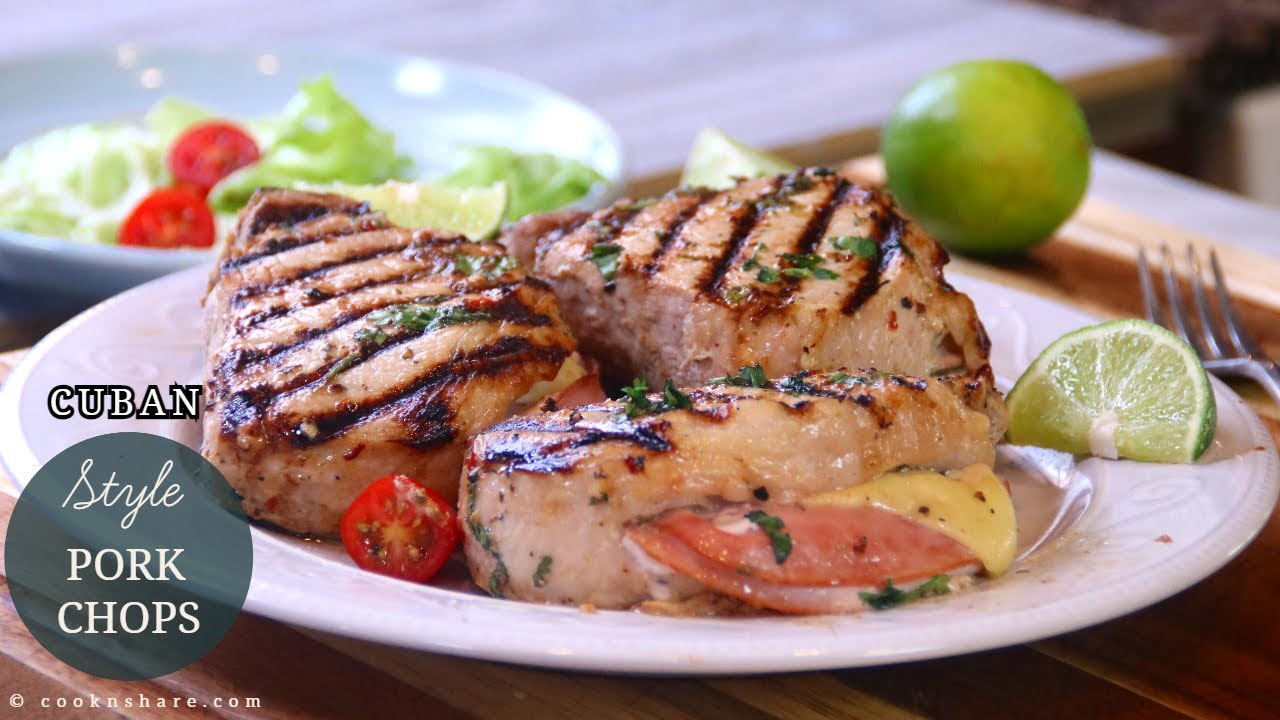
Cuban Pork Recipe: If there’s one dish that captures the soul of Cuban cuisine, it’s Cuban pork — juicy, marinated, slow-roasted, and bursting with flavor.
Whether you’re prepping for a festive family dinner, looking for the ultimate filling for your Cuban sandwich, or just craving something rich and hearty, this recipe is going to be your new go-to.
Cuban pork, especially Mojo-style, is a dish you’ll keep coming back to.
What Is Cuban Pork?
Cuban pork, known traditionally as Lechón Asado or Mojo Pork, is a marinated and slow-roasted pork dish that showcases the bold, citrusy, and garlicky flavors of Cuban cuisine. Typically made from pork shoulder or pork butt, this dish is infused with a marinade made of sour orange juice, garlic, oregano, cumin, and olive oil — a flavor-packed combination called “mojo.”
This isn’t your typical roast pork. Cuban pork has a depth of flavor that hits every note: tangy, savory, slightly smoky, and juicy. It’s often roasted until the exterior forms a golden crust while the interior stays tender and moist. It’s perfect for slicing, shredding, or even turning into leftovers that taste better the next day.
Why You’ll Love This Recipe
There are so many reasons to fall in love with this Cuban pork recipe:
- Incredible Flavor: The mojo marinade does wonders. It’s citrusy, garlicky, herby, and absolutely mouth-watering.
- Versatile: You can serve it in tacos, sandwiches, rice bowls, or just with some black beans and rice.
- Meal Prep Friendly: It makes a big batch and stores incredibly well.
- Crowd-Pleaser: Great for parties, holidays, or Sunday dinners. Everyone loves it!
- Easy to Make: Even though it looks fancy, it’s mostly about marinating and slow-roasting — not much active cooking time required.
This recipe delivers the kind of rich, savory meat that tastes like it’s been cooked by a Cuban abuela who’s been making it for generations.
The History Behind Cuban Pork
Cuban pork has deep roots in Cuban culture and history. Lechón Asado, or roasted pork, is often served at holidays and celebrations. Traditionally, a whole pig is marinated and roasted over an open flame or in a box grill known as a Caja China. The mojo marinade has Spanish and African influences, blending citrus fruits (which thrive in Cuba’s climate) with garlic and herbs.
During colonial times, pigs were introduced to Cuba by Spanish settlers, and over time, pork became a staple in the island’s cuisine. Mojo itself likely evolved as a preservation method for meat in the heat before refrigeration. Today, Cuban pork is a symbol of hospitality and family.
Different Types of Cuban Pork Dishes
Lechón Asado
This is the classic — a whole roasted pig, marinated in mojo, then slow-roasted until the meat is fall-apart tender and the skin is crispy.
Cuban Mojo Pork
Made with pork shoulder or butt, this version is more practical for home cooks. It’s marinated and roasted until tender, perfect for sandwiches or tacos.
Pernil Cubano
Popular in both Cuba and Puerto Rico, this version uses pork shoulder and focuses heavily on garlic and citrus. The skin is left on and crisped.
Ingredients You’ll Need
Let’s talk ingredients. Here’s everything you’ll need to make authentic Cuban Mojo Pork:
Meat Selection Tips
- Pork Shoulder (Boston Butt) – Bone-in or boneless, around 4–6 lbs. This cut is ideal because it’s fatty and becomes incredibly tender when slow-roasted.
Essential Marinade Ingredients
- 1 cup fresh orange juice (or sour orange juice if available)
- ½ cup lime juice
- 10–12 garlic cloves, minced
- 1 tbsp dried oregano
- 2 tsp ground cumin
- 1 tbsp salt
- 1 tsp black pepper
- ½ cup olive oil
- Optional: ¼ cup chopped cilantro for extra flavor
Optional Add-Ins for Extra Flavor
- Onion slices
- Bay leaves
- Smoked paprika
- Chili flakes for a bit of heat
This marinade is where all the magic happens. The acid from the citrus helps tenderize the pork, while the garlic and spices infuse deep flavor.
Kitchen Tools Required
Here’s what you’ll need to cook Cuban pork at home:
- Large roasting pan
- Blender or food processor (for the marinade)
- Sharp knife
- Cutting board
- Meat thermometer
- Aluminum foil
- Tongs or forks for shredding
- Optional: Dutch oven or slow cooker if you’re not roasting
Having the right tools makes the cooking process a whole lot easier and ensures perfect results.
How to Make Authentic Cuban Pork (Mojo Pork)
Let’s break it down step-by-step for a truly foolproof Cuban pork experience.
Step 1: Choose the Right Cut of Pork
Select a pork shoulder (Boston butt) or pork leg. These cuts have enough fat and connective tissue to stay juicy during long roasting and shred beautifully when done.
Step 2: Make the Mojo Marinade
In a bowl or blender, combine fresh orange juice, lime juice, olive oil, minced garlic, oregano, cumin, salt, and black pepper. Traditional mojo relies on citrus and garlic—keep it bold and fragrant.
Step 3: Marinate the Pork Overnight
Place the pork in a large bowl or zip-top bag and pour the mojo marinade over it. Massage well, ensuring the marinade penetrates all sides. Cover and refrigerate for 8–24 hours for maximum flavor.
Step 4: Preheat and Prepare for Roasting
Preheat your oven to 325°F (165°C). Remove the pork from the fridge 30 minutes before cooking. Place it in a roasting pan and pour the marinade over the top. Cover loosely with foil.
Step 5: Roast Low and Slow
Roast for 3½–4½ hours, basting occasionally with pan juices. The pork is ready when it’s fork-tender and reaches an internal temperature of about 195°F (90°C).
Step 6: Crisp the Edges (Broil or Pan-Fry Finish)
For crispy edges, shred or chunk the pork and spread it on a baking sheet. Broil for 5–7 minutes, turning once, until caramelized. Alternatively, pan-fry in a hot skillet with a little oil.
Step 7: Rest and Shred the Pork
Let the pork rest for 15–20 minutes before shredding. Toss with reserved juices for extra moisture and flavor.
Serve with rice, black beans, or inside sandwiches for a true Cuban-style feast. 🇨🇺🍖
Cooking Tips and Tricks
Want to take your Cuban pork to the next level? These little tricks can make a big difference:
- Use fresh citrus: Bottled juice won’t give the same vibrant flavor.
- Let it marinate longer: 24 hours = peak flavor.
- Roast covered first: Keeps the pork juicy.
- Don’t rush the roasting: Low and slow is key.
- Save the pan juices: Use them for drizzling over rice, beans, or the pork itself.
- Try it smoked: If you have a smoker, Cuban pork turns into magic over low wood-fired heat.
Mastering these tips will make you the Cuban pork pro in your kitchen!
How to Serve Cuban Pork
The beauty of this dish is in its versatility. Here are some classic and creative serving ideas:
Cuban Sandwiches
Stack the pork on Cuban bread with:
- Swiss cheese
- Ham
- Pickles
- Yellow mustard
Grill it until golden and pressed — it’s the legendary Cubano sandwich.
With Rice and Beans
This is the traditional Cuban way. Serve it with:
- White or yellow rice
- Black beans
- Fried plantains (maduros or tostones)
Top with a drizzle of pan juice or extra mojo sauce.
Tacos and Bowls
Make Cuban-inspired tacos with:
- Shredded pork
- Pickled red onions
- Avocado slices
- Cilantro-lime crema
Or build a grain bowl with pork, rice, beans, grilled veggies, and salsa.
This pork fits any meal style — casual or elegant.
Storage and Reheating Instructions
One of the best things about Cuban pork is how well it stores — in fact, it might even taste better the next day! The flavors deepen, the juices soak into the meat, and it’s perfect for leftovers. Here’s how to store and reheat it properly without drying it out.
How to Store Cuban Pork:
- Refrigerator: Place the leftover pork in an airtight container. It will stay fresh for up to 4–5 days in the fridge.
- With juices: Always store the pork with some of its marinade or cooking juices to keep it moist.
- Separate portions: If you want to meal prep, divide the pork into smaller containers for easy grab-and-go meals.
How to Reheat Without Drying Out:
Oven Method (Best for Texture):
- Preheat oven to 300°F (150°C).
- Place pork in an oven-safe dish and add a few tablespoons of stock, water, or marinade.
- Cover with foil and heat for 10–15 minutes until warmed through.
- For crispy bits, uncover and broil for the last 2–3 minutes.
Skillet Method (Quick and Easy):
- Heat a little oil in a non-stick skillet.
- Add pork and cook over medium heat until warmed and slightly crispy.
Microwave Method (Fastest):
- Place pork in a microwave-safe dish with a splash of moisture.
- Cover with a damp paper towel and heat in 30-second bursts, stirring in between.
Avoid reheating it too long or too hot — this can dry out the meat. Gentle heat + moisture = perfect leftovers.
How to Freeze for Later
Planning ahead or cooking in bulk? Cuban pork freezes like a dream.
How to Freeze Cuban Pork:
- Cool completely before freezing.
- Portion the pork into freezer bags or containers, label with the date.
- Add a bit of juice or broth to the bag to lock in moisture.
- Freeze for up to 3 months.
How to Reheat from Frozen:
- Thaw overnight in the fridge for best results.
- Reheat using the oven or skillet method.
- If you’re in a rush, use the microwave defrost function carefully.
This is an awesome meal-prep idea for busy weeks. Imagine pulling out rich, flavorful pork from the freezer and having dinner ready in minutes!
Common Mistakes to Avoid
Cooking Cuban pork isn’t difficult, but a few common mistakes can mess with your results. Here’s what to avoid:
- Skipping the marinade time: Less than 4 hours won’t allow the flavors to penetrate the pork. Overnight is always better.
- Using lean cuts like pork loin: These cuts dry out quickly. Stick to pork shoulder or butt for best results.
- Overcooking at high heat: Rushing the roast at a high temperature will leave your pork dry and tough. Low and slow is key.
- Forgetting to rest the meat: Cutting too soon will cause juices to run out. Resting = juicy pork.
- Not crisping the pork: That crispy finish adds texture and flavor. Broil or pan-sear at the end!
By avoiding these, you’ll be well on your way to making authentic, mouthwatering Cuban pork every time.
What to Serve with Cuban Pork – Side Dish Ideas
Pair your juicy mojo pork with traditional or creative side dishes to make it a full meal. Here are some winning combos:
Classic Cuban Sides:
- Moros y Cristianos (Black Beans and Rice)
- Tostones (twice-fried plantains)
- Yuca con Mojo (cassava with garlic sauce)
- Fried Sweet Plantains (Plátanos Maduros)
Fresh and Bright Options:
- Cilantro-lime rice
- Avocado salad with tomatoes and onions
- Grilled corn with lime and cotija cheese
- Simple green salad with citrus vinaigrette
For Fusion Lovers:
- Serve over nachos with cheese and jalapeños
- Toss into a grain bowl with quinoa and roasted veggies
- Make Cuban pork sliders with slaw and pickles
The richness of Cuban pork goes with almost anything, but bright, acidic, or starchy sides make it shine the most.
Nutritional Information
Here’s a general breakdown of the nutrition for a serving of Cuban pork (based on a 5 oz portion):
| Nutrient | Amount |
|---|---|
| Calories | ~350 |
| Protein | 30g |
| Fat | 22g |
| Saturated Fat | 7g |
| Carbohydrates | 3g |
| Sugar | 1g |
| Sodium | 450mg |
| Fiber | 0g |
Keep in mind, actual values will vary depending on portion size, added ingredients, and cooking method. If you’re looking to lighten it up, you can trim excess fat or serve with low-calorie sides like greens and veggies.
FAQs about Cuban Pork Recipe
1. Can I make Cuban pork in a slow cooker?
Yes! Marinate the pork overnight, then place it (with marinade) in your slow cooker. Cook on low for 8–10 hours or high for 4–5 hours until tender. Finish by broiling or searing for that crispy texture.
2. What if I can’t find sour orange juice?
Mix ¾ cup regular orange juice with ¼ cup lime juice to mimic the flavor of sour oranges.
3. Can I use pork tenderloin or pork loin instead?
You can, but be careful not to overcook. These lean cuts don’t have as much fat and will dry out quickly. Reduce cooking time significantly and use a thermometer.
4. Is Cuban pork spicy?
No, traditional Cuban pork isn’t spicy. It’s garlicky, citrusy, and herbaceous. If you want heat, feel free to add chili flakes or hot sauce.
5. What’s the difference between Cuban pork and carnitas?
Carnitas are Mexican and typically braised in lard, then crisped. Cuban pork uses mojo marinade and focuses on citrus and garlic flavors. Different cultures, different flavor profiles!
Conclusion
There you have it — the ultimate Cuban Pork Recipe – Step-by-Step Guide that brings the heart of Cuban cuisine straight into your kitchen. With a citrusy-garlic mojo marinade, low-and-slow roasting technique, and a crisp finish, this dish is an explosion of flavor you’ll never forget. Whether you’re making sandwiches, meal prepping, or impressing guests, this Cuban pork will become one of your signature dishes.
Once you try it, you’ll realize why it’s so loved in Cuban culture — it’s comforting, flavorful, and always a hit at the table. Don’t just take my word for it — go grab some pork, make the marinade, and let your taste buds take a trip to Havana.