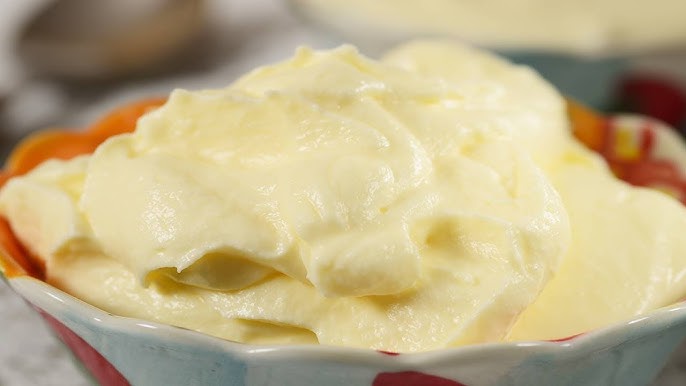
Crème Fraîche Recipe: If you’ve ever been captivated by the rich, velvety texture of crème fraîche at a restaurant or in a high-end recipe, you’re not alone. This creamy, tangy dairy product is a favorite among chefs for its versatility, luxurious mouthfeel, and ability to elevate both sweet and savory dishes. The best part? You don’t have to spend a fortune to enjoy it at home—you can make crème fraîche in your own kitchen with just two simple ingredients and a little patience.
This guide walks you through everything you need to know to make perfect crème fraîche at home. From the best ingredients to use, to the exact steps and expert tips, you’ll soon be creating your own batch of this French classic.
What Is Crème Fraîche?
Crème fraîche, pronounced krem fresh, is a cultured cream originating from France. It has a slightly tangy flavor, rich consistency, and a fat content usually between 30% and 40%. This makes it thicker and creamier than sour cream, with a smoother finish that doesn’t curdle when heated—unlike its American cousin.
It’s beloved in European cooking for everything from enriching sauces to being dolloped over fruit or folded into scrambled eggs. Whether you want to add a silky touch to a pasta sauce or balance the sweetness of a tart, crème fraîche is a game-changer.
Why Make Crème Fraîche at Home?
You might be wondering—why not just buy it from the store? Here’s the deal:
- Cost-Effective: Store-bought crème fraîche can be pricey. Making it at home cuts the cost significantly.
- Freshness: Homemade means no preservatives or additives. Just fresh, clean ingredients.
- Customization: Want it more tangy or less? You’re in control.
- Easy to Make: No fancy tools, no heating or cooking—just mix and wait.
With just cream and a bit of buttermilk, you can whip up a rich and luxurious product that’s as good—if not better—than store-bought.
Ingredients You’ll Need
Here’s your very short shopping list. Just two basic ingredients (plus optional add-ins if you’re feeling adventurous).
Main Ingredients:
- 1 cup (240 ml) heavy cream – Not ultra-pasteurized.
- 2 tablespoons (30 ml) cultured buttermilk – Look for one with active cultures.
Optional Flavor Add-ins (after fermentation):
- A pinch of sea salt
- Fresh herbs like chives or dill
- Lemon zest for a citrusy twist
Note: The quality of your ingredients will directly affect your results, so always choose fresh, high-fat dairy products.
Best Type of Cream to Use
Not all cream is created equal. For the best results:
- Choose pasteurized, not ultra-pasteurized: Ultra-pasteurized cream is heated to higher temps, killing off bacteria that aid fermentation.
- Look for high fat content: Aim for at least 36% milk fat for a thick, luxurious finish.
- Organic or grass-fed: Optional, but it often brings a richer, more flavorful result.
This is one case where splurging on quality pays off.
What Is Buttermilk’s Role?
Cultured buttermilk is the magical starter in this process. It contains live active cultures—good bacteria that ferment the cream and give crème fraîche its signature tang. Think of it as the sourdough starter for your cream.
Here’s what happens:
- The bacteria in the buttermilk feed on the lactose (sugar) in the cream.
- This creates lactic acid, which thickens the cream and adds that signature sour taste.
- The result? A naturally fermented, thick, tangy cream you can use almost anywhere.
No buttermilk? Don’t worry—we’ll talk about alternatives later.
Equipment You’ll Need
Good news: You probably have everything you need already.
- Glass jar or container (with a loose-fitting lid or cheesecloth)
- Measuring cups and spoons
- Wooden spoon or silicone spatula
- Clean towel or paper towels
- Rubber band or string (to secure covering)
Avoid metal containers as they may react with the cultures.
Step-by-Step Guide to Making Crème Fraîche
Let’s dive into the full process of making crème fraîche at home.
Step 1: Sterilize Your Jar
Start by cleaning a glass jar thoroughly. Rinse it with hot water or boil it for a few minutes, then let it air-dry. Sterilizing the jar prevents unwanted bacteria and ensures your crème fraîche cultures properly.
Step 2: Mix the Ingredients
Pour 1 cup of heavy cream into the sterilized jar. Add 1 tablespoon of buttermilk (or plain yogurt with live cultures). Stir gently until fully combined. The cultures in the buttermilk help thicken the cream and give it a mild tang.
Step 3: Cover and Let Sit
Loosely cover the jar with a lid or clean cloth—do not seal it airtight. Place the jar in a warm spot at room temperature (around 70–75°F / 21–24°C). Let it sit undisturbed for 12–24 hours.
Step 4: Check Consistency
After resting, check the mixture. It should look thicker than cream and coat the back of a spoon. If it’s still thin, let it sit for a few more hours and check again.
Step 5: Refrigerate to Thicken
Once the desired consistency is reached, cover the jar tightly and refrigerate for at least 4 hours. The crème fraîche will thicken further and develop its signature creamy texture.
Use your homemade crème fraîche in sauces, soups, baked goods, or as a topping. It keeps well in the fridge for up to 1 week.
How to Know When It’s Ready
Determining when your crème fraîche is perfectly fermented can feel a little like an art—but don’t worry, there are clear signs to look for. The key indicators are texture, aroma, and taste.
- Texture: It should have thickened significantly. You’re looking for a consistency similar to loose Greek yogurt or a slightly firmer sour cream. It should coat the back of a spoon and not be runny like milk.
- Aroma: The smell should be mildly tangy, fresh, and clean. If it smells sour but not foul, you’re good. Avoid using it if there’s a sharp, off-putting odor—that could be a sign of contamination.
- Taste: It should taste creamy with a pleasant tang. If it tastes overly sour or bitter, something may have gone wrong in the fermentation process.
Keep in mind: Warmer environments will speed up the process, while cooler ones might take a bit longer. If it’s still runny after 24 hours but smells okay, give it a few more hours before moving it to the fridge.
How Long Does Crème Fraîche Last?
Homemade crème fraîche, when stored properly in the fridge in an airtight container, will typically last up to 2 weeks, sometimes even longer.
Storage Tips:
- Always use a clean spoon when scooping it out. Introducing bacteria can shorten its shelf life.
- If you see any mold or it develops an off smell, discard it immediately.
- Keep it stored in the coldest part of your fridge, not on the door where temperatures fluctuate.
You can also use a small portion of your finished crème fraîche as a starter for your next batch, saving you a trip to the store for buttermilk.
Tips for Perfect Homemade Crème Fraîche
Making crème fraîche is easy, but a few expert tips can help guarantee success every time.
Top Tips:
- Use fresh, high-quality cream – Avoid ultra-pasteurized cream for best results.
- Don’t rush the process – Fermentation takes time. Be patient.
- Room temperature matters – If it’s too cold, fermentation may stall. Try placing the jar in a warmer area of your home.
- Use glass containers – Avoid plastic or metal, as they can affect taste and bacteria growth.
- Don’t stir once it starts fermenting – Let the bacteria do their job uninterrupted.
These little details can make a huge difference in texture and flavor.
Common Mistakes to Avoid
If your crème fraîche didn’t turn out right, don’t panic! Here are the most common pitfalls and how to avoid them.
1. Using Ultra-Pasteurized Cream
This is the #1 mistake. Ultra-pasteurized cream has been heated to the point that it loses the ability to culture properly. Always check the label.
2. Using the Wrong Buttermilk
You need cultured buttermilk with live active cultures. Avoid buttermilk substitutes or powdered versions—they won’t work.
3. Not Letting It Ferment Long Enough
Sometimes it needs more than 24 hours, especially in cooler environments. If it’s still thin but smells okay, give it more time.
4. Stirring After Sitting
Once you’ve combined the cream and buttermilk and left it to culture, don’t stir again until it’s fully set. You could disturb the bacteria’s work.
5. Improper Jar or Lid
Airflow is important. Don’t use a tight lid during fermentation. Use a breathable cloth or filter secured with a band.
Avoiding these errors will increase your chances of creamy, tangy success.
How to Store Crème Fraîche
Once your crème fraîche is fully fermented and chilled, store it in an airtight glass container in the fridge. It will stay fresh for up to two weeks, sometimes even longer if you handle it carefully.
Storage Guidelines:
- Label with date: So you know how long it’s been stored.
- Avoid double-dipping: Always use clean utensils.
- Keep away from strong odors: Like onions or garlic in the fridge—crème fraîche can absorb these scents.
Bonus tip: You can store a small portion in a separate jar to use as your next starter culture. Just add 2 tablespoons of your old crème fraîche to a new batch of cream and repeat the process—no buttermilk needed!
How to Use Crème Fraîche in Cooking
Now for the fun part—using your homemade crème fraîche! Its rich and slightly tangy flavor makes it a culinary all-star.
In Sauces and Soups
- Add it to creamy pasta sauces for a velvety texture.
- Stir it into soups like potato leek or mushroom at the end of cooking.
- It won’t curdle when heated gently, making it a better option than sour cream.
On Desserts
- Dollop over fresh berries or stone fruit.
- Mix with honey or maple syrup for a simple dessert topping.
- Use as a base for fruit tarts or cheesecake.
In Dips and Spreads
- Combine with herbs, garlic, and lemon for a quick dip.
- Use as a creamy base for salad dressings.
- Spread it on toast with smoked salmon or roasted vegetables.
Other Ideas
- Swirl it into scrambled eggs or omelets.
- Add to mashed potatoes for an ultra-rich texture.
- Serve with pancakes or waffles in place of whipped cream.
The options are endless once you have a jar of crème fraîche ready to go!
Crème Fraîche vs. Sour Cream: What’s the Difference?
Crème fraîche and sour cream are often used interchangeably, but they’re not the same.
| Feature | Crème Fraîche | Sour Cream |
|---|---|---|
| Fat Content | Higher (30–40%) | Lower (18–20%) |
| Flavor | Mild, creamy tang | Sharper tang |
| Texture | Thicker, silkier | Slightly grainy |
| Heat Stability | Does not curdle when heated | Can curdle if overheated |
| Uses | Sauces, desserts, spreads | Toppings, dips |
Crème fraîche is like sour cream’s fancier cousin—richer, smoother, and more versatile in cooking.
Can You Make Crème Fraîche Without Buttermilk?
Absolutely—if you don’t have buttermilk on hand, there are a few other ways to culture your cream and make crème fraîche. While buttermilk is the most common and easiest option, here are a couple of alternatives:
1. Use Store-Bought Crème Fraîche as a Starter
If you already have some crème fraîche, you can use it as a starter culture. Just mix 2 tablespoons of crème fraîche into 1 cup of fresh cream and follow the same fermentation steps.
2. Use Yogurt With Live Cultures
Plain, unsweetened yogurt with live active cultures can also work. Choose a high-fat yogurt for best results, and use 2 tablespoons per cup of cream. The flavor may be slightly different, with a touch more tang, but the texture will be similar.
Important Tip:
If using alternatives, always make sure your cream is not ultra-pasteurized, and your starter has live cultures—otherwise, fermentation won’t happen.
These methods work great in a pinch and still give you a delicious, creamy end product.
Dairy-Free Alternatives (Optional Bonus Section)
For those who are lactose-intolerant or vegan, crème fraîche may seem out of reach—but it’s totally possible to make dairy-free versions using plant-based ingredients.
Coconut Cream Crème Fraîche
- Use full-fat coconut milk or coconut cream.
- Add 1–2 probiotic capsules or a tablespoon of unsweetened, dairy-free yogurt with live cultures.
- Ferment in a jar just like regular crème fraîche—12 to 24 hours in a warm spot.
Cashew-Based Crème Fraîche
- Soak 1 cup raw cashews overnight.
- Blend with 1/2 cup water and 1 tablespoon lemon juice or a probiotic capsule.
- Let sit at room temperature for 12–24 hours.
These versions won’t be exactly the same as traditional crème fraîche, but they’re creamy, tangy, and perfect for those with dietary restrictions.
FAQs about Crème Fraîche Recipe
1. Can I use ultra-pasteurized cream to make crème fraîche?
It’s best to avoid ultra-pasteurized cream, as the high heat used in processing kills off the bacteria needed for fermentation. Always opt for pasteurized (not ultra) cream for the best results.
2. What if my crème fraîche doesn’t thicken after 24 hours?
If it’s not thick after 24 hours, don’t panic. Leave it out for another 12 hours, checking every few hours. As long as it smells fine (mildly tangy, not spoiled), it’s just taking longer to culture due to cooler temperatures.
3. Can I freeze crème fraîche?
Freezing crème fraîche is not recommended. It can separate and lose its silky texture once thawed. For best quality, store it in the fridge and use within 1–2 weeks.
4. How can I flavor crème fraîche?
Once it’s fermented and chilled, you can mix in flavors like:
- Fresh herbs (chives, dill, basil)
- Cracked black pepper
- Lemon zest
- Roasted garlic
Add these right before serving for the best taste and freshness.
5. Can I reuse homemade crème fraîche as a starter?
Yes! You can use 2 tablespoons of your finished batch to start a new one. This is a great way to keep a continuous supply without needing more buttermilk.
Conclusion
Crème fraîche may sound fancy and intimidating, but it’s one of the easiest fermented foods you can make at home. With just two ingredients, a jar, and some patience, you can create a luxurious, velvety cream that adds depth and richness to countless dishes—from soups and sauces to desserts and dips.
Making it yourself not only saves money but also lets you control the flavor and texture. Whether you’re a home cook, foodie, or just curious to try something new, crème fraîche is a simple but rewarding addition to your kitchen skills.
Now that you’ve mastered the method, the only question is: What will you put it on first?