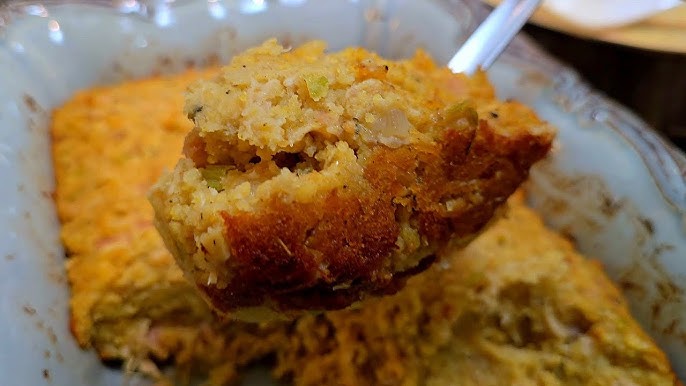
Corn Bread Stuffing Recipe: When it comes to comfort food that brings the warmth of tradition straight to your table, nothing beats a hearty serving of corn bread stuffing. Whether you’re preparing for Thanksgiving, Christmas, or just a cozy family dinner, this dish stands tall as a crowd favorite. The rich, crumbly texture of cornbread combined with savory herbs, buttery sautéed veggies, and a splash of broth creates a flavor that instantly reminds you of home. This isn’t just a side dish — it’s often the star of the meal. And the best part? You can totally make it from scratch, step by step, and we’re here to walk you through it.
Cornbread stuffing is especially popular in Southern kitchens, but over the years, it has earned a place in households across the country. Why? Because it’s flexible, forgiving, and absolutely delicious. You can stick to the classic or mix in extras like sausage, cranberries, or nuts — your call! In this guide, we’ll not only show you the ingredients and steps but also share pro tips, common mistakes to avoid, and even ways to make it gluten-free or vegan. So, if you’re ready to learn how to master corn bread stuffing, let’s dive into this delicious adventure.
Why Corn Bread Stuffing is a Holiday Favorite
Corn bread stuffing isn’t just food — it’s a feeling. It’s that warm, inviting aroma that fills your house and draws everyone into the kitchen. During the holidays, families gather around dishes that bring joy and nostalgia, and corn bread stuffing is often front and center. But why is it such a beloved classic?
First, it’s the perfect blend of textures. The crumbly corn bread absorbs all the flavorful juices from the broth, vegetables, and seasonings, creating a moist yet slightly crisped-up top layer after baking. That contrast? Absolute magic. Plus, its mildly sweet and savory profile pairs beautifully with roasted turkey, chicken, ham, or even vegetarian mains.
Another reason it shines is versatility. You can easily customize it based on regional styles, dietary preferences, or simply what you’ve got on hand. Want something hearty? Add sausage. Prefer a sweet kick? Mix in dried cranberries or apples. Hosting vegetarians? Skip the meat and add mushrooms. It fits any menu without a fuss.
Finally, corn bread stuffing has roots deep in Southern and African American culinary traditions, giving it historical and cultural significance. It’s a dish that tells stories — of generations passing down recipes, of family gatherings, and of holidays marked by love and good food.
Health Benefits of Corn Bread Stuffing
While stuffing might not scream “health food,” you’d be surprised to know it offers some nutritional perks — especially when made with wholesome ingredients. Let’s break it down.
Cornmeal, the base of cornbread, is a whole grain rich in fiber and essential minerals like iron, magnesium, and phosphorus. It also contains antioxidants like lutein and zeaxanthin, which are good for eye health. Unlike white bread-based stuffings, corn bread stuffing can provide a more nutrient-dense alternative if prepared thoughtfully.
The veggies in the stuffing — typically onions, celery, and sometimes carrots — add important vitamins and antioxidants. They’re also a good source of fiber, which helps in digestion and makes the dish more filling.
If you control the amount of butter and use low-sodium broth, you can cut down on excess saturated fats and salt. Want to make it even healthier? Use olive oil instead of butter, toss in more vegetables, or reduce the portion size.
Of course, it’s still a comfort food — but one that can be part of a balanced meal. Everything in moderation, right?
Traditional vs. Southern Corn Bread Stuffing
Not all cornbread stuffing is created equal — and that’s part of the fun! Depending on where you are or how your family cooks, you might be used to something totally different. Let’s compare.
Traditional Cornbread Stuffing:
- Often includes both cornbread and white bread or other types of bread for variety in texture.
- Typically seasoned with sage, parsley, rosemary, and thyme.
- Sometimes includes eggs to help bind it together.
- Moist, but not overly rich.
Southern Cornbread Stuffing (also called Dressing):
- Uses only cornbread (no white bread).
- Often includes more butter, and sometimes bacon or sausage for added flavor.
- Features bolder seasonings — think poultry seasoning, sage, and black pepper.
- Tends to be richer, creamier, and baked to golden perfection.
Both are amazing in their own way. If you’re into bold, buttery flavors, go Southern. Want something more balanced and herbaceous? Try the traditional style.
List of Ingredients You’ll Need
Let’s break this down into two parts — the cornbread itself and the actual stuffing ingredients.
For the Cornbread (Homemade or Store-Bought)
- 1 cup yellow cornmeal
- 1 cup all-purpose flour
- 1 tablespoon baking powder
- 1/2 teaspoon baking soda
- 1/2 teaspoon salt
- 2 tablespoons sugar (optional)
- 2 eggs
- 1 cup buttermilk (or regular milk + 1 tbsp vinegar)
- 1/4 cup melted butter or oil
Note: You can also use store-bought cornbread (about 4 cups crumbled), but homemade gives you full flavor control.
For the Stuffing
- 4 cups crumbled cornbread
- 1 cup diced celery
- 1 cup chopped onion
- 2 tablespoons butter or oil
- 1 to 1½ cups chicken or vegetable broth
- 2 eggs (optional, for binding)
- 1 teaspoon salt (adjust to taste)
- 1/2 teaspoon black pepper
- 1 teaspoon dried sage
- 1/2 teaspoon thyme
- 1/2 teaspoon rosemary
- Optional add-ins: cooked sausage, cranberries, mushrooms, apples, pecans
Make sure everything is prepped before you start cooking. Having your mise en place — a fancy way to say “ingredients ready to go” — will make this process much smoother.
Essential Tools and Kitchen Equipment
Before we get our hands dirty (in a good way), let’s gather the gear you’ll need:
- Mixing bowls (at least 2)
- Baking dish (9×13 inch works great)
- Skillet or frying pan
- Wooden spoon or spatula
- Whisk
- Measuring cups and spoons
- Sharp knife and cutting board
- Oven (preheated to 375°F/190°C)
- Foil (to prevent over-browning)
These are all pretty standard tools, so chances are you already have them in your kitchen.
Step-by-Step Guide to Making Corn Bread Stuffing
Let’s walk through every step so you nail it on your first try.
Step 1: Bake the Cornbread
Prepare and bake cornbread using your favorite recipe. For best results, use a slightly savory cornbread rather than a sweet one. Once baked, remove it from the oven and allow it to cool completely.
Step 2: Let the Cornbread Cool and Crumble
Once cooled, crumble the cornbread into small pieces and place them in a large mixing bowl. The pieces should be bite-sized, not fine crumbs, so the stuffing has texture.
Step 3: Prepare the Vegetables
Chop onions, celery, and any additional vegetables you like, such as bell peppers. Keep the pieces small and even so they cook uniformly and blend well into the stuffing.
Step 4: Sauté the Aromatics
Melt butter in a skillet over medium heat. Add the chopped vegetables and sauté until soft and fragrant. This step removes the raw taste and builds a flavorful base.
Step 5: Combine Ingredients in a Large Bowl
Add the sautéed vegetables to the crumbled cornbread. Sprinkle in herbs such as sage, thyme, salt, and black pepper. Gently mix to distribute everything evenly.
Step 6: Add Broth and Seasoning
Slowly pour in warm chicken or vegetable broth while stirring gently. Add just enough to moisten the mixture without making it soggy. Adjust seasoning to taste.
Step 7: Transfer to Baking Dish
Grease a baking dish and spoon the stuffing mixture into it. Spread evenly without packing it down too tightly.
Step 8: Bake to Perfection
Bake until the top is golden brown and slightly crisp while the inside remains moist. Let it rest briefly before serving.
Warm, savory, and comforting—cornbread stuffing is a classic side dish that completes any meal 🍽️✨
Tips for Making the Best Corn Bread Stuffing
Want to go from good to great? Here are some pro tips to take your stuffing to the next level:
- Use day-old cornbread: Fresh cornbread is too moist. Let it sit out overnight or bake it a day in advance and let it dry.
- Don’t skip the sauté: Raw onions and celery won’t soften enough in the oven. Sautéing brings out their sweetness and flavor.
- Add broth gradually: Too much at once can turn your stuffing into mush. Go slow.
- Let it rest before serving: This helps the flavors meld and gives the stuffing structure.
- Customize to your crowd: Cooking for vegetarians? Use veggie broth and skip the meat. Hosting meat-lovers? Load up on sausage or bacon.
Experiment a little and make it your own — the best part of stuffing is how versatile it is.
Optional Add-ins and Variations
Want to put your own spin on this classic? Try these tasty additions:
- Savory meats: Cooked crumbled sausage, diced bacon, or chopped ham.
- Fruits: Diced apples, dried cranberries, or raisins add a touch of sweetness.
- Nuts: Toasted pecans or walnuts for crunch.
- Cheese: A sprinkle of sharp cheddar or parmesan can give it a creamy bite.
- Mushrooms: Sautéed mushrooms add earthy flavor — especially good for veggie versions.
- Spice it up: Try a pinch of cayenne or smoked paprika for some heat.
Whatever you add, make sure it’s fully cooked and chopped small enough to blend well with the stuffing base.
How to Store and Reheat Leftovers
Got leftovers? Lucky you! Cornbread stuffing stores really well if handled right.
- Refrigerator: Store in an airtight container for up to 4 days.
- Freezer: Freeze in a freezer-safe bag or container for up to 2 months. Thaw overnight in the fridge before reheating.
To reheat:
- Oven: Cover with foil and bake at 350°F for 20–25 minutes.
- Microwave: Warm individual portions for 1–2 minutes, covered with a damp paper towel to keep it moist.
Add a splash of broth before reheating to bring back that fresh-from-the-oven moisture.
Can You Make Corn Bread Stuffing Ahead of Time?
Absolutely — and you should if you want a stress-free holiday!
- One Day Ahead: Make the cornbread, sauté the veggies, and even mix the whole stuffing. Store it in the fridge overnight, then bake the next day.
- Two Days Ahead: Prepare the components separately and assemble right before baking.
Just remember to bring it to room temperature before baking to ensure even cooking. If it feels too dry after sitting, just add a little extra broth before popping it in the oven.
What to Serve with Corn Bread Stuffing
Corn bread stuffing is a side dish that plays well with others. Here are a few delicious pairings:
- Roast turkey or chicken – The classic holiday combo.
- Honey glazed ham – Sweet and savory perfection.
- Green beans or Brussels sprouts – Adds a fresh, green touch.
- Cranberry sauce – That tart contrast makes everything pop.
- Mashed potatoes and gravy – For the ultimate comfort food plate.
Add a roll, pour the drinks, and you’ve got a feast on your hands!
Gluten-Free and Vegan Alternatives
Making dietary swaps doesn’t mean sacrificing flavor. If you’re cooking for someone who’s gluten-free, vegan, or both, you can still whip up a delicious cornbread stuffing with a few simple changes.
For Gluten-Free Corn Bread Stuffing:
- Use gluten-free cornmeal and flour. Make sure the cornmeal is certified gluten-free. Substitute the all-purpose flour in your cornbread recipe with a gluten-free flour blend.
- Double-check your broth. Some store-bought broths contain gluten, so always read the label.
- Avoid store-bought cornbread unless labeled gluten-free. Homemade is the safest route.
For Vegan Corn Bread Stuffing:
- Skip the eggs and dairy. Use plant-based milk (like almond or oat milk) and a flaxseed egg or egg replacer. Swap out butter with vegan butter or olive oil.
- Use vegetable broth. This keeps the stuffing rich and savory without animal products.
- Add flavor with mushrooms or walnuts. These bring in umami and texture that meat would normally provide.
With these easy swaps, your dish can be just as hearty and satisfying — and everyone at the table can enjoy it.
Common Mistakes to Avoid
Even a simple recipe like stuffing can go sideways if you’re not careful. Here’s what to watch out for:
- Using too much broth. This is the biggest mistake. Always add it gradually. You can fix dry stuffing, but soggy stuffing? Not so much.
- Not drying out the cornbread. Fresh cornbread is too moist and will fall apart. Day-old or oven-dried is best.
- Skipping the taste test. Always taste the mixture before baking. You don’t want to realize it’s bland after it’s cooked.
- Overmixing. Gentle folding keeps the texture just right. Overworking it can turn your stuffing into mush.
- Forgetting to grease the baking dish. This one’s small but important — no one wants to scrape burnt stuffing off the sides of a pan.
Remember: stuffing doesn’t need to be complicated, just thoughtful.
FAQs about Corn Bread Stuffing Recipe
1. Can I use store-bought cornbread for stuffing?
Yes, you can! Just make sure it’s at least a day old or toast it in the oven to dry it out. This helps it absorb the broth without turning soggy.
2. How do I keep cornbread stuffing from getting too dry?
Add your broth slowly and monitor the texture. Also, covering the dish with foil during baking helps trap moisture. Add a bit more broth before reheating leftovers, too.
3. Can I freeze cornbread stuffing?
Definitely. Freeze it after baking or before, and store in an airtight container for up to 2 months. Thaw overnight in the fridge before reheating.
4. Do I have to use eggs in my stuffing?
Nope! Eggs are optional. They help bind the stuffing for a firmer texture but can be left out for a looser, crumbly consistency — or replaced with flax eggs for a vegan option.
5. Can I prep everything the night before?
Absolutely. You can make the cornbread, sauté the veggies, and mix the stuffing all in advance. Store it in the fridge overnight, then bake it fresh the next day.
Conclusion
The beauty of this dish lies in its flexibility. You can keep it classic or add your own twist. Make it meaty or keep it plant-based. Bake it crispy or keep it moist. As long as you start with good cornbread and build flavors thoughtfully, you’re guaranteed something delicious.
Now that you’ve got the full step-by-step guide, it’s time to get baking. Gather your ingredients, turn on some music, and bring your kitchen to life with the scent of fresh cornbread stuffing. Trust me — once you make it from scratch, you’ll never go back to the boxed stuff again.