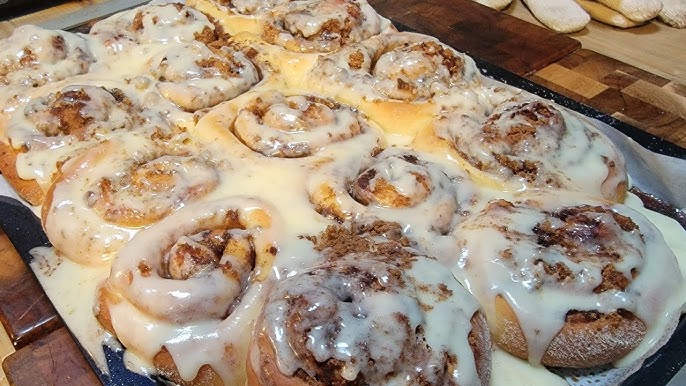
Cinnamon Roll Dough Recipe: Few things can compete with the warm, gooey goodness of homemade cinnamon rolls. That soft, fluffy dough, rich cinnamon sugar swirl, and creamy icing dripping down the sides — it’s pure comfort food. Whether you’re a weekend baker or just want to surprise your family with something sweet, this guide has everything you need. We’ll walk you through making cinnamon roll dough step by step, from mixing the ingredients to rolling the perfect swirl.
This isn’t just any recipe — it’s your go-to blueprint for the ultimate cinnamon roll experience. Expect kitchen-friendly tips, detailed instructions, and easy-to-follow steps. Ready to get your hands (and kitchen) a little messy? Let’s bake some magic.
Why Homemade Cinnamon Rolls are Worth It
There’s just something unbeatable about homemade cinnamon rolls. Store-bought versions might seem convenient, but they don’t even come close in taste, texture, or aroma. When you bake your own from scratch, you’re in control — no preservatives, no shortcuts. Just buttery dough, sweet cinnamon filling, and that dreamy frosting.
Plus, the process is therapeutic. From kneading the dough to watching it rise, there’s a satisfying rhythm to baking cinnamon rolls. And let’s not forget the smell — your entire home will be filled with the sweet, cozy scent of cinnamon sugar.
Most importantly, homemade cinnamon rolls allow for customization. Want extra filling? Go for it. Prefer a vanilla glaze over cream cheese? Easy. Once you make these rolls once, you’ll never look back.
List of Ingredients You’ll Need
Let’s break down everything you’ll need to get started. Each component of the cinnamon roll — the dough, filling, and icing — has its own ingredients, so let’s take a look.
Dry Ingredients
- 4 to 4 ½ cups all-purpose flour (plus extra for dusting)
- ½ teaspoon salt
- 2 ¼ teaspoons active dry yeast (1 packet)
Wet Ingredients
- 1 cup whole milk (warmed to about 110°F)
- ½ cup granulated sugar
- 2 large eggs (room temperature)
- ⅓ cup unsalted butter (melted and slightly cooled)
For the Filling
- ¾ cup brown sugar (light or dark)
- 2 tablespoons ground cinnamon
- ¼ cup unsalted butter (softened)
For the Icing
- 4 oz cream cheese (softened)
- ¼ cup unsalted butter (softened)
- 1 to 1 ½ cups powdered sugar
- ½ teaspoon vanilla extract
- 1–2 tablespoons milk (to adjust consistency)
Essential Kitchen Tools
Before you dive into the dough-making process, make sure your kitchen is ready to go. Here’s a list of tools you’ll want to have on hand:
- Large mixing bowl
- Measuring cups and spoons
- Wooden spoon or silicone spatula
- Electric mixer with dough hook (optional)
- Rolling pin
- Sharp knife or dental floss (for cutting rolls)
- 9×13 baking dish or sheet pan
- Plastic wrap or a clean kitchen towel
Having these tools prepped and nearby will make the whole process smoother — and trust me, once you start working with sticky dough, you’ll be glad you’re organized.
How to Make Cinnamon Roll Dough from Scratch
Step 1: Warm the Milk and Activate the Yeast
Warm the milk until it’s just lukewarm, not hot. Pour it into a bowl, add yeast and a small amount of sugar, and stir gently. Let it sit for about 5–10 minutes until the mixture becomes foamy. This step ensures the yeast is active and ready to work.
Step 2: Mix in the Sugar, Eggs, and Butter
Add the remaining sugar, eggs, melted butter, and a pinch of salt to the yeast mixture. Whisk until smooth and well combined. These ingredients create a rich, soft dough with great flavor.
Step 3: Gradually Add the Flour
Begin adding flour a little at a time, mixing as you go. Continue until a soft dough forms. The dough should be slightly sticky but manageable. Avoid adding too much flour, as this can make the rolls dense.
Step 4: Knead the Dough
Transfer the dough to a lightly floured surface and knead until smooth and elastic. This usually takes about 8–10 minutes. Proper kneading develops gluten, which gives the dough structure and softness.
Step 5: Let the Dough Rise
Place the dough in a lightly greased bowl, cover, and let it rise in a warm area until doubled in size. This rise creates light, fluffy cinnamon rolls.
Soft, pillowy, and ready to roll—this homemade dough is the perfect base for irresistible cinnamon rolls 🍥✨
Rolling Out the Dough
Once your dough has risen and doubled in size, it’s time to roll it out — quite literally. This is where things start to get exciting because you’re just steps away from creating those iconic cinnamon spirals.
- Lightly flour a clean surface or countertop.
- Punch down the dough gently to release air bubbles.
- Roll it into a large rectangle, about 16 inches long and 12 inches wide.
- Aim for about ¼-inch thickness — not too thick, not too thin.
Try to keep your rectangle as even as possible. The straighter your edges, the more uniform your rolls will be. If your dough keeps pulling back while rolling, let it rest for 5 minutes. That allows the gluten to relax, making it easier to shape.
Now breathe in. That subtle yeasty aroma? That’s your hard work paying off already.
Making the Cinnamon Sugar Filling
The heart and soul of any cinnamon roll is its filling — that sweet, sticky swirl of buttery brown sugar and cinnamon. Simple ingredients, but when combined, they create something magical.
Here’s how to make it:
- In a small bowl, mix ¾ cup brown sugar and 2 tablespoons cinnamon.
- Stir until well combined — you should see a deep, rich color and smell that warm spice instantly.
- Take ¼ cup softened butter and spread it over your rolled-out dough using the back of a spoon or spatula.
Be generous here — this buttery base helps the cinnamon sugar stick and melt into the dough. Once the butter is evenly spread:
- Sprinkle the cinnamon sugar mix over the entire surface.
- Use your hands to pat it down gently so it adheres to the butter.
You should now have a golden-brown blanket of deliciousness that covers every inch of your dough. It’s almost too beautiful to roll up… but we must.
Spreading the Filling and Rolling It Up
Now for the moment of truth: rolling up the dough to create those perfect spirals. This is where your cinnamon rolls come to life.
- Starting from the long side of the rectangle, begin rolling the dough tightly and evenly.
- Keep the roll snug, but don’t stretch or pull the dough too much — you want a clean spiral.
- Once you’ve rolled the entire sheet, gently pinch the seam to seal it shut.
- Position the roll so the seam is facing down.
You should now have a beautiful cinnamon log. Try not to squish it — we want the rolls fluffy, not flat.
Tip: If the dough feels too soft to cut cleanly, pop the roll into the fridge for 10–15 minutes. This firms up the butter and makes slicing easier.
Cutting Perfect Cinnamon Rolls
This step can make or break the final presentation. Uneven rolls can still taste great, but you want each roll to bake at the same rate, so clean, equal cuts matter.
- Use a sharp serrated knife or unflavored dental floss.
- Cut the log into 12 equal pieces (about 1½ inches each).
- Use a gentle sawing motion or pull the floss tight under the roll and cross the ends over the top to slice.
Place the rolls in a greased 9×13-inch baking dish, leaving a little space between them. This gives them room to expand during the next rise — and bake into each other just a little, creating those soft, pull-apart sides we all love.
Second Rise: Letting Rolls Double in Size
Patience pays off here. This second rise gives your cinnamon rolls that ultra-soft, fluffy texture.
- Cover the pan with a clean towel or plastic wrap.
- Let the rolls rise for 30–45 minutes in a warm area.
- They should puff up nicely and begin touching each other.
If your kitchen is cool, place the rolls in the oven (turned off) with the light on — it creates just enough warmth to help them rise without baking.
While they rise, now’s the perfect time to preheat your oven to 350°F (175°C).
Baking the Cinnamon Rolls
Now comes the transformation. All that rising, rolling, and waiting leads to this glorious step: baking.
- Bake the rolls at 350°F for 22 to 28 minutes.
- Keep an eye on them — they’re done when the tops are golden brown, and the centers are set.
Tip: If the tops start to brown too quickly, loosely cover the rolls with aluminum foil for the final 5–10 minutes of baking.
The smell that will fill your kitchen? Legendary. You’ll want to eat them straight out of the oven, but hold off — we’ve got one more important step to go.
Making the Cream Cheese Frosting
This creamy, tangy, sweet topping is the finishing touch. It melts into the warm rolls and adds the perfect balance to all that cinnamon-sugar goodness.
Here’s how to make it:
- Beat together:
- 4 oz cream cheese (softened)
- ¼ cup butter (softened)
- 1–1½ cups powdered sugar
- ½ tsp vanilla extract
- Mix until smooth and fluffy.
- Add 1–2 tbsp milk if needed to thin it out.
Taste test? Absolutely. Lick the spoon — you’ve earned it.
Frosting the Rolls While Warm
Timing is key here. You want to frost the rolls while they’re still warm but not scorching hot. This helps the frosting melt slightly and seep into all those lovely crevices.
- Spoon the frosting over the rolls while they’re still in the pan.
- Use the back of a spoon or spatula to spread it generously.
- Watch it melt into every cinnamon swirl.
This step turns your rolls from “great” to “unforgettable.”
Tips for the Softest, Fluffiest Cinnamon Rolls
Want bakery-level results every time? Here are some must-know tips:
- Don’t rush the rise — giving your dough time to rise properly is key.
- Use room temperature eggs and butter — cold ingredients can slow down yeast.
- Don’t overbake — take them out as soon as they’re golden.
- Measure flour correctly — spoon into your cup and level off, don’t scoop.
- Use fresh yeast — expired yeast means flat rolls.
These small habits make a big difference in the final product.
Common Mistakes to Avoid
Even seasoned bakers slip up. Here are mistakes to dodge:
- Too much flour = dry, dense rolls.
- Under-kneading = dough won’t rise properly.
- Skipping the second rise = flat rolls.
- Cutting uneven rolls = inconsistent baking.
Remember, cinnamon rolls are forgiving. Even if they’re not perfect, they’ll still be delicious.
How to Store Cinnamon Rolls
You just made a dozen beautiful, fluffy cinnamon rolls—but unless you’ve got a hungry crowd, you’ll probably have leftovers. The key is storing them properly so they stay soft and gooey for days.
Here’s how to keep them fresh:
- Room Temperature: If you plan to eat them within 2 days, store the rolls in an airtight container or wrap the pan tightly with plastic wrap. Keep them at room temperature — no need to refrigerate (unless they’re heavily frosted with cream cheese).
- Refrigerator: For cream cheese frosting-heavy rolls or longer storage (up to 5–6 days), place them in an airtight container in the fridge. Just note, refrigeration can slightly dry them out, so reheat with a bit of moisture.
- Freezer: Want to save them for later? Wrap each cinnamon roll individually in plastic wrap, then place them in a freezer-safe bag. They’ll keep for up to 3 months.
To serve from frozen, just thaw overnight in the fridge and reheat (more on that next).
How to Reheat Cinnamon Rolls Without Drying Them Out
Nobody wants a stale, dry cinnamon roll. Thankfully, there are a few foolproof methods to reheat them and bring back that fresh-baked texture.
Here’s how to do it right:
Microwave (Fast & Easy):
- Place the roll on a microwave-safe plate.
- Cover it with a damp paper towel.
- Microwave for 20–30 seconds.
- The steam from the towel keeps it moist and soft.
Oven (Best for Multiple Rolls):
- Preheat your oven to 325°F (165°C).
- Place rolls in a baking dish and cover tightly with foil.
- Bake for 10–15 minutes until warmed through.
- You can brush the tops with a bit of melted butter before reheating for extra richness.
Add Moisture Back: For drier rolls, drizzle a little milk or cream over the top before reheating. It works wonders to restore softness.
Pro tip: Always frost after reheating if you want that gooey, melty texture.
Make-Ahead and Freezing Tips
Want cinnamon rolls fresh in the morning without waking up at 5 a.m.? Good news: you can prep them ahead of time.
Here’s how:
Overnight Rolls:
- Follow the recipe up to the point where the rolls are sliced and placed in the pan.
- Cover tightly and refrigerate overnight (before the second rise).
- In the morning, take them out and let them rise for 45–60 minutes until puffy.
- Then bake as usual.
Freeze Before Baking:
- After slicing, place rolls on a tray and freeze until solid.
- Transfer to a freezer bag and keep for up to 2 months.
- When ready to bake, place frozen rolls in a greased pan, cover, and let thaw/rise overnight in the fridge, then bake.
Freeze After Baking:
- Let rolls cool completely.
- Wrap individually and freeze up to 3 months.
- Reheat using the oven or microwave methods mentioned earlier.
With these strategies, warm cinnamon rolls are always within reach.
FAQs about Cinnamon Roll Dough Recipe
1. Can I make cinnamon roll dough without a stand mixer?
Absolutely! While a stand mixer saves time, kneading by hand works just as well. It just takes a bit of elbow grease — knead for about 8–10 minutes until the dough is smooth and elastic.
2. Why didn’t my cinnamon rolls rise?
A few possibilities: your yeast could be expired, the milk might’ve been too hot or cold, or your kitchen was too chilly. Always proof yeast first and let the dough rise in a warm spot.
3. Can I use instant yeast instead of active dry yeast?
Yes! You can swap instant yeast 1:1 for active dry. The only difference is you don’t need to proof it in warm milk — just mix it directly into the dry ingredients.
4. How do I keep cinnamon rolls from getting hard the next day?
Store them in an airtight container and reheat with a damp paper towel in the microwave. You can also drizzle a little milk or butter on top before reheating.
5. Can I make vegan cinnamon rolls with this recipe?
Totally. Swap dairy milk for almond or oat milk, use vegan butter, and replace eggs with flax eggs (1 tbsp ground flax + 3 tbsp water per egg). Use a dairy-free frosting, and you’re good to go!
Conclusion
So, there you have it — the ultimate step-by-step guide to making perfect cinnamon roll dough at home. From activating the yeast and kneading the soft, buttery dough to spreading that cinnamon sugar filling and watching them rise into golden swirls of deliciousness, every step is worth it.
Making cinnamon rolls from scratch isn’t just about the final treat (though that’s obviously amazing). It’s about the joy of baking something by hand, the smell that fills your kitchen, and the satisfaction of pulling a tray of warm, gooey rolls out of the oven and knowing you made them.
Whether you’re baking them for a lazy weekend, a holiday breakfast, or just because you’re craving something sweet — this recipe will never let you down.
Happy baking!