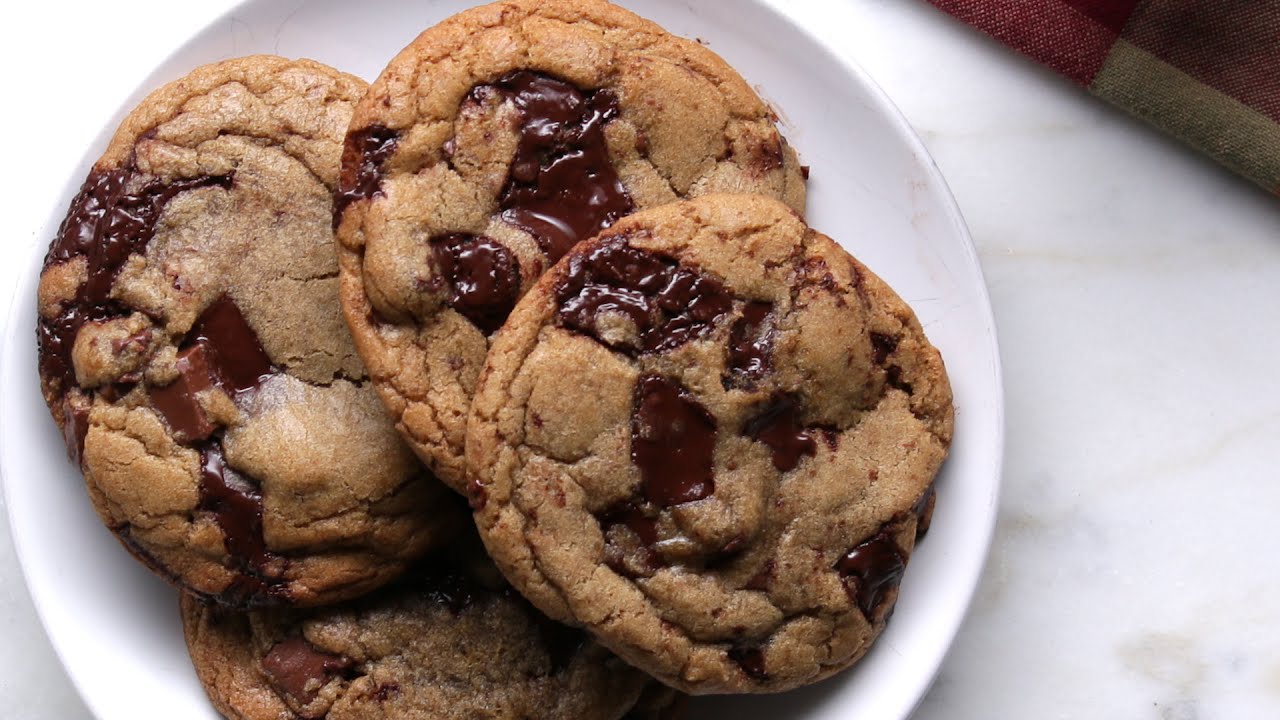
Chocolate Chip Cookie Recipe: Is there anything better than a warm, gooey chocolate chip cookie fresh out of the oven? Probably not. Whether you’re a baking beginner or a cookie connoisseur, having a solid chocolate chip cookie recipe is essential. But not just any recipe—we’re talking about a step-by-step guide that gives you everything you need to achieve perfect cookies every single time.
In this guide, you’ll learn not only the basic ingredients and process, but also pro tips, ingredient breakdowns, and expert-level techniques that guarantee chewy, soft-in-the-middle, crispy-on-the-edge chocolate chip cookies. Let’s dive right into cookie heaven.
List of Ingredients You’ll Need
Before you get started, it’s crucial to have all your ingredients measured and ready to go. Here’s a complete list of ingredients you’ll need to whip up the best chocolate chip cookies of your life:
Basic Ingredients:
- 1 cup (2 sticks) unsalted butter, softened to room temperature
- 1 cup packed brown sugar
- 1/2 cup white granulated sugar
- 2 large eggs, at room temperature
- 2 tsp pure vanilla extract
- 2 3/4 cups all-purpose flour
- 1 tsp baking soda
- 1/2 tsp baking powder
- 1 tsp salt
- 2 cups chocolate chips (semi-sweet is classic, but mix it up if you like)
Optional Add-ins:
- 1/2 cup chopped walnuts or pecans
- Sprinkle of flaky sea salt for garnish
- 1/2 cup shredded coconut
- Mini marshmallows or toffee bits for a twist
Pro Tip: Always use high-quality vanilla extract and chocolate chips—they make a huge difference in flavor!
Essential Baking Tools
To ensure the best results, here are the tools you should gather before baking:
Must-Have Tools:
- Mixing bowls (one large, one medium)
- Measuring cups and spoons
- Hand mixer or stand mixer
- Rubber spatula
- Cookie scoop or spoon
- Baking sheets
- Parchment paper or silicone baking mat
- Cooling rack
Nice-to-Have Extras:
- Kitchen scale (for exact measurements)
- Ice cream scoop (for even cookie portions)
- Oven thermometer (helps ensure correct baking temp)
Having the right tools makes baking easier and more efficient. No more guessing if your cookies are the same size or worrying if your oven is too hot.
Choosing the Right Chocolate Chips
Not all chocolate chips are created equal. The type you choose will affect the cookie’s flavor, texture, and even how melty it gets in the oven.
Popular Choices:
- Semi-sweet – The classic choice. Balances sweetness and richness.
- Dark chocolate – For a bolder, slightly bitter flavor.
- Milk chocolate – Sweeter and creamier.
- Mini chips – More evenly distributed chocolate flavor.
- Chunks or bars – Rough-chopped bars melt into gooey pools. Amazing texture!
Personal Favorite: Use a mix of semi-sweet chips and chopped dark chocolate chunks. You get melty pools and bite-sized chips in every cookie!
Understanding Your Flour
Flour might seem basic, but it’s the foundation of your cookie’s structure. Using all-purpose flour is standard, but the way you measure and handle it affects everything.
Tips for Flour Success:
- Spoon flour into your measuring cup and level it off. Don’t scoop directly with the cup or you’ll use too much.
- If you prefer a chewier cookie, reduce flour slightly.
- For cakier cookies, increase flour slightly or add an extra egg yolk.
You can also try a 1:1 gluten-free baking flour if you have dietary needs, but remember to chill the dough longer for better texture.
Importance of Butter in Cookie Recipes
Butter is what makes cookies rich, tender, and flavorful. But there’s more to it than just tossing in a couple sticks.
Butter Breakdown:
- Unsalted butter is ideal because you control the salt content.
- Let it soften at room temperature—this helps it cream better with the sugar.
- Want a deeper flavor? Try browning the butter and chilling it before mixing.
Butter quality also matters. European-style butter has a higher fat content, which gives cookies a more decadent taste.
Role of Sugar in Chocolate Chip Cookies
Sugar does more than just sweeten your cookies—it affects their texture, color, and even the way they spread in the oven.
Types of Sugar and Their Effects:
- Brown sugar (especially dark): Adds moisture and a chewy texture due to its molasses content. It also gives a deeper, caramel-like flavor.
- White granulated sugar: Helps create crispy edges and assists in cookie spread during baking.
Best Ratio? A 2:1 ratio of brown to white sugar often produces the perfect combination of chewiness and crispness.
If you want a super chewy cookie, lean more into brown sugar. If you love thin and crisp cookies, use more white sugar. It’s all about your texture preference!
Tip: Don’t reduce sugar drastically—it doesn’t just sweeten but also impacts the cookie’s chemistry.
Why Eggs Matter
Eggs are one of the unsung heroes in baking. They bind the ingredients together, help the cookies rise, and add richness.
Egg Insights:
- Room temperature eggs incorporate more easily and evenly.
- Most recipes use 2 large eggs, but experimenting with 1 whole egg + 1 egg yolk can make cookies extra soft and rich.
- Want a lighter texture? Whip the eggs before adding.
Remember, eggs should be added one at a time, and fully mixed in before adding the next. This ensures a smoother batter and better texture in the final cookie.
Optional Add-ins for Extra Flavor
Want to take your cookies to the next level? Add some unique mix-ins for surprising texture and taste.
Top Add-in Ideas:
- Nuts: Walnuts, pecans, macadamia nuts add crunch and balance the sweetness.
- Flaky sea salt: Sprinkle on top before baking for a salty-sweet combo.
- Toffee bits or caramel chunks: Add gooey richness.
- Shredded coconut: For a tropical twist.
- M&M’s or sprinkles: Great for colorful, kid-friendly cookies.
Don’t go overboard—limit add-ins to about 1 to 1.5 cups total, so your cookie dough doesn’t get overwhelmed.
Step-by-Step Guide to Making Chocolate Chip Cookies
Now let’s get into the heart of it: how to actually make the cookies step by step. Follow these instructions carefully for foolproof, delicious results.
Step 1: Prepare Your Ingredients
Gather and measure all your ingredients before you start. This makes the process smoother and prevents mistakes.
- Make sure your butter is softened.
- Crack your eggs into a separate bowl to avoid shell pieces.
- Pre-sift your flour, baking soda, and baking powder if desired.
Step 2: Cream Butter and Sugar
In a large mixing bowl, use a hand mixer or stand mixer to cream together the softened butter, brown sugar, and white sugar for 2–3 minutes until light and fluffy.
This step incorporates air, creating cookies that are light yet chewy.
Step 3: Add Eggs and Vanilla
Add eggs one at a time, beating well after each addition. Then mix in the vanilla extract.
Don’t rush—overmixing at this stage can make cookies tough.
Step 4: Mix Dry Ingredients
In a separate bowl, whisk together the flour, baking soda, baking powder, and salt.
Use a whisk or fork to ensure even distribution of leavening agents.
Step 5: Combine Wet and Dry Ingredients
Slowly add your dry ingredients to the wet mixture, about 1/3 at a time. Mix on low speed just until the flour disappears.
Don’t overmix—this can make cookies dense and tough.
Step 6: Fold in Chocolate Chips
Use a spatula to gently fold in the chocolate chips and any other mix-ins like nuts or coconut.
Make sure everything is evenly distributed without overworking the dough.
Step 7: Chill the Dough
This step is essential for flavor and texture. Chill the dough for at least 1 hour, or overnight if you have time.
Chilling helps the flavors meld and reduces spreading during baking.
Step 8: Preheat Oven and Prep Baking Sheet
- Preheat your oven to 350°F (175°C).
- Line your baking sheet with parchment paper or a silicone mat to prevent sticking.
Step 9: Scoop and Bake
Use a cookie scoop or spoon to scoop out even-sized dough balls (about 1.5 tablespoons each). Place them 2 inches apart on the baking sheet.
Bake for 9–11 minutes, or until the edges are golden and the centers look slightly underbaked. They’ll continue baking on the sheet after you remove them.
Step 10: Cooling and Storage
Let cookies cool on the sheet for 5 minutes, then transfer to a wire rack.
Store cooled cookies in an airtight container at room temperature for up to 5 days.
Common Cookie Mistakes and How to Fix Them
Even experienced bakers run into issues. Here’s how to troubleshoot common cookie problems:
Flat Cookies:
- Butter was too soft or melted
- Dough wasn’t chilled
- Oven temperature too low
Too Puffy or Cakey:
- Too much flour
- Overmixed dough
- Used cake flour
Too Crispy:
- Baked too long
- Used too much white sugar
- Dough was too thin
Spread Too Much:
- Warm dough
- Not enough flour
- Over-creamed butter and sugar
Always check your measurements and follow the steps carefully to avoid these pitfalls!
How to Store Cookies Properly
You’ve baked the perfect batch of cookies—now it’s time to store them right so they stay fresh, soft, and delicious for days.
Storing at Room Temperature:
- Let cookies cool completely before storing.
- Place them in an airtight container or resealable bag.
- Add a slice of white bread inside the container to help retain moisture.
- Keep the container in a cool, dry place—away from sunlight or heat.
Stored this way, your cookies will stay soft for about 4–5 days.
Storing in the Refrigerator:
- Not always ideal, as it can dry cookies out.
- If you do refrigerate, wrap them individually or use an airtight container with a bread slice for moisture.
- Will keep fresh for up to 1 week.
Freezing Cookies (After Baking):
- Allow cookies to cool fully.
- Arrange in a single layer on a baking sheet and freeze for 30–60 minutes.
- Then transfer to a freezer-safe bag or container with parchment between layers.
- Cookies will last up to 3 months in the freezer.
- To reheat, bake at 300°F (150°C) for 5–8 minutes or microwave for 20–30 seconds.
Proper storage can make a huge difference in keeping your cookies bakery-fresh!
Making the Dough Ahead of Time
Want to plan ahead or just bake fresh cookies on demand? Good news: cookie dough stores really well.
Refrigerating Cookie Dough:
- Wrap dough tightly in plastic wrap or store in a sealed container.
- Refrigerate for up to 72 hours.
- The longer it chills, the better the flavor due to hydration and sugar caramelization.
Freezing Cookie Dough:
- Scoop dough into balls and freeze on a tray for about 1 hour.
- Transfer frozen dough balls into a freezer bag or airtight container.
- Bake straight from frozen—just add 1–2 minutes to your bake time.
Having pre-made dough on hand means warm, fresh cookies anytime you want—with zero stress.
Healthy Alternatives
Want to enjoy cookies without the guilt? There are plenty of healthier swaps you can make that still result in delicious cookies.
Healthy Ingredient Swaps:
| Traditional Ingredient | Healthier Alternative |
|---|---|
| All-purpose flour | Whole wheat flour or oat flour |
| Butter | Coconut oil or avocado |
| Sugar | Coconut sugar or maple syrup |
| Chocolate chips | Dark chocolate or cacao nibs |
| Eggs | Flax eggs (for vegan option) |
Tips for Healthier Cookies:
- Reduce sugar by 25%—they’ll still be sweet!
- Add oats or chia seeds for fiber.
- Use unsweetened applesauce to replace some of the fat.
- Swap in almond flour for a gluten-free, protein-rich alternative.
The taste may change slightly, but your body will thank you!
Serving Suggestions
Once your cookies are ready, it’s time to serve them in style. Whether you’re enjoying a quiet evening or hosting a get-together, there’s always a way to make cookies even more fun.
Ideas for Serving Chocolate Chip Cookies:
- With milk – A classic combo. Warm cookies + cold milk? Perfection.
- Ice cream sandwiches – Sandwich a scoop of your favorite ice cream between two cookies.
- With coffee – Great for dipping or enjoying with a hot cup of brew.
- Cookie sundae – Break up warm cookies and serve over vanilla ice cream with hot fudge.
- Gift idea – Stack cookies in a mason jar or wrap in cellophane for a homemade gift.
No matter how you serve them, chocolate chip cookies bring a little joy to every occasion.
FAQs about Chocolate Chip Cookie Recipe
1. Can I use margarine instead of butter in cookies?
Technically yes, but it will change the flavor and texture. Butter gives a richer taste and better structure. If using margarine, use stick margarine—not spreads or tubs.
2. How long do homemade chocolate chip cookies stay fresh?
When stored properly in an airtight container, they’ll stay fresh for 4–5 days at room temperature. You can also freeze them for up to 3 months.
3. Can I make these cookies gluten-free?
Absolutely! Use a 1:1 gluten-free baking flour (with xanthan gum included). You may need to chill the dough longer to help with structure.
4. Why are my cookies too hard after baking?
They were probably overbaked. Pull them from the oven when the centers still look slightly underdone—they’ll finish baking on the tray.
5. Can I skip chilling the dough?
Yes, but your cookies may spread too much. Chilling helps solidify the fat and enhances flavor. For best results, chill for at least 1 hour.
Conclusion
Chocolate chip cookies are more than just a treat—they’re a timeless comfort food, a crowd-pleaser, and a guaranteed way to lift your mood. With this step-by-step guide, you now have all the tips, techniques, and insider tricks to bake perfect cookies every time.
From choosing the right ingredients and understanding how they work together to avoiding common baking mistakes and trying fun add-ins, this recipe is designed to help beginners and seasoned bakers alike.
So preheat your oven, pull out those mixing bowls, and let the magic begin. Happy baking!