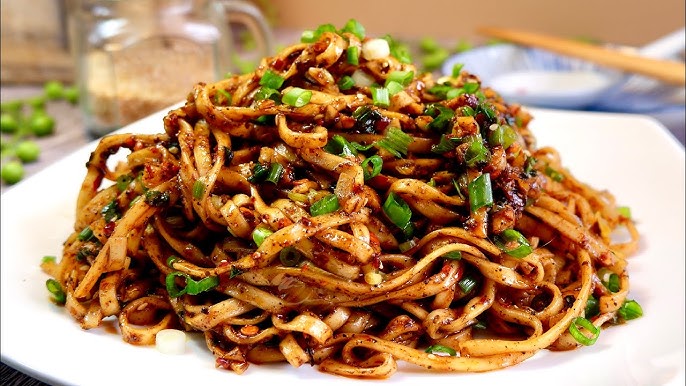
Chinese Noodles Recipe: If there’s one dish that captures the heart of Chinese cuisine, it’s undoubtedly noodles. Chinese noodles are a symbol of longevity, comfort, and rich culinary tradition. From street food stalls in Shanghai to fancy restaurants in Beijing, noodles are everywhere – and for a good reason. They’re incredibly versatile, satisfying, and surprisingly easy to make at home once you know the basics. Whether you’re looking to create a quick lunch or impress guests with a flavorful Asian dinner, this step-by-step Chinese noodles recipe has your back.
Let’s get this clear – you don’t need to be a chef to cook Chinese noodles that taste like they came straight out of a restaurant. With the right ingredients, some useful tips, and a bit of stir-frying, you’ll be slurping up your homemade noodles in no time.
Types of Chinese Noodles
Before diving into the recipe, it’s important to understand the different types of Chinese noodles. Choosing the right one can make a huge difference in the final taste and texture of your dish.
Wheat Noodles
These are your classic lo mein or chow mein noodles. They’re made with flour, water, and sometimes eggs. Perfect for stir-fry dishes due to their chewy texture.
Rice Noodles
Gluten-free and delicate, rice noodles are popular in southern Chinese cuisine. They’re great in soups or stir-fries like Pad Thai and Chinese rice noodle rolls.
Egg Noodles
These noodles are golden yellow, thanks to the eggs in the dough. They’re rich in flavor and commonly used in dishes like Cantonese wonton noodles.
Glass Noodles
Also known as cellophane or bean thread noodles, they become transparent when cooked. These are usually made from mung bean starch and are great for hot pots or cold salads.
Each noodle type brings a unique flavor and texture, so pick one based on your preference or dietary needs.
Essential Tools You’ll Need
Making Chinese noodles at home is way easier when you have the right tools. Here’s a quick checklist:
- A large wok or non-stick skillet
- A noodle strainer or colander
- Wooden spatula or chopsticks for stirring
- Cutting board and a sharp knife
- Sauce bowls for mixing
These tools help you cook efficiently and make sure your noodles are cooked evenly and quickly without sticking.
List of Ingredients You’ll Need
Let’s talk ingredients. You can always adjust based on your taste, but here’s a foolproof base for delicious stir-fried Chinese noodles.
Main Ingredients:
- 200g to 250g Chinese noodles (lo mein, egg, or wheat noodles)
- 2 tablespoons vegetable oil (or sesame oil)
- 1/2 cup chicken, beef, shrimp, or tofu (sliced thinly)
- 1 carrot (julienned)
- 1 bell pepper (any color, thinly sliced)
- 1/2 cup cabbage (shredded)
- 3 cloves garlic (minced)
- 1 small onion (thinly sliced)
- 2 green onions (chopped)
- 1 egg (optional, scrambled)
For the Sauce:
- 2 tablespoons soy sauce
- 1 tablespoon oyster sauce
- 1 teaspoon hoisin sauce
- 1 teaspoon chili sauce (optional)
- 1 teaspoon sugar
- 1/2 teaspoon ground black pepper
Optional toppings: sesame seeds, crushed peanuts, or a splash of rice vinegar for a tangy kick.
With everything ready, you’re now just minutes away from tossing together a noodle dish that rivals your favorite takeout.
How to Choose the Right Noodles
This might sound simple, but picking the right noodles makes a huge difference in texture and flavor. Lo mein noodles are ideal for saucy, soft dishes. If you’re into something crispy, chow mein noodles or even pan-fried egg noodles work best. Rice noodles are great for gluten-free eaters, but they require a gentle hand – they break easily if overcooked.
When buying noodles, check the packaging. Some are already pre-cooked and only need a quick boil or soak, while others require full cooking. Stick with fresh or semi-fresh noodles for better texture if you can find them.
Step-by-Step Guide to Cooking Chinese Noodles
Alright, now for the part you’ve been waiting for—let’s get cooking! Follow this simple step-by-step guide to prepare Chinese noodles that are flavorful, perfectly textured, and absolutely addictive.
Step 1: Boil the Noodles
Start by boiling water in a large pot. Add a pinch of salt and a few drops of oil to prevent sticking. Once the water reaches a rolling boil, toss in your noodles.
- Fresh noodles? They usually take 2–3 minutes.
- Dried noodles? These need about 6–8 minutes, depending on thickness.
Pro tip: Don’t overcook! Slightly underdone noodles hold up better when stir-fried later.
Once cooked, drain the noodles and rinse them under cold water. This stops the cooking process and keeps them from turning mushy. Toss them lightly in a bit of oil and set aside.
Step 2: Prepare the Ingredients
While your noodles are cooling off, it’s time to prep the rest.
- Slice your veggies into thin strips.
- Mince garlic and onions.
- Chop green onions.
- Scramble the egg in a small bowl if you’re using it.
- Mix your sauce ingredients in a separate bowl and set aside.
Having everything chopped and ready before cooking starts is key—things move fast once the wok heats up.
Step 3: Stir-fry the Proteins
Heat your wok or large skillet over high heat. Add a tablespoon of oil. Once hot, toss in your chosen protein—chicken, beef, shrimp, or tofu.
Stir-fry for 2–4 minutes until cooked through. If you’re using tofu, fry until golden and slightly crispy. Remove from the wok and set aside.
Step 4: Add Veggies
In the same pan, add another tablespoon of oil if needed. Throw in garlic and onion first, stir for 30 seconds, then add the rest of the vegetables.
Stir-fry on high heat for 3–4 minutes until just tender but still crisp. Overcooked veggies will turn soggy and dull your dish’s texture.
Step 5: Add Noodles and Sauce
Now comes the magic moment. Add the cooked noodles to the pan, followed by your pre-mixed sauce. Toss everything together using tongs or a spatula.
Add your scrambled egg (if using) and protein back into the pan.
Make sure the sauce evenly coats every strand of noodle. Stir-fry for another 2–3 minutes on high heat to combine flavors and heat everything through.
Step 6: Toss and Serve
Once everything is well-mixed and hot, remove from heat. Sprinkle chopped green onions or sesame seeds on top.
Serve hot with a slice of lime on the side or a little chili oil if you like it spicy.
And just like that, your homemade Chinese noodles are ready to devour!
Homemade Sauce Recipe for Chinese Noodles
Want to customize your sauce even more? Here’s a simple but delicious homemade sauce recipe:
Ingredients:
- 2 tbsp light soy sauce
- 1 tbsp dark soy sauce (for color)
- 1 tbsp oyster sauce
- 1 tsp sesame oil
- 1 tsp sugar or honey
- 1/2 tsp chili flakes (optional)
- 1 tbsp water
Instructions:
Mix all ingredients in a small bowl and stir until the sugar dissolves. Taste and adjust the sweetness or saltiness based on your preference. You can even add a splash of rice vinegar for extra zing or a pinch of five-spice powder for a more authentic aroma.
This sauce works wonders with nearly any kind of Chinese stir-fried noodles!
Tips for Perfect Chinese Noodles Every Time
Want that restaurant-style texture and taste? Here are some tried-and-true tips:
- High heat is essential: Chinese cooking is fast and done at high heat. This gives noodles that signature smoky “wok hei” flavor.
- Prep before you cook: Everything should be chopped, measured, and ready before you turn on the stove.
- Don’t over-sauce: Too much sauce makes noodles soggy. A little goes a long way!
- Use oil wisely: Light oils like peanut or vegetable oil work best. Sesame oil should only be added at the end for flavor.
- Toss gently: Over-stirring can break your noodles. Use tongs or chopsticks and toss gently.
These small adjustments can make a massive difference in how your noodles turn out.
Mistakes to Avoid When Cooking Noodles
Even seasoned cooks can run into trouble. Here are some common mistakes to steer clear of:
- Overcooking the noodles – This turns them into a mushy mess.
- Adding too many ingredients – Overloading your wok can drop the heat and make your dish watery.
- Skipping the cold rinse – Always rinse boiled noodles under cold water to stop them from cooking further.
- Using the wrong noodles – Choose your noodles based on the dish you’re making.
- Not tasting as you go – Always taste the sauce and adjust it before adding to your noodles.
Avoiding these simple mistakes will take your noodle game to the next level.
Vegetarian Chinese Noodles Option
Craving something lighter or meat-free? Vegetarian Chinese noodles are just as flavorful and satisfying. The key is using fresh vegetables and enhancing umami through sauces and plant-based alternatives.
Ingredients:
- 200g Chinese wheat or egg noodles (or rice noodles for gluten-free)
- 1 tablespoon vegetable or sesame oil
- 2 cloves garlic, minced
- 1 teaspoon grated ginger
- 1/2 cup carrots (julienned)
- 1/2 cup bell peppers (any color)
- 1/2 cup broccoli florets
- 1/4 cup snap peas or green beans
- 1/4 cup mushrooms (shiitake or button)
- 2 tablespoons soy sauce
- 1 tablespoon hoisin sauce
- 1 teaspoon chili sauce (optional)
- Chopped green onions for garnish
Instructions:
Boil your noodles, rinse, and set aside. In a hot wok, sauté garlic and ginger in oil for 30 seconds. Toss in the mushrooms first to release moisture, then add the rest of the vegetables. Stir-fry on high heat for 3–4 minutes.
Add noodles and sauces. Toss gently to coat. Top with green onions and serve with a splash of lime or sesame seeds.
This veggie version is colorful, nutrient-rich, and completely customizable. Add tofu, tempeh, or edamame for protein, or go full-on veggie – either way, it’s a winner.
Spicy Chinese Noodles Variation
Like it hot? Spicy Chinese noodles will bring the fire—and flavor—you’re craving. Whether you’re into Sichuan-style spice or just a little kick, here’s how to turn up the heat.
What You’ll Need:
- Your preferred noodles (lo mein, egg, or rice)
- 1 tablespoon chili oil (homemade or store-bought)
- 1 tablespoon Sriracha or chili garlic sauce
- 2 garlic cloves, minced
- 1/2 teaspoon crushed red pepper
- Optional: Sichuan peppercorns for that numbing spice
- Basic stir-fry ingredients: onion, bell pepper, carrot, green onion
Sauce Base:
- 1 tbsp soy sauce
- 1 tbsp oyster sauce
- 1 tsp sugar
- 1 tbsp water
How to Make It:
Cook the noodles and prepare your vegetables as usual. In a hot wok, add oil, garlic, and crushed pepper flakes. Add vegetables, stir-fry briefly, then add the noodles and spicy sauce.
Top with a drizzle of chili oil and garnish with green onions or crushed peanuts.
The flavor explodes with every bite. Perfect for spice lovers who want their noodles to bite back!
How to Store and Reheat Leftover Noodles
So you made a big batch (because who can resist?), and now you’ve got leftovers. Here’s how to store and reheat your Chinese noodles the right way.
Storing:
- Refrigerator: Let the noodles cool to room temperature first. Store in an airtight container in the fridge for up to 3 days.
- Freezer: You can freeze noodles too! Just portion them in a ziplock or freezer-safe container. They’ll keep for up to 2 months.
Reheating:
- Microwave: Add a splash of water or soy sauce to prevent drying. Heat in 1-minute intervals, stirring in between.
- Stovetop: Heat in a non-stick pan or wok with a small amount of oil or water, tossing gently until warmed through.
Avoid overheating, or your noodles will become soggy. Also, avoid reheating more than once for best quality and safety.
Serving Suggestions & Pairings
Want to turn your noodle dish into a full meal? Here are some awesome sides and pairings that elevate your noodle night:
Appetizers:
- Spring rolls or egg rolls
- Dumplings (steamed or fried)
- Wonton soup
Side Dishes:
- Stir-fried bok choy with garlic
- Chinese cucumber salad
- Hot and sour soup
Drinks:
- Green tea
- Jasmine tea
- Lychee soda or iced lemon tea
Dessert:
- Mango pudding
- Sesame balls
- Fortune cookies (for fun!)
Pairing your noodles with the right sides can create a restaurant-style experience right at your dinner table.
FAQs about Chinese Noodles Recipe
Q1: What type of noodles are best for Chinese stir-fry?
A: Egg noodles or wheat noodles are perfect for stir-fry due to their firm texture. Fresh or semi-fresh noodles offer the best results.
Q2: Can I make Chinese noodles gluten-free?
A: Yes! Use rice noodles or gluten-free egg noodles and choose gluten-free soy sauce and tamari in your sauce.
Q3: Why are my noodles soggy after stir-frying?
A: You might be overcooking the noodles or using too much sauce. Always rinse boiled noodles under cold water and avoid over-saucing.
Q4: How spicy can I make Chinese noodles?
A: Totally up to you! Add chili oil, crushed red pepper, or Sichuan peppercorns for more heat. Start mild and adjust to your spice tolerance.
Q5: Can I meal prep Chinese noodles?
A: Absolutely. Cooked noodles can be refrigerated for 3 days. Just keep the sauce separate and mix when reheating for best flavor and texture.
Conclusion
There you have it – a complete, foolproof guide to making Chinese noodles at home. From choosing the right type of noodles to mastering the stir-fry technique, you now have everything you need to whip up a mouthwatering dish that’s bursting with flavor and texture.
Whether you’re keeping it classic, going all-veggie, or cranking up the heat with spice, Chinese noodles are the kind of meal that never gets old. They’re fast, fun, and incredibly satisfying. And the best part? You can customize every part to suit your taste.
So next time you’re tempted to order takeout, skip it. Make your own noodles instead—you’ll save money, eat better, and seriously impress your friends or family.