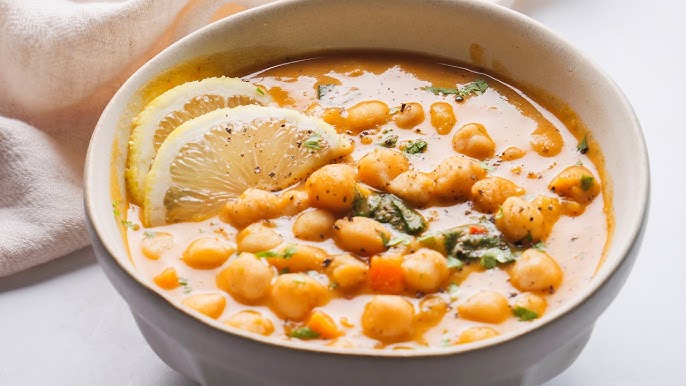
Chickpea Soup Recipe: Looking for a warm, hearty, and healthy meal that’s packed with protein, fiber, and flavor? You’re in the right place. Chickpea soup is a wholesome, comforting dish that’s perfect whether you need a cozy bowl on a rainy day or a light meal that won’t weigh you down. With humble ingredients and bold spices, this soup hits all the right notes—it’s creamy, savory, filling, and completely customizable.
Chickpeas (also known as garbanzo beans) have been a staple in kitchens around the world for thousands of years. Whether blended into hummus, roasted for snacks, or simmered in stews, they shine in any dish. Their nutty flavor and slightly grainy texture make them the perfect candidate for soup.
This chickpea soup recipe is beginner-friendly and totally flexible. Whether you’re vegan, vegetarian, gluten-free, or just hungry, this soup fits the bill. Plus, it’s budget-friendly and meal-prep approved. Let’s dive in!
List of Ingredients You’ll Need
Before you start cooking, let’s gather everything you need. Here’s a list of the core ingredients for our classic chickpea soup:
Essential Ingredients:
- 2 tablespoons olive oil
- 1 large onion, chopped
- 2-3 cloves garlic, minced
- 2 carrots, diced
- 2 celery stalks, diced
- 1 can (15 oz) chickpeas (or 1.5 cups cooked chickpeas)
- 1 teaspoon cumin
- 1 teaspoon smoked paprika
- 1/2 teaspoon turmeric
- Salt and pepper to taste
- 4 cups vegetable broth (or chicken broth)
- 1 tablespoon lemon juice (freshly squeezed)
Optional Add-ins for More Flavor:
- 1 teaspoon chili flakes or cayenne (for spice)
- 1 can diced tomatoes
- Fresh parsley or cilantro, chopped
- A bay leaf or two for simmering
- A splash of coconut milk for creaminess
Ingredient Substitutions:
- No carrots? Try sweet potatoes or butternut squash.
- Out of celery? Use bell pepper or skip entirely.
- Don’t have smoked paprika? Use regular paprika or a pinch of chipotle powder.
Pro tip: This soup is forgiving, so don’t stress if you’re missing something. Work with what you have!
Tools and Equipment Required
You don’t need fancy kitchen gadgets for this recipe. Here’s what you’ll want on hand:
- Large soup pot or Dutch oven
- Wooden spoon or spatula
- Chopping board and knife
- Measuring spoons and cups
- Blender or immersion blender (optional, for creamy texture)
- Ladle for serving
Optional but helpful:
- Garlic press (for faster prep)
- Citrus juicer (for squeezing lemons easier)
With just a few tools and a little prep, you’re ready to create something delicious.
Preparing the Chickpeas
Canned vs. Dried:
Canned chickpeas are super convenient and perfect for weeknights. Just drain, rinse, and you’re good to go.
Dried chickpeas require more time, but offer better flavor and texture. They’re cheaper in the long run and free from preservatives or added salt.
How to Cook Dried Chickpeas:
- Soak Overnight: Cover chickpeas with water and soak for at least 8 hours.
- Drain and Rinse: The next day, rinse the soaked beans.
- Cook: Add to a pot with fresh water, bring to a boil, then simmer for 45-60 minutes until tender.
Quick soak tip: Boil dried chickpeas for 5 minutes, then let them sit covered for 1 hour before cooking as usual.
Time-Saving Tip:
Cook a big batch and freeze portions for future soups, stews, and salads.
Step-by-Step Guide to Making Chickpea Soup
Now for the fun part—cooking! Follow this detailed step-by-step guide to make your chickpea soup rich, flavorful, and absolutely satisfying.
Step 1: Prep Your Ingredients
Start by preparing all your ingredients. Chop onions, carrots, celery, and garlic into small, even pieces so they cook evenly. Rinse and drain the chickpeas thoroughly, especially if using canned. Measure out spices such as cumin, paprika, black pepper, and salt. Having everything ready makes cooking smooth and stress-free.
Step 2: Sauté the Aromatics
Heat olive oil in a large pot over medium heat. Add onions and sauté until soft and translucent. Stir in garlic and cook briefly until fragrant. This step builds the soup’s flavor base, so avoid browning the garlic, which can turn bitter.
Step 3: Add the Vegetables
Add chopped carrots, celery, and any other vegetables you like, such as potatoes or bell peppers. These vegetables add body, texture, and natural sweetness. Stir well and cook for a few minutes to lightly soften them.
Step 4: Stir in Chickpeas and Spices
Add the chickpeas to the pot, followed by your spices. Stir to coat everything evenly. Let the spices cook briefly to release their aroma and deepen the flavor without burning.
Step 5: Add Broth and Simmer
Pour in vegetable or chicken broth—both work well depending on preference. Bring the soup to a gentle boil, then reduce to a simmer. Cook for 20–25 minutes until the vegetables are tender and the flavors are well blended.
Step 6: Blend for Creaminess (Optional)
For a creamy texture, blend a portion of the soup using an immersion blender. Blend carefully to avoid splashes. You can fully blend for a smooth soup or partially blend for a chunky, rustic feel.
Step 7: Final Seasoning Adjustments
Taste and adjust seasoning with more salt, pepper, or spices. Add a splash of lemon juice or vinegar for brightness, or a pinch of sugar to balance acidity if needed.
Warm, nourishing, and full of flavor—chickpea soup is comfort in a bowl 🥣✨
Serving Suggestions
Chickpea soup is hearty enough to stand on its own, but it pairs beautifully with all kinds of sides and toppings. Here are some ideas to level up your soup game:
Bread Pairings:
- Crusty sourdough or French baguette
- Warm pita or naan
- Garlic toast or grilled flatbread
Toppings:
- Fresh herbs (parsley, cilantro, dill)
- A swirl of olive oil or coconut cream
- Toasted pumpkin or sunflower seeds
- Crushed red pepper flakes
- A dollop of plain yogurt or vegan yogurt
Side Dishes:
- Simple green salad with lemon vinaigrette
- Roasted veggies like cauliflower or Brussels sprouts
- A grain bowl with quinoa or couscous
Presentation matters too—serve it in a warm bowl with a sprinkle of herbs and a lemon wedge on the side. You’ll feel like you’re dining at a Mediterranean café.
Storage and Leftovers
One of the best things about chickpea soup? It stores beautifully. In fact, it often tastes even better the next day once the flavors have had time to mingle.
Refrigerating:
- Cool the soup completely before storing.
- Transfer to an airtight container.
- Store in the fridge for up to 4–5 days.
Freezing:
- Let the soup cool fully before freezing.
- Store in freezer-safe containers or zip-top bags (lay flat for easy stacking).
- Freeze for up to 3 months.
- Thaw overnight in the fridge and reheat on the stovetop or microwave.
Tip: Avoid freezing the soup with added fresh herbs or dairy (like yogurt or cream). Add those fresh after reheating for best flavor and texture.
Nutritional Information
Here’s a breakdown of the nutrition in one serving (approximately 1½ cups) of this chickpea soup, based on standard ingredients:
| Nutrient | Approximate Value |
|---|---|
| Calories | 260–300 kcal |
| Protein | 10–12g |
| Fiber | 8–10g |
| Carbohydrates | 35–40g |
| Fat | 8–10g |
| Sugar | 4–5g |
| Sodium | Depends on broth |
Chickpeas are packed with plant-based protein and fiber, making this soup filling and satisfying. Plus, it’s naturally low in fat and high in iron, potassium, and magnesium.
Want to lower the sodium? Use low-sodium broth and skip the salt until the very end.
Why This Soup Is Perfect Year-Round
Some soups feel like winter-only dishes, but not this one. Chickpea soup wears all seasons well.
- Winter: Warm, cozy, and comforting—perfect with crusty bread by the fire.
- Spring: Fresh herbs and lemon bring brightness to each bite.
- Summer: Light enough to enjoy on its own with a cold salad or grilled veggies.
- Fall: Add seasonal veggies like pumpkin or squash for a twist.
It’s one of those meals that adapts to your mood, your pantry, and the season. Versatile, nourishing, and always satisfying.
Variations and Add-Ins
Want to get creative? Here are some fun ways to remix your chickpea soup and make it your own:
Spicy Chickpea Soup:
- Add harissa paste, cayenne, or fresh chilies for heat.
- Finish with a swirl of chili oil or hot sauce.
Mediterranean-Style:
- Add olives, sun-dried tomatoes, and oregano.
- Stir in spinach and crumbled feta before serving.
Creamy Vegan Version:
- Blend fully and stir in coconut milk or cashew cream.
- Top with nutritional yeast for a cheesy flavor.
Hearty Additions:
- Cooked rice, quinoa, or small pasta shapes.
- Chopped kale or Swiss chard.
Protein Boost:
- Add shredded rotisserie chicken or cooked sausage.
- Crumbled tofu or tempeh for a vegan option.
You can make this soup a thousand different ways and never get bored. It’s your canvas—paint it your way!
Common Mistakes to Avoid
Even simple recipes have their pitfalls. Here are some common mistakes people make when cooking chickpea soup—and how to steer clear of them:
1. Overcooking the Chickpeas
If you’re using canned chickpeas, remember: they’re already cooked. They only need to simmer to soak up flavor—not to soften. Overcooking can make them mushy and break apart too much, especially if you plan to blend the soup.
2. Skipping the Aromatics
Never skip the onion, garlic, and oil sauté at the beginning. This step is the foundation of your soup’s flavor. If you toss everything into the pot at once without layering, your soup may taste flat or one-dimensional.
3. Underseasoning or Overseasoning
Spices need time to bloom, and salt needs to be balanced. Taste as you go, especially after blending. Don’t add all your salt up front—your broth may already contain some. Likewise, adding too many strong spices (like cumin or cayenne) without tasting can overpower the delicate chickpea flavor.
4. Ignoring Texture
Don’t just think about flavor—texture matters! Blend part of the soup to get that creamy feel, or leave it chunky if you like to chew your veggies. Know your preference and make adjustments accordingly.
5. Not Letting the Soup Rest
Like many soups and stews, chickpea soup actually improves after a little rest. Let it sit for 10–15 minutes before serving. It allows the flavors to develop and makes each spoonful even better.
Avoid these common issues, and you’ll end up with a soup that’s cozy, flavorful, and just downright satisfying.
Expert Tips for the Best Chickpea Soup
Want to take your soup to the next level? Here are some tried-and-true tricks from seasoned home cooks and chefs:
Use Homemade Broth
If you have the time, a homemade veggie or chicken broth adds serious depth of flavor that boxed broth just can’t match. Plus, you can control the salt content.
Toast Your Spices
Before adding broth, toast your spices in the oil with the veggies for 1–2 minutes. It unlocks richer, more intense flavors. Think of it as giving your soup a deeper soul.
Add Acid at the End
Lemon juice or vinegar balances the soup and enhances every flavor. If your soup tastes “okay but missing something,” try a splash of acid—you’ll be amazed.
Garnish Like a Pro
A swirl of olive oil, a sprinkle of chili flakes, a few fresh herbs—small touches go a long way. They make the dish pop both in flavor and appearance.
Let It Rest Before Serving
Yes, again. This is worth repeating: even 10 minutes of rest time can improve the taste as everything continues to meld and settle.
These small details separate a “good enough” soup from one you’ll want to make every week.
FAQs about Chickpea Soup Recipe
1. Can I make this soup in a slow cooker or Instant Pot?
Yes! For the slow cooker, sauté aromatics first, then add all ingredients and cook on low for 6–8 hours or high for 3–4 hours. In the Instant Pot, use the sauté function for aromatics, then pressure cook on high for 10 minutes and let release naturally.
2. What can I use instead of chickpeas?
Great alternatives include white beans, lentils, or black beans. Each has a unique flavor and texture but works well in this soup’s flavor base.
3. How long will it last in the fridge?
Properly stored in an airtight container, chickpea soup lasts 4 to 5 days in the refrigerator. Just reheat on the stove or microwave before serving.
4. Is this recipe kid-friendly?
Yes! It’s flavorful without being spicy (unless you add heat), and the soft texture makes it easy to eat. Skip the chili flakes and blend for a smoother version if needed.
5. Can I make it creamy without using dairy?
Absolutely. Blend part of the soup or add coconut milk, cashew cream, or a spoonful of tahini for a silky, dairy-free texture.
Conclusion
So there you have it—the ultimate chickpea soup recipe, step-by-step. It’s simple, affordable, and endlessly customizable. Whether you’re cooking for yourself, your family, or friends, this is a dish that’s sure to satisfy.
With just a few ingredients, some careful seasoning, and a little time on the stove, you’ve got a meal that’s hearty, healthy, and packed with flavor. Perfect for meal prep, cozy nights in, or even impressing guests with a rustic, homemade touch.
So grab those chickpeas, fire up the stove, and get cooking—you’re just a few steps away from a bowl of pure comfort.