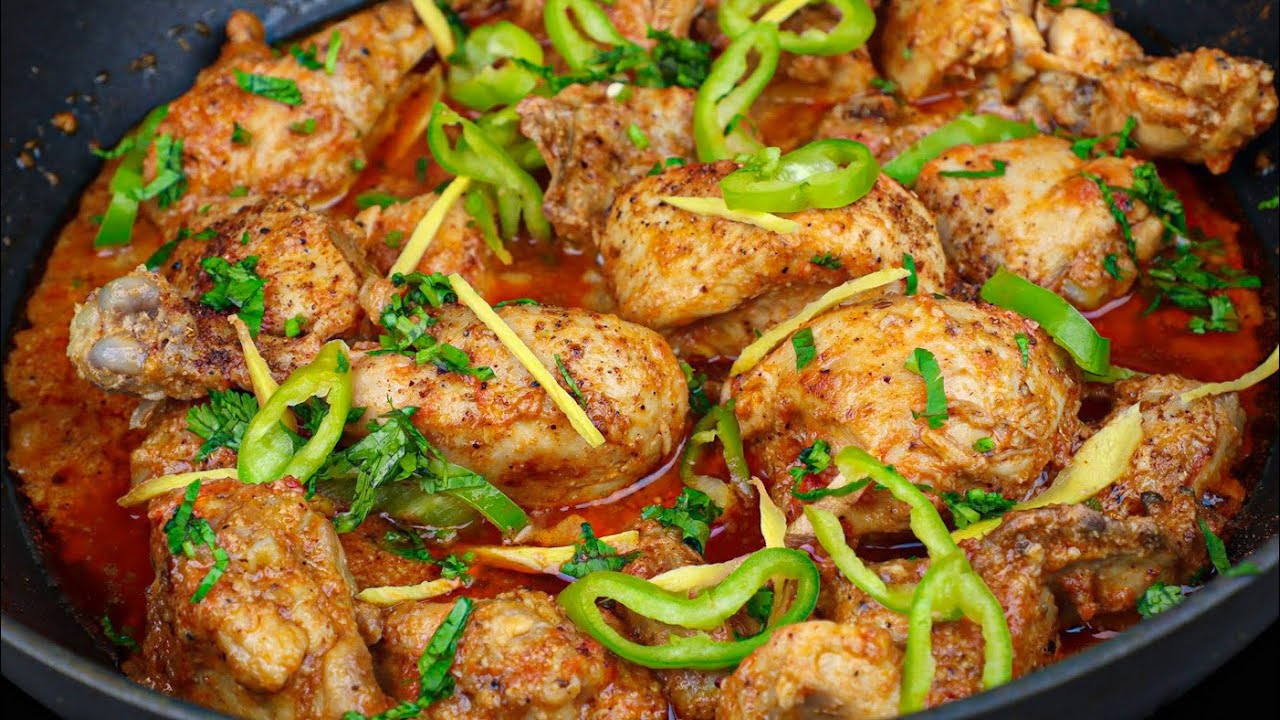
Chicken Karahi Recipe: If there’s one dish that stands out in South Asian cuisine, it’s Chicken Karahi. This fiery, rich, and incredibly flavorful recipe is a household favorite, especially in Pakistan and Northern India. The beauty of this dish lies in its simplicity — minimal ingredients, quick cooking time, and maximum flavor. Whether you’re preparing for a family dinner or hosting guests, chicken karahi never fails to impress.
Unlike complicated curries, chicken karahi doesn’t require hours of marination or a hundred different spices. With just a few pantry essentials and some fresh produce, you can whip up a restaurant-style karahi at home in under an hour. The key to a delicious karahi lies in the technique — cooking it in a wok-style pan (karahi) on high flame to lock in all the natural juices and spices.
Ready to master this classic recipe? Let’s dive into everything you need to know about making the perfect chicken karahi — from the origins and variations to a full step-by-step breakdown.
What is Chicken Karahi?
Chicken Karahi is a spicy and aromatic curry cooked traditionally in a karahi, a thick, circular, and deep cooking pot similar to a wok. It’s made by sautéing chicken pieces in oil or ghee with tomatoes, green chilies, ginger, garlic, and a mix of bold spices. Unlike traditional curries that are gravy-heavy, karahi has a semi-dry consistency that lets the spices shine.
What sets chicken karahi apart is the richness of flavor achieved through slow cooking and reducing the tomato base until the oil separates. You’ll often see chicken karahi bubbling away in street-side dhabas (local eateries) where it’s served sizzling hot with naan or roti. The aroma is enough to stop anyone in their tracks!
Whether you like it super spicy or mildly tangy, chicken karahi can be customized to suit your taste. It’s fast, flexible, and totally addictive.
Origins of Chicken Karahi
The term “karahi” comes from the utensil it’s traditionally cooked in — a karahi or kadai, which originated in the Indian subcontinent. Over time, the name started being used for the dish itself. While the exact origin is hard to pinpoint, many believe that chicken karahi first gained fame in Pakistan, particularly in the northwestern regions.
Peshawar and Lahore are famous for their distinct takes on this dish. Peshawari chicken karahi uses minimal spices and relies more on the natural flavors of meat and tomatoes, while Lahori karahi is loaded with green chilies and aromatics. Despite the regional variations, one thing remains constant — the use of fresh, high-quality ingredients and a sizzling hot wok.
Why Chicken Karahi is So Popular
Chicken karahi is not just a dish — it’s a culinary experience. Here’s why people love it:
- Quick & Easy: Unlike many traditional dishes, it doesn’t need hours of marination or prep.
- Flavor Explosion: It strikes the perfect balance of tangy, spicy, and savory.
- Customizable: Can be adjusted to mild or hot, depending on your spice tolerance.
- Perfect for Any Occasion: Whether it’s a family dinner, a quick lunch, or a festive meal, karahi fits the bill.
- Goes with Everything: Serve it with naan, roti, or rice — it’s always a hit.
Different Types of Karahi Dishes
Chicken Karahi vs. Mutton Karahi
- Chicken Karahi: Cooks faster, lighter on the stomach, and great for quick meals.
- Mutton Karahi: Richer and more indulgent, needs longer cooking time to tenderize the meat.
Lahori vs. Peshawari Style
- Lahori Karahi: Spicier, oilier, and packed with green chilies and garlic.
- Peshawari Karahi: Simpler and purist — often made with just meat, tomatoes, and salt.
Health Benefits of Chicken Karahi
Surprised to see this? Yes, chicken karahi can actually be a healthy option — if made right. Here’s how:
- High in Protein: Chicken provides essential lean protein for muscle growth.
- Low in Carbs: Great for those on a low-carb diet.
- Tomato-Based: Loaded with antioxidants like lycopene.
- Spices with Benefits: Garlic, ginger, and turmeric offer anti-inflammatory properties.
Want to make it even healthier? Use less oil, lean chicken breast, and pair it with whole wheat roti or brown rice.
List of Ingredients You’ll Need
Let’s get to the heart of the recipe — the ingredients. The magic of chicken karahi is how it turns basic items into a rich, flavorful dish.
Essential Spices
- 1 tsp red chili powder (adjust to taste)
- 1 tsp turmeric powder
- 1 tsp ground coriander
- Salt to taste
- 1 tsp garam masala (for final garnish)
Fresh Ingredients
- 1 kg chicken (bone-in pieces preferred)
- 4 large tomatoes (roughly chopped)
- 6–8 garlic cloves (minced)
- 2-inch piece of fresh ginger (julienned)
- 4–5 green chilies (sliced)
- 1/2 cup plain yogurt (whisked)
- Fresh coriander leaves (for garnish)
Optional Add-ons
- 1 tsp crushed black pepper
- 1 tsp cumin seeds
- Lemon wedges (for serving)
Tools You’ll Need in the Kitchen
- A heavy-bottomed wok or karahi pan
- Sharp knife for chopping
- Mixing bowls
- Wooden spoon or spatula
- Garlic press (optional but handy)
- Stove or gas burner (high flame is key)
Preparation Tips Before You Start Cooking
Before you fire up the stove, take a few moments to prepare properly:
- Cut the chicken into even pieces to ensure uniform cooking.
- Chop the tomatoes coarsely — no need to skin or deseed them.
- Have all spices measured out and ready to go — karahi cooks fast!
- Use room-temperature yogurt to prevent curdling when added to the hot pan.
- Fresh garlic and ginger are a must — skip the pre-made pastes for best flavor.
Step-by-Step Guide to Making Chicken Karahi
Step 1: Prepping the Chicken
Start with bone-in chicken pieces for the most authentic flavor. Rinse and pat them dry. Keeping the pieces evenly sized helps them cook uniformly. Set aside while you prepare the other ingredients.
Step 2: Heating the Oil and Frying Garlic
Heat oil in a deep pan or karahi over medium heat. Add crushed or finely chopped garlic and sauté until lightly golden and fragrant. This step builds the base flavor of the dish, so don’t rush it.
Step 3: Cooking the Tomatoes
Add blended or finely chopped tomatoes to the pan. Cook them on medium-high heat, stirring frequently, until the oil begins to separate from the mixture. This indicates the tomatoes are fully cooked and concentrated in flavor.
Step 4: Adding Chicken and Spices
Add the chicken pieces to the tomato mixture. Stir well to coat them evenly. Add spices such as red chili powder, coriander powder, turmeric, and salt. Cook on high heat for a few minutes, stirring constantly, until the chicken starts to change color and absorb the spices.
Step 5: Simmering for Maximum Flavor
Lower the heat, cover the pan, and let the chicken simmer in its own juices. Stir occasionally to prevent sticking. This slow cooking allows the flavors to deepen and the chicken to become tender.
Step 6: Adding Yogurt and Finishing Touches
Stir in whisked yogurt and cook uncovered until the gravy thickens. Finish with freshly crushed ginger, green chilies, and garam masala. Garnish with chopped cilantro and serve hot with naan or roti.
Spicy, rich, and deeply aromatic—chicken karahi is a bold dish that never fails to impress 🍗🔥
Pro Tips for Perfect Chicken Karahi
- Use bone-in chicken: It adds more depth of flavor than boneless cuts.
- Don’t skimp on tomatoes: They form the base of the masala. Ripe, juicy ones are best.
- Cook on high flame where needed: Especially during sautéing stages — it helps intensify flavors.
- Avoid too much water: This dish is semi-dry. Adding water dilutes the intensity.
- Fresh ingredients > pre-made pastes: Always go with freshly chopped garlic, ginger, and chilies.
Want restaurant-style flair? Add a dollop of butter or a splash of cream at the end for that dhaba-style richness.
Common Mistakes to Avoid
- Using canned tomatoes: Fresh tomatoes give the best flavor and texture.
- Overcooking the chicken: Especially if using boneless — keep an eye on the time.
- Not letting the oil separate: This step signals that the masala is fully cooked.
- Too many spices: Simplicity is key. Don’t overload it with unnecessary masalas.
- Skipping the garnish: Ginger, chilies, and coriander elevate the dish from good to great.
Serving Suggestions
Chicken Karahi shines brightest when served hot and fresh. Here’s how you can make it an unforgettable meal:
- Breads: Serve with naan, roti, or paratha to soak up every bit of that flavorful masala.
- Rice: Though not traditional, it pairs well with plain basmati or jeera rice.
- Sides:
- Fresh cucumber and onion salad
- Mint raita or plain yogurt
- Lemon wedges and extra green chilies
Presentation tip: Serve it directly in the karahi for that rustic, street-food feel.
How to Store and Reheat Leftovers
Got leftovers? Lucky you — Chicken Karahi tastes even better the next day!
Storage:
- Let it cool completely before storing.
- Use an airtight container and refrigerate for up to 3 days.
- You can also freeze it for up to a month.
Reheating:
- Reheat in a pan over low-medium heat.
- Add a splash of water to loosen up the masala.
- Avoid microwaving for too long — it can dry out the chicken.
Want to freshen it up? Sprinkle fresh coriander and ginger while reheating to revive the aroma.
FAQs about Chicken Karahi Recipe
1. Can I make chicken karahi without tomatoes?
Tomatoes are a key ingredient, but if you’re allergic or out of stock, you can substitute with yogurt and a bit of lemon juice. However, the taste will be slightly different.
2. Is chicken karahi supposed to be dry or with gravy?
It’s typically semi-dry — meaning thick masala clings to the chicken rather than a runny curry.
3. Can I use boneless chicken for this recipe?
Yes, boneless chicken breast or thigh works, but bone-in pieces provide more flavor and keep the meat juicier.
4. How spicy is chicken karahi?
Traditionally, it’s moderately to highly spicy. But you can adjust the chilies and chili powder to make it milder.
5. What’s the best oil to use for chicken karahi?
Neutral oils like canola or sunflower oil work well. For extra flavor, use ghee or mix oil with butter.
Conclusion
There you have it — a complete, step-by-step guide to making mouthwatering Chicken Karahi at home. From selecting fresh ingredients to mastering the perfect blend of spices, this recipe gives you everything you need to impress family and friends (or just treat yourself!).
Don’t be intimidated by its bold flavors. Once you make this dish a few times, it becomes second nature. The sizzling aroma, the vibrant color, and the tender chicken will have everyone reaching for seconds — maybe even thirds.
Ready to bring the magic of street-style Chicken Karahi into your kitchen?
Fire up the stove — it’s karahi time!