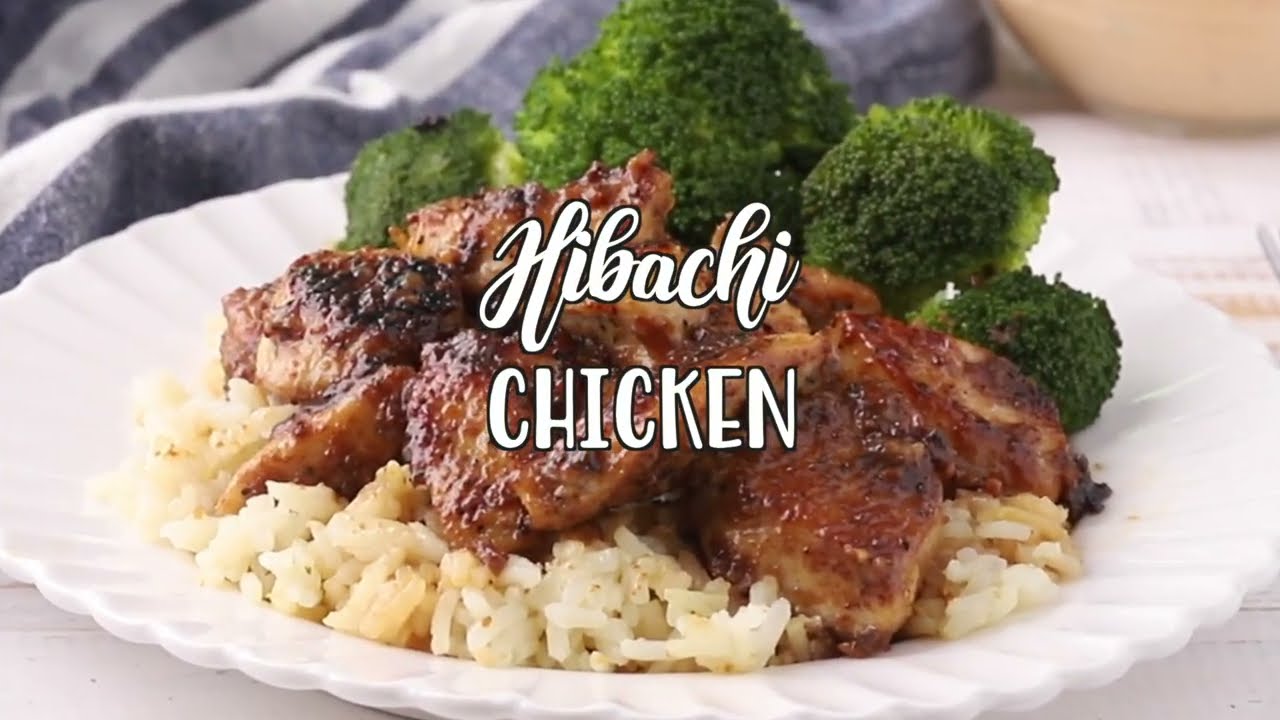
Hibachi Chicken Recipe: If you’ve ever been to a Japanese steakhouse, you’ve probably seen the flashy knife tricks, sizzling grills, and the crowd-favorite: Hibachi Chicken. It’s juicy, flavorful, and served with stir-fried veggies and rice, often topped with that irresistible creamy yum yum sauce. The best part? You don’t have to book a reservation or spend a fortune to enjoy it.
Making hibachi chicken at home is way easier than you think, and honestly, it tastes just as good—sometimes even better. It’s perfect for family dinners, meal prep, or even when you’re craving takeout but want to stay in your pajamas. Plus, you control the ingredients, which means you can keep it healthy, spicy, or super saucy—however you like it.
In this guide, I’ll walk you through everything you need to make authentic-tasting hibachi chicken at home. From ingredients to cooking tips, it’s all laid out step by step. Let’s dive in and start cooking!
What Makes Hibachi Chicken So Popular?
So, why do people go crazy over hibachi chicken? It’s simple: flavor, texture, and entertainment. It’s one of those meals that engages all your senses. When you bite into that tender, garlicky chicken, paired with smoky vegetables and that buttery fried rice, it’s comfort food heaven.
But what really sets hibachi chicken apart is its cooking style. Traditionally cooked on a flat-top grill (called a teppanyaki), everything is seared quickly over high heat. That creates those caramelized edges and a slightly charred, smoky flavor. The result is a combination of juicy, savory chicken with crispy golden bits that are totally addictive.
Hibachi meals are also versatile. You can swap chicken for steak, shrimp, or tofu, adjust the spice levels, or mix up your vegetables. It’s a meal that caters to every taste and dietary need. And let’s not forget the iconic sauces—hibachi just isn’t the same without that drizzle of yum yum or ginger sauce.
Whether you’re hosting a dinner party or just want a fun, easy weeknight dinner, hibachi chicken hits the spot every time.
Ingredients You’ll Need
If you want to nail the flavor, you’ve got to get the ingredients right. The good news? Most of these are pantry staples or easily found at any grocery store.
Main Ingredients for the Chicken:
- Boneless, skinless chicken thighs or breasts (1–1.5 lbs) – Thighs are juicier, but breasts work fine.
- Soy sauce – Adds that salty, umami base.
- Sesame oil – A must for that authentic hibachi aroma.
- Butter – For richness and that golden sear.
- Garlic (minced) – Fresh is best, but garlic paste works too.
- Salt & black pepper – Basic, but crucial.
Vegetables Commonly Used:
- Zucchini – Sliced into half-moons or chunks.
- Onions – White or yellow onions, chopped.
- Mushrooms – Button or baby bella, sliced.
- Carrots – Julienned or sliced thin.
- Broccoli (optional) – Adds color and crunch.
Essential Sauces and Seasonings:
- Teriyaki sauce (optional) – For added sweetness.
- Rice vinegar or mirin – Adds a slight tang.
- Sugar or honey – Just a touch for balance.
- Ginger (minced or paste) – Optional, but adds zing.
Optional extras:
- Chili flakes or sriracha for heat
- Green onions for garnish
- Lemon juice for a fresh pop
Keep in mind, this recipe is super flexible. Don’t stress if you’re missing one or two ingredients. You can still get that hibachi-style taste by focusing on the core flavors: soy, garlic, sesame, and butter.
Kitchen Tools You’ll Need
You don’t need a full-on hibachi grill to pull this off, but the right tools make things a lot easier (and tastier).
Here’s what you’ll need:
- Large skillet or wok – A flat surface and high sides help with fast stir-frying.
- Sharp chef’s knife – For prepping your meat and veggies.
- Cutting board – Preferably two (one for meat, one for veggies).
- Spatula or tongs – To flip and stir without breaking the meat.
- Mixing bowls – For marinating and prepping ingredients.
- Measuring spoons and cups – Precision counts when balancing flavors.
- Small saucepan (for yum yum sauce) – If you’re making sauces from scratch.
Optional but helpful:
- Griddle pan – Closer to the real hibachi experience.
- Rice cooker or Instant Pot – For perfectly cooked rice every time.
The secret here is high heat and quick movement. Whether you’re using a skillet, wok, or griddle, make sure it’s hot enough to sear the chicken and veggies fast. This locks in flavor and keeps everything from steaming or getting soggy.
Preparation Before Cooking
You know what separates a stressful dinner from a smooth one? Prep. Trust me—getting your ingredients and tools ready ahead of time is a total game-changer.
How to Prep the Chicken
- Trim off any fat and slice the chicken into bite-sized pieces. Uniform size = even cooking.
- Marinate it (optional but recommended) in soy sauce, garlic, a bit of sugar, and sesame oil. Even 15 minutes makes a difference.
Quick marinade:
- 2 tbsp soy sauce
- 1 tsp sesame oil
- 1 tsp minced garlic
- 1/2 tsp sugar
Let it soak while you prep the veggies.
Vegetable Chopping Tips
- Zucchini: Cut in half lengthwise, then into half-moon slices.
- Onions: Slice into thick strips (they’ll caramelize slightly).
- Mushrooms: Wipe clean with a paper towel, then slice.
- Carrots: Thin strips or matchsticks work best for even cooking.
- Broccoli: Cut into small florets if using.
Mixing the Sauces
You can use store-bought sauces or mix up a quick stir-fry sauce:
- 2 tbsp soy sauce
- 1 tbsp teriyaki sauce
- 1 tsp sugar or honey
- 1 tsp rice vinegar
- 1/2 tsp minced ginger
Whisk everything in a small bowl and set aside. Boom—you’re ready to cook!
Step-by-Step Hibachi Chicken Cooking Guide
Let’s break it down step by step so you can get that sizzling, restaurant-style result right at home.
Step 1: Heating the Pan or Grill
Start by heating a large skillet, flat-top griddle, or grill pan over high heat. Hibachi cooking relies on high heat to create that signature seared flavor. Once hot, add a small amount of oil and let it shimmer before cooking.
Step 2: Cooking the Chicken
Add bite-sized pieces of chicken to the hot pan. Season lightly with salt and pepper. Let the chicken cook undisturbed for a minute to get a good sear, then stir-fry until fully cooked and lightly browned on all sides. Remove the chicken and set aside.
Step 3: Stir-Frying the Vegetables
In the same pan, add a bit more oil if needed. Toss in vegetables such as zucchini, onions, mushrooms, and carrots. Stir-fry over high heat until tender-crisp, keeping them slightly crunchy for texture.
Step 4: Mixing It All Together
Return the cooked chicken to the pan with the vegetables. Toss everything together so the flavors combine evenly. Keep the heat high and stir constantly to avoid steaming.
Step 5: Final Flavor Enhancements
Drizzle in soy sauce and a small knob of butter for richness. Add minced garlic or a splash of sesame oil if desired. Toss quickly, taste, and adjust seasoning before removing from heat.
Serve hot with fried rice or noodles for a classic hibachi-style meal that’s savory, smoky, and packed with flavor 🍽️🔥
How to Make Hibachi Fried Rice (Bonus)
What’s hibachi chicken without a side of fried rice, right? You can whip this up in the same pan after your chicken and veggies. No waste, no mess—just pure deliciousness.
You’ll Need:
- 2 cups cooked rice (cold, day-old rice is best)
- 2 eggs
- 1/2 cup frozen peas and carrots (thawed)
- 2 tbsp soy sauce
- 1 tbsp butter
- 1 tsp sesame oil
- Salt & pepper to taste
Steps:
- In the same pan, add butter and sesame oil.
- Crack in two eggs, scramble until almost cooked.
- Add in your rice and veggies. Stir well to break up clumps.
- Pour in soy sauce, season with salt and pepper.
- Stir-fry on high heat until everything is hot and slightly crispy.
Fried rice done hibachi-style is buttery, slightly crispy on the edges, and full of umami. It’s the perfect sidekick to your chicken.
Yum Yum Sauce – The Iconic Side
You know that pinkish, creamy sauce they serve with everything at hibachi spots? That’s yum yum sauce, and making it at home is stupid simple.
Ingredients:
- 1 cup mayonnaise
- 1 tbsp ketchup
- 1 tbsp melted butter
- 1 tsp garlic powder
- 1 tsp sugar
- 1 tbsp rice vinegar
- Dash of paprika or cayenne (optional)
Instructions:
- Mix everything in a bowl until smooth.
- Chill for 15–30 minutes before serving.
This sauce adds that creamy, tangy contrast to the salty chicken and rice. It’s basically the cherry on top.
Serving Suggestions
Presentation matters—even at home.
Here’s how to serve it up hibachi-style:
- Plate a scoop of hibachi fried rice.
- Add a generous helping of hibachi chicken and veggies on the side.
- Drizzle yum yum sauce over the top (or serve on the side).
- Sprinkle with chopped green onions and sesame seeds.
- Optional: Serve with a slice of lemon or a small bowl of miso soup.
Serve it up on a flat plate or in a bento box for extra flair. Either way, your family or guests will be blown away.
Storing Leftovers Properly
Got leftovers? Lucky you. Hibachi chicken stores beautifully and can taste even better the next day as the flavors settle. But you’ve got to store it right to keep it fresh, safe, and tasty.
Here’s what to do:
- Let it cool: Don’t throw hot food directly into the fridge. Let the chicken and rice cool down to room temperature first (but don’t leave it out for more than 2 hours).
- Use airtight containers: Divide the leftovers into meal-size portions and store them in airtight containers. This keeps out moisture and prevents your chicken from drying out.
- Label and date: Always label your container with the date so you know how long it’s been sitting there.
Storage Time Guidelines:
| Type of Leftover | Fridge (°F 40 or below) | Freezer (°F 0 or below) |
|---|---|---|
| Hibachi Chicken | Up to 4 days | 2–3 months |
| Fried Rice | Up to 3–4 days | 1–2 months |
| Yum Yum Sauce | Up to 1 week | Not recommended |
If you’re freezing leftovers, let them thaw overnight in the fridge before reheating. Avoid thawing at room temperature—it increases the risk of bacteria growth.
Reheating Without Losing Flavor
Reheating hibachi chicken the wrong way can leave you with rubbery meat or dry rice. But don’t worry—there are ways to keep it just as juicy and flavorful as when you first cooked it.
Reheat on the Stovetop (Best Method):
- Add a splash of water or chicken broth to a skillet.
- Add the chicken, veggies, and rice.
- Cover with a lid and heat on medium-low for 5–7 minutes, stirring occasionally.
- Add a little soy sauce or butter toward the end for extra flavor.
Microwave Method (Quick Option):
- Place food in a microwave-safe container.
- Add a damp paper towel on top to prevent drying out.
- Microwave on medium power for 2–3 minutes, stirring halfway through.
Pro Tip: Reheating everything together brings back that stir-fry flavor, but if you’re in a hurry, reheat chicken and rice separately to avoid overcooking.
Tips for Restaurant-Style Flavor at Home
Want to take your hibachi chicken from good to amazing? These pro tips will get you there:
- Use cold rice: Fresh rice is too sticky. Cold, day-old rice fries up with crispy edges—just like the pros do.
- Butter is king: Don’t be shy with it. Butter gives hibachi its signature rich, golden flavor.
- Cook over high heat: That caramelized sear is key. Use a cast-iron skillet if possible.
- Don’t crowd the pan: Work in batches to let things fry, not steam.
- Finish with a squeeze of lemon: It adds brightness that cuts through the richness.
- Make the sauces ahead: Let them chill and thicken in the fridge for maximum flavor.
Bonus tip: If you really want that smoky “grill” flavor, use a bit of liquid smoke or cook your chicken on a hot grill pan.
Common Mistakes to Avoid
Let’s face it—we’ve all had kitchen fails. Here’s how to skip the stress and avoid common hibachi mistakes:
- Using low heat: You won’t get that proper sear, and everything will turn out soggy.
- Skipping the butter: It’s not optional—it’s a flavor essential.
- Overcooking the chicken: Chicken breast especially can dry out fast. Use a meat thermometer to get it just right.
- Cooking all at once: Crowding your pan causes steaming. Cook in batches if needed.
- Not prepping beforehand: Hibachi cooking moves fast. If you’re chopping while cooking, you’ll fall behind and possibly burn something.
- Forgetting to season: Layer flavor by seasoning at every stage—not just at the end.
Avoid these and you’ll get that authentic, crave-worthy hibachi flavor every single time.
Hibachi Chicken Nutrition Facts
While hibachi chicken tastes indulgent, it can actually be pretty balanced—especially when you cook it at home and control the ingredients.
Here’s an approximate breakdown for one serving (chicken, veggies, and a small portion of rice):
| Nutrient | Amount (approx.) |
|---|---|
| Calories | 450–550 kcal |
| Protein | 30–35g |
| Carbohydrates | 35–40g |
| Fat | 20–25g |
| Sodium | 800–1000mg |
| Fiber | 4–6g |
Health tips:
- Use low-sodium soy sauce to reduce sodium.
- Add more veggies to increase fiber and nutrients.
- Use less butter or swap with olive oil for a lighter version.
If you’re tracking macros or watching calories, hibachi chicken is a great option—especially if you skip or lighten the sauces.
FAQs about Hibachi Chicken Recipe
1. Can I make hibachi chicken without a wok or flat-top grill?
Absolutely! A large skillet or even a griddle pan works just fine. The key is using high heat and not overcrowding the pan.
2. What’s the difference between hibachi and teriyaki chicken?
Hibachi chicken is cooked on a grill with butter, soy sauce, and garlic. Teriyaki chicken uses a sweet soy-based sauce and is often grilled or broiled.
3. Can I meal prep hibachi chicken for the week?
Yes! Hibachi chicken stores well for up to 4 days. Keep the sauce separate if possible to avoid sogginess and reheat gently.
4. What’s the best rice to use for hibachi fried rice?
Use cold, day-old white rice (like jasmine or medium-grain). Fresh rice will turn mushy and won’t fry properly.
5. Can I make it vegetarian or vegan?
Totally! Swap chicken with tofu or tempeh and use plant-based butter. The flavors will still be rich and satisfying.
Conclusion
There you have it—the ultimate hibachi chicken recipe, step by step. From prepping your ingredients to mastering the sear, making this restaurant classic at home is not just doable—it’s downright fun and delicious. Whether you’re cooking for your family or just craving something bold and comforting, hibachi chicken brings the flavor and flair.
With fresh veggies, juicy chicken, buttery rice, and that creamy yum yum sauce, this dish has everything going for it. And now that you know all the insider tips, tricks, and common mistakes to avoid, you’re totally set up for success.
So fire up that skillet, gather your ingredients, and let’s bring the Japanese steakhouse magic right to your kitchen. You’ll be amazed at how close it tastes to the real deal—and maybe even better.