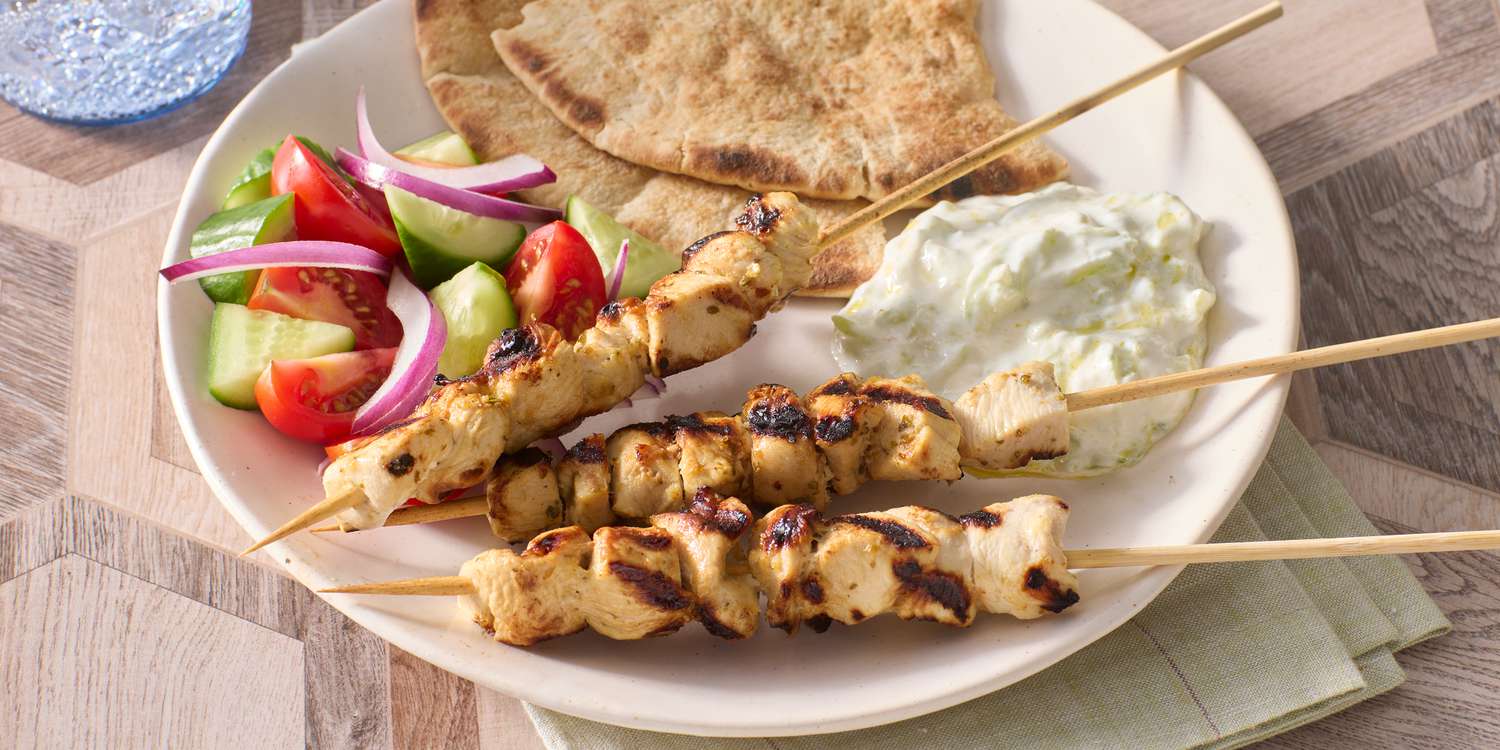
Chicken Greek Souvlaki Recipe: Craving a flavorful Greek meal that’s easy to prepare and guaranteed to impress? This Chicken Greek Souvlaki recipe is your answer.
Packed with Mediterranean flavor, tender chicken chunks are marinated in olive oil, lemon juice, garlic, and herbs, then grilled to perfection.
Whether you’re prepping a weeknight dinner or hosting a backyard BBQ, this step-by-step guide has you covered.
What is Chicken Souvlaki?
Chicken Souvlaki is a traditional Greek street food made from marinated, skewered, and grilled meat—typically served with warm pita bread, fresh veggies, and creamy tzatziki sauce. “Souvlaki” means “skewer” in Greek, and this dish goes way back to ancient times, when cooking meat on sticks over an open fire was common. While it’s often made with pork or lamb, the chicken version is incredibly popular due to its juicy texture and lighter flavor. Think of it as Greece’s answer to the kebab—but with a lemony-herb twist that sets it apart from Middle Eastern or Turkish variations.
Why You’ll Love This Recipe
- Quick & Easy: Just a bit of chopping and mixing, and the grill does the rest.
- Super Healthy: Lean protein, olive oil, and fresh herbs make it light but filling.
- Great for Meal Prep: Make ahead and store for busy weekdays.
- Versatile: Eat it on a plate, in a wrap, or over salad.
- Authentic Flavor: Brings the taste of Greece to your kitchen.
Authentic vs Modern Greek Souvlaki
Authentic Greek souvlaki was traditionally made with pork and served simply with lemon and bread. Modern takes, especially outside Greece, include chicken, lamb, or even beef, often wrapped in pita and dressed with veggies and sauces like tzatziki. While purists might prefer the original simplicity, modern chicken souvlaki wins hearts for its lightness, flavor, and adaptability. Plus, chicken tends to soak up the marinade quickly, making it even juicier on the grill.
List of Ingredients You’ll Need
For the Marinade
- 1/3 cup extra virgin olive oil
- Juice of 2 lemons
- 4 cloves garlic (minced)
- 1 tbsp dried oregano
- 1 tsp dried thyme
- 1 tsp paprika (optional)
- Salt and black pepper to taste
For the Chicken
- 1.5 to 2 lbs boneless, skinless chicken breasts or thighs
- Wooden or metal skewers
For the Garnishes & Sides
- Pita bread (warm)
- Tzatziki sauce
- Diced red onion
- Sliced cucumber
- Cherry tomatoes
- Feta cheese crumbles
- Fresh parsley
How to Choose the Best Chicken for Souvlaki
The choice of chicken makes all the difference. You can use either chicken breasts or chicken thighs, depending on your preference.
- Chicken Breasts: Leaner and cooks quickly, great for those watching fat intake. But be careful not to overcook—breasts can dry out easily.
- Chicken Thighs: More flavorful and juicy due to higher fat content. They hold up better to high heat on the grill.
For best results, go for organic or free-range chicken—it tends to be more tender and flavorful. Make sure the meat is fresh and free of excess moisture, and always trim off any unwanted fat or tendons before marinating.
The Secret to a Flavorful Marinade
Marinade is the soul of a good souvlaki. It transforms plain chicken into juicy, flavor-packed bites that transport your taste buds straight to the Mediterranean.
Best Oils and Acids to Use
- Olive oil is the base—go for cold-pressed, extra virgin for rich flavor.
- Lemon juice provides acidity that tenderizes the chicken while adding zest.
- Red wine vinegar (optional) can be used for a sharper tang if desired.
Herbs and Spices that Make a Difference
- Oregano: A must in Greek cuisine—dried works better than fresh here.
- Thyme: Earthy and subtle, perfect for balancing bold lemon notes.
- Garlic: Freshly minced garlic infuses deep flavor into every bite.
- Paprika: Adds a smoky layer if you’re into a slightly spiced version.
Let the chicken marinate for at least 2 hours, but overnight is best for maximum flavor.
Step-by-Step Guide to Making Chicken Greek Souvlaki
Step 1: Cut the Chicken Properly
Start with boneless, skinless chicken breasts or thighs. Cut the chicken into evenly sized cubes, about 1 to 1½ inches. Uniform pieces ensure the chicken cooks evenly and stays juicy on the grill.
Step 2: Prepare the Marinade
In a bowl, whisk together olive oil, fresh lemon juice, minced garlic, dried oregano, salt, black pepper, and a pinch of paprika. This simple marinade delivers that classic Greek flavor—bright, herby, and savory.
Step 3: Marinate the Chicken
Add the chicken pieces to the marinade and toss until fully coated. Cover and refrigerate for at least 30 minutes, though 2–4 hours is ideal for deeper flavor. Avoid marinating too long, as the lemon juice can break down the meat too much.
Step 4: Skewer the Chicken
Thread the marinated chicken onto skewers, leaving a little space between each piece for even cooking. If using wooden skewers, soak them in water beforehand to prevent burning.
Step 5: Grill the Souvlaki
Preheat the grill to medium-high heat. Place the skewers on the grill and cook for about 10–12 minutes, turning occasionally. Grill until the chicken is lightly charred on the outside and fully cooked on the inside.
Step 6: Rest and Serve
Remove the skewers from the grill and let them rest for a few minutes. This helps the juices redistribute, keeping the chicken tender. Serve hot with pita bread, tzatziki sauce, and a fresh Greek salad.
Juicy, smoky, and packed with Mediterranean flavor—chicken Greek souvlaki is a timeless favorite 🍢
Best Cooking Methods: Grill vs Oven vs Pan
While grilling gives the most authentic charred flavor, not everyone has access to a BBQ year-round. Here’s how you can cook souvlaki using different methods:
1. Grill (Best Option)
- Pros: Smoky flavor, quick cooking, authentic taste.
- Cons: Requires outdoor space or indoor grill pan.
2. Oven
- Preheat to 425°F (220°C).
- Line a baking sheet with foil or parchment.
- Roast the skewers for 20–25 minutes, flipping halfway through.
- For a charred finish, broil for the last 3 minutes.
3. Pan-Searing
- Use a heavy skillet or grill pan.
- Cook over medium-high heat with a touch of oil.
- Press the skewers down for even browning.
All methods work well, but if you love that Greek taverna vibe, grilling is the way to go.
What to Serve with Greek Chicken Souvlaki
Pairing your souvlaki with the right sides makes it a complete Mediterranean feast. Here are some classic options:
- Pita Bread: Warmed or lightly toasted.
- Tzatziki Sauce: Yogurt, cucumber, garlic, lemon, and dill.
- Greek Salad: Tomatoes, cucumber, olives, red onion, feta.
- Lemon Rice or Couscous: A citrusy side to complement the herbs.
- Roasted Potatoes: Tossed in olive oil, oregano, and lemon juice.
You can also create a souvlaki bowl with grains, greens, and sauce for a modern twist.
Tips to Make It Like a Greek Yia-Yia
Want your souvlaki to taste like it came straight from a Greek grandmother’s kitchen? Here’s how:
- Use fresh ingredients. Dried herbs work, but fresh garlic and lemon make a world of difference.
- Don’t skimp on marination time. It’s key to flavor and texture.
- Balance your seasoning. Taste your marinade before adding chicken.
- Let it rest. This simple step keeps your chicken moist, not dry.
- Serve with love. Greek food is all about warmth, family, and sharing.
Common Mistakes to Avoid
Even the simplest recipes can go sideways if you’re not careful. Watch out for these common souvlaki pitfalls:
- Over-marinating: More than 24 hours can break down the chicken texture too much.
- Crowding the skewers: Leave space between pieces for even cooking.
- Skipping oil on the grill: This leads to sticking and uneven browning.
- Using high heat the whole time: It can burn the outside while leaving the inside raw.
- Forgetting to rest the chicken: Juices escape too soon if sliced right away.
Keep these in mind, and your souvlaki will turn out perfectly every time.
Can You Make it Ahead of Time?
Absolutely! One of the best things about chicken souvlaki is how well it lends itself to meal prepping. Whether you’re planning a party, preparing lunches for the week, or simply making dinner ahead of time, this recipe is a winner.
Make-Ahead Tips:
- Marinate Early: The chicken can marinate in the fridge for up to 24 hours. Just mix it up in the morning or even the night before and let the flavors soak in.
- Pre-Skewer: You can skewer the marinated chicken and keep it in an airtight container or covered tray in the fridge. Just pull them out and grill when ready.
- Cook and Store: Grilled chicken souvlaki stays fresh in the fridge for up to 4 days. It makes fantastic leftovers for wraps, salads, or grain bowls.
This flexibility makes it perfect for busy families, lazy Sundays, or summer meal planning. Trust me—future-you will thank you when you’re digging into delicious leftovers without lifting a finger.
Storing and Reheating Leftovers
If you end up with leftovers (which honestly doesn’t happen often because it’s that good), here’s how to store and bring them back to life:
Storage:
- Fridge: Store cooked chicken souvlaki in an airtight container for up to 4 days.
- Freezer: Wrap grilled skewers tightly in foil or store in freezer bags. They’ll keep for up to 2 months. Thaw overnight in the fridge before reheating.
Reheating:
- Microwave: Heat in 30-second intervals until warm. Add a splash of water or lemon juice to prevent dryness.
- Oven: Cover with foil and reheat at 350°F (175°C) for 10–12 minutes.
- Skillet: Add a touch of olive oil to a hot pan and reheat over medium heat, turning occasionally.
Avoid reheating too long, or the chicken may dry out. A little tzatziki on the side helps too!
Variations of Chicken Souvlaki
Looking to switch things up or customize this Greek classic? You’ve got options! Here are some tasty variations to try:
Low-Carb or Keto Version
- Skip the pita and serve over a bed of fresh greens or cauliflower rice.
- Load up on creamy tzatziki, olives, and feta for flavor without the carbs.
Pita Wrap Style
- Spread tzatziki on warm pita bread.
- Add chopped chicken souvlaki, tomatoes, onions, cucumbers, and a sprinkle of feta.
- Roll it up into the ultimate Greek wrap.
With Tzatziki and Salads
- Go for a souvlaki bowl: Layer rice or quinoa, lettuce, grilled chicken, and veggies.
- Add a generous spoonful of tzatziki and a squeeze of lemon for a refreshing, hearty meal.
You can also try different proteins like lamb, beef, or tofu using the same marinade base.
FAQs about Chicken Greek Souvlaki Recipe
1. Can I use chicken thighs instead of breasts?
Yes! Chicken thighs are actually juicier and more flavorful than breasts. Just make sure to trim the fat and cut them into equal-sized pieces for even cooking.
2. Is it necessary to marinate overnight?
Not strictly, but it helps. Even 2–4 hours gives great flavor, but overnight marination makes the chicken extra tender and tasty.
3. Can I make this recipe without a grill?
Totally! You can use a stovetop grill pan, cast iron skillet, or even roast in the oven. Just follow the instructions for alternative cooking methods in the article above.
4. What can I use instead of tzatziki?
If you don’t have tzatziki, you can use plain Greek yogurt with garlic, lemon juice, and chopped cucumber. Or go with hummus for a different but still delicious twist.
5. Is this recipe gluten-free?
The chicken and marinade are gluten-free. Just make sure to serve with gluten-free pita or skip the bread altogether if you’re avoiding gluten.
Final Thoughts
Chicken Greek Souvlaki is more than just a recipe—it’s a celebration of flavor, simplicity, and tradition. From the tangy lemon marinade to the smoky grill marks and creamy tzatziki, every bite brings a taste of Greece to your table. Whether you’re a seasoned home cook or a kitchen newbie, this dish is easy enough to make anytime and impressive enough to serve to guests.
So grab your skewers, fire up the grill (or pan), and enjoy this Mediterranean masterpiece the way it’s meant to be—fresh, flavorful, and full of love.