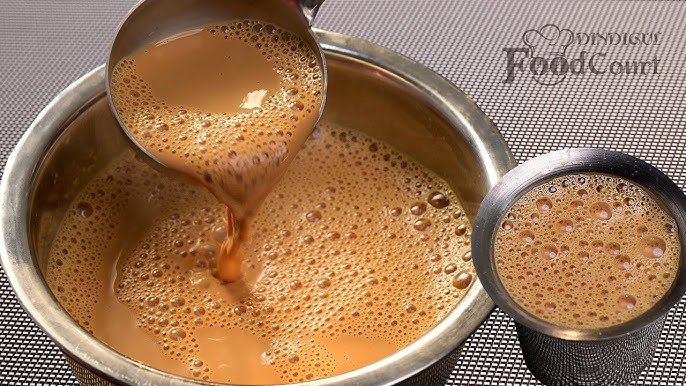
Chai Masala Recipe: Few things in life are as comforting as a hot, spiced cup of chai. Whether it’s a chilly morning or a rainy afternoon, chai masala hits the spot every time. But here’s the deal: nothing beats the flavor of homemade chai masala.
You can adjust the spice level, balance the warmth, and get that perfect aroma just right. If you’ve ever wanted to master the art of making chai like it’s done in Indian kitchens, you’re in the right place.
In this guide, we’re breaking it down step-by-step, from selecting ingredients to brewing that ultimate cup.
What is Chai Masala?
“Chai” means tea, and “Masala” means spice blend. So, Chai Masala is essentially a blend of warming spices that are added to black tea and milk to create the classic Indian Masala Chai. This isn’t your regular teabag routine. This is an aromatic, soul-soothing beverage infused with spices like cardamom, cloves, cinnamon, and ginger.
The spice mix varies from home to home in India—some keep it strong and peppery, others make it fragrant and subtle. The magic is in the balance, and that’s what makes chai masala such a personal, customizable recipe. The best part? Once you make the spice mix, you can store it and whip up a cup of masala chai in minutes.
Why Make Your Own Chai Masala at Home?
You might wonder, “Why go through the effort when I can buy ready-made chai masala?” Here’s why:
- Freshness: Homemade masala is far more aromatic and potent than store-bought blends sitting on shelves for months.
- Customization: Like it spicier? Less clove? Want more ginger in winter? You’re the boss of your blend.
- No Preservatives: You know exactly what’s going into your chai. No artificial flavorings or additives.
- Cost-effective: Buying spices in bulk and making your own mix often turns out cheaper in the long run.
- Satisfying Experience: There’s something meditative about roasting, grinding, and brewing your own masala. It’s self-care in a cup.
Whether you’re new to chai or a longtime lover, once you taste the difference of homemade chai masala, you’ll never go back.
The Origin and Tradition of Chai Masala
Chai has deep cultural roots in India. It’s more than a drink—it’s a ritual, a way of life. Vendors known as chaiwalas serve it on every corner, often poured with a dramatic flair. The masala version evolved over time, blending ancient Ayurvedic traditions with everyday tea.
Each region in India has its own twist on chai masala. In the North, black pepper and cardamom dominate. In the West, you’ll find fennel and nutmeg sneaking in. In the East, ginger is king. The masala reflects the climate and culture of the area—and when you make your own, you carry on that legacy in your own way.
Health Benefits of Chai Masala
Chai masala isn’t just tasty—it’s packed with health-boosting ingredients. Here’s what each spice brings to the table:
- Cardamom: Aids digestion and freshens breath.
- Cloves: Anti-inflammatory and antibacterial.
- Ginger: Fights nausea, boosts immunity, and warms the body.
- Cinnamon: Helps control blood sugar and improves metabolism.
- Black Pepper: Enhances nutrient absorption and adds heat.
- Nutmeg (optional): Helps with sleep and adds depth to the flavor.
This spice blend has been used in Ayurvedic medicine for centuries. It’s no wonder that chai is considered a healing drink, especially during flu season or cold weather.
List of Ingredients You’ll Need
Ready to gather your spice squad? Here’s your essential list for making the perfect chai masala:
- 6–8 Green Cardamom Pods
- 1–2 Cinnamon Sticks (or 1 tbsp broken pieces)
- 8–10 Whole Cloves
- 1–2 Star Anise (optional)
- 1 tbsp Fennel Seeds
- 1 tbsp Black Peppercorns
- 1 Nutmeg (grated or a small chunk)
- 1 tbsp Dried Ginger Powder or 3-inch piece dried ginger (saunth)
Whole Spices vs. Ground Spices
Always use whole spices if you can—they last longer and release oils only when ground, keeping the flavor locked in. Pre-ground spices might seem easier, but they lose potency quickly. If you have to use ground spices, use them in small quantities and adjust to taste.
Optional Ingredients for Custom Flavor
Want to make it your own? Try adding these:
- Rose petals for a floral note
- Saffron strands for richness
- Tulsi (holy basil) for an herbal twist
- Mace for a delicate warmth
These aren’t essential but can elevate your blend to another level.
Choosing the Right Tea Leaves for Chai
You can’t make great chai without good tea. Look for strong black tea—something that can hold up against all those spices and milk. Assam tea is a popular choice because it’s bold, brisk, and perfect for masala chai.
Avoid delicate teas like Darjeeling for masala. They’re too light and floral. Go for loose-leaf tea or strong-cut CTC (Crush-Tear-Curl) tea. It brews fast and gives you that robust chai color and flavor.
Best Type of Milk for Chai
Whole milk gives your chai a creamy richness that’s hard to beat. But you’ve got options:
- Whole Milk: Classic, rich, and traditional
- 2% or Skim Milk: Lighter, but still works
- Oat Milk: Creamy and nutty (great vegan alternative)
- Almond Milk: Light and subtly sweet
- Soy Milk: A little thicker, good for holding spices
Boil the milk well with the tea for that authentic Indian street chai feel. It’s what makes the drink thick and comforting.
Sweeteners: What Works Best?
Sugar is the usual choice, but there’s no one-size-fits-all here.
- White Sugar: Traditional and neutral
- Brown Sugar or Jaggery: Deep, earthy sweetness
- Honey: Add at the end, never boil it
- Maple Syrup: Unusual, but works for a smoky note
Start with 1–2 teaspoons per cup and adjust based on your taste.
Step-by-Step Guide to Making Chai Masala
Step 1: Gather All Ingredients
Line up your whole spices and measure them out. Freshness is key here. Make sure nothing smells dull or stale. Get your grinder and a clean jar for storage.
Step 2: Dry Roast the Spices
Heat a dry pan over medium flame. Add your spices (except ginger powder). Roast them gently for 2–3 minutes until fragrant. This process wakes up the oils in the spices and intensifies the flavor.
The aroma will fill your kitchen—this is where the magic starts.
Step 3: Grind to a Fine Powder
Let the roasted spices cool completely. Then grind them in a spice grinder or high-power blender until you get a fine powder. Mix in the ginger powder (if using dry).
Sieve it if you want a smoother blend.
Step 4: Store the Masala Properly
Transfer the masala to an airtight jar. Keep it in a cool, dry place. Don’t store near heat or moisture. It’ll stay fresh for up to 3 months, but for best flavor, use within 6 weeks.
Step 5: Brewing the Perfect Cup of Chai
Here’s how you use your homemade masala:
- Boil 1 cup water and ½ cup milk in a pan.
- Add 1 teaspoon black tea and ¼ teaspoon chai masala.
- Add sugar to taste.
- Simmer for 4–5 minutes.
- Strain into a cup and enjoy!
Pro Tips for Flavorful Chai Every Time
Brewing chai is simple, but getting that perfect cup? That takes a few insider tips. Once you’ve got your homemade chai masala ready, here’s how to consistently make every cup taste amazing:
- Simmer, Don’t Rush: Don’t just dip your tea leaves and run. Let your chai simmer gently. The slow boil helps the tea extract fully and gives the spices time to infuse the milk and water blend.
- Add Masala at the Right Time: Add the chai masala after the water and tea leaves have come to a boil. This ensures the spices release their oils into the brew properly.
- Use Freshly Boiled Water: Never reuse water that’s been sitting in a kettle. Fresh water makes a fresher, more vibrant tea.
- Balance is Key: Too much masala can overpower the tea. Start with ¼ tsp per cup and adjust based on how strong you like it.
- Strain it Well: Always strain your tea properly to avoid gritty spice residue in your cup.
- Use Heavy Bottomed Pan: It helps prevent milk from burning at the base and makes it easier to control the simmer.
Once you’ve made a few cups, you’ll start developing your own chai instinct—and that’s where the real fun begins.
Common Mistakes to Avoid
Making chai sounds easy, but it’s surprisingly easy to mess up. Avoid these common pitfalls:
- Using Too Much Masala: A heavy hand with the spice blend can make your chai bitter or overly pungent.
- Skipping the Simmer: If you just steep the tea quickly, the flavors won’t fully develop. A proper chai needs patience.
- Adding Masala Too Early: If you boil the masala for too long, especially with milk, it can become overpowering or curdle the milk.
- Incorrect Ratios of Water to Milk: A good chai needs the right balance. Typically, 2:1 water to milk works well, but feel free to tweak it to your liking.
- Using Weak Tea: If your tea is too light, it won’t stand up to the spices and milk. Always use a strong black tea like Assam or CTC.
- Not Roasting Spices: This step is optional but highly recommended. Roasting releases essential oils and adds depth to your masala.
- Improper Storage: Leaving your chai masala exposed to air and moisture kills the flavor. Always store it in an airtight jar.
Avoid these, and you’re on your way to becoming a true chai connoisseur.
Storing Chai Masala: Shelf Life and Tips
Storing your homemade chai masala properly is just as important as making it. Here’s how to keep it fresh and flavorful:
- Use Airtight Glass Jars: Glass keeps the flavor sealed in and doesn’t react with spices.
- Store in a Cool, Dark Place: Keep it away from sunlight, heat, or steam. A spice cabinet or pantry works best.
- Avoid Moisture: Always use a dry spoon to scoop out the masala. Any moisture can cause it to clump or spoil.
- Shelf Life: Ideally, use it within 6 weeks for peak flavor. It can last up to 3 months, but you’ll notice the aroma fades over time.
Want to go the extra mile? Label your jar with the date it was made. That way, you always know how fresh it is.
Chai Masala Variations Across India
Chai masala isn’t one-size-fits-all. Across India, you’ll find different styles of chai and masala blends depending on the region and even the weather.
- Mumbai-style Masala Chai: Bold and spicy, often with extra ginger and pepper.
- Kolkata Chai: Milder masala with a strong emphasis on milk and sweetness.
- Delhi Winter Chai: Extra warming spices like clove, nutmeg, and even bay leaf.
- South Indian Chai: Sometimes includes herbs like tulsi or dry curry leaves.
- Kashmiri Chai: Completely different—pink in color and includes salt and baking soda instead of traditional spices.
It’s fascinating how one drink can take so many forms. Once you’ve mastered the basic chai masala, you can start experimenting with regional flavors too.
How to Make Chai for a Crowd
Having friends over or planning a family brunch? Masala chai is the perfect beverage to serve. Here’s how to make a big batch:
Ingredients for 6 Cups:
- 3 cups water
- 3 cups whole milk
- 6 tsp black tea (CTC or Assam)
- 1.5 tsp chai masala
- 6 tsp sugar (adjust to taste)
Steps:
- In a large saucepan, bring water to a boil.
- Add tea leaves and simmer for 2–3 minutes.
- Stir in milk and sugar, then bring to a slow boil again.
- Add the chai masala and let it simmer for 3–4 more minutes.
- Strain and serve hot in cups or glasses.
Tip: Preheat the cups with hot water before serving so the chai stays warmer for longer!
Vegan Chai Masala Recipe Adaptation
Want the full chai experience without dairy? No problem. Vegan chai is totally doable and just as delicious.
Milk Alternatives:
- Oat Milk: Creamy and closest to dairy texture.
- Almond Milk: Light and slightly nutty.
- Soy Milk: Rich and holds spices well.
- Coconut Milk: Adds a tropical twist—great with cardamom.
Tips for Vegan Chai:
- Don’t overboil non-dairy milk—it can split. Simmer gently.
- Some plant milks are naturally sweet, so adjust your sugar accordingly.
- Use the same chai masala recipe—it’s already vegan-friendly!
Vegan chai is proof that you don’t need dairy to enjoy a heartwarming cup of spiced goodness.
FAQs about Chai Masala Recipe
1. Can I make chai masala without cloves?
Yes! If you’re not a fan of cloves or find them too overpowering, feel free to leave them out. You can adjust the blend to suit your taste.
2. How long does homemade chai masala last?
Stored properly in an airtight container, it can last up to 3 months. For best flavor, use it within 6 weeks.
3. What’s the best ratio of masala to tea?
Start with ¼ teaspoon of masala per cup of tea and adjust according to your preference. Some like it subtle, others strong.
4. Is chai masala the same as chai latte spice?
Not exactly. Chai masala is typically more traditional and may have stronger spices. Chai latte blends are often sweeter and milder, tailored for café drinks.
5. Can I use chai masala in desserts?
Absolutely! It’s great in cookies, cakes, oatmeal, and even ice cream. Just add a pinch to bring a warm, spiced flavor.
Conclusion
Chai masala is more than a spice mix—it’s a tradition, a ritual, and a daily comfort for millions around the world. Making it at home isn’t just about taste—it’s about connecting with that tradition and crafting something with care. From selecting your favorite spices to brewing that first perfect cup, the process itself is grounding.
So next time you crave a warm, cozy drink, skip the store-bought version and make your own chai masala. Customize it. Play with the flavors. Make it your own. One sip, and you’ll never look back.