Cashew Cheese Recipe: Looking for a creamy, delicious, and dairy-free alternative to cheese? You’ve found the right place. Cashew cheese is the ultimate plant-based substitute that can be used in so many ways—from dips to spreads to pasta sauces.
Whether you’re vegan, lactose-intolerant, or just exploring healthier eating habits, this simple cashew cheese recipe is about to change your kitchen game.
Ready to whip up some magic with just a few ingredients and a blender? Let’s dive in.
What is Cashew Cheese?
Cashew cheese is a creamy, dairy-free alternative to traditional cheese made by blending soaked cashews with a few key ingredients. The result? A smooth, flavorful cheese that mimics the texture of cream cheese or soft cheese spreads. It can be adjusted to be firm or melty, tangy or savory, depending on how you make it. It’s a go-to for vegans, people with dairy allergies, or anyone just looking to cut back on animal products.
What makes cashew cheese so special is its versatility. You can flavor it with garlic, herbs, spices, nutritional yeast, or even ferment it slightly to mimic the tang of real cheese. Plus, it’s packed with healthy fats, protein, and minerals—so you’re not just skipping the dairy, you’re adding some serious nutrition to your diet.
Why Choose Cashew Cheese?
Health Benefits
Cashew cheese is not only dairy-free—it’s also free from cholesterol, preservatives, and weird additives. Cashews themselves are loaded with healthy monounsaturated fats, magnesium, zinc, and plant-based protein. When you blend them into a cheese, you keep all of those benefits, minus the downsides of processed cheese products.
Dietary Considerations
Whether you’re vegan, gluten-free, paleo, or just dairy-sensitive, cashew cheese fits into your diet effortlessly. It’s naturally soy-free, egg-free, and wheat-free. And unlike some store-bought vegan cheeses, you won’t find any artificial ingredients or questionable gums here—just whole, clean food.
List of Ingredients You’ll Need
Here’s what you’ll need to create the most basic, delicious cashew cheese:
Basic Ingredients:
- 1 cup raw cashews (soaked)
- 2 tablespoons nutritional yeast (for a cheesy flavor)
- 1 clove garlic (optional, for a bit of bite)
- 1 tablespoon lemon juice or apple cider vinegar (adds tang)
- ½ teaspoon salt (adjust to taste)
- ¼ cup water (or more to adjust consistency)
Optional Add-ins for Flavor:
- Smoked paprika (for a smoky twist)
- Onion powder
- Fresh herbs like parsley, basil, or chives
- Chili flakes or jalapeño for heat
- Miso paste (adds umami)
- Probiotic capsules (for fermentation)
These ingredients are super flexible. You can customize your cheese to your own taste preferences. Want it spicy? Add some jalapeños. Prefer a mellow flavor? Stick to lemon and garlic. The possibilities are endless.
Essential Kitchen Tools Required
Before you start, make sure you have the right tools to get the smoothest, dreamiest cheese possible:
- High-speed blender or food processor (like a Vitamix or Ninja)
- Measuring cups and spoons
- A spatula to scrape down the sides
- A bowl for soaking cashews
- Cheesecloth or nut milk bag (if fermenting)
- Airtight container or jar for storing the cheese
A high-powered blender really makes a difference here. If you’re using a regular blender or food processor, you might have to blend a bit longer or soak your cashews for extra time.
How to Soak Cashews Properly
Quick Soak vs. Overnight Soak
Soaking cashews softens them and makes them easier to blend, creating that silky-smooth texture you want. There are two main ways to do this:
Quick Soak Method (30 minutes):
- Boil water.
- Pour it over the cashews in a heatproof bowl.
- Let sit for 30–45 minutes.
- Drain and rinse before blending.
Overnight Soak Method (8 hours):
- Place cashews in a bowl.
- Cover with water and let sit overnight on the counter or in the fridge.
- Drain and rinse before blending.
Quick soaking is great when you’re short on time, but the overnight soak gets you the smoothest texture with the least effort. Choose what works for you.
Step-by-Step Guide to Making Cashew Cheese
Cashew cheese is creamy, dairy-free, and surprisingly easy to make at home. Follow these steps for smooth, flavorful results every time.
Step 1: Soak the Cashews
Soaking softens cashews, making them easier to blend and helping achieve a silky texture. For best results, soak raw cashews in water overnight (8–12 hours). Short on time? Use a quick soak by covering cashews with boiling water and letting them sit for 30–45 minutes.
Step 2: Drain and Rinse Cashews
After soaking, drain the cashews using a fine mesh strainer and rinse under cool water. This removes excess starch and improves flavor. Shake off extra water—too much liquid can make the cheese runny. Well-soaked, properly drained cashews are the key to a smooth base.
Step 3: Blend the Ingredients
Add cashews to a high-speed blender with lemon juice, nutritional yeast, garlic, salt, and a small amount of water. Start on low, then increase to high. Scrape down the sides as needed. Blend until completely smooth for a creamy cheese, or pulse lightly if you prefer some texture.
Step 4: Taste and Adjust Seasonings
Taste the mixture and adjust flavors. Add more lemon for tang, salt for depth, or nutritional yeast for a cheesier taste. Avoid over-salting—small additions go a long way.
Step 5: Choose Your Texture
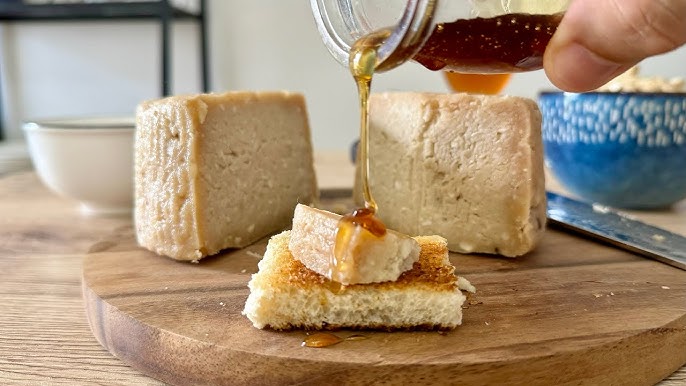
For a creamy dip or spread, the cheese is ready as-is. For a firmer, sliceable cheese, mix in agar-agar or coconut oil and heat briefly before chilling.
Step 6: Set or Chill the Cheese
Transfer to a container and refrigerate for 2–4 hours to set. Store in the fridge for up to 5 days. For longer storage, freeze for up to 1 month.
Flavor Variations to Try
One batch is never enough—especially when you realize how many flavors you can create. Try one of these tasty twists:
- Spicy Cashew Cheese: Add cayenne pepper, sriracha, or chipotle powder for a kick.
- Garlic & Herb Cashew Cheese: Blend in fresh parsley, thyme, or rosemary with extra garlic.
- Smoky Paprika Cheese: Add 1 tsp of smoked paprika and a dash of liquid smoke.
- Sun-dried Tomato Basil: Toss in a few sun-dried tomatoes and fresh basil for an Italian vibe.
- Truffle Cashew Cheese: Drizzle in a little truffle oil to make it feel gourmet.
These variations aren’t just fun—they make cashew cheese endlessly useful. Keep it interesting and play with your flavors until you find your favorite combo.
Texture Tips: How to Get It Creamy or Firm
Cashew cheese can be made creamy, spreadable, or even firm enough to slice—it all depends on your process.
- For Creamy Cheese: Add more water and blend longer. Perfect for pasta sauces or dips.
- For Firm Cheese: Reduce the water and use thickening agents like agar agar or tapioca starch. You can heat the mixture slightly to activate the thickener before chilling in a mold.
- For Spreadable Cheese: Stick to the base recipe, but let it chill in the fridge for a few hours before serving.
The trick is finding your preferred texture and adjusting the ingredients accordingly. Take notes and tweak each batch to match your needs.
Storage Tips for Cashew Cheese
To keep your cashew cheese fresh and tasty, store it properly:
- Refrigerator: Store in an airtight container. It’ll last 5–7 days.
- Freezer: Cashew cheese can be frozen for up to 2 months. Use a freezer-safe container and thaw in the fridge overnight.
Pro tip: If you’re making big batches, portion them out before freezing. That way, you can defrost just what you need without wasting any.
How Long Does Cashew Cheese Last?
Homemade cashew cheese, if kept in an airtight container in the fridge, stays fresh for about 5 to 7 days. Fermented versions may last slightly longer due to the natural preservation of probiotics. However, always use your senses—if it smells off or develops mold, it’s time to toss it.
To extend shelf life:
- Keep it refrigerated at all times.
- Use clean utensils when scooping.
- Avoid double-dipping.
How to Use Cashew Cheese in Recipes
Once you’ve got a batch of homemade cashew cheese, the possibilities are endless. Here are some fun and tasty ways to enjoy it:
1. As a Spread
- On toast or bagels
- Inside sandwiches or wraps
- As a filling for vegan quesadillas
2. As a Dip
- Serve with veggie sticks, pita chips, or crackers
- Use as a party appetizer or game day snack
3. In Pasta Dishes
- Stir into hot pasta for a creamy vegan “mac and cheese”
- Use as a filling for stuffed shells or lasagna
4. As a Sauce Base
- Add extra water or non-dairy milk and heat it gently for a drizzle sauce
- Perfect over steamed veggies or baked potatoes
5. In Salads or Bowls
- Dollop onto grain bowls or Buddha bowls
- Mix into quinoa, couscous, or brown rice for added creaminess
Vegan vs. Non-Vegan Cheese: The Taste Comparison
So how does cashew cheese compare to traditional cheese in flavor? It’s not identical, but it’s definitely in the same ballpark. Cashew cheese brings a rich, tangy, and slightly nutty flavor with the option to layer in tons of custom spices and herbs.
Texture-wise, it’s smooth and creamy—ideal for spreading or blending. You won’t get the meltiness of dairy cheese unless you use thickeners like tapioca starch or coconut oil, but in terms of flavor and versatility, cashew cheese holds its own.
Plus, knowing it’s cholesterol-free, dairy-free, and made from real whole foods makes it even more satisfying.
Troubleshooting Common Issues
Problem: My cashew cheese is grainy.
Fix: Blend longer and make sure your cashews were soaked long enough. A high-speed blender makes all the difference.
Problem: It’s too thick.
Fix: Add 1–2 tablespoons of water or lemon juice and blend again until it reaches your desired consistency.
Problem: It tastes bland.
Fix: Boost the flavor with more nutritional yeast, garlic, salt, or acidic ingredients like lemon juice or apple cider vinegar. Don’t be afraid to experiment!
Cashew Cheese for Kids: Making It Fun and Flavorful
Kids can be picky—but cashew cheese can actually be a hit with the younger crowd. Try these kid-friendly tricks:
- Use mild flavors like a little garlic and lemon.
- Make it cheesy with lots of nutritional yeast.
- Let them help make it—it’s a fun project!
- Serve with colorful veggie sticks, crackers, or as a sandwich spread.
If your child has a nut allergy, you can also explore alternatives using sunflower seeds or silken tofu.
Is Cashew Cheese Healthy? A Nutritional Look
Yes, cashew cheese is definitely on the healthier side—especially when compared to heavily processed dairy cheeses. Here’s a quick look at its nutrition benefits:
| Nutrient | Benefit |
|---|---|
| Healthy Fats | Good for heart health and brain function |
| Protein | Helps with energy and muscle building |
| Magnesium | Supports muscle and nerve function |
| Zinc | Boosts immunity |
| B Vitamins (from nutritional yeast) | Supports metabolism and energy levels |
And since it’s plant-based, there’s no cholesterol, fewer calories, and less saturated fat. It’s a win-win for your body and your taste buds.
FAQs about Cashew Cheese Recipe
1. Can I freeze cashew cheese?
Yes! Cashew cheese freezes well for up to 2 months. Store it in a freezer-safe container and thaw overnight in the fridge before using.
2. Is it okay to use roasted cashews?
It’s best to use raw cashews. Roasted cashews change the flavor and may result in a grainier texture.
3. How long should I ferment the cheese?
If fermenting with probiotics, 24 to 48 hours at room temperature is ideal. Taste it daily to check the tanginess level.
4. Can I use other nuts besides cashews?
Yes! Almonds, macadamia nuts, or sunflower seeds can be used, but each will change the flavor and texture. Cashews give the creamiest result.
5. What can I serve with cashew cheese?
Try crackers, veggie sticks, toasted bread, or use it as a dip, spread, or even pasta sauce. It’s incredibly versatile!
Conclusion
Cashew cheese is more than just a dairy-free alternative—it’s a creamy, flavorful, and incredibly versatile spread that can be customized to suit just about any palate. Whether you’re vegan, curious about plant-based eating, or simply love good food, this recipe is a must-try. With just a few ingredients and a blender, you can whip up a batch of homemade cashew cheese that’s perfect for dips, spreads, sauces, and more.
Go ahead—get soaking, get blending, and most importantly, get tasting. You might just find your new favorite go-to kitchen staple.