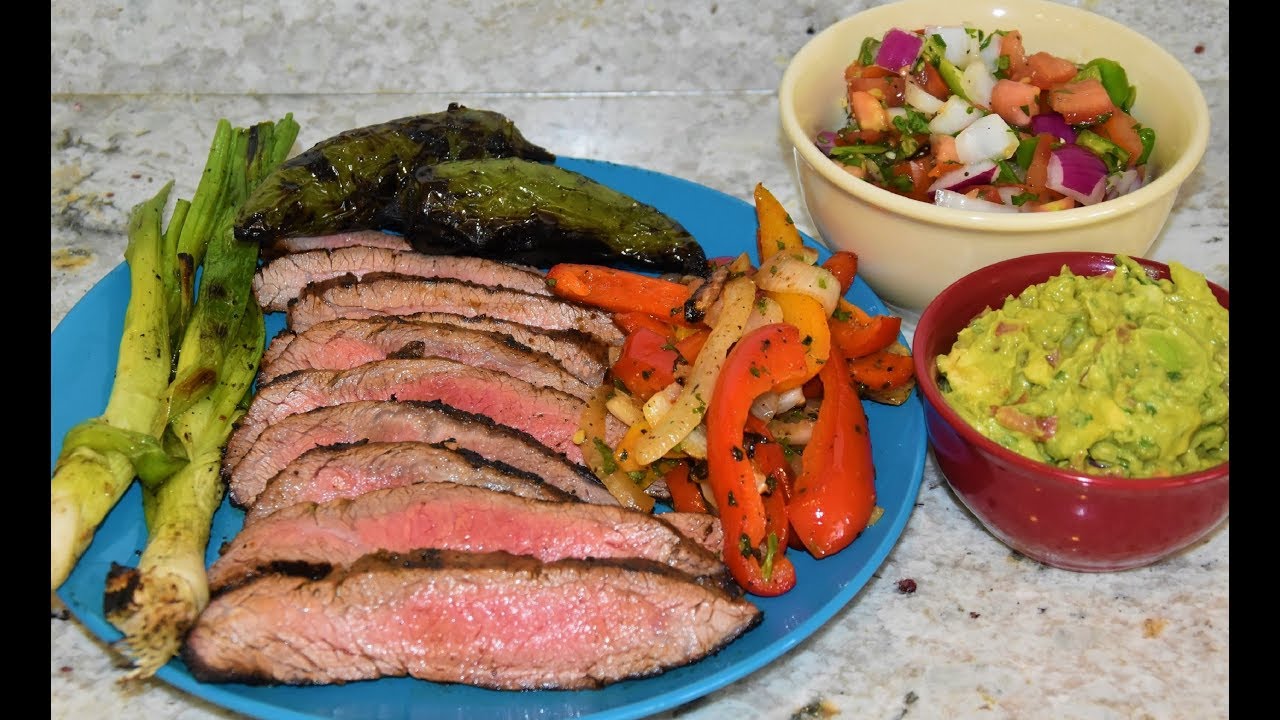
Carne Asada Seasoning Recipe: Carne Asada — even the name sounds delicious. It translates to “grilled meat” in Spanish, but there’s nothing basic about it. This flavorful Latin American classic is all about bold, smoky, citrusy, and savory notes that take simple cuts of beef and turn them into something unforgettable. But here’s the secret sauce — or rather, the secret spice mix: Carne Asada seasoning.
Sure, you can buy a pre-made seasoning packet at the store, but why settle for average when you can create something tailored to your taste buds right in your kitchen? Crafting your own Carne Asada seasoning gives you total control — no preservatives, no weird additives, just full-on flavor made with love.
Whether you’re planning a taco night, a weekend BBQ, or meal prepping with flavor-packed protein, this guide will show you exactly how to mix the perfect seasoning from scratch, step by step.
Benefits of Making Your Own Carne Asada Seasoning
Let’s be honest — nothing beats homemade. And when it comes to seasonings, especially for something as flavor-forward as Carne Asada, the difference is night and day.
- Freshness and Flavor
Pre-packaged mixes often sit on store shelves for months, sometimes even years. Making it at home means your spices are fresh, the aroma is intense, and the taste is unbeatable. - Full Control Over Ingredients
Ever check the label on a store-bought packet and feel confused by half the ingredients? Homemade seasoning means you know exactly what’s in it — and what’s not. Want it spicier? Add more cayenne. Watching your sodium? Cut the salt. It’s your mix, your rules. - Cost-Effective
Buying spices in bulk or already available in your pantry makes homemade seasoning more budget-friendly. You’ll get multiple batches for a fraction of the cost of one pre-made packet.
Creating your own seasoning doesn’t just make your food taste better — it makes you feel like a flavor boss in your own kitchen.
List of Ingredients You’ll Need
This is where the magic begins. To build a well-rounded Carne Asada seasoning, you’ll need a blend of earthy, smoky, citrusy, and spicy elements. Here’s the ultimate ingredient list:
- 2 tbsp chili powder – Base flavor with a mild kick
- 1 tbsp smoked paprika – Adds smokiness and depth
- 1 tbsp ground cumin – Earthy and slightly nutty
- 1 tbsp garlic powder – Savory umami punch
- 1 tbsp onion powder – Sweet and sharp balance
- 1 tsp dried oregano (preferably Mexican oregano) – Adds herby bitterness
- 1 tsp ground black pepper – Sharp and pungent
- 1½ tsp sea salt – Enhances all the flavors
- ½ tsp cayenne pepper (optional) – For that fiery touch
- 1 tsp brown sugar (optional) – Balances out the heat with subtle sweetness
Feel free to adjust the quantities based on how bold you like your flavors. If you’re feeling adventurous, squeeze in some dried lime zest or chipotle powder for an added twist.
Tools You’ll Need
Before we jump into mixing, let’s make sure you’ve got the right tools on hand. You won’t need anything fancy, just some basic kitchen essentials:
- Measuring spoons – Precision is key when balancing flavors
- Mixing bowl – Preferably medium-sized for easy stirring
- Small whisk or spoon – For evenly blending the ingredients
- Airtight container or spice jar – Keeps your seasoning fresh and ready to use
Optional tools:
- Funnel – Makes transferring the mix to a jar way easier
- Labels – Helpful if you’re making multiple spice blends
Now that your station is set, it’s time to whip up the magic.
Step-by-Step Guide to Making Carne Asada Seasoning
Here’s how to bring your spice mix together like a pro.
Step 1: Measure the Ingredients
Use your measuring spoons to portion out each ingredient. Precision matters, especially with strong spices like cumin or cayenne. Don’t eyeball it — trust me, you’ll thank yourself later.
Step 2: Combine in a Mixing Bowl
Once everything is measured, toss it into a clean, dry bowl. Use a small whisk or spoon to mix thoroughly. Make sure there are no clumps — the goal is a uniform blend where each spoonful has a balanced flavor profile.
Step 3: Taste and Adjust
Dip a fingertip into the blend and taste (just a tiny bit!). Is it too salty? Too mild? Add more of what it needs. Like a kick? Up that cayenne. Want more smokiness? Add another pinch of smoked paprika. Tweak until it hits your flavor sweet spot.
Step 4: Store Properly
Transfer the finished mix into an airtight container or spice jar. Store it in a cool, dry pantry — away from heat and light. It’ll stay fresh for up to 6 months, but honestly, you’ll probably use it all way before then.
How to Use Carne Asada Seasoning
Now that you’ve got your homemade seasoning ready, it’s time to put it to work. Carne Asada seasoning is incredibly versatile and can be used in a couple of ways depending on how much flavor intensity you’re aiming for.
Marinade Method (Maximum Flavor)
Want that bold, punchy, melt-in-your-mouth flavor? Go the marinade route.
- Step 1: Mix 2–3 tablespoons of your homemade Carne Asada seasoning with olive oil, lime juice, and a splash of orange juice or vinegar. This liquid helps tenderize the meat and adds citrusy brightness.
- Step 2: Coat your beef thoroughly (flank steak or skirt steak are ideal cuts), then place it in a sealed bag or container.
- Step 3: Let it marinate in the fridge for at least 2 hours — overnight is even better for deeper flavor.
The result? Juicy, flavorful, and aromatic grilled meat that soaks up every ounce of that seasoning goodness.
Dry Rub Method (Quick & Tasty)
No time for marinating? No problem.
- Pat your beef dry and generously rub the seasoning mix all over the surface. Use your hands to massage it in.
- Let it sit at room temperature for about 30 minutes before grilling.
It’s faster, still delicious, and great when you’re in a hurry but want that Carne Asada magic.
What Meats Can You Use It On?
Traditionally used on beef, but don’t stop there:
- Skirt steak
- Flank steak
- Ribeye
- Tri-tip
This seasoning even works wonders on chicken, pork, and grilled veggies.
Tips for Best Results
The seasoning is important, but so is how you cook the meat. Here’s how to make your Carne Asada unforgettable:
- Let the Meat Rest: After grilling, don’t cut into it right away. Let the meat rest for 5–10 minutes so the juices redistribute.
- Hot Grill is Key: Sear the outside with a hot grill or cast iron skillet for a nice char while keeping the inside juicy.
- Slice Against the Grain: Always slice your meat thinly and against the grain. This ensures each bite is tender, not chewy.
- Don’t Overcook: Carne Asada is best served medium or medium-rare. Overcooking it dries out the meat and dulls the flavor.
Pro tip: If you’re grilling, give the meat a squeeze of fresh lime juice right before serving. It brightens everything and adds that classic Carne Asada zing.
Carne Asada Seasoning Variations
Once you’ve nailed the basic mix, you can start getting creative with different flavor profiles:
1. Spicy Blend
Add:
- Extra cayenne pepper
- Chipotle chili powder
- Crushed red pepper flakes
For those who love a little fire with every bite.
2. Citrus-Infused
Add:
- Dried lime zest or lemon zest
- A pinch of citric acid (optional)
This version enhances the citrus flavor often found in traditional Carne Asada marinades.
3. Smoky Chipotle Style
Add:
- 1 tsp chipotle powder
- A touch of ground coriander
This blend brings a deep, smoky heat that works beautifully with grilled meats.
These variations are great for experimenting depending on your meal vibe — whether it’s taco night, burrito bowls, or loaded nachos.
How Long Does Homemade Carne Asada Seasoning Last?
If stored properly in a cool, dry place and sealed in an airtight container, your seasoning blend can last up to 6 months. Over time, spices lose their potency, so for the best flavor, try to use it within that window.
To check freshness, take a whiff. If the aroma still hits you in the face (in a good way), it’s good to go.
Avoid storing it above the stove or near the dishwasher — heat and moisture are spice killers.
How to Store It Properly
Keep your blend fresh and flavorful with these storage tips:
- Use a Clean, Dry Jar: Preferably glass with a tight lid. Moisture ruins spice blends.
- Label with a Date: Spices can last, but they don’t last forever.
- Avoid Direct Sunlight: Store your jar in a dark pantry or cabinet.
- Don’t Double Dip: Use a clean spoon when scooping to prevent contamination.
Want to get fancy? Invest in small spice jars and create your own custom labels — perfect for organizing your pantry or gifting to foodie friends.
Can You Use It on Other Meats?
Absolutely — this seasoning isn’t just a one-trick pony. Here are some delicious ways to repurpose it:
- Chicken: Boneless thighs or breasts grilled with this seasoning are amazing for tacos or burrito bowls.
- Pork: Try it on pork shoulder or tenderloin for a smoky, spicy twist.
- Shrimp or Fish: Just a light sprinkle adds bold flavor — perfect for seafood tacos.
- Veggies: Don’t sleep on roasted bell peppers, mushrooms, or zucchini tossed in this blend before grilling.
With a good seasoning mix, anything can taste like it came straight off a Mexican street food cart.
Common Mistakes to Avoid
Even the best mix can fall flat if you skip the basics. Watch out for these common slip-ups:
- Overseasoning: The blend is bold, so a little goes a long way. Start small and build up.
- Not Letting the Meat Marinate: If you’re using a marinade, give the flavors time to soak in — rushed marination leads to bland results.
- Using Low-Quality Spices: Old or cheap spices won’t deliver that vibrant flavor you’re going for.
- Overcooking the Meat: Nothing ruins Carne Asada faster than dry, overcooked steak.
Respect the process and your taste buds will thank you.
Healthier Alternatives & Tweaks
Love bold flavor but watching your diet? No worries — you can totally tweak this Carne Asada seasoning recipe to fit your health goals without sacrificing taste.
Low-Sodium Version
- Reduce the amount of salt or use a salt substitute (like potassium chloride).
- Focus on using more herbs like oregano and spices like smoked paprika and cumin to carry the flavor.
Sugar-Free Option
- Simply leave out the brown sugar. While the sugar adds balance, it’s not essential — especially if you’re aiming for a savory kick.
Low-Carb/Keto-Friendly
- This seasoning is naturally low in carbs, but just skip the sugar altogether if you want to keep it keto-clean.
No Preservatives or Additives
- Homemade seasoning means no MSG, artificial flavors, or mystery ingredients — just whole, clean, pantry staples.
Gluten-Free
- All ingredients listed are naturally gluten-free. Just make sure the spices you use are certified gluten-free to avoid any cross-contamination (some brands process spices in facilities with gluten).
Eating healthy doesn’t mean eating bland. With this seasoning, you can enjoy rich, grilled flavor while staying aligned with your goals.
Pairing Ideas – What to Serve with Carne Asada
Carne Asada on its own is a treat, but pair it right, and you’ve got yourself a full-on flavor party. Here are some killer sides and toppings that take your meal to the next level:
Classic Pairings
- Warm flour or corn tortillas – a must for tacos
- Mexican rice – adds a hearty, savory element
- Refried beans or black beans – creamy and protein-rich
- Pico de gallo or salsa verde – freshness and acidity
- Guacamole – for that creamy, cooling contrast
- Grilled corn (Elote) – sweet, smoky, and cheesy
Fresh & Zesty Additions
- Chopped cilantro
- Diced white onion
- Lime wedges
- Radishes
- Shredded lettuce or cabbage
Saucy Companions
- Chipotle mayo
- Spicy crema
- Avocado lime dressing
Mix and match these with your Carne Asada to build tacos, bowls, or burritos that hit every flavor note — spicy, savory, smoky, fresh, and creamy.
FAQs about Carne Asada Seasoning Recipe
1. Can I use fresh garlic instead of garlic powder?
Yes, but fresh garlic is better suited for marinades than dry rubs. Garlic powder blends evenly with other spices and doesn’t burn as easily when grilling. If using fresh garlic, incorporate it into a liquid marinade instead of the dry mix.
2. How long should I marinate the meat?
For best results, marinate your Carne Asada for at least 2 hours, but overnight is ideal. This gives the meat enough time to soak up all the spices, citrus, and aromatics, resulting in deeper, more complex flavor.
3. Is Carne Asada always spicy?
Not necessarily. The heat level depends on how much chili or cayenne you add. This recipe is mild to medium as-is, but you can easily scale the heat up or down to match your preferences.
4. Can I freeze the seasoning mix?
It’s better to store it in a dry, airtight container at room temperature. Freezing can introduce moisture which may lead to clumping or loss of flavor. If you want to keep it long-term, just store it in a dark pantry and avoid heat or humidity.
5. What cut of beef works best for Carne Asada?
The traditional cuts are skirt steak or flank steak — they’re flavorful and become super tender when marinated and sliced correctly. You can also use ribeye or sirloin for a richer, juicier version.
Conclusion
Making your own Carne Asada seasoning is one of the easiest and most rewarding ways to elevate your cooking. Not only do you get to control the ingredients, spice level, and flavor intensity, but you’ll also impress everyone at the table — or just yourself — with how insanely good it turns out.
This seasoning is your passport to next-level meals: juicy grilled steak, loaded tacos, epic burrito bowls, and even jazzed-up veggies. Whether you’re grilling outdoors or cooking in a skillet, this DIY spice blend will deliver bold, smoky, Mexican-inspired flavors every single time.
So go ahead — open up your spice cabinet, mix up a batch, and take your Carne Asada from basic to unforgettable. Once you taste the difference, you’ll never go back to the store-bought packet again.