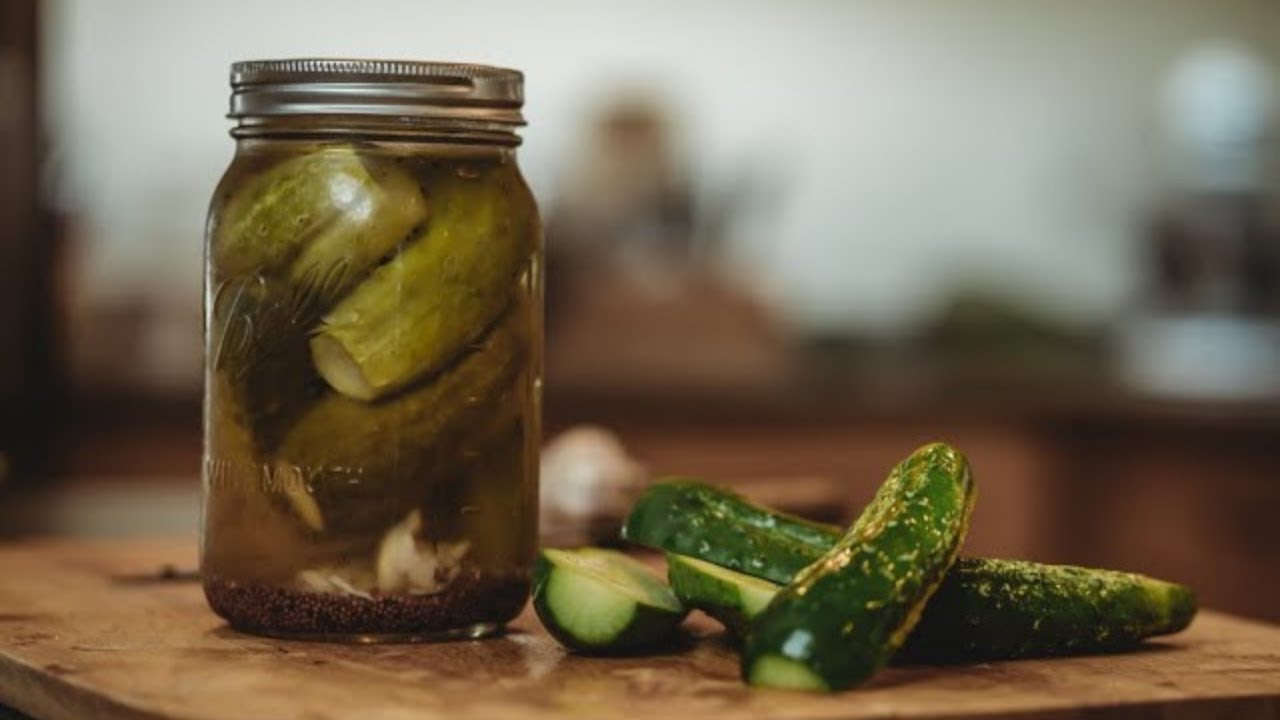
Canned Dill Pickle Recipe: There’s just something special about homemade pickles, isn’t there? That crisp snap when you bite into one, the bold, tangy flavor—it’s like summer in a jar. If you’ve ever wanted to preserve that flavor and enjoy it all year round, you’re in the right place.
This is your complete, easy-to-follow, beginner-friendly guide to making canned dill pickles at home. Whether you’re a seasoned home canner or just starting out, this recipe will walk you through everything you need—from ingredients to the water bath canning process.
Let’s turn those fresh cucumbers into something truly delicious!
Why Make Your Own Dill Pickles?
Store-bought pickles are convenient, sure. But homemade dill pickles? They’re next level. You control the flavor, the ingredients, and the crunch. No weird preservatives, no mystery ingredients—just real food, real flavor. Making your own also means you can tweak the spice level, garlic content, or even try fun variations like spicy or sweet dill. Plus, there’s something deeply satisfying about lining your pantry shelf with jars you made yourself. It’s not just about the taste—it’s about the experience.
Benefits of Home Canning
Home canning is more than just an old-fashioned hobby. It’s a smart, sustainable, and budget-friendly way to preserve food. With home-canned pickles, you don’t need fridge space, and they can last up to a year or more when stored properly. Canning also helps reduce food waste—if your garden is bursting with cucumbers, turning them into pickles is the perfect solution. Plus, giving a jar of your homemade pickles makes for a pretty impressive gift!
Types of Cucumbers Best for Pickling
Not all cucumbers are created equal. If you want crisp, crunchy pickles, you’ll need the right kind of cucumber. Here are some of the best options:
- Kirby cucumbers – Short, bumpy, and made for pickling.
- Pickling cucumbers – Thinner skin, firmer flesh, perfect for holding up during the canning process.
- Gherkins – Tiny and perfect for snacking pickles.
Avoid large salad cucumbers—they tend to be watery and soft, which leads to mushy pickles. Also, the fresher the cucumber, the better. Try to pickle within 24 hours of harvest for peak crispness.
List of Ingredients You’ll Need
Making great pickles starts with the right ingredients. Here’s everything you need for a basic canned dill pickle recipe (makes about 6 pint jars):
Fresh Ingredients
- 3 to 4 lbs of pickling cucumbers (washed and trimmed)
- 12 cloves garlic (peeled)
- 6 to 12 sprigs of fresh dill (or 2 teaspoons dried dill per jar)
Pantry Staples
- 4 cups white vinegar (5% acidity)
- 4 cups water
- 6 tablespoons pickling salt (non-iodized)
Optional Add-Ins for Extra Flavor
- 1–2 teaspoons red pepper flakes (for heat)
- Mustard seeds
- Peppercorns
- Bay leaves
- Grape leaves (for crispness, if you can find them)
Using pickling salt is important—it doesn’t contain additives like iodine, which can cloud your brine or affect taste. White vinegar gives that sharp classic pickle tang, but you can swap for apple cider vinegar if you like a slightly sweeter, fruitier flavor.
Essential Equipment for Canning Pickles
Before you dive in, make sure you’ve got the right gear. Here’s your must-have canning checklist:
- 6 pint-size canning jars with new lids and bands
- Large stockpot or water bath canner
- Jar lifter (trust us, it makes life easier)
- Funnel (for mess-free pouring)
- Bubble remover or a plastic spatula
- Clean towels
- Ladle
- Tongs
Investing in a simple canning kit makes the process much smoother—and safer.
Preparation Before You Start Canning
Sterilizing Jars and Lids
Cleanliness is key. Wash jars, lids, and bands in hot, soapy water. Rinse well. Then, sterilize them by boiling in water for 10 minutes or running them through a dishwasher cycle on high heat. Keep the jars warm until you’re ready to fill them to prevent cracking.
Washing and Prepping Cucumbers
Scrub cucumbers gently under running water. Trim about 1/8 inch off the blossom end—this part contains enzymes that can soften your pickles over time. Slice them as desired: spears, chips, or leave them whole if they’re small enough.
How to Make the Pickling Brine
The brine is what brings everything together. It’s the soul of your pickles.
Brine Ratio and Ingredients
- 4 cups white vinegar
- 4 cups water
- 6 tablespoons pickling salt
This basic ratio works great. It’s balanced—not too salty, not too sour.
Heating the Brine
Combine all the ingredients in a saucepan. Bring it to a boil, then reduce heat and keep it hot while you fill your jars. Stir occasionally to dissolve the salt completely.
Step-by-Step Guide to Making Canned Dill Pickles
Now that everything’s prepped, let’s get into the fun part—filling jars and sealing up flavor!
Step 1: Fill the Jars with Spices and Cucumbers
Place 1–2 garlic cloves and 1–2 sprigs of dill in each jar. Add any additional spices you’re using. Pack cucumbers tightly into the jars, but don’t crush them. Leave about 1/2 inch of headspace at the top.
Step 2: Pour in the Hot Brine
Use a funnel to pour hot brine over the cucumbers, covering them completely. Again, leave 1/2 inch of headspace.
Step 3: Remove Air Bubbles and Seal the Jars
Run a plastic spatula around the inside edge of the jar to release any trapped air bubbles. Wipe the rims clean with a damp towel. Place lids on top and screw bands on until fingertip-tight.
Step 4: Process in a Water Bath
Place the jars in a water bath canner with at least 1 inch of water covering the tops. Bring to a rolling boil and process for 10 minutes. Adjust time if you’re at a high altitude (up to 15 minutes above 6,000 ft).
How Long to Process Dill Pickles
Timing is everything when it comes to water bath canning. Processing your jars for too little time can result in unsafe food, while over-processing can turn your pickles mushy. For most pint-sized jars, 10 minutes is the standard processing time at sea level.
However, if you live in a higher elevation area, you’ll need to increase that time slightly:
| Altitude (feet) | Processing Time (minutes) |
|---|---|
| 0 – 1,000 ft | 10 minutes |
| 1,001 – 6,000 ft | 15 minutes |
| 6,001 ft and above | 20 minutes |
Start your timer only after the water has reached a full rolling boil. Once time is up, turn off the heat and let the jars sit in the water for another 5 minutes before removing. This helps prevent thermal shock, which could crack your jars.
Cooling and Checking Seals
Once the jars are out of the hot water bath, place them on a kitchen towel or cooling rack. Don’t touch them or tighten the bands—just let them be. You’ll start to hear those satisfying little “pops” as the lids seal.
Let the jars cool undisturbed for 12 to 24 hours. After that, check each lid by pressing down in the center. If it doesn’t flex or pop back up, your seal is good. If it does, you’ll need to refrigerate that jar and use it within a few weeks.
Label each jar with the date you made them, and store them in a cool, dark place—like a pantry or basement shelf.
How Long to Let Pickles Sit Before Eating
Okay, so this part might be tough—but trust the process! Even though the jars are sealed and look amazing, you need to wait a bit before eating. Dill pickles should sit for at least 2 to 3 weeks before you crack open the first jar.
Why? Because this gives the flavors time to fully infuse the cucumbers. The garlic, dill, and spices all need time to work their magic. If you open them too early, you’ll get a vinegar-heavy taste with not much depth.
Mark your calendar or write the “ready-to-eat” date on the label. When the time comes, that first crunchy bite will be totally worth the wait.
Storage Tips for Homemade Pickles
Once sealed and processed, your canned dill pickles are shelf-stable for up to 12 months. Here’s how to make sure they stay fresh and flavorful:
- Store in a cool, dark place (avoid sunlight and heat).
- Once opened, refrigerate and eat within 4–6 weeks.
- Never eat pickles from a jar with a broken seal, off smell, or signs of spoilage (cloudy, slimy, or moldy brine).
Always inspect the jar before consuming—when in doubt, throw it out.
Troubleshooting Common Pickling Problems
Pickling is part science, part art. Sometimes, things don’t go perfectly—but that’s okay! Here are some common issues and how to avoid them:
Soft Pickles
Soft pickles are often the result of using overripe cucumbers or not removing the blossom end. Also, processing them too long or in too hot of a brine can cause them to lose crunch.
Tips:
- Use firm, fresh cucumbers.
- Add grape leaves or pickle crisp for extra crunch.
- Trim both ends if unsure which is the blossom side.
Cloudy Brine
Cloudy brine isn’t always bad—it could be due to spices. But if the cloudiness is accompanied by slime or odor, it’s likely spoilage.
Tips:
- Use pickling salt only—table salt can cause cloudiness.
- Make sure your jars and tools are fully clean and sterilized.
Jars Didn’t Seal
If a lid didn’t seal after 24 hours, don’t reprocess. Just refrigerate and use it as a refrigerator pickle.
Creative Twists on the Classic Dill Pickle
Once you’ve nailed the basic recipe, it’s time to have fun! Try experimenting with these flavor-packed twists:
Garlic Dill Pickles
Double the garlic in each jar. You can even roast the garlic first for a mellow, sweet flavor.
Spicy Pickles
Add red pepper flakes, jalapeño slices, or a whole chili to each jar. A few peppercorns can also kick up the heat!
Bread and Butter Variation
Use a sweeter brine by adding sugar (about 1 cup) and mustard seeds. These are great for burgers and sandwiches.
You can even toss in onions, carrots, or green beans and pickle them along with your cucumbers.
How to Serve and Use Dill Pickles
Now that your pickles are ready to enjoy, what do you do with them? Here are some tasty ways to use your homemade dill pickles:
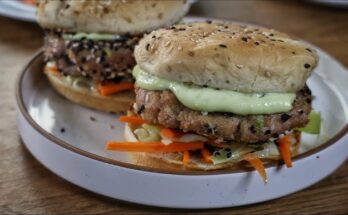
- On burgers – Add that perfect tangy crunch.
- In sandwiches – From grilled cheese to club sandwiches, pickles are the secret star.
- As a snack – Straight from the jar or alongside cheese and crackers.
- In potato salad – Chop them up for a bright pop of flavor.
- Pickle juice – Don’t toss it! Use it in dressings, marinades, or even cocktails (hello, pickleback shots for the grownups).
FAQs about Canned Dill Pickle Recipe
1. How long do canned pickles last?
Properly sealed and stored, homemade canned pickles can last up to 1 year in a cool, dark place. Once opened, refrigerate and eat within 4 to 6 weeks.
2. Can I use apple cider vinegar instead of white vinegar?
Yes! Apple cider vinegar adds a slightly sweeter, fruitier flavor. Just make sure it’s 5% acidity for safe canning.
3. Why did my pickles turn out soft?
Soft pickles may come from overripe cucumbers, not removing the blossom end, or over-processing. Use fresh, firm cucumbers and avoid boiling too long.
4. Do I have to use a water bath canner?
For shelf-stable storage, yes. The water bath kills bacteria and seals the jars. If you skip this step, store the pickles in the fridge and eat within a few weeks.
5. Can I reuse pickle brine?
No, not for canning. The brine may not be strong enough to preserve new pickles. However, you can reuse it in salad dressings, marinades, or even cocktails.
Conclusion
Making canned dill pickles at home might seem a bit intimidating at first—but once you get the hang of it, it’s truly addicting. You’ll not only end up with jars of delicious, tangy, crunchy goodness, but also the pride of creating something with your own hands. It’s a process rooted in tradition, yet still so rewarding today. Plus, those pickles will taste better than anything you can buy in a store.
So grab some cucumbers, heat up that brine, and start pickling! Trust me—your sandwiches, burgers, and late-night snacks will thank you.