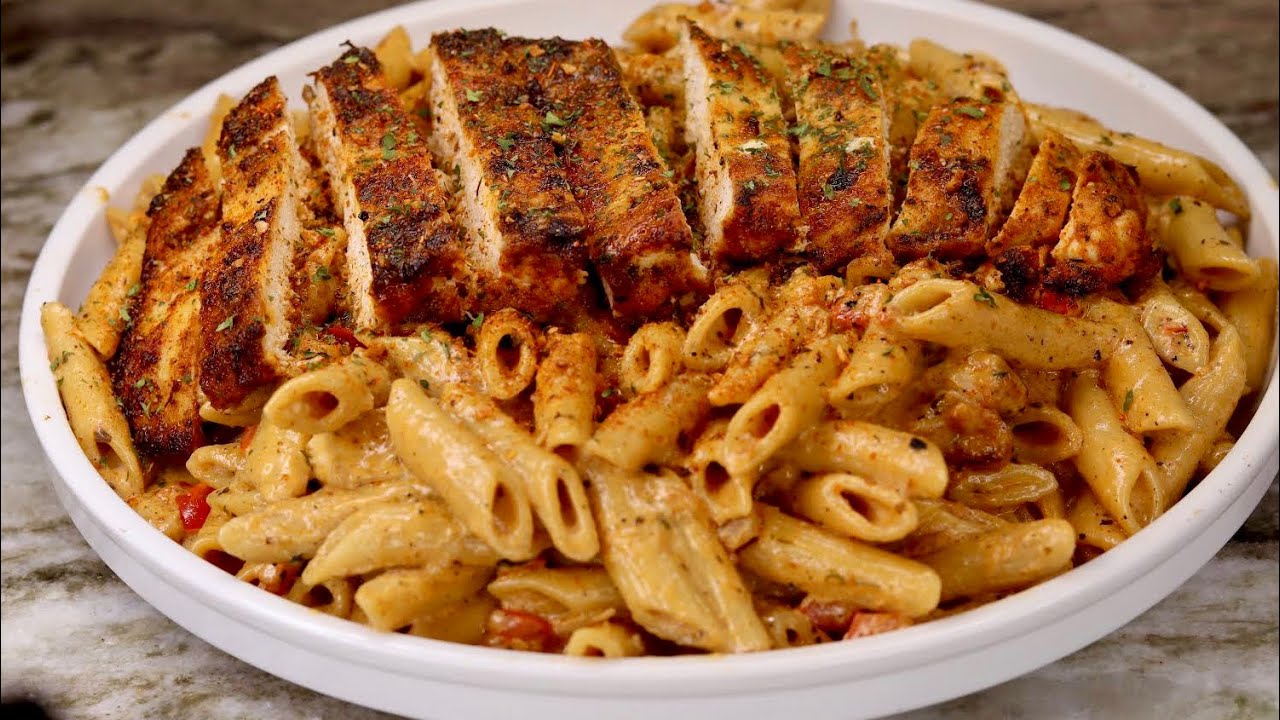
Cajun Chicken Alfredo Recipe: There’s just something magical about the combination of bold Cajun spices, creamy Alfredo sauce, and juicy chicken over tender pasta. Cajun Chicken Alfredo isn’t just comfort food—it’s a flavor-packed experience. Whether you’re cooking for a weekday dinner or a weekend treat, this recipe is a crowd-pleaser that feels fancy but is incredibly easy to pull together.
In this step-by-step guide, you’ll learn how to make the best Cajun Chicken Alfredo from scratch. We’re talking about seasoned chicken breasts seared to perfection, tossed with al dente pasta and smothered in a rich, garlicky Alfredo sauce with a spicy Cajun twist. No need to go out to a restaurant—this dish brings restaurant-quality flavor straight to your kitchen.
Let’s get cooking!
List of Ingredients You’ll Need
Making the perfect Cajun Chicken Alfredo starts with gathering the right ingredients. This dish is all about flavor, so each component plays a crucial role in building that rich, spicy, and creamy taste.
Chicken Ingredients
- 2 large boneless, skinless chicken breasts
- 1–2 tablespoons Cajun seasoning (store-bought or homemade)
- 1 tablespoon olive oil (for searing)
- Salt & pepper to taste
Alfredo Sauce Ingredients
- 2 tablespoons butter
- 4 cloves garlic, minced
- 1½ cups heavy cream
- 1½ cups freshly grated Parmesan cheese
- Salt and pepper to taste
- Pinch of red pepper flakes (optional, for extra heat)
Pasta Ingredients
- 12 oz fettuccine or penne pasta
- Salt (for boiling water)
- 1 tablespoon olive oil (optional, to prevent sticking)
Optional Add-ins and Toppings
- Chopped parsley (for garnish)
- Freshly grated Parmesan cheese (extra, for topping)
- Cherry tomatoes or sautéed mushrooms
- A squeeze of lemon juice for brightness
Having everything prepped and ready will make the cooking process smooth and enjoyable. Pro tip: use fresh Parmesan cheese instead of the pre-shredded version—it melts better and gives a richer taste.
Kitchen Tools Required
Before we dive into the cooking, make sure your kitchen is stocked with the right tools. Here’s what you’ll need to whip up this Cajun Chicken Alfredo like a pro:
- Large skillet or frying pan (preferably non-stick or cast iron)
- Medium pot for boiling pasta
- Wooden spoon or silicone spatula
- Tongs (for flipping the chicken)
- Grater (for Parmesan cheese)
- Measuring cups and spoons
- Knife and cutting board
- Colander or strainer (for pasta)
Cooking is always easier—and more fun—when you’re not scrambling for tools mid-recipe.
How to Choose the Best Ingredients
Let’s be honest: good food starts with good ingredients. The beauty of Cajun Chicken Alfredo is that it doesn’t require anything fancy, but the better your ingredients, the better your end result.
Choosing the Right Chicken
Stick with boneless, skinless chicken breasts for a lean and tender option. Pound them to even thickness so they cook evenly and don’t dry out. You can also use thighs for more flavor and juiciness.
Best Pasta Types for Alfredo
Fettuccine is the classic choice for Alfredo, but penne, rigatoni, or linguine work great too. Thicker pasta holds up well to the creamy sauce.
Fresh vs Store-Bought Alfredo Sauce
While store-bought Alfredo sauce is a shortcut, nothing beats homemade. Fresh garlic, real cream, and good-quality Parmesan make all the difference. If you’re tight on time, go with a high-quality jarred option, but always season to taste.
Making the Cajun Seasoning
Homemade Cajun Seasoning Mix
Want to control the spice and salt? Make your own Cajun seasoning. Here’s a simple mix:
- 1 tablespoon paprika
- 1 tablespoon garlic powder
- 1 teaspoon onion powder
- 1 teaspoon dried oregano
- 1 teaspoon thyme
- ½ teaspoon cayenne pepper (more if you like it hot)
- 1 teaspoon salt
- ½ teaspoon black pepper
Mix it all together and store in an airtight jar. It’s great not only for this recipe but also for seasoning shrimp, fries, or even popcorn.
Store-bought Cajun Seasoning Tips
If you’re going store-bought, read the label. Some blends are salt-heavy, so you might want to adjust your recipe’s salt levels to compensate. Look for brands like Tony Chachere’s, Slap Ya Mama, or McCormick’s.
Step-by-Step Guide to Cajun Chicken Alfredo
Now it’s time for the main event! Follow these steps and you’ll have a plate of creamy, spicy, cheesy Cajun Chicken Alfredo in no time.
Step 1: Prepare the Chicken
Start with boneless, skinless chicken breasts. Pat them dry and season generously with Cajun seasoning, salt, black pepper, and a touch of paprika. Heat olive oil or butter in a skillet over medium-high heat. Cook the chicken for 5–7 minutes per side until golden brown and fully cooked. Remove from the pan, let it rest for a few minutes, then slice into strips.
Step 2: Cook the Pasta
Bring a large pot of salted water to a rolling boil. Add fettuccine or your preferred pasta and cook until al dente, following package instructions. Reserve about ½ cup of pasta water before draining.
Step 3: Make the Alfredo Sauce
In the same skillet used for the chicken, melt butter over medium heat. Add minced garlic and sauté briefly until fragrant. Pour in heavy cream and stir well. Add grated Parmesan cheese and a pinch of Cajun seasoning. Stir until the sauce becomes smooth and creamy.
Step 4: Combine Pasta, Chicken & Sauce
Add the cooked pasta and sliced chicken to the sauce. Toss gently to coat everything evenly. If the sauce is too thick, add a little reserved pasta water until it reaches your desired consistency.
Step 5: Garnish and Serve
Taste and adjust seasoning if needed. Garnish with chopped parsley, extra Parmesan, or a sprinkle of chili flakes. Serve hot and enjoy a rich, spicy, and comforting Cajun Chicken Alfredo.
Tips for Perfect Cajun Chicken Alfredo
If you really want your Cajun Chicken Alfredo to taste like something out of a restaurant kitchen, you’ve got to pay attention to the small stuff. These tips will take your dish from good to incredible.
Don’t Overcook the Chicken
This is one of the most common mistakes people make. Overcooked chicken gets dry, rubbery, and completely loses its flavor. Here’s the fix: cook your chicken on medium-high heat until golden brown on the outside and just cooked through on the inside. Use a meat thermometer if you’re unsure—165°F (74°C) is the sweet spot.
Also, let your chicken rest before slicing. This locks in all those delicious juices so they don’t run out on the cutting board.
Control the Heat (Spice Level)
Everyone has a different spice tolerance. If you’re cooking for kids or spice-sensitive folks, reduce the cayenne pepper or opt for a mild Cajun seasoning blend. Want more fire? Sprinkle in extra cayenne or hot sauce right into the Alfredo sauce.
Pro tip: spicy dishes love a little balance. A splash of lemon juice or a touch of sugar can tone down the heat while keeping the flavor on point.
How to Keep the Sauce Creamy
Nothing’s worse than a broken Alfredo sauce that looks curdled or greasy. The trick? Don’t overheat the cream, and make sure your cheese melts slowly. Low to medium heat is your friend here. Stir often and be patient—it’ll reward you with silky, smooth goodness.
Also, don’t forget: freshly grated Parmesan melts way better than the pre-shredded stuff. It’s worth the extra minute of grating.
Substitutions and Variations
One of the best things about this recipe? It’s incredibly flexible. You can switch things up based on your preferences or dietary needs without sacrificing flavor.
Vegetarian Cajun Alfredo
Skip the chicken entirely and go for sautéed mushrooms, roasted cauliflower, or even plant-based “chicken” strips. You still get all the spicy, creamy goodness—just meat-free.
Shrimp Cajun Alfredo
Swap chicken for shrimp for a seafood twist. Season your peeled, deveined shrimp with Cajun spices and sear them for 2–3 minutes per side until pink. They cook fast, so keep an eye on them!
Gluten-Free Options
Use your favorite gluten-free pasta (like rice noodles or chickpea pasta). Also, double-check your Cajun seasoning and Parmesan to ensure they’re gluten-free. The sauce itself is naturally gluten-free if you’re using pure cream and cheese.
Looking for a lighter version? You can try subbing half-and-half or whole milk for the cream, but note that the sauce may be thinner. Add a little cornstarch slurry if needed to thicken it up.
Side Dishes to Serve With Cajun Chicken Alfredo
Let’s be real—Cajun Chicken Alfredo is a meal on its own. But if you want to round out the plate or impress guests, here are some delicious side dish ideas:
- Garlic Bread: Classic and perfect for sopping up extra sauce.
- Caesar Salad: Crisp romaine, creamy dressing, and crunchy croutons make a great contrast.
- Roasted Vegetables: Broccoli, asparagus, or zucchini roasted with olive oil and a sprinkle of Cajun seasoning.
- Bruschetta or Tomato Salad: Something fresh and acidic to cut the richness of the Alfredo sauce.
- Corn on the Cob: For a southern twist, grill it up and season with Cajun butter.
Pair your plate with a cold drink—maybe iced tea, lemonade, or even a mocktail—and you’ve got a full-on dinner experience.
Storage and Reheating Instructions
Got leftovers? Lucky you! Cajun Chicken Alfredo reheats beautifully with the right technique.
How to Store Leftovers
- Store leftovers in an airtight container.
- Keep in the refrigerator for up to 3–4 days.
- For longer storage, freeze it (though cream sauces may slightly change texture after thawing).
Make sure it’s cooled down before putting it in the fridge to avoid condensation and sogginess.
Best Way to Reheat Without Drying
Microwaving pasta can turn it into a sticky mess. Here’s how to do it right:
- Stovetop: Add a splash of milk or cream to the pan with the pasta and gently reheat over low heat, stirring often.
- Microwave: Add a splash of liquid, cover loosely, and microwave in 30-second intervals, stirring between rounds.
Avoid overheating—the goal is warm and creamy, not scalding and dry.
Common Mistakes to Avoid
Here are a few missteps that can ruin your Cajun Chicken Alfredo, and how to avoid them:
- Using Pre-shredded Cheese
These often contain anti-caking agents that prevent smooth melting. Always go for fresh Parmesan and grate it yourself. - Overcooking the Pasta
Go for al dente! Overcooked pasta turns mushy when mixed with hot sauce. - Not Letting Chicken Rest
Cutting it too soon will cause the juices to run out, leaving dry meat. - Cooking the Sauce Too Fast
Cream sauces need gentle heat. Patience here equals better texture. - Skipping Seasoning Layers
Season your chicken, your pasta water, and your sauce. Each layer counts!
Nutritional Information (Approximate per serving)
| Nutrient | Amount |
|---|---|
| Calories | 750–850 kcal |
| Protein | 35g–40g |
| Carbohydrates | 50g–60g |
| Fat | 40g–50g |
| Fiber | 2g–4g |
| Sodium | 800mg–1000mg |
| Sugar | 2g–5g |
This dish is rich and filling, so keep that in mind if you’re watching your intake. You can always make lighter swaps as listed above!
FAQs about Cajun Chicken Alfredo Recipe
1. Can I make this ahead of time?
Yes! You can prepare the chicken and sauce in advance. Store separately from the pasta and combine just before serving for best texture.
2. Is Cajun Alfredo very spicy?
It can be, but you control the heat. Use less Cajun seasoning or choose a mild version if you’re spice-sensitive.
3. Can I use milk instead of cream?
You can, but the sauce will be thinner and less rich. Try whole milk with a bit of butter and flour or a cornstarch slurry to thicken it.
4. What vegetables go well with this dish?
Roasted broccoli, bell peppers, mushrooms, spinach, or asparagus are great additions or sides.
5. How long does it last in the fridge?
Properly stored, it lasts about 3–4 days. Make sure to reheat gently to keep the sauce creamy.
Conclusion
Cajun Chicken Alfredo is the ultimate comfort food fusion—it brings the creamy, cheesy richness of Italian Alfredo and amps it up with bold Cajun spice. It’s surprisingly easy to make, super customizable, and guaranteed to impress.
Whether you’re cooking for one, a family dinner, or hosting friends, this dish hits all the right notes. It’s hearty, flavorful, and totally satisfying.
Now that you’ve got the step-by-step guide, it’s your turn to whip this up in your kitchen. Don’t forget to experiment with different proteins, spice levels, and pasta types. Cooking should always be delicious—and fun!