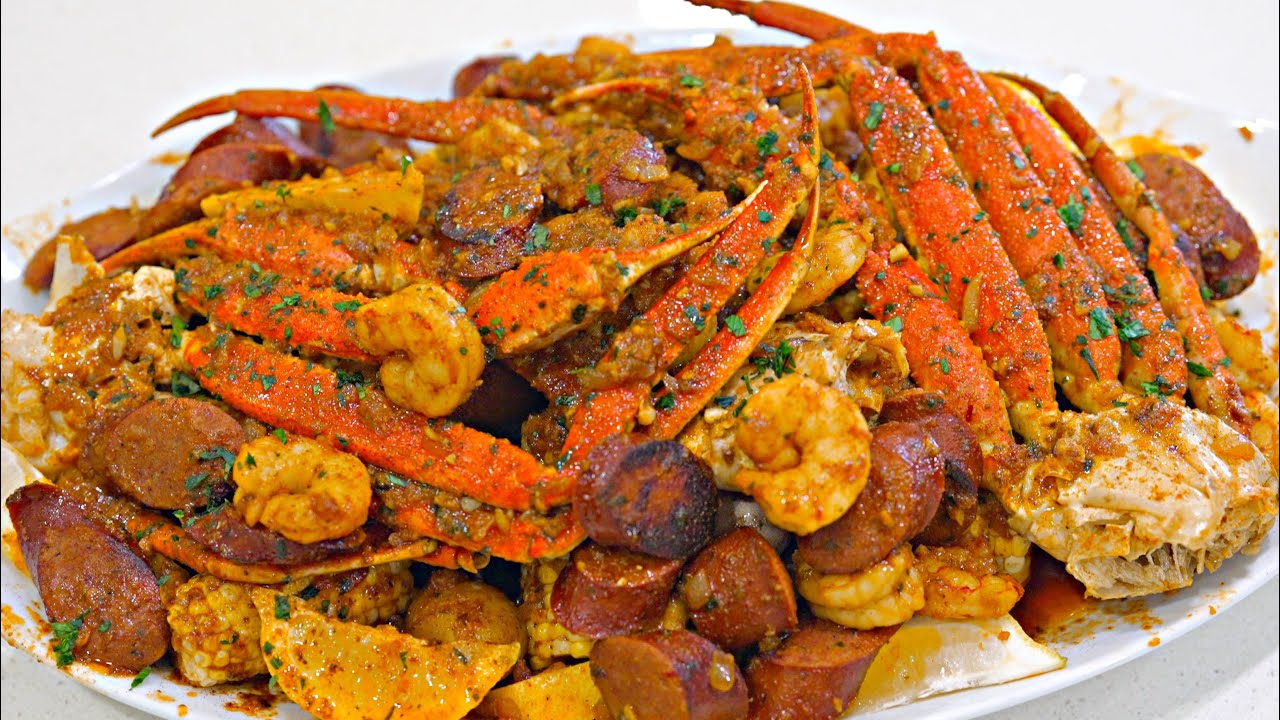
Cajun Boil Recipe: Get ready to dive into one of the most flavorful and festive meals you’ll ever cook — the Cajun Boil. This dish isn’t just a meal; it’s an experience.
From the sizzling spices to the buttery sauce drenching plump shrimp, crab legs, sausage, and sweet corn — it’s the ultimate way to bring people together around the table.
Whether you’re throwing a backyard party or just cooking for the family, this step-by-step guide will walk you through every detail to make your Cajun Boil unforgettable.
What is a Cajun Boil?
A Cajun Boil, also known as a seafood boil or Louisiana boil, is a Southern classic that combines a variety of shellfish, smoked sausage, corn, and potatoes in a big pot of spicy, seasoned water. Once everything’s cooked, it’s drained and either tossed in Cajun butter sauce or dumped directly on a newspaper-covered table for a finger-lickin’ feast. No forks required!
What makes it unique is the Cajun seasoning — bold, smoky, spicy, and packed with flavor. This isn’t a dainty dinner. It’s messy, fun, and perfect for sharing. If you’ve never had a Cajun Boil before, you’re in for a treat.
Why Everyone Loves a Cajun Boil
So, what’s the big deal about a Cajun Boil? For one, it’s incredibly versatile. You can load it up with shrimp, crab, lobster, or crawfish. Throw in corn and potatoes, and boom — you’ve got a full meal in one pot.
It’s also one of the most social meals you can serve. Everyone gathers around the table, digs in with their hands, and shares stories over good food. There’s no formal dining here — just good vibes and amazing flavors.
The spicy seasoning, buttery richness, and blend of textures make each bite something new. Plus, it’s surprisingly easy to make once you get the steps down. Let’s break it all down!
The Origin of Cajun Boil – A Brief History
The Cajun Boil has roots in Louisiana, where Cajun culture blends French, African, and Southern American influences into something totally unique. Originally, Cajun boils were community events — seafood was abundant, so families and friends would gather to cook massive batches in large outdoor pots.
Traditionally, the boil was all about using what you had: fresh catch from the gulf, local veggies, and whatever spices were in the pantry. Over time, the Cajun Boil became a signature dish of the American South, especially during festivals, holidays, and weekend gatherings.
It’s now a staple not just in Louisiana, but across the U.S., from backyard parties to upscale seafood restaurants.
Essential Ingredients for a Cajun Boil
Before you fire up the burner, you’ll need to gather your ingredients. Here’s a master list of what typically goes into a classic Cajun Boil:
Seafood Selections
- Shrimp (head-on or peeled)
- Snow crab legs
- Crawfish (optional but traditional)
- Mussels or clams (optional)
- Lobster tails (for a deluxe version)
Vegetables & Add-ins
- Baby red potatoes
- Corn on the cob (halved)
- Onion (quartered)
- Garlic (whole cloves or heads halved)
- Smoked sausage (andouille or kielbasa)
Spices & Seasonings
- Cajun seasoning (homemade or store-bought)
- Old Bay seasoning
- Bay leaves
- Whole lemons (halved)
- Salt & black pepper
Butter Sauce Components
- Unsalted butter
- Garlic (minced)
- Cajun seasoning
- Lemon juice
- Hot sauce
- Paprika
You don’t need every single item, but the more you add, the richer the flavor.
Choosing the Right Seafood for Your Boil
The quality of your seafood is going to make or break this recipe. Fresh is best, but frozen can work well if thawed properly.
Fresh vs. Frozen
If you’re near the coast, lucky you! Grab fresh shrimp, crab, and maybe even live crawfish. If not, frozen shrimp and crab legs are still excellent — just make sure they’re peeled and deveined, and fully thawed before cooking.
Top Seafood Choices
- Shrimp – The star of the boil. Use large or jumbo for best texture.
- Crab Legs – Snow crab or king crab gives sweetness and dramatic flair.
- Crawfish – Authentic and flavorful, especially in Southern boils.
- Lobster Tails – A luxury option that takes it over the top.
- Mussels/Clams – Add a briny bite and pair great with the butter sauce.
Vegetable Additions That Pack Flavor
A Cajun boil isn’t just about the seafood. The vegetables add body, soak up flavor, and make the meal even more satisfying. Don’t skip them—they’re essential to balancing the bold spices and richness of the butter sauce.
Corn on the Cob
Corn is a must-have. When boiled in the same seasoned water as the seafood, it absorbs all the spices and ends up juicy, sweet, and slightly spicy. Cut the cobs in half or thirds so they’re easy to grab and bite into.
Fresh corn is ideal during the summer, but frozen mini cobs will also do the trick if corn is out of season. Drop it into the pot halfway through cooking—too early and it’ll overcook and turn mushy.
Baby Potatoes
Small red or Yukon gold potatoes are perfect because they’re waxy and hold their shape. They help ground the dish and provide a hearty bite that contrasts well with the softer seafood.
Boil them first since they take longer to cook than everything else. You’ll know they’re done when you can easily pierce them with a fork.
Onions and Garlic
Add large onion wedges for sweetness and whole garlic cloves for a mellow, rich depth. Garlic heads halved across the equator are a popular trick—once boiled, the cloves can be squeezed out like soft roasted garlic. It’s a hidden gem in the pot.
These vegetables might seem minor, but they help tie the boil together by building layers of flavor in the water that everything else absorbs.
Must-Have Cajun Spices and Seasonings
Here’s where the magic happens. The spices and seasonings are what take your boil from bland to bold. You can use store-bought Cajun blends or mix your own to control the heat and flavor.
Homemade Cajun Seasoning Recipe
Want a richer, customizable flavor? Mix up your own Cajun spice blend:
Homemade Cajun Seasoning:
- 2 tbsp smoked paprika
- 1 tbsp garlic powder
- 1 tbsp onion powder
- 1 tbsp dried oregano
- 1 tbsp dried thyme
- 1 tsp cayenne pepper (adjust to taste)
- 1 tsp black pepper
- 1 tsp salt
This blend works great both in the boil water and in the buttery finishing sauce. You can store the extra in an airtight jar for future use—it’s great on chicken, fries, or even popcorn.
Other seasonings to add directly to the boil water:
- 2–3 bay leaves
- Sliced lemons
- Old Bay (for a Maryland twist)
- Whole peppercorns
Equipment You’ll Need
You don’t need a commercial kitchen setup, but the right tools make all the difference—especially for large batches.
Large Stockpot or Seafood Boiler
For small batches, a 12–16 qt pot works. If you’re cooking for a crowd, consider a 30–60 qt outdoor seafood boiler. They heat faster and hold more food.
Strainer Basket or Slotted Spoon
To make draining easy, use a strainer insert or large slotted spoon. You’ll be pulling out hot ingredients, so safety first!
Serving Tools & Setup
- Tongs – for grabbing crab legs and sausage
- Large tray or newspaper-covered table – for the classic dump-and-eat style
- Wet wipes or paper towels – trust us, you’ll need them
- Small bowls for butter sauce
Optional but fun: bibs, gloves, and seafood crackers for the full experience.
How to Prepare the Ingredients
Before the boil begins, a little prep goes a long way.
Prepping the Seafood
- Shrimp – Devein if necessary. Leave shells on for more flavor, or peel for easy eating.
- Crab Legs – Thaw fully if frozen. Rinse under cold water.
- Crawfish – If live, purge them in salted water to clean. If frozen, rinse well.
- Mussels/Clams – Scrub the shells and discard any that are open and don’t close when tapped.
Chopping the Veggies
- Slice sausage into 1–2 inch chunks
- Halve corn cobs
- Quarter onions
- Leave garlic cloves whole or halve the head crosswise
- Wash potatoes well; leave skin on
Have everything laid out and ready before you start boiling—you’ll be adding ingredients in stages.
How to Make a Cajun Boil (Step-by-Step)
Let’s walk through the entire process. The beauty of a Cajun boil is in the layered cooking, where each ingredient builds flavor.
Step 1: Boil the Potatoes
Fill your large pot with water, leaving room for all the ingredients later. Add:
- Salt (generous handful)
- 2 lemons (halved and squeezed, then dropped in)
- Bay leaves
- Cajun seasoning (2–4 tablespoons)
- Whole garlic cloves
Bring to a boil, then add your potatoes. Let them cook for 10–12 minutes until just fork-tender.
Step 2: Add the Corn and Sausages
Next, toss in the corn and sliced sausages. Let them cook for another 7–10 minutes. The sausage will add smoky, meaty flavor to the water, while the corn soaks it all in.
Step 3: Toss in the Seafood
Time to add the stars of the show. Add shrimp, crab legs, crawfish, or mussels. These cook quickly:
- Shrimp – 3 to 4 minutes
- Crab legs – 5 to 7 minutes
- Crawfish – 3 to 5 minutes
- Mussels/Clams – until they open
Don’t overcook or they’ll get rubbery!
Step 4: Flavor with Seasonings
Taste your broth and adjust the seasoning as needed. Add more Cajun spice or salt if it tastes bland. You can also throw in a few shakes of hot sauce if you’re feeling bold.
Step 5: Drain and Serve
Turn off the heat and let everything sit in the seasoned water for 5–10 minutes to soak up the flavor.
Drain using a strainer or slotted spoon. If you’re going traditional, dump everything straight onto a newspaper-covered table or large tray. Otherwise, serve it family-style in bowls with plenty of napkins.
The Secret Cajun Butter Sauce
Now for the real showstopper—the buttery Cajun sauce that brings it all together. This isn’t just melted butter. It’s a flavor-packed drizzle that coats the seafood and veggies, making every bite spicy, garlicky, and insanely rich.
Ingredients for Cajun Butter Sauce
- 2 sticks (1 cup) of unsalted butter
- 1 tablespoon olive oil
- 8–10 cloves of garlic (finely minced)
- 1 tablespoon Cajun seasoning
- 1 teaspoon smoked paprika
- 1/2 teaspoon cayenne pepper (optional for extra heat)
- 1 tablespoon lemon juice
- 1–2 teaspoons hot sauce (adjust to taste)
- Salt and black pepper to taste
- Fresh parsley (optional, chopped for garnish)
How to Make the Sauce
- In a saucepan, melt butter over medium heat.
- Add olive oil and minced garlic. Sauté for 2–3 minutes until fragrant but not browned.
- Stir in Cajun seasoning, paprika, cayenne, lemon juice, and hot sauce.
- Let the sauce simmer for 3–5 minutes, stirring constantly.
- Taste and adjust the spice or salt as needed.
You can pour this directly over the seafood after draining or serve it on the side for dipping. Either way, don’t skip it—it’s what makes the boil unforgettable.
Serving Suggestions
A Cajun boil is meant to be a feast—rustic, bold, and communal. Presentation matters, but it’s more about fun than fancy.
Table Setup Ideas
- Cover your table with butcher paper or newspaper. Cleanup will be a breeze.
- Dump the boil in the center for guests to dig in.
- Place small bowls of butter sauce and lemon wedges around the table.
- Provide gloves or bibs for guests if you want to keep things semi-clean.
What to Serve on the Side
You already have potatoes and corn, but a few extras won’t hurt:
- French bread or garlic toast – to soak up extra sauce
- Coleslaw – adds a cool, crunchy contrast
- Rice – perfect for scooping up saucy bites
- Cold beer or lemonade – traditional Southern pairings
A simple green salad can also offer a refreshing counterbalance to the bold flavors of the boil.
Tips for Hosting a Cajun Boil Party
Throwing a Cajun boil party? You’re about to become everyone’s favorite host. Here’s how to plan and execute a flawless boil gathering.
How Much to Cook Per Person
This can vary, but here’s a safe guideline:
- Shrimp: 1/2 to 1 pound per person
- Crab legs: 1/2 pound per person
- Sausage: 1/4 pound per person
- Potatoes: 2–3 baby potatoes per person
- Corn: 1/2 ear per person
Always round up if you’re unsure. Leftovers are a blessing, not a problem.
Best Time to Serve
Serve your boil right after draining and tossing with butter sauce. It’s best hot and fresh. You can prep the sauce and chop veggies ahead of time to make things smoother during party time.
Don’t forget music, drinks, and good lighting—this meal is all about creating a fun, laid-back vibe.
Variations of Cajun Boil
One of the best things about Cajun boils? You can tweak them for different tastes and diets.
Shrimp-Only Cajun Boil
If crab and crawfish are too pricey or hard to find, go with an all-shrimp boil. It’s quicker and easier, and still packed with flavor. Use extra sausage and veggies to make it hearty.
Low-Spice, Kid-Friendly Version
Dial down the spice by:
- Using less cayenne and hot sauce
- Serving butter sauce on the side instead of tossing it all together
- Replacing Cajun seasoning with a mild blend (like lemon pepper)
Add fun, non-spicy sides for younger eaters—mac and cheese or fruit salad works great.
How to Store and Reheat Leftovers
You made too much? Awesome. Cajun boil leftovers reheat beautifully if done right.
Storage Tips:
- Store seafood, veggies, and sausage separately if possible.
- Place in airtight containers and refrigerate for up to 3 days.
- Don’t leave seafood out at room temp for more than 2 hours.
How to Reheat:
- Steam method: Place in a steamer basket over boiling water for 5–8 minutes.
- Microwave: Sprinkle with a little water, cover with a damp paper towel, and microwave in 30-second intervals.
- Stovetop sauté: Toss with a bit of leftover butter sauce in a hot pan until warmed through.
Never reheat more than once, especially seafood. The texture and safety can be compromised.
Common Mistakes to Avoid
Even seasoned cooks can mess up a Cajun boil. Here are pitfalls to avoid:
- Overcooking the seafood – Shrimp turns rubbery fast. Stick to short cook times.
- Not seasoning the water enough – It’s where the flavor begins. Be generous!
- Skipping the butter sauce – It ties the whole dish together.
- Cooking everything at once – Layer your ingredients based on cook time.
- Using bland sausage – Go for spicy, smoky varieties like andouille for max flavor.
Paying attention to these simple details will elevate your boil from good to unforgettable.
Health Benefits of a Cajun Boil
It might surprise you, but a Cajun boil can be relatively healthy—especially when compared to fried seafood.
- Lean protein from shrimp and crab
- Vitamins and minerals from garlic, onion, and potatoes
- Omega-3 fatty acids from seafood
- Spices like garlic and cayenne promote circulation and metabolism
You control the butter and salt levels, so it’s easy to adapt it to your health goals.
FAQs about Cajun Boil Recipe
1. Can I make a Cajun Boil without seafood?
Yes! You can make a “land boil” with sausage, potatoes, corn, and mushrooms. It’s still flavorful and fun, just minus the seafood.
2. How spicy is a Cajun Boil?
It can be as spicy or as mild as you want. Control the heat by adjusting cayenne pepper and hot sauce. Keep it mild for kids or spice lovers can double up.
3. What’s the best sausage for Cajun Boil?
Andouille sausage is the traditional choice—it’s smoky and spicy. Kielbasa or chorizo are great substitutes.
4. Can I freeze leftover Cajun Boil?
Freezing seafood is tricky. Shrimp and sausage freeze OK, but crab and crawfish tend to get mushy. Best to eat within a few days.
5. Is Cajun seasoning the same as Creole seasoning?
Not exactly. Cajun seasoning is spicier and focuses more on pepper and garlic. Creole blends often include herbs like basil and oregano for a milder profile.
Conclusion
Whether you’re a Louisiana native or just love bold flavors, this Cajun Boil recipe brings the heat, the fun, and the flavor. It’s perfect for a family meal, a weekend cookout, or a full-on party. With the right ingredients, a little prep, and our step-by-step guide, you’ll be serving up the best boil your table has ever seen.
Don’t forget the butter sauce. Don’t skimp on the spices. And whatever you do—invite people who love to eat with their hands and their hearts.