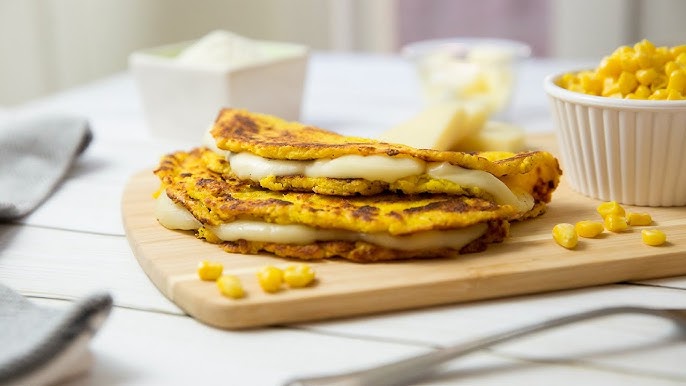
Cachapa Recipe: Warm, golden, cheesy, and a little sweet — cachapas are the ultimate comfort food straight from the heart of Venezuela. Think of them like sweet corn pancakes, but savory, indulgent, and often stuffed with gooey cheese or meats.
They’re crispy on the outside and soft on the inside, delivering a perfect contrast of texture and flavor. Whether you’re familiar with Latin American cuisine or just exploring it, this guide will walk you through everything you need to know about making authentic cachapas at home — from choosing the best corn to the perfect way to cook them.
Let’s dive in!
What is a Cachapa?
A cachapa is a traditional Venezuelan dish made primarily from fresh corn. It resembles a thick pancake or crepe but is made with whole-kernel corn rather than a processed flour base. Unlike American-style corn pancakes that lean more toward sweetness, cachapas walk the line between savory and sweet, making them incredibly versatile.
They’re often folded over a slab of queso de mano (a soft, fresh Venezuelan cheese), but many modern versions include shredded beef, ham, or chicken for a heartier meal. You’ll typically find cachapas served at roadside stands, home kitchens, and restaurants throughout Venezuela — especially for breakfast or lunch.
A Brief History of Cachapas
Cachapas have deep roots in indigenous Venezuelan cuisine, predating European colonization. The word “cachapa” is believed to originate from the indigenous language of the central Venezuelan region, possibly related to the Cumanagoto or other native tribes.
Traditionally cooked on clay griddles over open fires, they were made with stone-ground corn and served with local cheese. Over centuries, the recipe has evolved, but the soul of the dish remains: a celebration of fresh corn and simple ingredients.
Today, cachapas are considered a national treasure in Venezuela and have spread throughout Latin America and even international kitchens, thanks to food lovers who crave that authentic taste of corn-based comfort.
Why You’ll Love This Recipe
So, why should you try your hand at making cachapas?
- Easy to Make: You only need a few ingredients — mostly corn, milk, and a bit of flour.
- Naturally Sweet: The fresh corn gives a hint of natural sweetness that pairs beautifully with salty cheese.
- Customizable: Whether you’re a cheese lover, meat eater, or vegan, cachapas can be easily adapted.
- Kid-Friendly: Sweet and cheesy? It’s a win for even the pickiest eaters.
- Great Anytime Meal: Serve it for breakfast, brunch, lunch, or even dinner.
Once you try it, you’ll wonder how something this simple can taste so incredibly good.
List of Ingredients You’ll Need
Before jumping into the kitchen, here’s your checklist of ingredients.
Fresh Ingredients:
- 2 ½ cups of fresh corn kernels (or frozen/thawed, preferably yellow corn)
- ¼ cup of milk (whole milk or any dairy-free alternative)
- 2 tablespoons of sugar (optional, adjust based on corn sweetness)
- ¼ teaspoon salt
- 2 tablespoons all-purpose flour (optional – for better texture)
- 1 tablespoon melted butter or vegetable oil
- Butter or oil for greasing the skillet
Optional Toppings & Fillings:
- Queso de Mano (or mozzarella/fresh mozzarella)
- Queso blanco (for salty contrast)
- Shredded beef (carne mechada)
- Ham and cheese
- Avocado slices
- Sour cream or nata
Pro tip: The quality of your corn and cheese will make or break this dish. Go fresh whenever possible.
Tools and Equipment Required
Here’s what you’ll need to bring your cachapas to life:
- A blender or food processor
- A non-stick skillet or griddle
- A spatula
- A measuring cup and spoons
- Mixing bowl (if combining by hand)
Optional but helpful: A ladle or scoop for pouring even portions.
Tips for Choosing the Best Corn
Corn is the star, so let’s talk about choosing the right kind.
- Fresh corn on the cob: This is the gold standard. Sweet corn with firm, plump kernels works best.
- Frozen corn: A good substitute if fresh isn’t available. Just thaw it fully and drain excess water.
- Avoid canned corn: It’s often too wet and doesn’t offer the same fresh flavor or texture.
Look for bright yellow, slightly sweet corn. You want it to be juicy but not watery.
How to Make Cachapas from Scratch
Let’s get into the kitchen! Here’s your step-by-step guide to making mouthwatering cachapas.
Step 1: Preparing the Corn Mixture
Start by prepping your corn. If using fresh corn on the cob, remove the husks and silk, and carefully slice the kernels off.
Place your 2 ½ cups of corn kernels into a blender or food processor. Add ¼ cup of milk, salt, sugar (if using), flour, and melted butter.
Step 2: Blending the Batter
Pulse the mixture until it forms a thick, slightly chunky batter. You don’t want it too smooth — you’re aiming for a texture that still has some bits of corn.
The batter should be thick enough to spoon but not pour like pancake batter. If it’s too watery, add a bit more flour. If too thick, a splash of milk.
Step 3: Adjusting Texture and Consistency
Before cooking, let your batter sit for 5–10 minutes. This allows the flour to hydrate and the batter to thicken slightly.
Test the consistency by scooping it with a spoon. It should hold its shape but still spread slightly when dropped into the pan.
Step 4: Heating the Skillet or Griddle
Heat a non-stick skillet or griddle over medium heat. Add a small pat of butter or brush lightly with oil.
Wait until the skillet is hot — you should hear a slight sizzle when the batter hits the pan.
Step 5: Cooking the Cachapas
Scoop about ½ cup of batter onto the skillet. Use the back of the spoon to gently spread it into a circle, about 6 inches wide and ½ inch thick.
Cook for about 4–5 minutes on the first side — or until golden brown and the top starts to set. Flip carefully and cook another 3–4 minutes on the other side.
The goal? Golden, crispy edges with a soft, steamy center.
Step 6: Adding the Cheese or Fillings
Once the cachapa is cooked, reduce the heat and add your cheese (or other fillings) to one half of the pancake.
Let it melt slightly, then fold the cachapa over, like a taco or omelet.
Cover the pan for a minute to help the cheese get super melty.
Step 7: Folding and Serving
Slide the folded cachapa onto a plate, top with extra cheese, avocado, or sour cream if you’d like — and serve immediately while hot.
You can also make a stack and keep them warm in the oven at 200°F while finishing the rest.
Top Variations of Cachapas
One of the most delightful things about cachapas is how versatile they are. While the classic version is made with sweet corn and cheese, there are countless creative spins on the traditional recipe — and you can get as inventive as you like.
Here are some delicious variations to try:
- Cachapa with Shredded Beef (Carne Mechada): A popular street food combo in Venezuela, this one is hearty and savory. The slow-cooked, spiced beef complements the sweetness of the corn beautifully.
- Ham & Cheese Cachapa: Think of it as a Venezuelan version of a grilled cheese sandwich but sweeter and thicker.
- Cachapa with Chicken & Avocado: Add shredded chicken breast with creamy avocado slices and a drizzle of garlic sauce.
- Vegan Cachapa: Skip the cheese and use a vegan alternative. Add grilled veggies like peppers, onions, and mushrooms for a satisfying filling.
- Mini Cachapas (Cachapitas): Make smaller, bite-sized versions for party snacks or appetizers. Perfect for dipping!
The beauty of cachapas lies in their flexibility — just open your fridge, get creative, and layer on your favorite combos.
Best Cheeses to Use for Cachapas
Cheese is a big part of what makes cachapas so irresistible. But not all cheese is created equal, especially when trying to mimic the authentic Venezuelan experience.
Here are some of the best options to consider:
- Queso de Mano: This is the traditional cheese used in Venezuela. It’s soft, stretchy, and melts beautifully — somewhat similar to fresh mozzarella.
- Mozzarella Cheese: An easy-to-find substitute. Try to go for fresh mozzarella for the best texture.
- Queso Blanco: A white, salty cheese that doesn’t melt too much but adds an awesome flavor contrast.
- Oaxaca Cheese: A Mexican cheese with a great melt — perfect if you can’t find Venezuelan cheese.
- Feta or Ricotta (for a twist): If you like experimenting, these add a salty or creamy element, though not traditional.
Pro tip: Combine cheeses for a gooey, salty-sweet explosion in every bite.
Vegan and Gluten-Free Alternatives
Yes — you can make vegan and gluten-free cachapas without sacrificing flavor. Here’s how:
For Vegan Cachapas:
- Use plant-based milk like almond, oat, or soy.
- Replace butter with vegan butter or oil.
- Skip the traditional cheese and use a vegan cheese that melts well, like cashew-based or almond mozzarella.
- Add sautéed mushrooms, spinach, or beans for a filling protein boost.
For Gluten-Free Cachapas:
- Replace regular flour with gluten-free flour (like rice or oat flour).
- Or skip the flour altogether if your batter is thick enough (corn can bind well on its own).
- Make sure your corn and toppings are certified gluten-free (especially if you’re celiac or sensitive).
The result? Still sweet, still golden, still totally delicious.
What to Serve with Cachapas
While cachapas are a meal on their own, you can level up the experience with a few tasty sidekicks.
Here are some mouthwatering pairings:
- Avocado Slices or Guacamole: Adds a creamy, fresh texture to balance the corn.
- Sour Cream or Nata (Venezuelan cream): Drizzle it on top or serve on the side.
- Shredded Beef or Chicken: For extra protein and flavor.
- Fresh Salad: A simple tomato and onion salad dressed in olive oil and vinegar works beautifully.
- Black Beans (Caraotas Negras): For a truly authentic Venezuelan experience.
- Tostones (Fried Plantains): Crispy, salty, and a perfect match.
Want to impress guests? Serve cachapas with a side of hot sauce or garlic mayo for dipping. You’re welcome.
Storage Tips and Reheating Instructions
Made a big batch? No problem. Cachapas store surprisingly well.
To store:
- Let cachapas cool completely.
- Stack with parchment paper between each one.
- Place in an airtight container and refrigerate for up to 3 days.
To freeze:
- Wrap each individually in plastic wrap or foil.
- Store in a freezer-safe bag or container for up to 2 months.
- Thaw overnight in the fridge before reheating.
To reheat:
- Stovetop: Heat a non-stick skillet over medium, and warm each side for 1–2 minutes.
- Microwave: Wrap in a paper towel and heat for 30–45 seconds.
- Oven: Warm at 350°F for 5–10 minutes.
Avoid overcooking — you want them warm and soft, not dry or rubbery.
Common Mistakes to Avoid
Making cachapas is easy, but a few common mistakes can mess with the final result. Here’s what to watch out for:
- Using canned corn with too much moisture: It can make your batter watery and ruin the texture.
- Over-blending the batter: You want some texture, not a puree.
- Too much flour: This can make the cachapa too doughy and less corn-forward.
- Cooking on high heat: This will burn the outside before the inside is done.
- Not letting the batter rest: A quick rest helps everything bind together better.
Mastering these small details makes a big difference. With just a little care, your cachapas will turn out golden, flavorful, and utterly perfect.
FAQs about Cachapa Recipe
1. Can I use canned corn to make cachapas?
Yes, but it’s not ideal. Canned corn often has too much moisture and lacks the fresh sweetness of fresh or frozen corn. If you must use it, drain well and reduce added milk.
2. Are cachapas the same as arepas?
Nope! While both are Venezuelan and corn-based, arepas are made from cornmeal (precooked flour), and cachapas are made from fresh corn. The texture and taste are very different.
3. What’s the best cheese for authentic cachapas?
Queso de mano is the traditional cheese, but mozzarella is a great substitute. You want something soft, fresh, and stretchy when melted.
4. Can I make cachapas without flour?
Yes, if your corn is starchy enough, the batter can hold together naturally. Flour just helps with structure, especially if using frozen corn.
5. Are cachapas sweet or savory?
Both! The natural sweetness from the corn gives it a light sweetness, but the cheese and toppings bring a savory balance. It’s the best of both worlds.
Final Thoughts
Cachapas aren’t just another corn-based dish — they’re a true taste of Venezuelan heritage, made with love and tradition. Whether you’re craving something new for brunch or bringing the spirit of Latin America into your kitchen, this step-by-step guide helps you make the real deal.
So grab some corn, fire up the skillet, and experience that first bite — sweet, cheesy, and comforting. Once you’ve made cachapas from scratch, you’ll keep coming back to them, again and again.
Buen provecho!