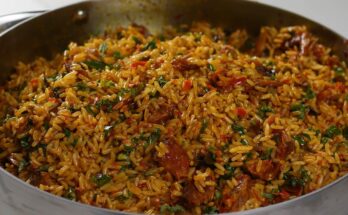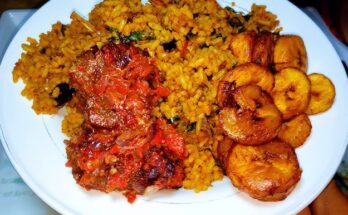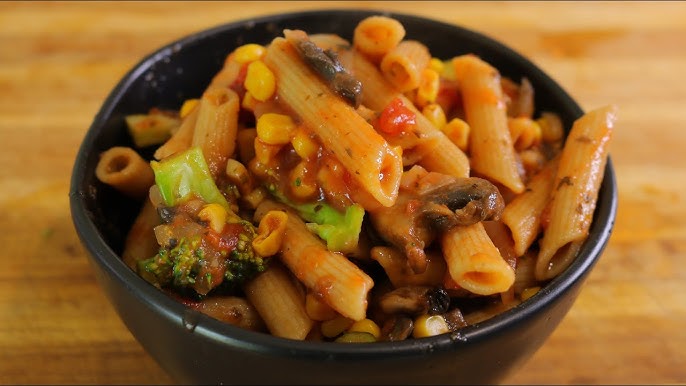
Brown Color Pasta Recipe: Ever thought pasta could be both delicious and healthy at the same time? Welcome to the world of brown color pasta! Whether you’re aiming for more fiber in your diet, looking to cut down on refined carbs, or just trying something new and flavorful, brown pasta is your new best friend. It’s a wholesome alternative to regular pasta and brings a subtle nutty flavor and dense texture that takes your dish to the next level.
Brown pasta isn’t just “pasta with color”—it’s a reflection of mindful eating. It’s earthy, rustic, and pairs beautifully with rich, hearty sauces. The process of making it from scratch might sound intimidating, but don’t worry! With this step-by-step guide, you’ll master the brown pasta recipe like a pro—whether you’re a beginner in the kitchen or a weekend culinary warrior.
In this guide, we’ll walk you through every single step, from kneading the dough to combining it with the most delicious brown sauce. Trust me, by the end, you’ll want to ditch store-bought pasta forever. Ready to roll?
List of Ingredients You’ll Need
Making brown color pasta from scratch requires only a few ingredients, most of which you likely already have in your kitchen. What matters is the quality and balance. Here’s everything you’ll need:
Main Ingredients for Brown Pasta Dough
- Whole Wheat Flour (2 cups): This is the star ingredient. It gives the pasta its signature brown color and nutty taste.
- All-Purpose Flour (1/2 cup): Optional, but helps lighten the texture a bit.
- Eggs (2 large): Helps bind the dough and adds richness.
- Olive Oil (1 tbsp): For elasticity and smoothness.
- Salt (1 tsp): Flavor booster.
- Water (as needed): Adjust as you knead to get the right dough consistency.
Ingredients for the Sauce (Rich Brown Sauce)
- Olive Oil (2 tbsp)
- Garlic (3-4 cloves, minced)
- Onion (1 small, finely chopped)
- Tomato Paste (2 tbsp)
- Soy Sauce (2 tbsp): Adds depth and umami.
- Brown Sugar or Honey (1 tsp): Balances acidity.
- Vegetable or Chicken Broth (1/2 cup)
- Black Pepper (to taste)
- Chili Flakes (optional)
Optional Add-ons and Toppings
- Grilled Mushrooms
- Roasted Bell Peppers
- Parmesan Cheese or Vegan Cheese
- Fresh Basil or Parsley
- Toasted Pine Nuts or Walnuts
You can customize the ingredients based on your taste or diet. Going vegan? Skip the eggs and add a flaxseed egg or water. Want gluten-free? Substitute with brown rice flour and xanthan gum. Flexibility is key!
Essential Tools and Equipment
Let’s talk kitchen tools. You don’t need fancy machines to make great pasta, but a few essentials will make your life easier:
- Mixing Bowl: For combining ingredients.
- Rolling Pin or Pasta Machine: To roll out your dough evenly.
- Sharp Knife or Pasta Cutter: For cutting into desired shapes.
- Measuring Cups and Spoons: For accuracy.
- Large Pot: For boiling your pasta.
- Colander: To drain cooked pasta.
- Non-stick Pan: For making and mixing the sauce.
Pro Tip: If you have a stand mixer with a dough hook or a pasta roller attachment, that’s a bonus. But if not, your hands and a good rolling pin work just fine!
Understanding Brown Pasta
Before we dive into cooking, it helps to understand what sets brown pasta apart.
What is Brown Pasta?
Brown pasta is usually made using whole wheat flour, which retains the bran and germ of the wheat grain. That’s why it’s darker in color and heavier in texture compared to the regular, refined white pasta.
Whole Wheat vs Regular Pasta
| Feature | Brown (Whole Wheat) Pasta | Regular White Pasta |
|---|---|---|
| Fiber | High | Low |
| Texture | Firm & Nutty | Soft & Mild |
| Color | Brown or Tan | Pale Yellow |
| Nutrients | More vitamins, minerals | Fewer nutrients |
| Digestibility | Slower digestion, fuller longer | Quick digesting |
The main takeaway? Brown pasta = better nutrition and longer-lasting satisfaction. Win-win!
Benefits of Brown Pasta
So why should you switch to brown pasta? Let’s break it down:
- Higher Fiber Content: Whole grains are naturally rich in dietary fiber. That means better digestion and feeling full longer.
- More Nutrients: Brown pasta retains more vitamins like B1, B3, and iron.
- Lower Glycemic Index: Slower sugar absorption = better blood sugar control.
- Better for Weight Management: You eat less because you feel satisfied sooner.
Not only is it better for your body, but the nutty taste and firm texture also make it a gourmet experience. If you’ve only had white pasta before, brown pasta is like discovering a whole new level of flavor!
How to Make Brown Pasta from Scratch
Making your own pasta may seem like a chef-only task, but it’s actually super doable—and surprisingly fun! Brown pasta starts with a simple, hearty dough that’s easy to handle and full of flavor.
Step 1: Preparing the Dough
Start by combining your dry ingredients in a large mixing bowl: whole wheat flour, a touch of all-purpose flour if you’re using it, and salt. Make a well in the center and crack in the eggs. Add the olive oil and begin mixing with a fork, slowly incorporating the flour from the edges.
Once the mixture begins to form a shaggy dough, use your hands to bring it together. If it’s too dry, add a tablespoon of water at a time. If it’s too wet or sticky, sprinkle in a little more flour. The goal? A firm yet pliable dough that holds its shape without cracking.
Step 2: Kneading and Resting
Turn the dough out onto a clean surface and knead it for at least 8–10 minutes. This step is crucial—it activates the gluten, giving your pasta strength and elasticity. Your arms might get a little workout here, but it’s worth it.
You’ll know the dough is ready when it’s smooth and bounces back slightly when pressed. Wrap it in cling wrap and let it rest for 30–45 minutes at room temperature. This allows the gluten to relax, making the dough easier to roll.
Step 3: Rolling and Shaping the Pasta
Once rested, divide the dough into manageable pieces. Lightly flour your surface and roll each piece into thin sheets using a rolling pin or pasta machine. Aim for about 1–2 mm in thickness.
Now for the fun part—cutting! You can go for classic fettuccine, tagliatelle, or even hand-cut rustic shapes like pappardelle. Dust the cut pasta with flour and set aside on a tray, ensuring the strands don’t stick together.
Cooking the Pasta Perfectly
Homemade pasta cooks much faster than store-bought, so keep an eye on it!
How Long to Boil Brown Pasta?
Bring a large pot of salted water to a rolling boil. Add your fresh brown pasta and cook for 3–5 minutes. If you’re using dried store-bought whole wheat pasta, it’ll take closer to 8–10 minutes.
Test it by tasting—you’re aiming for “al dente,” meaning it should be cooked but still have a slight bite in the center.
Tips to Avoid Overcooking
- Stir gently right after adding the pasta to avoid clumping.
- Don’t overcrowd the pot; cook in batches if needed.
- Taste early and often after the 3-minute mark (for fresh pasta).
- Drain immediately once done and toss with a bit of olive oil if not using sauce right away.
Making the Brown Sauce
Let’s talk about the flavor bomb that brings this dish together: the rich, savory brown sauce. This sauce balances savory, sweet, and umami notes that cling beautifully to brown pasta.
Step 1: Sautéing the Base
In a large non-stick pan, heat olive oil over medium heat. Add chopped onions and sauté until they’re golden and slightly caramelized—this builds the base flavor. Toss in the minced garlic and stir for another minute until fragrant.
Step 2: Adding Spices and Thickening
Stir in tomato paste, soy sauce, and brown sugar or honey. The soy sauce deepens the color and adds a punch of umami, while the sweetener balances acidity. Cook this mixture for 2–3 minutes to reduce and intensify the flavor.
Add in the broth gradually while stirring. This thins out the sauce while keeping it rich. Let it simmer on low heat for 5–7 minutes until it thickens slightly.
Step 3: Simmering to Perfection
Once the sauce thickens to your desired consistency, season with black pepper, chili flakes (optional), and a pinch of salt. Simmer for another 2–3 minutes and you’re done.
This sauce should coat the back of a spoon, not run like soup. If it’s too thick, add a splash more broth. Too thin? Let it reduce for a few more minutes.
Combining Pasta and Sauce
Time to bring everything together!
Drain your cooked pasta (reserve a bit of pasta water—it’s liquid gold!). Toss the pasta directly into your simmering brown sauce and gently mix to coat each strand evenly.
Mixing for the Perfect Flavor
Add a tablespoon or two of reserved pasta water if the mixture feels dry. This helps loosen the sauce and adds a silky texture thanks to the starches.
Gently stir and toss the pasta until everything is perfectly combined and heated through. Let it sit for a minute or two off the heat—this allows the pasta to absorb the sauce flavor even more.
Optional Add-ons for Extra Flavor
Want to take your brown pasta to gourmet levels? Add some of these for an extra burst of taste and texture:
Veggies:
- Sautéed mushrooms
- Spinach or kale
- Roasted zucchini or eggplant
Proteins:
- Grilled chicken
- Sauteed shrimp
- Chickpeas or tofu (vegan option)
Cheese & Toppings:
- Shaved parmesan
- Vegan cheese
- Chopped fresh herbs like parsley or basil
- Toasted nuts like pine nuts or walnuts
These additions not only add color and flavor but also boost nutrition. Get creative and make the dish your own!
Serving Suggestions
Presentation matters! Here are some ideas to turn your brown pasta into a plate-worthy meal.
- Serve in a wide, shallow bowl so the sauce doesn’t pool at the bottom.
- Garnish with fresh herbs and a drizzle of olive oil.
- Add a lemon wedge or a sprinkle of chili flakes for a finishing touch.
Side Dish Pairings:
- Garlic bread or focaccia
- Side salad with balsamic vinaigrette
- Grilled veggies or steamed broccoli
This isn’t just dinner—it’s a whole vibe.
Storage and Leftover Tips
Cooked too much pasta (happens to all of us)? Don’t worry. Brown pasta stores beautifully.
How to Store:
- Let the pasta cool completely.
- Store in an airtight container in the fridge for up to 4 days.
Reheating Tips:
- Reheat in a pan over medium heat with a splash of water or broth.
- Microwave in short intervals, stirring in between to avoid drying it out.
Want to freeze it? You can! Freeze the pasta (with or without sauce) in freezer-safe containers. When ready, thaw overnight and reheat gently.
Gluten-Free or Vegan Alternatives
No one should miss out on brown pasta! Here’s how to tweak it:
Gluten-Free:
- Use brown rice flour, almond flour, or gluten-free all-purpose blends.
- Add a binding agent like xanthan gum or psyllium husk.
Vegan:
- Skip eggs and use flaxseed egg (1 tbsp ground flaxseed + 2.5 tbsp water = 1 egg).
- Double olive oil to help with texture.
The sauce is already vegan-friendly, so no worries there!
Troubleshooting Common Issues
Dough Too Dry?
- Add water, a tablespoon at a time.
- Knead thoroughly to distribute moisture evenly.
Dough Too Sticky?
- Sprinkle in more whole wheat flour.
- Knead on a floured surface.
Sauce Too Thick?
- Add a splash of broth or pasta water.
Sauce Too Runny?
- Let it simmer uncovered a little longer.
Don’t stress—pasta is forgiving! You’ll get the hang of it with a little practice.
FAQs about Brown Color Pasta Recipe
1. Can I use store-bought whole wheat pasta instead of making it from scratch?
Yes! Store-bought whole wheat pasta is a great time-saver. Just follow the same steps for boiling and toss it in the brown sauce.
2. What’s the best flour for brown pasta?
Whole wheat flour is ideal. For a lighter texture, you can mix it with a little all-purpose flour or semolina.
3. Is brown pasta healthier than white pasta?
Absolutely. It has more fiber, vitamins, and minerals and keeps you fuller longer.
4. How long does brown pasta last in the fridge?
Cooked brown pasta lasts up to 4 days in an airtight container in the fridge.
5. Can I freeze brown pasta?
Yes, both cooked and uncooked brown pasta can be frozen for up to 2 months. Thaw overnight before reheating or boiling.
Final Thoughts
Brown color pasta isn’t just a healthier alternative—it’s a bold, flavorful twist on a classic favorite. With its earthy taste and hearty texture, it pairs beautifully with a rich, savory brown sauce. Whether you’re cooking for a cozy dinner or a special gathering, this dish delivers every time.
The best part? You’re in control. You can customize the pasta shape, the sauce intensity, and the toppings to your liking. Making it from scratch may take a little effort, but trust me—it’s totally worth it.
Try it once, and you might just find yourself choosing brown pasta over traditional every time. Happy cooking!