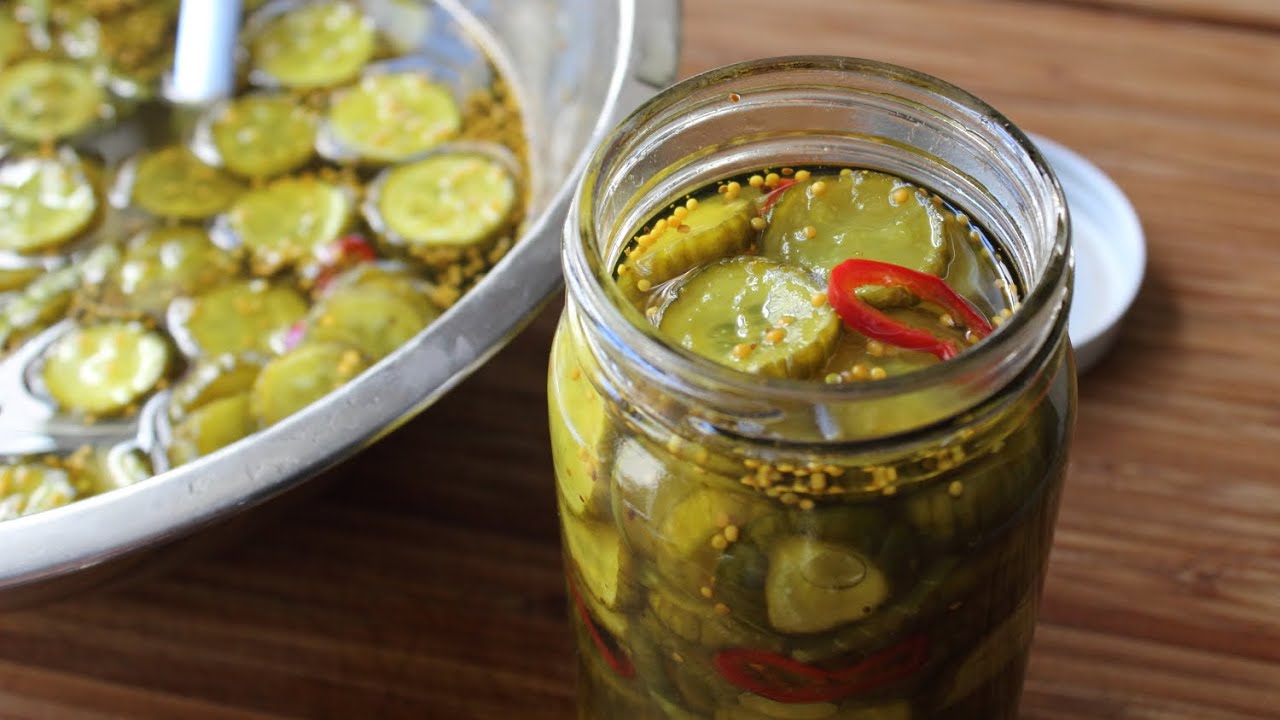
Bread & Butter Pickle Recipe: Bread & Butter pickles are more than just a sweet-and-tangy addition to your sandwich—they’re a nostalgic staple that turns ordinary meals into something unforgettable. These golden, crinkle-cut cucumber slices are soaked in a sweet, vinegary brine and spiced just right. Whether you’re enjoying them on a burger or munching them straight out of the jar, these pickles deliver a punch of flavor that’s hard to resist.
But where did the quirky name “Bread & Butter” come from? Contrary to what it sounds like, there’s no bread or butter involved in the recipe! The story goes back to the Great Depression, when people used these sweet pickles in simple sandwiches of—you guessed it—bread and butter. It was an affordable, tasty meal when times were tough. Since then, the name stuck and these pickles have become a beloved classic.
Making Bread & Butter pickles at home is not only satisfying, but it’s also surprisingly easy. You control the sweetness, the crunch, the spice—everything. And once you taste your own homemade version, store-bought will never be good enough again. Let’s walk through everything you need to know to master this delicious recipe.
Why You’ll Love This Recipe
There’s something magical about the balance of sweet and tangy in Bread & Butter pickles. They’re not too sour like dill pickles, and not too sugary either—they strike the perfect harmony. Here’s why you’re going to love making this recipe:
- Flavor Explosion: The combo of apple cider vinegar, sugar, mustard seeds, and onions makes for an unforgettable taste.
- Crunch Factor: Homemade pickles stay crisp when made with care, especially if you follow the brining steps right.
- Beginner-Friendly: You don’t need fancy tools or complicated skills. Even if you’ve never canned anything before, you’ll be fine.
- Customizable: Love garlic? Want some heat? You can tweak the flavor to match your preferences.
- Great Gift Idea: A jar of these pickles makes a thoughtful homemade gift that people actually want.
Whether you’re looking to preserve your summer cucumber haul or just want a fun weekend kitchen project, this recipe has you covered.
Ingredients You’ll Need
Before diving into the process, let’s take a look at what you’ll need to gather. Don’t worry—most of these are pantry staples.
Core Ingredients
- 4 cups cucumbers, thinly sliced (preferably pickling cucumbers or Kirby)
- 1 medium yellow onion, thinly sliced
- 1 tablespoon kosher salt
- 2 cups white sugar
- 1 cup apple cider vinegar
- 1 cup white vinegar
- 1 tablespoon mustard seeds
- 1 teaspoon celery seeds
- ½ teaspoon ground turmeric
- ½ teaspoon ground ginger (optional)
Optional Add-Ins for Extra Flavor
- 2 garlic cloves, sliced (for a punch of flavor)
- Chili flakes or sliced jalapeño, if you like it spicy
- Whole cloves, for a warm spiced kick
Equipment Checklist
- Large mixing bowl
- Sharp knife or mandoline
- Colander
- Large pot
- Canning jars with lids (pint-size or quart-size)
- Ladle
- Jar funnel (optional but helpful)
- Tongs
Having your ingredients and tools prepped and ready makes the process smooth and stress-free.
Choosing the Right Cucumbers
Not all cucumbers are created equal—especially when it comes to pickling. You don’t want watery, mushy pickles, right? That’s why it’s crucial to pick the right type.
Best Cucumber Types for Pickling
Go for pickling cucumbers, also known as Kirby cucumbers. These are short, bumpy, and have a firm texture, which makes them perfect for staying crisp during the pickling process. Avoid the large, waxy cucumbers you find in the regular grocery store—they’re coated and too watery.
How to Prepare Cucumbers for Pickling
- Wash cucumbers thoroughly to remove any dirt.
- Slice off the blossom ends—this part has enzymes that can soften your pickles.
- Use a sharp knife or mandoline for even slices. Consistent thickness ensures even pickling.
- You can choose thin rounds or sandwich-style lengthwise cuts—it’s up to you!
Crisp cucumbers = crunchy pickles. And that’s what we’re here for.
Prepping the Veggies
This step might seem basic, but prepping your vegetables properly can be the difference between average and awesome pickles. It’s not just about slicing and tossing into jars—there’s a method to the madness that ensures great texture and flavor.
Slicing Tips
Start by washing your cucumbers and onions thoroughly. Then, use a sharp knife or a mandoline to slice them evenly. You want slices that are about 1/8 to 1/4 inch thick. Thinner slices absorb the brine faster, which is perfect for quick pickles, while slightly thicker ones stay crunchier for longer.
As for the onions, slice them into thin rings or half-moons. Yellow onions work best because they have a mild, sweet flavor that complements the brine.
Why Salting Is Important
Now comes the part that really boosts the crunch—salting. After slicing, toss the cucumbers and onions in a large bowl with the kosher salt. This step draws out excess moisture, which helps preserve the texture.
Let the salted mixture sit for at least 1 to 2 hours, preferably in a colander placed over a bowl to drain the liquid. Some people even refrigerate it overnight for extra crunchiness. Afterward, rinse them under cold water to remove excess salt, and then pat dry with paper towels or a clean kitchen towel.
This pre-brining step ensures your pickles don’t end up soggy, and the brine flavors them more effectively.
Brine Basics
Let’s talk about what makes the brine the soul of the pickle. It’s the liquid gold that transforms plain cucumbers into tangy, sweet, mouthwatering pickles. And guess what? Making it is a total breeze.
What Makes the Pickle Brine Work?
A great brine has a balance of vinegar, sugar, and spices. The vinegar gives your pickles that tart zing, the sugar rounds it out with sweetness, and the spices add depth and character. Bread & Butter pickles lean sweeter than dill pickles, so don’t be surprised by the amount of sugar—it’s what gives them their signature taste.
Ingredient Breakdown for the Perfect Brine
Here’s a quick breakdown of what’s happening in your pot:
- Apple Cider Vinegar & White Vinegar: A mix of both brings out a smooth yet sharp flavor.
- White Sugar: Adds the sweet side of the sweet-and-sour profile.
- Mustard Seeds & Celery Seeds: Offer warm, earthy notes.
- Turmeric: Gives your pickles that beautiful yellow hue.
- (Optional) Ginger or Garlic: For an aromatic kick.
Combine all these in a saucepan over medium heat. Stir until the sugar fully dissolves, then bring the mixture to a light simmer—not a boil—and turn off the heat. This allows the flavors to meld without burning off the vinegar.
Now your brine is ready to work its magic!
Sterilizing Jars the Right Way
Cleanliness is everything in pickling. Whether you’re storing your pickles for weeks or months, you need to make sure the jars are properly sterilized to prevent any unwanted bacteria from creeping in.
How to Clean and Sterilize Jars
Here’s the quick and easy method:
- Wash your jars and lids with hot, soapy water.
- Rinse thoroughly and inspect for cracks or nicks.
- Place jars (upright) on a rack in a large pot or water bath canner.
- Fill the pot with water so jars are covered by at least 1 inch.
- Bring to a boil and let them boil for 10 minutes.
- Keep jars hot until ready to fill.
Pro Tip: You can also run jars through your dishwasher on the sanitize cycle if you’re not planning to water-bath can them later. Just be sure they’re hot when you add the brine to avoid cracking.
Safety Tips for Home Canning
- Always use new lids for canning (rings can be reused).
- Wipe the rims clean before sealing to ensure a proper seal.
- Don’t reuse store-bought jars like pasta sauce containers—they’re not built for canning pressure or heat.
Taking a few extra minutes to sterilize everything ensures your pickles stay safe, crisp, and tasty.
Step-by-Step Pickling Process
Here’s where the fun begins! Now that your ingredients are prepped and your brine is hot, it’s time to bring everything together and start building your jars.
Preparing the Pickling Liquid
With your brine already heated, keep it warm on the stove while you begin packing your jars. If it cools too much, warm it back up to a light simmer before pouring it into jars.
Layering Ingredients in Jars
Grab your sterilized jars (careful—they’ll be hot!). Using a jar funnel or just a steady hand, start layering in your cucumber and onion slices. You want to pack them tightly, but not too tight—leave a little space for the brine to flow through.
If you’re using garlic or chili flakes, tuck those in between layers. This gives a nice infusion of flavor throughout the jar.
Pouring and Sealing
Using a ladle, carefully pour the hot brine over the cucumbers until they’re fully submerged, leaving about ½ inch of headspace at the top of each jar.
Wipe the rim of the jar clean with a damp towel to ensure a proper seal, then place the lid on and screw on the ring until it’s fingertip-tight.
That’s it! You’ve officially made Bread & Butter pickles. If you want to store them long-term, you’ll want to follow the water bath canning method below. Otherwise, skip ahead for the fridge-friendly version.
Water Bath Canning Method (Optional but Recommended)
If you’re planning to store your Bread & Butter pickles for several months—or even a year—water bath canning is the way to go. It’s a simple method that ensures your pickles are shelf-stable and safe to eat for the long haul.
Step-by-Step Water Bath Instructions
- Prepare the Canner: Fill a large water bath canner (or deep stockpot) with water and place a canning rack at the bottom. The water should cover your jars by at least 1 inch.
- Heat It Up: Begin heating the water to a gentle boil as you finish filling and sealing your pickle jars.
- Place the Jars in the Canner: Carefully lower the filled, sealed jars into the hot water using jar tongs. Make sure they’re not touching each other or the sides of the pot.
- Process the Jars:
- Process pint jars for 10 minutes in boiling water.
- If you’re above 1,000 feet in elevation, add 5 extra minutes.
- Cool Down:
- After processing, use the tongs to remove the jars carefully and place them on a towel-lined counter.
- Let them cool undisturbed for 12–24 hours.
- Check the Seals: Press the center of each lid. If it doesn’t pop back, you have a good seal. If it does, store that jar in the fridge and use it within a few weeks.
Shelf Life of Properly Canned Pickles
Canned Bread & Butter pickles last for up to 1 year in a cool, dark place. Once opened, store in the fridge and eat within 1–2 months for best flavor and texture.
The water bath process may seem a little extra, but it’s well worth it if you want to enjoy summer pickles in the dead of winter!
Quick Refrigerator Pickle Version
Short on time or don’t want to deal with canning? No problem! You can make refrigerator pickles with the exact same recipe—no fancy equipment needed.
How to Skip the Canning Process
Once you’ve poured the hot brine over your cucumber and onion slices in the jars:
- Let the jars cool at room temperature.
- Once they’ve cooled down, seal tightly with lids.
- Pop them into the refrigerator.
That’s it—easy peasy! These pickles won’t be shelf-stable, but they’ll still be full of flavor.
How Long They Last in the Fridge
Refrigerator pickles need about 24–48 hours for the flavor to develop. The longer they sit, the better they taste.
Stored properly in the fridge, they’ll stay crisp and delicious for up to 2 months. Just make sure the pickles are always submerged in brine to prevent spoilage.
This method is perfect for beginners, small batches, or anyone who just wants pickles… now.
How to Store Bread & Butter Pickles
Storage is key when it comes to preserving that perfect pickle flavor and crunch. Whether you’ve gone the canning route or chosen the fridge version, here’s how to do it right.
Best Storage Methods
- Canned Jars: Store in a cool, dark pantry or cupboard—avoid direct sunlight and fluctuating temperatures.
- Refrigerator Pickles: Keep in the back of the fridge where the temperature is most stable.
Always use clean utensils when removing pickles from the jar to prevent bacteria from getting in.
Signs of Spoilage to Watch For
Pickles are pretty hardy, but you should still keep an eye out for:
- Mold or fuzz on the surface
- A sour or “off” smell
- Cloudy brine (unless you added spices that naturally cloud it)
- Mushy or slimy texture
When in doubt, toss it out! Your safety is always more important than saving a jar.
Serving Suggestions
You’ve got your beautiful, golden pickles—now how do you enjoy them? Bread & Butter pickles are more versatile than you might think.
Sandwiches, Burgers, and More
- Classic Sandwiches: Ham and cheese, turkey, or grilled cheese—these pickles are the perfect sweet-tangy counterpoint.
- Burgers: Add them to cheeseburgers, sliders, or even veggie burgers.
- Pulled Pork or BBQ: The sweet flavor pairs incredibly well with smoky, savory meats.
Creative Ways to Use Bread & Butter Pickles
- Chop them up for tuna or chicken salad—adds crunch and zest.
- Dice into potato salad or coleslaw for extra pop.
- Add to a cheese board or charcuterie platter.
- Eat them straight out of the jar—we won’t judge!
Honestly, once you make your own, you’ll find excuses to eat them with everything.
Troubleshooting Tips
Even seasoned picklers run into issues now and then. Don’t stress! Here are some common problems and how to solve them.
Common Pickling Mistakes
Pickles turned soft?
- Your cucumbers may have been too watery, or you didn’t salt them long enough.
- Always cut off the blossom end—it contains enzymes that cause softening.
Brine is cloudy?
- Natural spices like mustard or turmeric can cause cloudiness.
- If you didn’t rinse the cucumbers well after salting, that can do it too.
Lids didn’t seal?
- Could be due to a dirty rim or not enough headspace.
- Store the unsealed jar in the fridge and use it first.
How to Fix Cloudy Brine or Soft Pickles
Once a pickle goes soft, there’s no bringing the crunch back—but you can still use them chopped in salads or relishes.
If the brine is cloudy but smells fine and there’s no mold, it’s usually safe to eat. But always trust your nose and gut—literally!
Customize Your Pickles
One of the best parts of making Bread & Butter pickles at home? You’re in full control of the flavor. Want to make them spicier? More garlicky? Crunchier? Go for it. Here’s how to make this recipe your own.
Adding Spice or Heat
If you like a little kick in your pickles, there are plenty of ways to spice things up:
- Red pepper flakes – Add ½ to 1 teaspoon to each jar for mild heat.
- Sliced fresh jalapeños or serrano peppers – Layer them in with the cucumbers.
- Hot sauce – A dash of your favorite brand can enhance the brine.
- Horseradish root – Adds an earthy burn that pairs well with sweet pickles.
Always taste test small batches before going full-on spicy with your entire recipe.
Experimenting with Different Vegetables
Who says you have to stop at cucumbers? This brine works beautifully with a variety of veggies. Try adding or substituting:
- Carrot coins
- Cauliflower florets
- Green beans
- Sweet bell peppers
- Zucchini or yellow squash
These pickled veggie medleys are great for salads, snacking, and cheese boards. Just remember that denser vegetables may need a slightly longer brine time to soak up the flavor fully.
Mix and match to create your own signature pickle jar. Once you start experimenting, you may never stop!
FAQs about Bread & Butter Pickle Recipe
1. Can I reuse pickle brine for another batch?
Technically, yes—but it’s not recommended. Once you’ve used brine to pickle vegetables, it loses potency and can become contaminated. For food safety and full flavor, make a fresh brine each time.
2. How long before the pickles are ready to eat?
For refrigerator pickles, give them 24–48 hours to soak up the brine. For canned pickles, wait at least 1–2 weeks to let the flavors develop fully. Trust us—it’s worth the wait!
3. What’s the difference between Bread & Butter pickles and sweet pickles?
Bread & Butter pickles are a type of sweet pickle, but they’re known for their balance of sweet, tangy, and spiced flavors—usually featuring onions, mustard seeds, and turmeric. Regular sweet pickles are often just sugary with less complexity.
4. Can I freeze pickles?
Freezing is not ideal for pickles—it softens them and ruins the crunch. Stick to canning or refrigeration for the best texture and flavor.
5. Are these pickles gluten-free?
Yes! All the ingredients listed in this recipe are naturally gluten-free. Just double-check any spice blends or vinegars if you’re buying pre-packaged to ensure no additives.
Conclusion
Making homemade Bread & Butter pickles isn’t just about preserving cucumbers—it’s about bottling up a little bit of comfort, tradition, and flavor in every jar. Whether you’re stacking them on burgers, stirring them into salads, or enjoying them straight from the fridge, these pickles bring a sweet tangy crunch that’s hard to resist.
With just a handful of ingredients and a little bit of time, you can create something far better than anything store-bought. Plus, it’s a fun, satisfying project that pays off for weeks—or even months—afterward.
So go ahead. Grab some cucumbers, fire up the stove, and start your own pickle tradition. Your sandwiches (and your taste buds) will thank you!