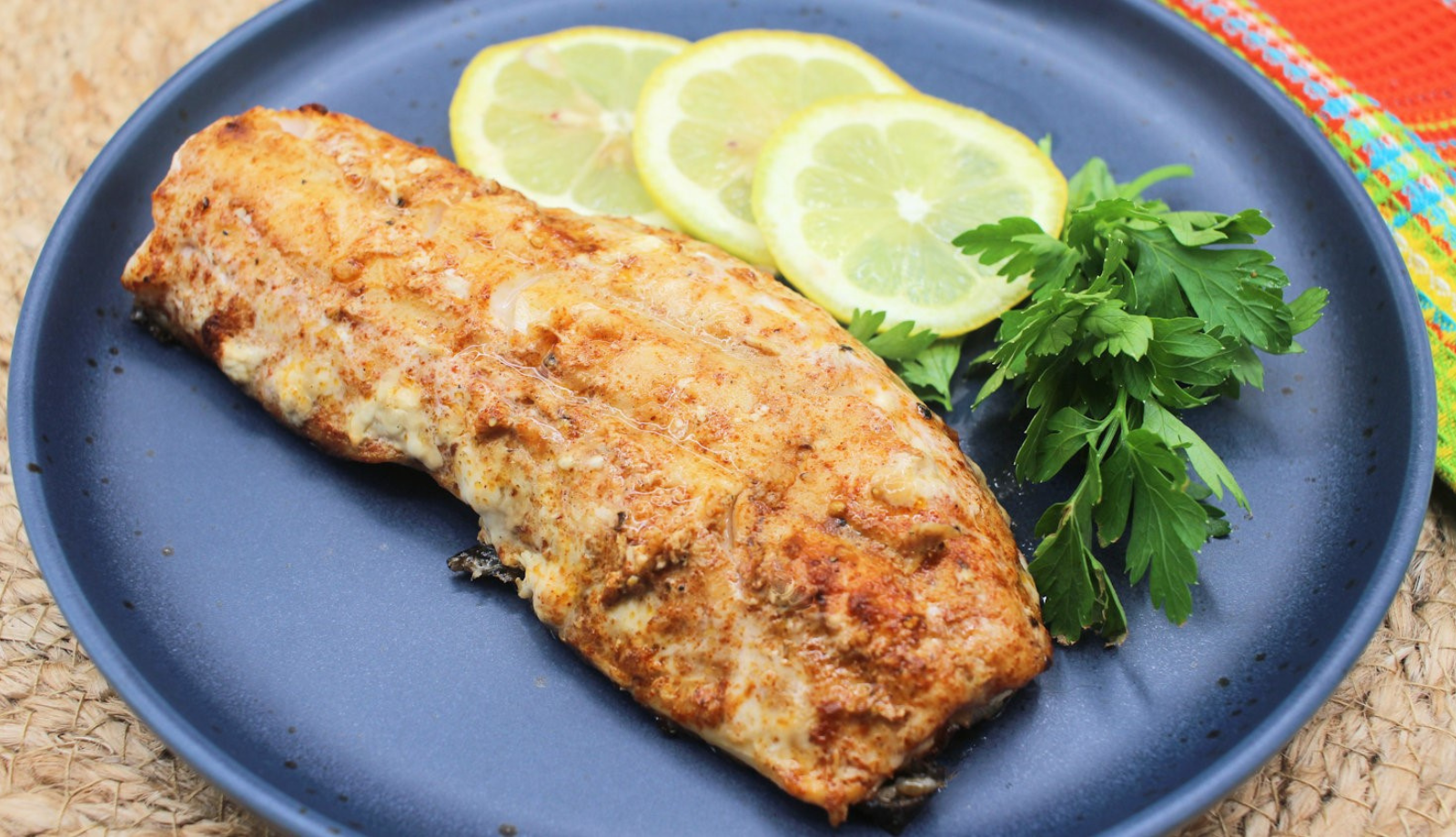
Black Sea Bass Recipe: Looking to impress your guests or simply treat yourself to a gourmet seafood dinner at home? A well-prepared Black Sea Bass is the perfect dish—delicate, flaky, and bursting with flavor. Whether you’re a seafood newbie or a seasoned home chef, this guide will walk you through everything you need to know, from selecting the freshest fish to plating it like a professional.
You’ll learn not only how to cook Black Sea Bass but how to make it restaurant-quality in your own kitchen. So, grab your apron, roll up your sleeves, and let’s dive into this step-by-step cooking journey together.
List of Ingredients You’ll Need
Cooking Black Sea Bass starts with the right ingredients. While the star of the show is obviously the fish, it’s the supporting cast—herbs, oils, citrus, and spices—that brings everything to life. Here’s a list of what you’ll need for a simple yet flavorful Black Sea Bass dish:
Main Ingredient:
- 1 whole Black Sea Bass (1.5 to 2 lbs), cleaned and scaled
or - 2 fillets of Black Sea Bass (skin-on preferred)
For Seasoning:
- 1 tsp kosher salt (adjust to taste)
- ½ tsp freshly ground black pepper
- 2 cloves garlic, minced
- 1 tsp paprika (smoked or sweet)
Herbs & Citrus:
- 1 lemon (sliced + zest)
- Fresh thyme or rosemary sprigs
- 2 tbsp fresh parsley (chopped for garnish)
For Cooking:
- 2 tbsp olive oil (or avocado oil)
- 1 tbsp unsalted butter (optional for basting or richness)
- Aluminum foil or parchment paper (if baking)
Optional Additions:
- Cherry tomatoes
- Sliced bell peppers or zucchini
- Capers or olives for Mediterranean twist
- White wine (for steaming or basting)
You don’t need to use all the optional ingredients, but they can elevate your dish if you’re going for a fancier presentation or bold flavor. Now that your ingredients are ready, let’s get prepping.
Choosing the Right Black Sea Bass
Not all sea bass are created equal. Choosing the right one makes a massive difference in flavor, texture, and overall outcome of the dish. When buying Black Sea Bass, freshness is king.
Here’s what to look for when buying whole Black Sea Bass:
- Bright, clear eyes: Cloudy eyes are a red flag.
- Firm flesh: Press it gently—if it springs back, it’s fresh.
- No strong fishy odor: Fresh sea bass should smell like the ocean, not ammonia.
- Glossy skin and red gills: These are signs of a just-caught fish.
Fillets? Choose skin-on if possible.
Skin helps keep the fish moist during cooking and crisps up beautifully when pan-seared. Plus, it adds an elegant, restaurant-worthy touch when served.
Wild-caught vs. farm-raised?
Go for wild-caught when you can. It typically has a cleaner flavor and is more sustainable, especially when sourced responsibly.
Preparing Your Ingredients
Prep work might seem like the boring part—but trust me, it makes all the difference. If you’re working with a whole fish, you might want your fishmonger to scale, gut, and clean it ahead of time. If not, you’ll need a good knife and a little patience.
Cleaning the Fish:
- Rinse the fish thoroughly under cold water.
- Use the back of a knife to remove any remaining scales (scrape from tail to head).
- Pat the fish dry—this helps achieve crispy skin later.
Prepping Herbs and Spices:
- Mince your garlic and chop your parsley ahead of time.
- Slice lemons thinly—you’ll use them both inside the fish cavity (if using whole fish) and on top for garnish.
Pro Tip: Dry it like you mean it.
Water is the enemy of crispiness. Use paper towels to pat the fish completely dry inside and out.
Tools You’ll Need for Cooking
You don’t need a fully equipped commercial kitchen to cook a great Black Sea Bass dish, but having the right tools can definitely make the job smoother and the results more impressive.
Essential Kitchen Tools:
- Sharp Chef’s Knife: For trimming and prepping the fish and vegetables.
- Cutting Board: Preferably one for raw fish to avoid cross-contamination.
- Fish Spatula: Thinner and more flexible than a standard spatula—perfect for flipping fillets without breaking them.
- Cast Iron Skillet or Non-stick Pan: Ideal for pan-searing and finishing in the oven.
- Baking Sheet or Ovenproof Dish: If you’re roasting the fish instead.
- Tongs or Silicone Brush: For handling the fish or basting with butter/oil.
- Instant-Read Thermometer: Optional, but super helpful to avoid overcooking.
- Aluminum Foil or Parchment Paper: To line trays or wrap the fish for steaming or baking.
Nice-to-Haves:
- Zester or Microplane: To get fine lemon zest that brings brightness to your dish.
- Grill Grate or Grill Pan: If you’re cooking outdoors or want grill marks indoors.
- Kitchen Twine: For keeping whole fish stuffed and intact during cooking.
When your tools are ready, it makes cooking feel effortless. Now let’s dive into the main part—actually cooking your delicious Black Sea Bass.
Cooking Methods for Black Sea Bass
One of the best things about Black Sea Bass is how versatile it is. You can bake it, pan-sear it, grill it, or even steam it. Each method brings out a unique flavor and texture. Let’s break them down:
Baking (Great for Beginners):
Baking is a no-fuss method, especially if you’re using a whole fish or want to include vegetables on the tray.
- How to do it:
Preheat your oven to 400°F (200°C). Line a baking tray with parchment or foil. Place your fish on the tray, season generously, stuff with herbs and lemon slices, and drizzle with olive oil. Bake for 18–20 minutes (for a 1.5–2 lb fish). - Pro: Even cooking, low effort.
- Con: Less crispy skin unless finished under a broiler.
Pan-Searing (Crispy Skin Lovers Unite):
If you’ve got fillets with the skin on, this method is gold.
- How to do it:
Heat oil in a cast iron skillet until shimmering. Pat the fillets very dry. Season and place them skin-side down. Don’t move them! Let them sear for 3–4 minutes, flip, and cook for another 2–3 minutes. - Pro: Super crispy skin and moist, flaky interior.
- Con: Needs attention and temperature control.
Grilling (Smoky & Summery):
Grilling gives you unbeatable flavor, especially for whole fish.
- How to do it:
Preheat grill to medium-high. Oil the grates well. Place seasoned fish directly on the grill or in a fish basket. Cook each side for 6–8 minutes (whole fish) or 3–4 minutes (fillets). - Pro: Smoky flavor, great for summer cookouts.
- Con: Requires care to avoid sticking or tearing.
Choose the method that works for your setup and comfort level—or try them all at different times!
Step-by-Step Guide to Cooking Black Sea Bass
Alright, here comes the heart of this recipe—a full step-by-step guide that walks you through every part of cooking Black Sea Bass.
Step 1: Preheat and Prep Your Kitchen
Start by choosing your cooking method and preheating accordingly. Preheat the oven to 200°C (400°F) if baking, heat the grill to medium-high, or warm a skillet over medium heat for pan-searing. Gather your seasonings, oil, and tools so everything is within reach.
Step 2: Clean and Season the Fish
Rinse the black sea bass under cold water and pat it completely dry with paper towels. Dry skin helps achieve a better sear or crisp finish. Season both sides with salt, black pepper, and optional garlic powder or paprika. Finish with a light drizzle of olive oil and a squeeze of lemon.
Step 3: Choose Your Cooking Method
- Bake: Place the fish on a lined baking tray and bake until opaque and flaky.
- Grill: Lightly oil the grates and grill the fish skin-side down first.
- Pan-sear: Add oil to a hot skillet and cook the fish skin-side down for a crispy finish.
Step 4: Time and Temperature Details
Bake for 12–15 minutes at 200°C (400°F). Grill for 4–5 minutes per side. Pan-sear for 3–4 minutes per side, depending on thickness. The fish is done when it flakes easily and reaches an internal temperature of about 63°C (145°F).
Step 5: Resting the Fish Before Serving
Remove the fish from heat and let it rest for 2–3 minutes. This allows juices to redistribute, keeping the fish moist and tender. Serve with fresh herbs, lemon wedges, or a light sauce.
Tips for Crispy Skin
Who doesn’t love that crispy, golden skin that shatters when you bite into it? Here are a few game-changing tips to make that happen:
- Dry the skin completely: This cannot be emphasized enough. Use paper towels before cooking.
- Use high smoke-point oils: Olive oil is good, but avocado oil or grapeseed oil is even better for high-heat searing.
- Preheat the pan or grill properly: The surface should be hot enough that the fish sizzles immediately when it touches it.
- Don’t move the fish: Let it sear undisturbed so a proper crust can form. Moving it too soon causes sticking and tearing.
- Finish with butter (optional): For added richness and color, add a bit of butter during the last minute of cooking.
Once you master crispy skin, you’ll never go back!
Creating the Perfect Marinade
Want to take your Black Sea Bass from good to unforgettable? A great marinade can do wonders. It helps infuse the fish with flavor, enhances moisture, and adds that gourmet touch without too much effort. While sea bass has a mild flavor on its own, marinating it lightly can amplify its taste without overpowering it.
Simple Citrus Herb Marinade:
Here’s a quick go-to marinade recipe that balances brightness, herbs, and a touch of spice:
Ingredients:
- 2 tbsp olive oil
- Juice of 1 lemon (plus a bit of zest)
- 2 cloves garlic, minced
- 1 tsp Dijon mustard (optional for richness)
- 1 tsp honey or maple syrup (balances the acidity)
- 1 tbsp chopped fresh parsley
- 1 tsp fresh thyme or rosemary
- Salt and pepper to taste
Instructions:
- Whisk all ingredients in a bowl until well combined.
- Pour over your fish (in a shallow dish or ziplock bag).
- Let it marinate for 15–30 minutes at room temperature. For stronger flavor, marinate in the fridge for up to 1 hour.
- Pat dry slightly before cooking to get that nice sear or crisp finish.
Pro Tips:
- Don’t over-marinate. The acid in citrus can “cook” the fish if left too long.
- If you’re grilling, reserve a bit of the marinade for basting during cooking.
- Add chili flakes or a touch of cumin if you want more depth or heat.
With just a few pantry staples, you can elevate the flavor profile dramatically.
Best Side Dishes for Black Sea Bass
A perfectly cooked Black Sea Bass deserves equally delicious sides. Whether you want something light and fresh or rich and hearty, there are plenty of options to round out your plate.
1. Vegetable Medley (Roasted or Grilled)
- Cherry tomatoes, bell peppers, zucchini, and asparagus work beautifully.
- Toss with olive oil, salt, pepper, and garlic—roast at 400°F for 20 minutes.
2. Lemon-Herb Couscous
- Light and fluffy, couscous cooks in just 10 minutes.
- Add lemon zest, olive oil, chopped parsley, and a pinch of salt.
3. Garlic Mashed Potatoes
- Creamy and rich, perfect if you’re pan-searing your fish with butter.
- Add roasted garlic or even some chives for extra flair.
4. Rice Pilaf
- Nutty basmati or jasmine rice sautéed with onions and broth.
- Add almonds or raisins for a Middle Eastern twist.
5. Simple Garden Salad
- A crisp green salad with vinaigrette balances out the richness of the fish.
- Add arugula, cucumber, cherry tomatoes, and a splash of balsamic.
Pairing Black Sea Bass with the right sides brings out its delicate, ocean-fresh flavor. Try mixing a warm side with a fresh salad for that perfect combo of comfort and brightness.
Presentation and Plating Ideas
You’ve cooked the fish perfectly. Now it’s time to make it look as good as it tastes. Presentation isn’t just for fancy restaurants—it enhances the experience and shows you care.
Plating Tips:
- Use a wide, clean white plate: It lets the food take center stage.
- Stack or layer components: Place the side (like couscous or mashed potatoes) first, then gently lay the fish on top.
- Garnish smartly: A sprinkle of chopped parsley or dill adds color and freshness. Add lemon wedges on the side for that final pop.
- Sauce around, not on top: If you’re serving a sauce, drizzle it around the base of the fish rather than smothering it.
- Wipe the plate edges: A quick wipe with a paper towel keeps things looking polished.
Bonus Tip:
Serve with a chilled glass of white wine (for adults in the family) or sparkling water with lemon for a classy touch.
Great food deserves great presentation—even if it’s just for yourself.
Health Benefits of Black Sea Bass
Let’s talk about why this fish is not just tasty, but incredibly good for you. Black Sea Bass is often overlooked, but it’s a powerhouse of nutrition, making it ideal for balanced diets, athletes, or anyone just trying to eat cleaner.
Nutritional Highlights (per 100g cooked):
- Calories: ~105
- Protein: 20g
- Fat: 2g (mostly healthy fats)
- Carbohydrates: 0g
- Omega-3s: Heart-healthy fatty acids in good supply
Why It’s Great for You:
- High in protein: Helps build and repair muscle tissue, keeps you full longer.
- Low in calories and fat: Great for weight management or low-fat diets.
- Rich in B vitamins and selenium: Supports immune function, energy production, and metabolism.
- Omega-3 fatty acids: Supports brain health, reduces inflammation, and improves heart function.
Black Sea Bass is also low in mercury compared to some other fish, making it a safer and smarter choice for regular consumption.
So go ahead and enjoy—it’s not just good eating, it’s smart eating.
Storage and Leftovers
Cooked a bit too much fish? No worries. Black Sea Bass stores well and can be repurposed into delicious new meals if handled correctly. But it’s important to follow proper storage techniques to maintain its flavor and safety.
How to Store Cooked Black Sea Bass:
- Cool it completely before storing. Leaving it warm in a sealed container can lead to condensation and soggy fish.
- Place the fish in an airtight container or wrap it tightly in aluminum foil or plastic wrap.
- Store in the refrigerator for up to 3 days.
Freezing Leftovers:
- If you won’t eat it within a few days, wrap the fish in plastic wrap, then foil, and place it in a freezer bag.
- Label it with the date and freeze for up to 2 months.
- To reheat, let it thaw in the refrigerator overnight before gently warming in the oven or microwave with a splash of water or broth to retain moisture.
Best Ways to Use Leftovers:
- Fish Tacos: Flake the fish and serve in warm tortillas with avocado, slaw, and crema.
- Seafood Pasta: Toss chunks of fish with garlic, olive oil, pasta, and herbs.
- Fish Cakes: Mix with mashed potatoes, breadcrumbs, egg, and seasonings. Pan-fry for golden fish cakes.
- Salad Topping: Cold sea bass chunks work well on Caesar or Mediterranean salads.
Don’t let a good thing go to waste—repurpose those leftovers into quick meals throughout the week.
Common Mistakes to Avoid
Even experienced cooks can mess up a simple dish if they overlook the small things. Let’s talk about the most common pitfalls when cooking Black Sea Bass—and how to avoid them.
1. Overcooking the Fish
- Mistake: Leaving it in the oven or pan too long, drying it out.
- Fix: Keep a close eye on it. Fish is done when it flakes easily with a fork and is opaque all the way through. Use a thermometer if needed—135°F to 140°F is perfect.
2. Not Drying the Fish Properly
- Mistake: Wet fish won’t sear properly and can steam instead of crisp.
- Fix: Always pat your fish dry with paper towels, especially the skin side.
3. Using Low Heat for Pan-Searing
- Mistake: Skin turns soggy or sticks to the pan.
- Fix: Use medium-high heat and a preheated skillet to get that crispy golden finish.
4. Skipping Rest Time
- Mistake: Cutting into the fish right after cooking causes it to lose juices.
- Fix: Let the fish rest for 5 minutes before serving to lock in moisture.
5. Overseasoning or Over-marinating
- Mistake: Drowning the natural flavor of the sea bass.
- Fix: Use light seasoning that enhances, not hides. Marinade time should be under an hour to avoid mushy texture.
Being mindful of these issues can take your dish from good to outstanding—it’s all in the details!
FAQs about Black Sea Bass Recipe
1. Can I use frozen Black Sea Bass for this recipe?
Yes, frozen Black Sea Bass works just fine as long as it’s properly thawed before cooking. Thaw it overnight in the fridge and pat it dry thoroughly before seasoning or marinating.
2. What does Black Sea Bass taste like?
Black Sea Bass has a mild, slightly sweet flavor with a delicate texture. It’s not overly “fishy,” making it perfect for people who usually prefer lighter seafood.
3. How do I know when the fish is fully cooked?
The fish is done when it becomes opaque and flakes easily with a fork. You can also use an instant-read thermometer—look for an internal temperature of 135°F to 140°F.
4. Can I cook Black Sea Bass in an air fryer?
Absolutely! Preheat your air fryer to 375°F, season the fish, and cook for about 8–10 minutes depending on the thickness of the fillet. It’s a great way to get a crispy finish without too much oil.
5. Is Black Sea Bass sustainable?
Yes, when sourced responsibly. Look for labels like MSC (Marine Stewardship Council) to ensure you’re buying sustainable, wild-caught fish. Overfishing can be an issue in some regions, so always buy from trusted sources.
Conclusion
There you have it—your complete step-by-step guide to mastering Black Sea Bass. From picking the freshest fish to plating it like a pro, you’ve now got the tools and knowledge to create a delicious, healthy, and visually stunning seafood dish right at home.
Whether you’re serving it at a weekend dinner party, enjoying a quiet night in, or experimenting with different marinades and sides, Black Sea Bass is a culinary blank canvas that adapts beautifully to your creativity.
So what are you waiting for? Grab that apron, pick up some fresh sea bass, and turn your kitchen into a five-star seafood bistro.