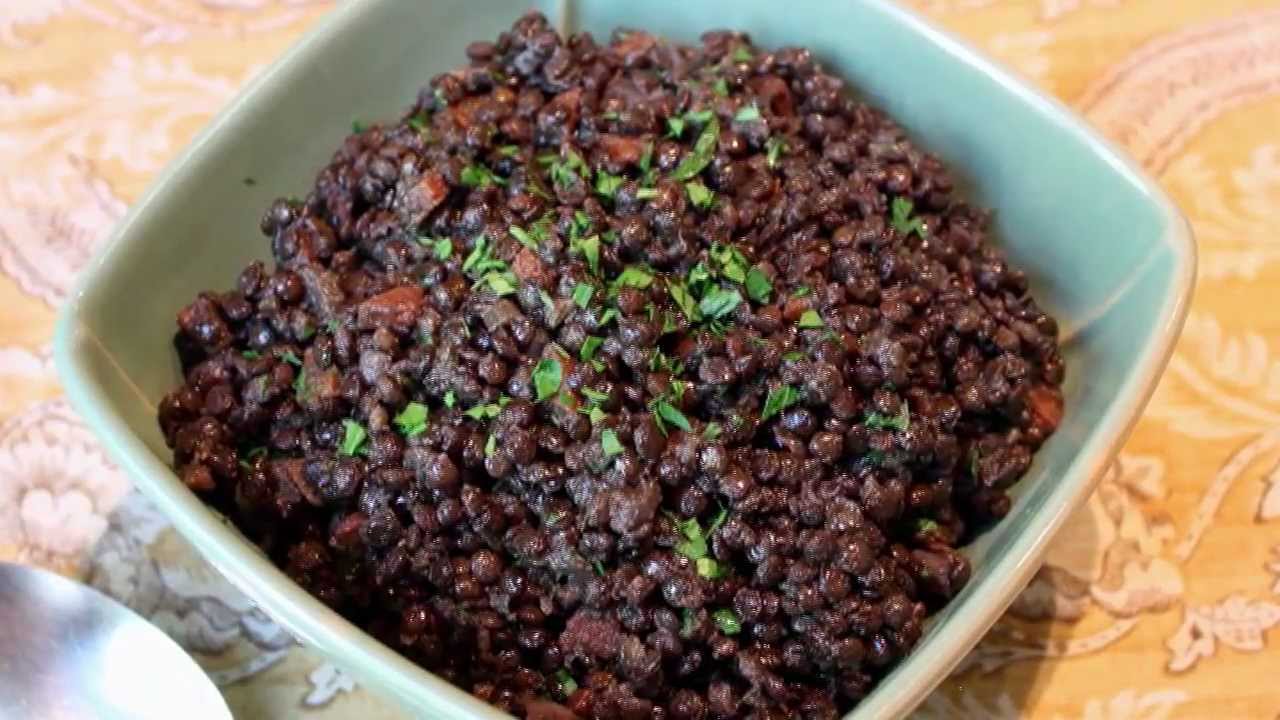
Black Lentils Recipe: If you’re on the hunt for a wholesome, hearty, and flavorful recipe that’s simple to make but feels like a warm hug in a bowl, you’re going to love this black lentils recipe. Black lentils—also known as beluga lentils—are tiny, jet-black legumes that pack a punch when it comes to nutrition, texture, and versatility. Whether you’re a plant-based eater, a meat lover looking for a nutritious side, or someone just trying to expand your kitchen skills, this recipe ticks all the boxes.
Black lentils are known for holding their shape really well during cooking, which makes them perfect for everything from creamy dals to fresh salads and thick soups. What sets them apart is their rich, earthy flavor and satisfying bite. In this step-by-step guide, I’ll walk you through exactly how to cook black lentils from scratch, plus give you tips, tricks, and creative ways to customize them.
Let’s dive into this recipe that’s nutritious, delicious, and perfect for batch-cooking or quick weeknight meals.
What Are Black Lentils?
Black lentils, or beluga lentils, are one of the lesser-known but incredibly nutritious varieties of lentils. They get their name from their resemblance to beluga caviar—tiny, shiny, and black. But don’t be fooled by their small size—they’re absolutely loaded with protein, fiber, iron, and antioxidants.
Unlike red or yellow lentils that often break down into a soft mush when cooked, black lentils hold their shape beautifully. This makes them ideal for dishes where you want some texture and bite. Their flavor is earthy and slightly nutty, which pairs amazingly well with warm spices, fresh herbs, or rich sauces.
They’re also incredibly versatile. From Indian dals and Mediterranean bowls to cold salads or simple one-pot stews, black lentils can adapt to many flavor profiles. Whether you’re cooking for yourself, a family, or prepping for the week ahead, they’re a perfect addition to your kitchen arsenal.
Why You’ll Love This Black Lentils Recipe
There are countless reasons to fall in love with this black lentils recipe, especially if you’re someone who loves comfort food that’s also good for your body. Here are a few standouts:
- Incredible Flavor: These lentils soak up whatever seasonings you add, so they’re like little flavor bombs waiting to explode in your mouth.
- Great Texture: Unlike other lentils that get mushy, black lentils stay firm yet tender, offering that ideal bite every time.
- Super Nutritious: High in protein, iron, and fiber, this dish is a great meat-free option that’ll still keep you full.
- Quick & Easy: No fancy equipment, no complicated steps—just basic ingredients and a little time.
- Meal Prep Friendly: They store and reheat like a dream, so you can make a big batch and enjoy all week long.
- Customizable: Whether you want to make it spicy, tangy, creamy, or herbaceous—black lentils are the perfect canvas.
Ingredients You’ll Need
To make this black lentils recipe, you only need a handful of pantry staples. Here’s everything you’ll need for a basic but flavorful version:
Main Ingredients:
- 1 cup dried black lentils
- 1 tablespoon olive oil or ghee
- 1 small onion (finely chopped)
- 2-3 garlic cloves (minced)
- 1 teaspoon ginger (grated)
- 1 small tomato (chopped) or 2 tbsp tomato paste
- 1/2 teaspoon turmeric powder
- 1 teaspoon ground cumin
- 1/2 teaspoon chili powder or paprika (optional)
- Salt to taste
- 2.5 to 3 cups water or broth
Optional Add-Ins:
- 1/2 teaspoon garam masala
- 1/2 teaspoon smoked paprika
- Fresh cilantro (for garnish)
- Lemon juice (for finishing)
- Coconut milk (for creaminess)
Substitutions:
- Swap olive oil with avocado oil or butter.
- Use shallots instead of onions for a slightly sweeter taste.
- Replace fresh tomato with canned diced tomatoes if needed.
- Add chopped spinach or kale during the last few minutes of cooking for a green boost.
Kitchen Equipment Required
You don’t need a ton of fancy gadgets to make this dish, but here are a few tools that will make the process easier:
Must-Have Tools:
- Medium or large pot with lid
- Cutting board and knife
- Wooden spoon or spatula
- Measuring cups and spoons
- Fine mesh sieve for rinsing lentils
Nice-to-Have Extras:
- Dutch oven for even cooking
- Immersion blender if you want to partially blend the lentils
- Instant Pot or pressure cooker (if you’re short on time)
Keeping it simple is totally fine, and this recipe was written with ease in mind.
How to Prepare Black Lentils Before Cooking
Before you start cooking, you’ll want to make sure your lentils are clean and ready to go. Even though black lentils don’t always require soaking, giving them a little prep can improve texture and digestibility.
Rinse Thoroughly
Place your lentils in a fine mesh sieve and rinse under cold running water. This removes dust, debris, or any small stones that might be mixed in.
Optional: Soak for 1–2 Hours
Soaking isn’t required, but it can shorten the cooking time and help with digestion. Just cover them with water and let them sit for an hour or two. Drain and rinse again before cooking.
Inspect for Stones
Though rare, dry lentils can sometimes have small pebbles. Give them a quick visual scan while rinsing to avoid surprises.
Step-by-Step Guide to Making Black Lentils
This is where the magic happens. Follow these simple steps to make a rich, savory black lentils dish that you’ll want to make over and over again. It’s a foolproof process, perfect for beginners and seasoned cooks alike.
Step 1: Rinse and Soak the Lentils
Start by rinsing 1 cup of black lentils under cool running water using a fine mesh strainer. This helps remove any dirt or debris. If you have time, soak them in water for about 1–2 hours. This step is optional but recommended because it reduces the cooking time and makes the lentils easier to digest.
After soaking, drain the lentils and set them aside.
Step 2: Prepare Your Aromatics
Finely chop one small onion, mince 2–3 garlic cloves, and grate about 1 teaspoon of fresh ginger. If you’re using fresh tomato, chop it finely; otherwise, you can measure out 2 tablespoons of tomato paste.
These ingredients will form the base of your flavor, so take your time and prep them well.
Step 3: Sauté the Base
Heat 1 tablespoon of olive oil or ghee in a medium pot over medium heat. Add the chopped onion and sauté until it becomes soft and translucent, about 4–5 minutes. Then, add the garlic and ginger, stirring continuously to avoid burning—cook for another 1–2 minutes until fragrant.
At this point, your kitchen should smell amazing!
Step 4: Add Spices and Seasonings
Time to spice things up. Stir in:
- 1/2 teaspoon turmeric
- 1 teaspoon ground cumin
- 1/2 teaspoon chili powder (optional for heat)
Let the spices toast for 30 seconds to a minute. This step helps unlock the deep, warm flavors and makes your dish taste more layered and complex.
Next, add your chopped tomato or tomato paste and stir well. Cook until the mixture thickens slightly and the tomato breaks down, about 3–5 minutes.
Step 5: Add Lentils and Cook
Add the rinsed (and soaked) lentils to the pot and stir to coat them with the spice mixture. Pour in 2.5 to 3 cups of water or vegetable broth, depending on how thick you want your final dish to be.
Bring everything to a boil, then reduce the heat to low. Cover and let the lentils simmer for 25–30 minutes if soaked, or 35–40 minutes if unsoaked. Stir occasionally and check to make sure they’re not sticking to the bottom of the pot.
Step 6: Simmer and Adjust Seasoning
Once the lentils are tender but not mushy, it’s time to taste and adjust. Add salt to your liking—start with 1/2 teaspoon and build up from there.
Want a richer flavor? Stir in 1/2 teaspoon of garam masala or smoked paprika. You can also add a splash of coconut milk for creaminess or a squeeze of lemon juice for brightness.
Let the lentils simmer uncovered for another 5–10 minutes if you want a thicker consistency.
And that’s it! Your flavorful black lentils are ready to serve.
Optional Add-ins to Enhance Flavor
While the basic recipe is already delicious, here are some optional ingredients that can take it to the next level:
To Boost Flavor:
- Bay Leaf: Add during simmering for a subtle herbal note.
- Smoked Paprika: Adds a smoky depth that pairs well with the earthiness of the lentils.
- Garam Masala: A classic Indian spice blend that adds warmth and complexity.
For a Creamier Texture:
- Coconut Milk: Stir in during the final simmer for a silky finish.
- Butter or Cream (if not vegan): Adds richness and depth.
For Extra Protein or Fiber:
- Spinach or Kale: Add during the last 5 minutes of cooking.
- Chickpeas or Beans: Stir in pre-cooked beans to bulk up the meal.
For Brightness:
- Lemon Juice: A squeeze right before serving makes the dish pop.
- Fresh Herbs: Cilantro, parsley, or mint can brighten and freshen the flavors.
Feel free to experiment! Lentils are super versatile, and they soak up all the delicious additions you throw at them.
Cooking Tips for Perfect Black Lentils
Perfecting black lentils isn’t complicated, but a few smart tips can really improve your results. Here’s how to make sure they come out just right every single time.
1. Don’t Skip the Rinse
Rinsing removes surface starches and dust. It also helps prevent foaming during cooking and ensures a cleaner flavor.
2. Watch the Water Ratio
Start with 2.5 to 3 cups of water per cup of lentils. Too much water makes them soupy; too little may cause burning or sticking. Adjust based on your desired consistency.
3. Don’t Add Salt Too Early
Adding salt early in the cooking process can make the lentils tough. Wait until the lentils are almost fully cooked before adding salt.
4. Stir Occasionally
Gently stirring helps the lentils cook evenly and prevents sticking, especially during the simmer phase.
5. Taste As You Go
Don’t be afraid to taste your dish throughout the cooking process. Adjust spices, salt, and acidity as needed—it’s the secret to developing deep, balanced flavor.
6. Let It Sit
Letting your cooked lentils rest (covered) for a few minutes before serving helps the flavors settle and intensify.
Different Ways to Serve Black Lentils
Black lentils are incredibly versatile, which means you’re not stuck eating them the same way every time. You can dress them up, keep them simple, or pair them with different cuisines depending on what you’re in the mood for.
1. As a Main Dish
A warm bowl of black lentils served over rice or quinoa is satisfying and filling. Add a dollop of yogurt or a swirl of coconut milk for creaminess. Garnish with chopped cilantro and a squeeze of lemon. Want it heartier? Top with a fried egg or roasted vegetables.
2. As a Side Dish
Use black lentils as a savory side to grilled meats, roasted chicken, or baked tofu. Their earthy flavor complements rich proteins beautifully. You can keep the seasonings simple with just garlic and herbs or match them with the spices used in your main dish.
3. In Soups and Stews
If you’re in the mood for something soupy, black lentils make a fantastic base for hearty lentil soup. Just add more liquid, maybe some carrots, celery, and potatoes, and simmer until everything is tender. You can even toss in leftover meat or veggies from your fridge.
4. In Salads
Cook the lentils, let them cool, and toss them into a salad with fresh veggies, olive oil, lemon juice, and herbs. Their firm texture holds up well in cold dishes. Add crumbled feta or goat cheese for a salty punch.
5. In Wraps or Tacos
Yes, lentils in tacos! Spoon them into a tortilla, top with slaw, avocado, and salsa. It’s like a plant-based version of taco night. You’ll be surprised how well they work in wraps and burritos, too.
With so many serving options, black lentils can easily become a staple in your kitchen rotation. They’re a blank canvas for whatever flavors you love most.
How to Store Leftovers
One of the best things about black lentils? They store and reheat like a dream. Here’s how to handle your leftovers so they stay delicious for days.
Refrigerator Storage
Let the lentils cool to room temperature, then transfer them into an airtight container. Store in the fridge for up to 5 days. Make sure the container is sealed tight to prevent any moisture loss or absorption of fridge odors.
When reheating, add a splash of water or broth to loosen things up, then warm on the stove or in the microwave until heated through.
Freezer Storage
Yes, you can freeze black lentils! Portion them into freezer-safe bags or containers, label with the date, and store for up to 3 months.
To reheat:
- Let them thaw in the fridge overnight, or
- Place the frozen block directly into a saucepan with a little water and gently reheat over low-medium heat.
They’ll still taste fresh and flavorful—and it saves you tons of cooking time later on.
Health Benefits of Black Lentils
Besides being delicious, black lentils are a powerhouse of nutrients. If you’re looking to eat healthy without sacrificing flavor, these tiny legumes have got your back.
1. Packed with Plant-Based Protein
Black lentils offer about 18 grams of protein per cooked cup, making them a great choice for vegetarians and vegans. Pair them with a whole grain like rice or quinoa, and you’ve got a complete protein meal.
2. High in Dietary Fiber
With over 15 grams of fiber per cup, they help with digestion, keep you feeling full, and support a healthy gut. That’s a win for your stomach and your energy levels.
3. Rich in Iron and Folate
Iron is essential for oxygen transport in your body, and folate supports brain and nerve function. Black lentils deliver a healthy dose of both, making them especially great for teens, pregnant women, or anyone with increased nutritional needs.
4. Low in Calories, High in Nutrients
They’re naturally low in fat and calories but high in magnesium, zinc, and antioxidants. Basically, you’re eating something that’s good for your body without even trying.
Adding black lentils to your diet isn’t just tasty—it’s a long-term health move.
Vegan and Gluten-Free Friendly Tips
If you follow a plant-based or gluten-free lifestyle, black lentils are your best friend in the kitchen. Here’s how to make sure your recipe checks all the boxes.
Vegan Tips
This recipe is naturally vegan as long as you use:
- Olive oil instead of ghee or butter
- Vegetable broth instead of chicken broth
- Coconut milk or plant-based cream for richness (optional)
Add some nutritional yeast or plant-based yogurt for an extra flavor boost without any dairy.
Gluten-Free Tips
Black lentils themselves are naturally gluten-free, but here are a few things to watch out for:
- Make sure your spices are gluten-free, especially pre-mixed spice blends.
- If you’re using broth, check the label to ensure there are no hidden gluten ingredients or additives.
Serve with gluten-free grains like rice, millet, or polenta for a fully GF meal.
Common Mistakes to Avoid
Even though this recipe is pretty straightforward, a few common pitfalls can get in the way of perfection. Let’s avoid them:
1. Overcooking the Lentils
Black lentils should be tender but not mushy. Overcooking can make them lose their structure and turn into a thick paste. Keep an eye on the clock and check their texture as they cook.
2. Adding Salt Too Early
Salt can toughen the lentils if added early. Always season towards the end of cooking when the lentils are nearly done.
3. Not Rinsing Lentils First
Skipping the rinse might leave you with dusty, gritty lentils—and no one wants that. It only takes a minute and makes a big difference.
4. Forgetting to Stir
Letting the lentils sit on the bottom of the pot without stirring can lead to burning or uneven cooking. Stir occasionally to keep things smooth.
5. Under-Seasoning
Lentils are like little flavor sponges—they need bold seasoning to shine. Don’t be shy with herbs, spices, and acid like lemon juice. Taste as you go and adjust.
Avoiding these simple mistakes will help you nail the recipe every single time.
FAQs about Black Lentils Recipe
1. Can I use canned black lentils for this recipe?
Yes! If you’re short on time, canned black lentils are a great shortcut. Just be sure to rinse them thoroughly and reduce the cooking time since they’re already cooked.
2. Do I need to soak black lentils before cooking?
No, soaking is optional. It helps reduce cooking time and improve digestion but isn’t required. If you’re in a hurry, go ahead and cook them straight after rinsing.
3. What can I use instead of black lentils?
You can substitute with green or brown lentils, though the flavor and texture will vary slightly. Red lentils break down too much, so they’re not ideal for this recipe.
4. Can I cook black lentils in an Instant Pot?
Absolutely. Cook soaked black lentils on high pressure for about 6–8 minutes with natural pressure release. Adjust seasonings after cooking.
5. How long do cooked black lentils last in the fridge?
Stored in an airtight container, cooked black lentils last up to 5 days in the fridge. They also freeze well for up to 3 months.
Conclusion
Black lentils are one of those rare ingredients that check every box—they’re easy to cook, packed with nutrition, full of flavor, and insanely versatile. Whether you’re making a comforting bowl of lentils on a rainy night or tossing them into a quick lunch salad, this recipe will serve you well.
With this step-by-step guide, you’re now ready to cook black lentils that are anything but boring. Don’t be afraid to experiment with different spices, textures, or add-ins. Trust your taste buds, and have fun with it.
Here’s to many bowls of flavorful, hearty black lentils!