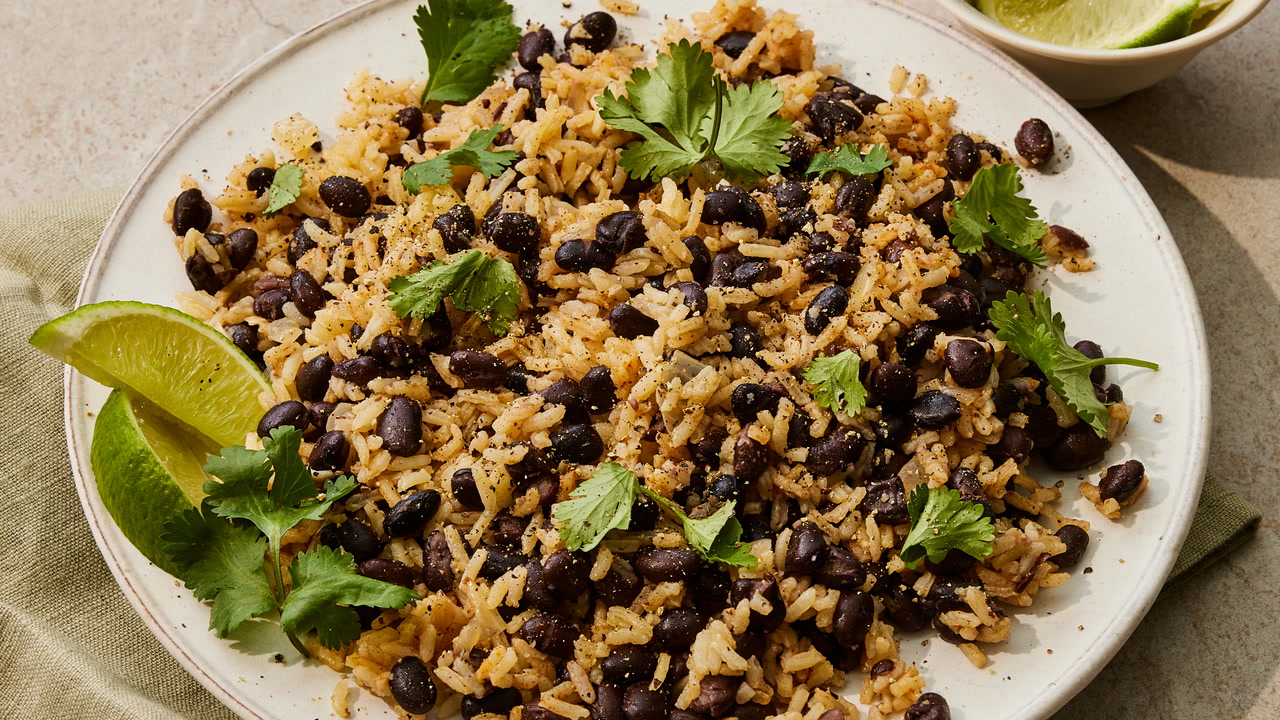
Black Bean and Rice Recipe: Black beans and rice – sounds simple, right? But don’t be fooled. This humble combo is a powerhouse of flavor, nutrition, and versatility. Whether you’re feeding your family on a busy weeknight or prepping meals ahead for the week, this dish delivers comfort and sustenance in every spoonful.
This recipe is beloved across cultures and continents – from Latin America to the Caribbean, and even deep into the Southern U.S. The beauty of black beans and rice lies in its adaptability: spice it up, keep it mild, add meat or keep it vegan, toss in veggies or serve plain. However you make it, it’s bound to be a hit.
And the best part? It’s budget-friendly, high in protein and fiber, naturally gluten-free, and, if you play your cards right, absolutely packed with flavor.
List of Ingredients You’ll Need
Before you start, let’s get your shopping list sorted. Here’s what you need for a classic version of black beans and rice. Most of these ingredients are pantry staples, so you may already have them on hand.
Core Ingredients
- Black beans – 2 cans (15 oz each) or 1 ½ cups dried beans (soaked and cooked)
- White or brown rice – 1 cup (long grain preferred)
- Yellow onion – 1 medium, finely chopped
- Garlic cloves – 3 to 4, minced
- Bell pepper – 1 (any color, diced)
- Olive oil – 2 tablespoons
- Vegetable broth or water – 2 cups
- Cumin – 1 teaspoon
- Paprika – 1 teaspoon (smoked, if available)
- Salt and pepper – to taste
- Bay leaf – optional, but great for depth of flavor
Optional Add-Ins for Extra Flavor
- Cilantro – freshly chopped, for garnish
- Lime juice – a splash at the end brightens the dish
- Tomato paste or diced tomatoes – for a richer flavor
- Chili powder or hot sauce – if you like it spicy
- Corn kernels or diced tomatoes – for added texture
Ingredient Substitutions for Dietary Needs
- Low-sodium beans and broth – to reduce salt intake
- Brown rice – for more fiber and a nuttier taste
- Avocado oil or coconut oil – as an alternative to olive oil
- Red onion – if you prefer a sharper taste
Having all your ingredients ready before you start cooking makes everything go smoother. Trust me, a little prep upfront saves a lot of scrambling later.
Kitchen Tools Required
This recipe doesn’t require fancy equipment. Just the basics you likely already own.
Basic Cooking Tools
- Large skillet or saucepan – preferably nonstick or cast iron
- Medium pot with lid – for cooking the rice
- Cutting board and knife – for chopping veggies
- Wooden spoon or spatula – for stirring
- Measuring cups and spoons – for precision
Recommended Additions for Easy Prep
- Garlic press – makes prepping garlic quicker
- Rice cooker or Instant Pot – if you prefer hands-free rice cooking
- Colander or sieve – for rinsing canned beans
That’s it! Now let’s get into the real magic—the step-by-step cooking.
Step-by-Step Guide to Making Black Beans and Rice
Step 1: Preparing Your Ingredients
Rinse the rice under cold water until the water runs clear. Drain well. If using canned black beans, rinse and drain them to remove excess sodium. Chop onions, garlic, and bell peppers, and prepare spices such as cumin, paprika, and black pepper. Having everything ready makes cooking smooth and efficient.
Step 2: Cooking the Rice Perfectly
In a pot, add rice, water or broth, and a pinch of salt. Bring to a boil, then reduce heat to low, cover, and simmer for 15–18 minutes until the rice is tender and liquid is absorbed. Turn off the heat and let it rest, covered, for 5 minutes. Fluff with a fork.
Step 3: Sautéing Aromatics
Heat oil in a skillet over medium heat. Add chopped onions and sauté until soft and translucent. Stir in garlic and bell peppers and cook for another minute until fragrant. This step builds the flavor base of the dish.
Step 4: Adding and Seasoning the Black Beans
Add the black beans to the skillet along with cumin, paprika, bay leaf, salt, and pepper. Stir well and cook for 3–5 minutes so the beans absorb the spices. Add a splash of water or broth if the mixture looks dry.
Step 5: Combining Rice and Beans
Gently fold the cooked rice into the seasoned beans. Mix carefully to avoid mashing the beans while ensuring even distribution.
Step 6: Simmering for Flavor Fusion
Cover and simmer on low heat for 5–7 minutes. This allows the flavors to meld together and creates a cohesive, well-seasoned dish.
Step 7: Finishing Touches and Garnishing
Remove from heat and garnish with chopped cilantro, green onions, or a squeeze of lime juice. Serve warm as a main dish or side.
Flavor Variations
Don’t be afraid to shake things up! This dish is super adaptable. Here are a few creative twists to keep it interesting:
Latin-Inspired Variation
Add a teaspoon of oregano, a splash of vinegar, and serve with fried plantains on the side. Want to go Cuban-style? Try using sofrito (a blend of sautéed onions, peppers, garlic, and tomato) as your base.
Cajun-Style Beans and Rice
Use Cajun seasoning instead of cumin and paprika. Add celery and diced sausage (andouille is perfect). This turns your dish into a hearty Southern favorite.
Vegan Southwest Twist
Mix in corn, diced tomatoes, and a bit of chipotle powder. Top with avocado slices and vegan cheese. Boom! A plant-based version with serious kick.
Get creative with herbs, spices, and textures. The base is simple, but the variations are endless.
Tips for the Perfect Black Beans and Rice
Perfecting black beans and rice isn’t rocket science, but a few smart tips can take your dish from basic to mind-blowing. Whether you’re a kitchen rookie or a seasoned home chef, keep these tricks in your back pocket:
1. Balance the Flavors
This dish is all about balance. The beans bring a hearty, earthy flavor, while the rice provides a neutral canvas. Use spices like cumin, paprika, and garlic to deepen the taste, but don’t forget about acid—a splash of lime juice or vinegar cuts through the richness and adds brightness. Salt is essential, but be mindful if you’re using canned beans or broth, which already contain sodium.
2. Don’t Overcook the Rice
Mushy rice can ruin the texture. Use long-grain white rice or jasmine for fluffiness, or brown rice for a chewier bite. Always rinse your rice before cooking—it removes excess starch and prevents clumping. If using a rice cooker or Instant Pot, follow exact liquid ratios and cooking times for perfect results.
3. Season in Layers
Instead of dumping all the spices at once, build flavor gradually. Start by seasoning the sautéed veggies, then again when adding the beans, and taste once more after combining everything. This helps each component absorb and carry the flavors.
4. Keep an Eye on Liquid
If your mixture looks too dry while simmering, add a splash of broth or water. But don’t go overboard—you’re aiming for a moist, saucy texture, not soup. A little moisture helps the rice soak up the flavors without becoming soggy.
5. Use Fresh Herbs and Garnishes
Even a simple dish can feel gourmet with the right finish. Fresh herbs like cilantro or parsley add color and a pop of flavor. Lime wedges, sliced avocado, or a sprinkle of cheese can bring your bowl to life.
These small touches make a big difference. Don’t skip them!
Common Mistakes to Avoid
Even a straightforward dish like black beans and rice can go sideways if you’re not careful. Here are some common pitfalls—and how to dodge them:
1. Using Beans Straight from the Can (Without Rinsing)
Canned beans come in a starchy, salty liquid. If you don’t rinse them, your dish can end up overly salty and sticky. Always drain and rinse them under cold water until it runs clear.
2. Undercooking or Overcooking the Rice
This one’s a dealbreaker. Crunchy rice feels unfinished, and overcooked rice turns to mush. Stick to the right ratio of liquid to rice (usually 2:1), don’t lift the lid while it cooks, and let it rest off-heat before fluffing.
3. Skipping the Aromatics
Onions, garlic, and bell peppers are the soul of this dish. Skipping them makes for a bland experience. Even if you’re in a rush, take a few extra minutes to sauté these properly—it’s worth it.
4. Overloading with Too Many Add-Ins
It’s tempting to toss in everything from your fridge, but moderation is key. Corn, tomatoes, or sausage are great—but don’t let them overpower the simple magic of rice and beans.
5. Not Tasting and Adjusting Seasonings
Always taste before serving. Maybe your beans need a little more salt, a splash of lime, or a touch of chili heat. Don’t be afraid to tweak the flavor until it sings.
Avoid these missteps, and your dish will be consistently tasty and satisfying every time.
How to Serve Black Beans and Rice
So, you’ve made a delicious pot of black beans and rice—what now? It’s time to plate and pair!
1. As a Main Dish
This meal is hearty enough to stand on its own. Serve it in a bowl, top with avocado slices, fresh cilantro, and maybe a dollop of sour cream or a drizzle of hot sauce. Add a lime wedge on the side for a citrusy kick.
2. As a Side Dish
Black beans and rice make the perfect companion to grilled meats, roasted veggies, or seafood. Try serving it with:
- Grilled chicken or steak
- Roasted sweet potatoes
- Fish tacos
- BBQ tofu or jackfruit (for a vegan twist)
3. In Bowls or Burritos
Build a full-on burrito bowl by adding:
- Shredded lettuce
- Corn
- Diced tomatoes
- Cheese
- Salsa
- A protein of your choice
Or, wrap it all up in a warm tortilla for a satisfying burrito or wrap.
4. As a Base for Meal Prep
This recipe stores beautifully and holds up for several days. Portion it into containers with different toppings for variety throughout the week.
Storage and Reheating Tips
Leftovers? You’re in luck—black beans and rice get even better the next day.
Storage Tips:
- Let the dish cool completely before storing.
- Transfer to an airtight container.
- Keep in the refrigerator for up to 4–5 days.
Freezing Instructions:
- Place cooled rice and beans in freezer-safe containers or zip-top bags.
- Flatten bags to save space.
- Freeze for up to 3 months.
Reheating Tips:
- Microwave: Sprinkle a bit of water over the rice and beans, then cover with a damp paper towel. Heat for 2–3 minutes.
- Stovetop: Add a splash of broth or water and reheat in a covered skillet over low heat until warmed through.
Avoid reheating dry—moisture is your friend when bringing leftovers back to life!
Can You Use Canned Beans or Pre-Cooked Rice?
You sure can—and sometimes, it’s the smartest way to save time without sacrificing too much flavor. Here’s how to use these convenient shortcuts effectively:
Using Canned Beans
Pros:
- Saves hours of soaking and cooking
- Readily available and budget-friendly
- Still offers good texture and taste when used correctly
Tips:
- Rinse thoroughly. This step removes excess salt and the thick liquid they sit in.
- Season generously. Canned beans can taste flat out of the can, so use herbs, spices, and aromatics to bring them to life.
- Simmer longer. Let them cook with your onions, garlic, and spices for at least 15 minutes so they soak up flavor.
Using Pre-Cooked or Instant Rice
Pros:
- Cuts cooking time dramatically
- Great for quick weeknight meals or meal prep
Tips:
- Reheat rice with a bit of water or broth to keep it moist.
- Add rice during the final step and stir to warm it through instead of overcooking it.
What to Watch Out For
Both canned beans and pre-cooked rice can be higher in sodium or preservatives, so always check labels if that’s a concern. Also, while convenient, they can sometimes lack the depth of freshly made components—so don’t skip those aromatics and seasonings to elevate the dish.
Bottom line: These shortcuts are great when you’re short on time but still want a homemade, comforting meal. Just give them a little extra love.
Make It a One-Pot Meal
Don’t want extra dishes? Totally understandable. The good news: you can absolutely make this a one-pot wonder with minimal cleanup and maximum flavor.
How to Do It:
- Use a deep skillet or Dutch oven.
- Sauté your aromatics right in the pot.
- Add rice and toast it for 1–2 minutes before pouring in your broth and black beans.
- Cover and simmer until rice is cooked and the liquid is absorbed.
Benefits of the One-Pot Method:
- Less cleanup = more time to relax.
- Flavors meld together better because everything cooks in the same vessel.
- Great for meal prep—just scoop and go!
Pro Tips:
- Use long-grain rice (shorter grains may turn mushy in one-pot cooking).
- Monitor the liquid. You may need slightly less than usual since there’s no draining involved.
- Stir gently once during cooking to prevent sticking at the bottom.
Once you try this method, you’ll probably never go back. It’s cozy, simple, and tastes like it simmered all day—even if it only took 30 minutes.
Meal Prep and Freezing Tips
Black beans and rice are basically the dream meal prep combo. They reheat beautifully, stay fresh for days, and can be turned into a dozen different meals with a few easy twists.
How to Meal Prep:
- Double or triple the recipe.
- Let everything cool completely before portioning.
- Use individual containers to separate portions for the week.
- Add different toppings or sides to mix things up each day.
What to Pair for Meal Prep Variety:
- Roasted veggies (zucchini, peppers, sweet potato)
- Grilled meats or tofu
- Shredded cheese and salsa
- Salad greens and a lime wedge
Freezing Instructions:
- Freeze in meal-size portions for easy grab-and-go lunches.
- Use freezer-safe bags or containers.
- Label with the date—good for up to 3 months.
- To thaw, transfer to the fridge overnight or microwave directly from frozen (add water or broth before heating).
Pro Tip: If freezing, slightly undercook the rice so it doesn’t turn mushy when reheated.
Healthy Swaps
Trying to keep things a little lighter or more nutrient-packed? No problem. Black beans and rice are already a healthy option, but here’s how to make it even better:
1. Use Brown Rice or Quinoa
- Brown rice adds fiber and a nutty flavor.
- Quinoa is high in protein and cooks quickly.
- Just adjust the cooking time and liquid ratios accordingly.
2. Go Low-Sodium
- Use low-sodium canned beans and broth.
- Season with herbs, spices, and citrus instead of relying on salt.
3. Add More Veggies
- Toss in diced zucchini, spinach, mushrooms, or corn.
- Roasted sweet potatoes or butternut squash add sweetness and texture.
4. Swap the Oil
- Use avocado oil for a heart-healthy fat.
- Cut back on oil entirely and sauté in broth if you’re going oil-free.
5. Control Portions
- Serve it as a side dish if you’re watching carbs.
- Add a big side of greens or a fresh salad to balance the meal.
With just a few simple tweaks, you can turn this comfort dish into a powerhouse of nutrition that works for almost any diet.
Black Beans and Rice Around the World
Did you know black beans and rice is more than just a staple in Latin cuisine? Different cultures have their own unique spins on this combo—let’s take a tasty trip around the globe.
Cuban: Moros y Cristianos
- “Moors and Christians” is the poetic name for this Cuban favorite.
- Made by cooking black beans and white rice together with bay leaf, cumin, garlic, and onions.
- Usually served as a side to meats or fried plantains.
Brazilian: Feijão com Arroz
- A daily staple in Brazilian homes.
- Typically uses pinto or black beans, stewed and served over fluffy white rice.
- Often accompanied by farofa (toasted cassava flour) and grilled meats.
Caribbean Style
- Includes coconut milk, thyme, and scotch bonnet peppers for a creamy, spicy kick.
- Commonly served with jerk chicken or grilled fish.
- Sometimes called “rice and peas” even when made with beans.
These global variations show just how beloved and versatile this dish really is. You can draw inspiration from any of these styles to shake up your next batch.
FAQs about Black Bean and Rice Recipe
1. Can I Make Black Beans and Rice in a Rice Cooker?
Absolutely. You can sauté aromatics in a pan and then add everything (rice, beans, seasonings, broth) to your rice cooker. Set it and forget it—it works like a charm!
2. What’s the Best Rice to Use?
Long-grain white rice like jasmine or basmati is ideal for fluffy results. Brown rice works too, but it takes longer and has a chewier texture.
3. Is This Recipe Vegan-Friendly?
Yes! As long as you use vegetable broth and plant-based toppings, it’s 100% vegan. Want extra protein? Add tofu or tempeh.
4. How Long Does It Take to Make?
If using canned beans and white rice, you can be done in 30–35 minutes. Using dried beans or brown rice will add more time.
5. Can I Add Chicken or Shrimp?
Totally! Sauté seasoned chicken or shrimp separately and mix it in at the end, or serve on top. It adds extra protein and flavor.
Conclusion
So, there you have it—the ultimate black bean and rice recipe, broken down step-by-step with everything you need to make it awesome.
This dish is more than just a meal. It’s a go-to recipe that checks every box: affordable, filling, flavorful, and endlessly adaptable. Whether you’re cooking for one or feeding a crowd, this comfort classic never lets you down.
Next time you’re staring at your pantry wondering what to make, remember: a pot of rice, a can of beans, and a few spices are all you need to create something amazing.