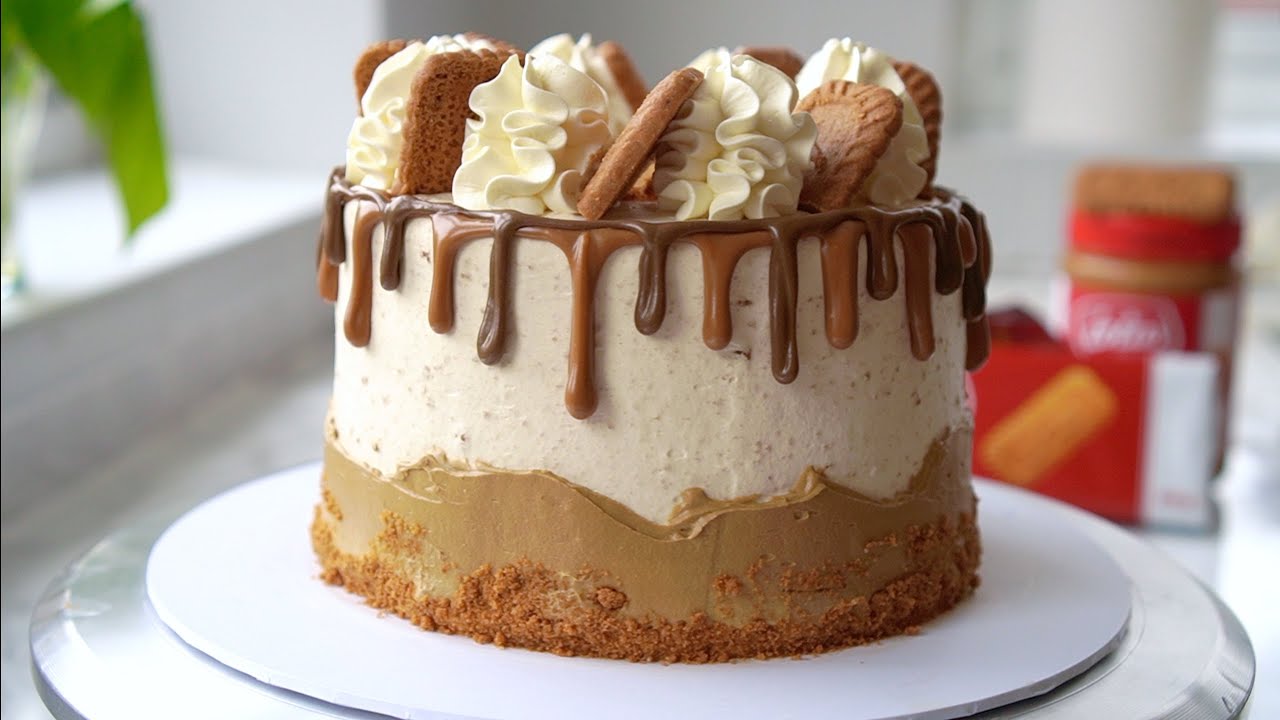
Biscoff Cake Recipe: Biscoff. Just saying the word makes dessert lovers perk up. That rich, caramelized, spiced cookie flavor is unforgettable. If you’ve ever dipped a Lotus Biscoff biscuit into your coffee or spooned a bit of Biscoff spread straight from the jar (don’t worry, we’ve all done it), you already know the magic. Now imagine turning that flavor into a cake. Yep, that’s what this recipe is all about.
This step-by-step Biscoff cake guide walks you through everything you need to bake an irresistibly moist cake, slathered with Biscoff buttercream, and finished off with gorgeous cookie toppings. Whether you’re baking for a birthday, special event, or just to treat yourself, this cake hits the sweet spot—every single time.
So, let’s get that oven preheating and grab everything you need. We’re about to take your baking skills to new heights with a cake that tastes like heaven and smells even better.
Ingredients You’ll Need
To bake the perfect Biscoff cake, you’ll need a mix of pantry staples and a few key items that give it that signature flavor. Here’s your shopping list:
For the Cake Layers
- 2 ½ cups all-purpose flour
- 2 ½ tsp baking powder
- ½ tsp salt
- 1 cup unsalted butter (room temperature)
- 1 ½ cups brown sugar (packed)
- 4 large eggs
- 1 tsp vanilla extract
- 1 cup whole milk
- ¾ cup Biscoff spread (smooth)
For the Biscoff Buttercream
- 1 cup unsalted butter (softened)
- 1 cup Biscoff spread
- 3 ½ to 4 cups powdered sugar
- 1 tsp vanilla extract
- 2–3 tbsp milk or heavy cream (adjust for consistency)
For Decoration
- Crushed Biscoff cookies (about 4–5)
- Whole Biscoff cookies (optional, for topping)
- Extra melted Biscoff spread (for drizzling, about ¼ cup)
You don’t need anything fancy—just solid ingredients and a bit of time. The real secret? It’s all in the technique. Let’s break it down, step by step.
The Magic of Biscoff – What Is It, Really?
If you’re new to the world of Biscoff, welcome to one of the best flavor discoveries you’ll ever make. Biscoff, also known as speculoos, originated in Belgium. It’s a type of spiced shortcrust biscuit that tastes like caramel, cinnamon, and a dash of nutmeg rolled into one.
What sets Biscoff apart from other spreads or cookies is its deep, slightly spiced flavor. It’s cozy, warm, and incredibly comforting. That flavor translates perfectly into cakes. When baked into batter, it gives a rich, molasses-like depth. When mixed into buttercream, it adds sweetness and spice that turns a basic frosting into something extraordinary.
Whether you’re a longtime fan or just discovering Biscoff for the first time, this cake brings out its best in every bite.
Tools You’ll Need for This Cake
Before diving into the steps, make sure you’ve got the right tools on hand. This recipe doesn’t require a professional kitchen, but a few basics will make the process much smoother:
- 2 x 8” or 9” round cake pans
- Mixing bowls (medium and large)
- Stand mixer or electric hand mixer
- Measuring cups and spoons
- Rubber spatula
- Cooling rack
- Offset spatula (for frosting)
- Cake turntable (optional but helpful)
- Serrated knife (for leveling cakes, if needed)
- Piping bag with tips (if decorating)
Set everything out before you begin—it’ll make baking more enjoyable and less chaotic. Now, let’s get to the fun part: baking!
Step-by-Step Guide to Baking Biscoff Cake
Step 1: Preparing the Cake Pans
Preheat your oven to 180°C (350°F). Grease two round cake pans with butter or oil, then line the bottoms with parchment paper. Lightly dust with flour to prevent sticking. Proper pan prep ensures clean cake release.
Step 2: Mixing the Dry Ingredients
In a bowl, whisk together all-purpose flour, baking powder, baking soda, and a pinch of salt. Mixing evenly helps the cake rise uniformly and avoids dense spots.
Step 3: Creaming Butter and Sugar
In a large bowl, beat softened butter and sugar until light, pale, and fluffy—about 3–4 minutes. This step incorporates air, which gives the cake a soft, tender crumb.
Step 4: Adding the Eggs and Vanilla
Add eggs one at a time, beating well after each addition. Stir in vanilla extract. Scrape down the bowl to ensure everything is evenly combined.
Step 5: Mixing in the Biscoff Spread
Gently mix in smooth Biscoff spread until fully blended. This adds rich caramelized flavor and gives the batter its signature taste.
Step 6: Alternating Dry Ingredients and Milk
Add the dry ingredients in three parts, alternating with milk. Start and end with the dry ingredients. Mix on low speed just until combined—do not overmix, or the cake may turn dense.
Step 7: Pouring Batter and Baking
Divide the batter evenly between prepared pans and smooth the tops. Bake for 25–30 minutes, or until a toothpick inserted in the center comes out clean. Avoid opening the oven too early to prevent sinking.
Step 8: Cooling the Cake Layers Properly
Let the cakes cool in the pans for 10 minutes, then turn out onto a wire rack. Allow them to cool completely before frosting. Proper cooling prevents melting frosting and keeps layers intact.
Your Biscoff cake is now ready for frosting and decorating as desired.
Making the Perfect Biscoff Buttercream Frosting
This frosting is dangerously delicious. You might catch yourself “tasting” a bit too often while making it—don’t say we didn’t warn you.
In a large mixing bowl, beat:
- 1 cup unsalted butter (softened)
- 1 cup Biscoff spread
Mix on medium speed until smooth and creamy—about 2–3 minutes. Then add:
- 3½ to 4 cups powdered sugar, one cup at a time
- 1 teaspoon vanilla extract
If the buttercream is too thick, add 1–2 tablespoons of milk or cream to reach your desired consistency. If it’s too runny, add a bit more powdered sugar.
Beat for another 2–3 minutes until fluffy and spreadable.
Tips for success:
- Use room temperature ingredients
- Sift your powdered sugar for ultra-smooth frosting
- Chill the frosting for 10–15 minutes if it gets too soft while working
Assembling Your Biscoff Cake Like a Pro
Here’s where it all comes together.
- Level your cake layers if needed with a serrated knife so they’re flat and even.
- Place one layer on your cake stand or serving plate.
- Spread a thick layer of Biscoff buttercream on top.
- Add the second cake layer and apply a crumb coat (a thin layer of frosting to trap crumbs).
- Chill the cake for 15–20 minutes.
- Apply the final layer of frosting using an offset spatula for a smooth finish.
Smooth the sides and top, then get ready to decorate.
Adding the Final Touch – Decoration Tips
Decorating a Biscoff cake is half the fun—and it doesn’t have to be complicated. Here are a few tasty and beautiful ways to finish your masterpiece:
- Crushed Biscoff cookies sprinkled on top or pressed into the sides
- A drizzle of melted Biscoff spread around the top edge for that trendy drip effect
- Whole Biscoff cookies placed around the top for a bold look
- Pipe decorative swirls of buttercream with a piping bag for an elegant finish
Want to go next-level? Add caramel drizzle or white chocolate chips. You can even top it with whipped cream if you’re serving it the same day.
Make It Your Own – Variations You Can Try
Love to experiment? Here are a few ways you can customize your Biscoff cake:
- Chocolate Biscoff Cake: Add ½ cup of cocoa powder to the dry mix and reduce the flour slightly.
- Biscoff Cupcakes: Turn the recipe into 24 cupcakes. Bake at 350°F for 18–20 minutes.
- Vegan Biscoff Cake: Use plant-based milk, vegan butter, and flax eggs.
- Gluten-Free Option: Substitute the flour with a 1:1 gluten-free baking blend.
With a few tweaks, you can make this cake fit any occasion, diet, or preference.
Common Mistakes to Avoid When Making Biscoff Cake
Even experienced bakers make mistakes from time to time. Avoiding these common missteps will ensure your Biscoff cake turns out as perfect as possible.
1. Overmixing the Batter
After adding the flour, only mix until just combined. Overmixing develops the gluten in the flour, which can lead to a dense, dry cake rather than a soft and tender crumb. It’s tempting to keep mixing until everything looks super smooth, but resist the urge!
2. Incorrectly Measuring Ingredients
Using too much or too little of a key ingredient can throw off the entire balance of your cake. Use proper measuring cups (dry for flour, liquid for milk), and if you have a kitchen scale—use it! Measuring by weight is always more accurate.
3. Skipping the Cooling Time
Frosting a warm cake is a disaster waiting to happen. The buttercream will melt and slide off, and your beautiful layers might shift. Always let the cake cool fully on a wire rack before assembling.
4. Not Preparing Your Pans Properly
There’s nothing worse than cake sticking to the pan. Use parchment paper on the bottom of your pans and grease the sides thoroughly. This small step saves a lot of heartbreak.
5. Using Cold Ingredients
Room temperature butter, eggs, and milk help the batter mix together more smoothly and evenly. Cold ingredients can cause the batter to separate or not rise properly.
Avoid these issues and your cake will come out bakery-quality, even if it’s your first try.
How to Store Biscoff Cake
If (and that’s a big if) you have leftovers, proper storage is key to keeping the cake fresh and moist.
At Room Temperature
If you plan to eat the cake within 1–2 days, you can keep it covered at room temperature in a cake container or airtight dome. Keep it out of direct sunlight or heat sources.
In the Refrigerator
To keep it fresh for up to 5 days, refrigerate the cake. Make sure it’s tightly wrapped or stored in an airtight container to prevent it from drying out or absorbing odors.
Let the cake come to room temperature for 30–60 minutes before serving to bring back its soft texture and rich flavor.
Freezing Biscoff Cake
Want to make it ahead? You can freeze the layers (unfrosted) or even the fully assembled cake.
- Wrap cooled cake layers individually in plastic wrap and foil, then freeze for up to 2 months.
- If freezing a frosted cake, freeze uncovered for 1 hour, then wrap carefully and return to the freezer.
Thaw in the refrigerator overnight, then bring to room temp before serving. You’ll be surprised how well it holds up!
Serving Suggestions
Biscoff cake is rich and full of flavor, so pairing it with the right drink or side can take it over the top.
Perfect Drink Pairings
- Coffee or espresso – highlights the caramel notes
- Chai latte – complements the spiced flavor of Biscoff
- Milk or almond milk – a creamy contrast to the sweetness
- Black tea – simple and classic pairing
Occasions to Serve Biscoff Cake
- Birthdays and special celebrations
- Holiday gatherings and family dinners
- Afternoon tea or dessert tables
- Potlucks and office parties
It’s a real crowd-pleaser, and trust us—once people taste it, they’ll be asking for the recipe.
Nutritional Information (Approximate)
Please note this is an estimate and will vary based on portion size and ingredients used.
| Nutrient | Per Slice (1/12 of cake) |
|---|---|
| Calories | 480–550 kcal |
| Total Fat | 28g |
| Saturated Fat | 14g |
| Carbohydrates | 60g |
| Sugars | 40g |
| Protein | 4g |
| Fiber | 1g |
This is definitely a treat, not an everyday food—but worth every single bite!
FAQs about Biscoff Cake Recipe
1. Can I use crunchy Biscoff spread instead of smooth?
Yes, but keep in mind that it will give your cake and frosting a slightly textured feel. If you enjoy little bits of cookie in every bite, go for it!
2. How long does Biscoff cake last?
Properly stored, Biscoff cake lasts up to 2 days at room temperature, 5 days in the fridge, and up to 2 months in the freezer.
3. Can I make this cake ahead of time?
Absolutely! You can bake the layers a day or two in advance and store them in the fridge (wrapped). You can also make the buttercream ahead—just give it a quick whip before using.
4. Can I turn this recipe into a layered birthday cake?
Yes! This recipe is perfect for birthday cakes. You can double the layers or add fun fillings like cookie crumble, white chocolate ganache, or caramel for extra flair.
5. Is this cake freezer-friendly?
Totally. Just make sure to wrap it well and thaw it slowly in the fridge to keep the texture and flavor intact.
Conclusion
So there you have it—a complete, step-by-step guide to making your very own Biscoff Cake at home. Whether it’s your first time baking with Biscoff or you’re already a certified cookie butter fanatic, this cake is guaranteed to impress. It’s soft, rich, perfectly spiced, and topped with a dreamy buttercream that’s downright addictive.
Once you taste it, don’t be surprised if it becomes your go-to dessert for birthdays, holidays, or any time you need a little indulgence. Want to experiment? Try the variations, customize the frosting, or turn it into cupcakes for an extra fun twist.
Now get into the kitchen and start baking—your taste buds will thank you!