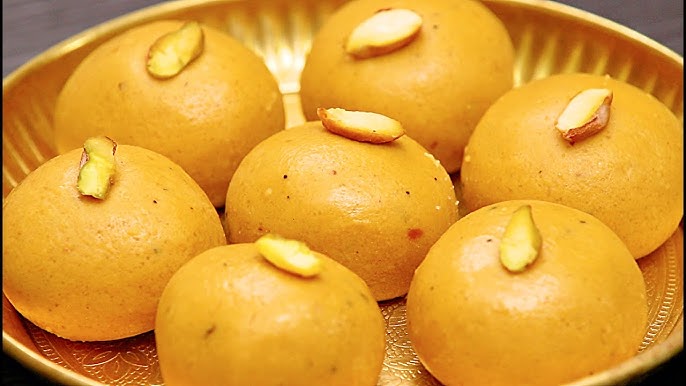
Besan Ladoo Recipe: If there’s one sweet that truly brings warmth, nostalgia, and a smile to every Indian household, it’s Besan Ladoo. Made from roasted gram flour, ghee, and sugar, these round, golden delights are a staple during festive seasons, weddings, and family get-togethers. Whether you’re preparing for Diwali, celebrating Raksha Bandhan, or simply craving something sweet and homemade, besan ladoos never disappoint.
What’s great about this sweet? It’s not just about the taste—it’s about the memories. You may remember your mom or grandmother slowly roasting the besan until the kitchen was filled with a rich, nutty aroma. Or maybe you’ve tried store-bought versions that never quite matched that homemade perfection.
In this guide, we’ll take you through every step needed to make authentic besan ladoo at home. This isn’t just another recipe—it’s a journey. One that’s warm, aromatic, and utterly satisfying.
So roll up your sleeves, gather your ingredients, and let’s make some magic.
Ingredients You’ll Need
Making perfect besan ladoos starts with selecting the right ingredients. Here’s a list of everything you’ll need:
Core Ingredients:
- Besan (Gram Flour) – 2 cups
- Ghee (Clarified Butter) – ¾ cup (melted)
- Powdered Sugar – 1 cup (adjust to taste)
- Cardamom Powder – 1 teaspoon
Optional Add-ons:
- Chopped almonds, cashews, or pistachios
- A pinch of saffron
- Raisins for a fruity touch
- A spoon of desiccated coconut for added texture
When making traditional sweets like this, ingredient quality matters. Use fresh ghee and high-quality besan. Powdered sugar helps in even blending, and cardamom adds that irresistible aroma.
Tools & Equipment Required
Having the right tools on hand will make the entire process much easier.
Must-Have Tools:
- Heavy-bottomed non-stick pan or kadhai
- Wooden or silicone spatula
- Sieve (for sifting flour and sugar)
- Mixing bowls
- Plate or tray (for cooling mixture)
- Clean hands (for shaping the ladoos!)
Optional but Helpful:
- Measuring cups and spoons
- Food thermometer (if you’re a perfectionist)
- Ladoo shaper (for uniform sizes)
A non-stick pan is especially helpful as besan tends to stick when roasted over time. Use a spatula that can scrape well from the sides and bottom, so nothing burns.
How to Choose the Right Besan (Gram Flour)
All besan is not created equal. For soft, melt-in-your-mouth ladoos, go for fine-textured besan.
Types of Besan:
- Fine besan – best for sweets, gives a smooth texture
- Coarse besan (Ladoo besan) – adds crunch, great for texture lovers
You can even mix both for a balanced flavor. Always sift the flour before roasting to remove lumps and ensure even cooking.
Pro Tip: If your besan is old or stored for a long time, it may smell stale. Always sniff it before use!
Step-by-Step Guide to Make Besan Ladoo
Let’s get into the fun part. Here’s how to make besan ladoos from scratch.
Step 1: Sift the Besan
Sift 2 cups of besan into a bowl. This removes lumps and helps in even roasting. Lumpy besan = unevenly cooked ladoos.
Step 2: Roast the Besan
Heat a heavy-bottomed pan on low flame. Add ¾ cup of ghee and allow it to melt. Add the sifted besan slowly, stirring continuously.
Roast the mixture patiently on low heat. Stir, stir, and stir some more. This is the most important step. The mixture will first clump up, then loosen as it roasts. It’ll take 15–20 minutes.
Step 3: Look for the Golden Color and Aroma
As it roasts, the color changes from pale yellow to golden, and the kitchen will smell nutty and divine. That’s your cue—it’s perfectly roasted!
Be careful not to burn it. If unsure, turn off the flame just as it starts smelling like roasted nuts.
Step 4: Let It Cool
Transfer the roasted mixture to a wide plate and let it cool for 10–15 minutes. It should be warm—not hot—before adding sugar. Hot mixtures melt sugar and make it sticky.
Step 5: Add Sugar and Cardamom
Add 1 cup of powdered sugar and 1 teaspoon of cardamom powder to the warm mixture. Mix well with your hands or a spatula until everything is evenly combined.
Step 6: Shape the Ladoos
Scoop out a portion and press it between your palms to shape round ladoos. If the mixture crumbles, add a teaspoon of warm ghee and mix again.
Place the ladoos on a tray. Garnish with chopped nuts or silver vark if desired.
Expert Tips for Perfect Besan Ladoo
Even though besan ladoos use simple ingredients, getting them just right can take a little practice. But don’t worry — these expert tips will save you from common mistakes and help you make ladoos like a pro:
1. Always Roast on Low Flame
This is non-negotiable. Roasting besan on high heat might seem faster, but it can leave you with a bitter, burnt flavor. Low flame ensures that the besan roasts evenly and develops its rich aroma and golden hue without any bitterness.
2. Stir Continuously
Roasted besan tends to stick to the bottom and clump up if not stirred regularly. Use a flat spatula and scrape the bottom and sides of the pan frequently. Think of it as a gentle massage for your flour—constant, but not aggressive.
3. Don’t Add Sugar When Hot
Hot besan + sugar = disaster. Your mixture will become sticky and unmanageable. Always allow the roasted besan to cool slightly before adding sugar. You want it warm—not hot—when mixing in powdered sugar and cardamom.
4. Adjust Ghee Gradually
Every batch of besan is different. Some might absorb more ghee, others less. So, don’t dump all the ghee at once. Start with ¾ cup and add more only if needed. If your ladoos won’t bind, add a spoon or two of melted ghee to fix it.
5. Use Powdered Sugar Only
Regular granulated sugar won’t blend well and will make the texture gritty. Always use powdered or icing sugar for a smooth finish.
6. Add Nuts for Crunch
Chopped almonds, cashews, or pistachios add lovely crunch and elevate your ladoos from basic to gourmet. Toast the nuts slightly before mixing for extra flavor.
By following these tips, you’ll not only make perfect ladoos every time but also save yourself from some common kitchen frustrations.
Flavor Variations
Want to give your traditional besan ladoos a twist? Here are some delicious flavor ideas you can experiment with:
Nutty Besan Ladoo
- Add chopped almonds, cashews, or pistachios while mixing the sugar.
- You can even roast them lightly in ghee for an enhanced flavor.
- Nutty bits add a crunchy texture that balances the softness of the besan.
Coconut-Infused Besan Ladoo
- Add 2–3 tablespoons of desiccated coconut during the final mixing stage.
- Coconut gives it a subtle tropical twist that pairs beautifully with cardamom.
Chocolate Besan Ladoo
- Mix in 1 tablespoon of unsweetened cocoa powder or melted dark chocolate into the roasted besan before adding sugar.
- Perfect for kids or anyone who loves a chocolatey spin on traditional sweets.
Jaggery Besan Ladoo
- Replace sugar with grated jaggery for a more earthy, rustic flavor.
- Melt the jaggery separately and then mix it into the warm besan mixture.
These variations are not just fun to make but also great when you’re gifting ladoos or want to impress your guests with something unique.
How to Store Besan Ladoo Properly
So you’ve made a big batch of ladoos—now what? Here’s how to store them the right way so they stay fresh and delicious.
Room Temperature Storage:
- Store in an airtight container at room temperature.
- They stay good for 2–3 weeks in cool, dry places.
- Avoid storing them near moisture or heat (like the stove or fridge door area).
Refrigeration:
- Not usually necessary, but if your house is too hot or humid, you can refrigerate them.
- Just remember to bring them to room temperature before eating—they taste better that way.
Freezing:
- You can freeze besan ladoos for up to 2 months.
- Wrap each ladoo in cling wrap or parchment paper and place them in an airtight container or zip-lock bag.
- Thaw at room temperature before serving.
Pro Tip:
Layer ladoos with parchment paper if stacking them to avoid sticking. Don’t use plastic containers with a strong odor—they might pass that onto the sweets.
Besan Ladoo Nutrition Facts
While besan ladoos are definitely indulgent, they also come with some nutritional perks, especially when made at home.
| Nutrient | Approx. per Ladoo (30g) |
|---|---|
| Calories | 150–180 kcal |
| Carbohydrates | 15–18g |
| Protein | 3–4g |
| Fat | 8–10g |
| Fiber | 1–2g |
Health Benefits:
- Besan is rich in protein and fiber, which helps with digestion and keeps you full longer.
- Ghee is a source of healthy fats that aid in nutrient absorption and give energy.
- Cardamom aids digestion and freshens breath.
Yes, it’s a sweet, but compared to many store-bought options, homemade besan ladoos are preservative-free and can be portion-controlled.
Kid-Friendly Version
Got little ones at home? Besan ladoos are surprisingly kid-friendly and make for a healthy-ish treat—when prepared the right way.
Tips for Making It Kid-Approved:
- Reduce sugar slightly to avoid excessive sweetness.
- Use fine besan for a smoother texture.
- Add chopped nuts only if your child can chew well.
- Skip strong spices—stick to mild cardamom flavor.
- Shape smaller ladoos for tiny hands!
You can also roll the ladoos in a bit of powdered coconut or drizzle with melted chocolate to make them look more fun and attractive to children.
Festive Presentation Ideas
Nothing says “celebration” like beautifully packed homemade sweets. Here’s how you can present besan ladoos in style:
Gift Box Ideas:
- Use eco-friendly kraft boxes or tin containers.
- Add parchment paper or butter paper at the base.
- Place each ladoo in a cupcake liner to avoid sticking.
Decorations:
- Top with a silver vark, chopped pistachios, or rose petals.
- Tie the box with ribbon or twine and add a handwritten label.
Perfect for:
- Diwali gift hampers
- Wedding favors
- Housewarming gifts
- Teacher appreciation treats
These simple touches make your homemade ladoos feel luxurious and thoughtful.
Troubleshooting Guide
Not everything goes as planned in the kitchen, and that’s okay! Here’s how to fix some of the most common issues when making besan ladoos:
1. Ladoos Not Binding Well
Problem: The mixture crumbles when you try to shape it.
Solution: Add 1–2 teaspoons of warm ghee to the mixture and try shaping again. If it’s still too dry, give it a gentle warm-up on low heat for 1–2 minutes before shaping.
2. Mixture Too Sticky
Problem: The mixture feels too oily or sticky to handle.
Solution: Let it rest for 10–15 more minutes. The ghee will firm up slightly as it cools. Also, check if you added too much ghee — you may need to balance it with a bit of extra roasted besan.
3. Ladoos Are Too Hard
Problem: The ladoos feel too firm or dry after cooling.
Solution: This usually happens if the sugar was added when the mixture was too hot. Unfortunately, you can’t completely reverse this, but letting them sit in an airtight container for a day can sometimes help soften them a bit.
4. Gritty Texture
Problem: The texture isn’t smooth; it feels grainy or lumpy.
Solution: Sift the besan and sugar before use. Also, ensure that the besan is roasted evenly and thoroughly.
By understanding these problems and how to fix them, you’ll soon master the art of making perfect besan ladoos every single time.
Comparison: Homemade vs Store-Bought
You might wonder—why go through the trouble of making besan ladoos at home when you can just buy them? Here’s a quick comparison to help you decide:
| Feature | Homemade Besan Ladoo | Store-Bought Ladoo |
|---|---|---|
| Taste | Rich, fresh, personalized | Often bland or overly sweet |
| Ingredients | Pure and customizable | May include preservatives |
| Texture | Soft and melt-in-mouth | Sometimes too dry or hard |
| Cost | Economical in bulk | Costly for premium quality |
| Hygiene | Total control in your kitchen | Varies by vendor |
Bottom line? Homemade wins in almost every category. Plus, there’s the joy and pride of saying, “I made these!”
Cultural Significance of Besan Ladoo
Besan ladoo isn’t just a sweet treat—it carries deep cultural roots in India.
1. A Must-Have During Festivals
From Diwali to Ganesh Chaturthi, these ladoos are a festival favorite. They’re often offered in pujas and distributed as prasad (sacred offerings).
2. Symbol of Prosperity
In many Indian households, ladoos are made to celebrate new beginnings, like housewarming ceremonies, weddings, and naming ceremonies. The round shape is believed to symbolize completeness and unity.
3. Regional Twists
- In North India, besan ladoos are often made with coarse gram flour for extra crunch.
- In South India, similar sweets like Mysore Pak are popular with a slightly different preparation.
Whether it’s for spiritual reasons or simple indulgence, besan ladoos carry traditions that connect generations.
FAQs about Besan Ladoo Recipe
1. Can I make besan ladoo without ghee?
Technically yes, but it won’t taste the same. Ghee gives besan ladoos their signature flavor and smooth texture. If needed, you can substitute with coconut oil for a vegan version, but expect a different flavor profile.
2. How long does it take to make besan ladoo?
From start to finish, it takes around 45–60 minutes, including roasting, cooling, mixing, and shaping. Roasting is the most time-consuming part—but also the most important.
3. What sugar works best—powdered or granulated?
Powdered sugar is the best choice. It blends evenly with the roasted besan and gives a smooth finish. Avoid granulated sugar as it can make the mixture grainy.
4. Can I double the recipe for a larger batch?
Yes! Just keep the proportions the same and roast the besan in batches if your pan is small. Overcrowding the pan can lead to uneven roasting.
5. How do I make vegan besan ladoo?
Simply replace ghee with coconut oil or vegan butter. Keep in mind that this will slightly alter the taste and texture, but it’s still delicious!
Conclusion
So there you have it — your complete, foolproof guide to making perfect besan ladoos at home. From choosing the right flour to shaping each ladoo with love, every step is a chance to bring tradition and taste together in a single bite.
These ladoos aren’t just sweets. They’re a celebration of family, festivity, and flavor. And the best part? You don’t need fancy tools or a professional kitchen. Just some besan, ghee, sugar, and patience.
So the next time you feel like adding a little sweetness to your day—or someone else’s—give this recipe a try. Trust me, once you get it right, you’ll never look at store-bought sweets the same way again.