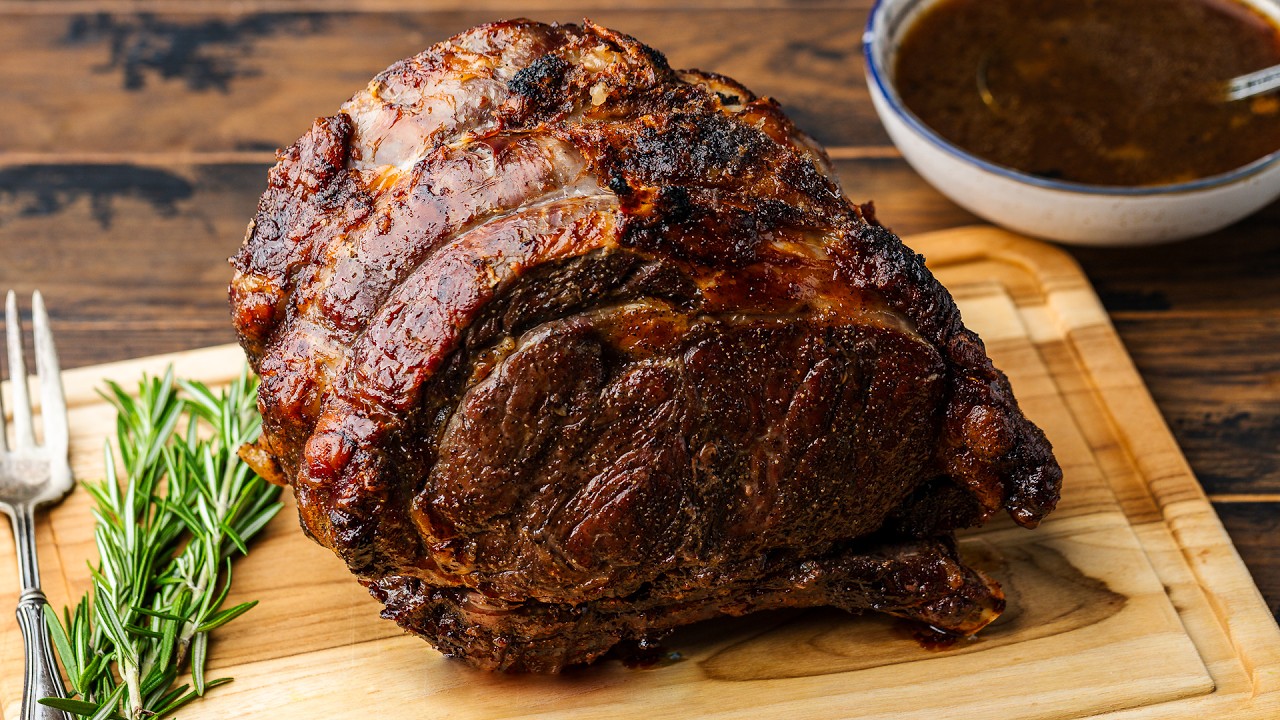
Beef Rib Roast Recipe: When it comes to making a statement at the dinner table, few dishes can compete with a perfectly cooked beef rib roast. It’s grand. It’s juicy. It’s bursting with flavor. Whether you’re preparing for Christmas, New Year’s Eve, a birthday bash, or a cozy Sunday dinner, a beef rib roast brings elegance and comfort together in the most delicious way possible.
Think about it—when you bring out a beautifully roasted slab of meat with those magnificent bones, it turns heads. But here’s the kicker: it’s way easier to make than it looks. It’s all about timing, technique, and a little bit of patience. Once you’ve mastered the basics, this could easily become your signature dish.
What is Beef Rib Roast?
A beef rib roast, also known as a standing rib roast, is cut from the primal rib section of the cow. It typically includes 6 to 7 ribs and is known for its rich marbling, tender texture, and unbeatable flavor. This is the same cut used for prime rib—but the difference lies mostly in preparation and naming.
Here’s the breakdown:
- Beef Rib Roast is the general term for the cut.
- Prime Rib refers to the way it’s cooked—usually roasted whole and served medium-rare.
If you’re buying meat from a butcher or grocery store, it’s helpful to clarify what you’re getting. Bone-in versions have more flavor and visual appeal, while boneless ones are easier to carve. Either way, the key lies in cooking it just right.
Benefits of Cooking a Beef Rib Roast
Let’s face it: a beef rib roast is a splurge. But it’s one worth making. Here’s why:
- Unmatched Flavor: The marbling melts into the meat during roasting, giving it that rich, buttery taste.
- Tenderness: This cut is naturally tender, especially when cooked medium-rare to medium.
- Feeds a Crowd: A large roast can serve 6 to 10 people easily, making it ideal for gatherings.
- Great for Leftovers: From sandwiches to beef stroganoff, the leftovers are just as amazing.
Also, when done right, it looks impressive with very little effort. You don’t need fancy techniques—just a solid recipe and a little love.
Choosing the Right Cut
One of the most important decisions is choosing the right piece of meat. Not all beef rib roasts are created equal.
Bone-In vs. Boneless
- Bone-In: Adds flavor and helps insulate the meat for even cooking. It also looks stunning when served.
- Boneless: Easier to slice and may cook a bit faster. Ideal if you want to simplify carving.
Beef Grades
- Prime: The best marbling, richest flavor. Often found at specialty butchers or higher-end grocery stores.
- Choice: Still great quality and more widely available.
- Select: Leaner and less flavorful; not recommended for roasting unless heavily seasoned and marinated.
When in doubt, ask your butcher. A 3- to 4-bone roast usually weighs around 6–8 pounds and feeds 6–8 people.
How Much Beef Rib Roast Per Person?
Here’s a quick serving guide to help you plan:
- Bone-In Roast: Estimate 1 pound per person.
- Boneless Roast: Estimate 3/4 pound per person.
If you’re serving big eaters or want leftovers, err on the side of more. Trust me—you won’t regret having extra.
Ingredients You’ll Need
You don’t need a long list of ingredients to make a flavorful beef rib roast. Simplicity is key. Here’s what you’ll need:
Basic Ingredients:
- 1 beef rib roast (bone-in or boneless, 6–8 pounds)
- 3 tbsp kosher salt
- 2 tbsp freshly ground black pepper
- 6 cloves garlic, minced
- 2 tbsp olive oil or softened butter
- 1 tbsp fresh rosemary, finely chopped
- 1 tbsp fresh thyme, finely chopped
Optional Additions:
- 1 tbsp Dijon mustard
- 1 tsp onion powder
- Crushed red pepper flakes (for a kick)
- 1 cup red wine (for gravy)
- 2 cups beef broth (for gravy)
These ingredients create a savory crust that enhances the roast’s natural flavor while keeping it juicy inside. Herbs like rosemary and thyme give it that earthy, aromatic edge that makes your kitchen smell like heaven.
Essential Equipment for Cooking
Having the right tools can make or break your roast. Here’s what you’ll need:
- Roasting Pan: Sturdy with a rack to lift the meat.
- Meat Thermometer: Instant-read or probe-style. Don’t guess the doneness!
- Sharp Carving Knife: Essential for clean, smooth slices.
- Aluminum Foil: For tenting the meat while it rests.
- Mixing Bowl & Brush: For blending and applying your rub or butter mixture.
You don’t need to go out and buy anything fancy—but make sure your tools are reliable. A thermometer alone will save your roast from overcooking.
How to Prep Your Beef Rib Roast
Preparation is everything. It starts hours before you even turn on the oven.
Step 1: Let It Rest
Take the roast out of the fridge at least 1 to 2 hours before cooking. Letting it come to room temperature ensures even cooking from edge to center.
Step 2: Trim & Tie
If the fat cap is too thick (more than ½ inch), trim it down a bit. If it’s bone-in, consider tying it with butcher’s twine to help keep its shape.
Step 3: Season Generously
Rub the roast all over with olive oil or softened butter. Then apply your salt, pepper, garlic, and herbs. Be generous. This creates the crusty, flavorful exterior.
You can even season it a day ahead and refrigerate it uncovered for a dry-brine effect. Just bring it to room temp before roasting.
Step-by-Step Cooking Instructions
Now it’s time to turn that beautiful cut of beef into a masterpiece. Follow these simple steps and you’ll get a juicy, flavorful roast every single time.
Step 1: Preheat the Oven
Start by preheating your oven to 450°F (232°C). This high temperature helps sear the outside of the meat, locking in all those juices. Make sure your oven is fully heated before you place the roast inside.
Step 2: Place the Roast in the Pan
Set your seasoned beef rib roast on a rack inside a roasting pan. The rack allows heat to circulate and fat to drip away, helping you get that crispy exterior and even cooking.
Pro Tip: Place the roast bone-side down if it’s bone-in. The bones act as a natural roasting rack.
Step 3: Roast at High Heat
Roast at 450°F for 20 minutes. This gives the outer layer a nice sear, creating that delicious crust everyone loves.
Step 4: Reduce the Heat
After the initial sear, reduce the oven temperature to 325°F (163°C). Continue roasting for:
- 15–20 minutes per pound for medium-rare
- 20–25 minutes per pound for medium
Don’t go by time alone—use your meat thermometer for accuracy.
Internal Temperature Guide:
- Rare: 120–125°F (49–52°C)
- Medium-Rare: 130–135°F (54–57°C)
- Medium: 140–145°F (60–63°C)
- Well-Done: 150°F+ (66°C+)
Insert the thermometer into the thickest part of the roast, avoiding bones and fat.
Step 5: Rest the Roast
Once it reaches your desired internal temp, remove the roast from the oven. Tent it loosely with foil and let it rest for 20–30 minutes. This is crucial. Resting allows the juices to redistribute, making each slice tender and moist.
Creating the Perfect Seasoning Blend
A beef rib roast is delicious on its own, but the right blend of herbs and spices can take it to the next level. You’re not just seasoning the meat—you’re creating a flavorful crust that adds texture and punch.
Basic Herb Blend:
Here’s a winning combo that never fails:
- 2 tbsp kosher salt
- 1 tbsp freshly cracked black pepper
- 2 tbsp garlic (minced or crushed)
- 1 tbsp rosemary (fresh, finely chopped)
- 1 tbsp thyme (fresh, finely chopped)
- 2 tbsp olive oil or softened butter
Mix all ingredients into a paste and rub it all over the roast. Be sure to coat every inch—top, sides, and even the bottom. Let the roast sit with the seasoning at room temperature for 1 hour, or refrigerate overnight for more flavor depth.
Flavor Variations:
- Spicy Rub: Add a pinch of cayenne or crushed red pepper flakes.
- Smoky Twist: Sprinkle with smoked paprika or chipotle powder.
- Garlic Mustard Crust: Add 1 tbsp Dijon mustard to your herb mix.
Don’t be afraid to get creative. This is your signature dish—make it yours.
How to Make a Rich Pan Gravy
One of the best parts about roasting meat? The drippings. They’re liquid gold. Don’t let them go to waste—turn them into a luscious, rich pan gravy that you can drizzle over every slice.
Ingredients for Pan Gravy:
- 2 tbsp fat from pan drippings
- 2 tbsp all-purpose flour
- 1 cup beef broth (or water)
- ½ cup red wine (optional)
- Salt and pepper to taste
Instructions:
- Skim the fat off the top of your pan drippings and pour it into a saucepan.
- Whisk in the flour over medium heat to make a roux. Cook for 2–3 minutes until golden brown.
- Slowly add the beef broth, whisking constantly to avoid lumps.
- Stir in the wine if using. Simmer until the gravy thickens (5–10 minutes).
- Season with salt and pepper to taste.
That’s it! You’ve got yourself a silky, rich gravy perfect for spooning over each juicy slice of roast.
Roasting Tips & Tricks
Even though beef rib roast is relatively simple, a few insider tips can take your dish from good to unforgettable.
Sear First or Not?
While some recipes suggest pan-searing the roast before cooking, the high-heat method in the oven (starting at 450°F) already creates a crisp crust. That said, if you’re cooking a boneless roast, a stovetop sear in a cast-iron skillet can be helpful for full surface browning.
Use a Meat Thermometer
This can’t be stressed enough—don’t guess. A thermometer guarantees that your roast reaches the perfect doneness without overcooking.
Avoid Overcooking the Ends
If you’re worried about the thinner ends overcooking, cover them loosely with foil halfway through roasting. This helps prevent them from drying out before the center is done.
Let It Rest!
Resting your roast is non-negotiable. Cutting into it too early causes juices to spill out and the meat to become dry. Always let it sit for at least 20–30 minutes under a foil tent.
Common Mistakes to Avoid
No one wants to ruin a pricey cut of meat. Here are some common pitfalls to watch out for:
- Skipping the Thermometer: Guessing leads to overcooked or undercooked meat. Use a thermometer every time.
- Underseasoning: Don’t be shy with salt, herbs, and garlic. Big cuts need bold flavors.
- Skipping the Resting Period: Your roast will be dry and tough if you carve it too soon.
- Using Cold Meat: Always bring the roast to room temperature before cooking. Cold meat cooks unevenly.
Pay attention to these and your beef rib roast will come out perfect every single time.
Serving Your Beef Rib Roast
You’ve done all the hard work—now it’s time to carve and serve.
Carving Tips:
- If bone-in, slice along the bone to remove the meat, then cut into slices against the grain.
- For boneless, simply slice in thick, even cuts.
- Use a sharp carving knife or electric knife for clean cuts.
Perfect Side Dishes:
Here are some killer pairings for your roast:
- Garlic mashed potatoes
- Creamed spinach
- Roasted Brussels sprouts
- Yorkshire pudding
- Horseradish cream sauce
- Red wine reduction
Go for hearty, comforting sides that can hold their own next to such a rich main dish.
Storing & Reheating Leftovers
Let’s be real—leftovers from a beef rib roast are a blessing. That tender, flavorful meat can be turned into amazing next-day meals if you store and reheat it the right way. The key here is preserving its juiciness.
Storing Leftovers
- Refrigerate Promptly: Let the meat cool to room temperature (no more than 2 hours after serving), then store it in an airtight container.
- Slice Before Storing: It’s easier to reheat and use later if the meat is sliced.
- Use Within 4 Days: Beef rib roast will stay fresh in the fridge for about 3 to 4 days.
Freezing Leftovers
Want to save some for later? No problem.
- Wrap slices individually in plastic wrap and then aluminum foil.
- Place in freezer-safe bags or containers.
- Label with the date.
- Use within 2–3 months for best quality.
Reheating Tips
Be gentle when reheating to avoid drying out the meat:
- Oven Method: Place slices in a baking dish with a bit of beef broth or leftover gravy. Cover tightly with foil and heat at 300°F (150°C) for about 10–15 minutes.
- Stovetop: Heat in a pan with a splash of broth over low heat until warmed through.
- Microwave: Not ideal, but if you’re in a rush, microwave with a damp paper towel over the meat for 1–2 minutes on low power.
Leftover Meal Ideas:
- Beef Sandwiches: Stack warm slices on crusty bread with horseradish mayo.
- Steak and Eggs: Pan-fry slices with eggs for a hearty breakfast.
- Beef Stroganoff: Slice thin and toss into a creamy mushroom sauce with pasta.
- Tacos or Wraps: Shred and use as a filling with your favorite toppings.
Don’t let a single bite go to waste—your roast deserves better!
FAQs about Beef Rib Roast Recipe
1. How long does it take to cook a beef rib roast?
The general rule is 15–20 minutes per pound at 325°F for medium-rare, but the most accurate method is using a meat thermometer. Aim for an internal temperature of 130–135°F for medium-rare.
2. Can I cook it the day before and reheat?
Yes! Cook it a day ahead, let it cool, and store it in the fridge. Reheat gently in the oven with foil and a splash of broth or gravy to retain moisture.
3. What’s the best wine to pair with beef rib roast?
A full-bodied red like Cabernet Sauvignon, Syrah, or Merlot pairs perfectly. Their bold flavors complement the richness of the roast.
4. How do I know it’s done?
Use a meat thermometer! Don’t guess. For medium-rare, remove the roast at 130°F and let it rest—it will rise to 135°F as it sits.
5. Can I freeze leftover roast beef?
Absolutely. Wrap slices well in foil or plastic wrap, place them in freezer bags, and use them within 2–3 months. Thaw in the fridge overnight before reheating.
Conclusion
A beef rib roast isn’t just a dish—it’s an experience. From the rich aroma that fills your kitchen to the first juicy bite that melts in your mouth, this meal brings everyone to the table with excitement and anticipation. And despite how fancy it looks, it’s surprisingly doable—even for beginner home cooks.
All you really need is quality meat, a solid seasoning blend, a meat thermometer, and a little patience. Whether it’s for the holidays or a special Sunday dinner, following this step-by-step guide ensures that your roast turns out tender, flavorful, and unforgettable every single time.
Remember to rest the meat, carve against the grain, and serve it with love. That’s the real secret ingredient.