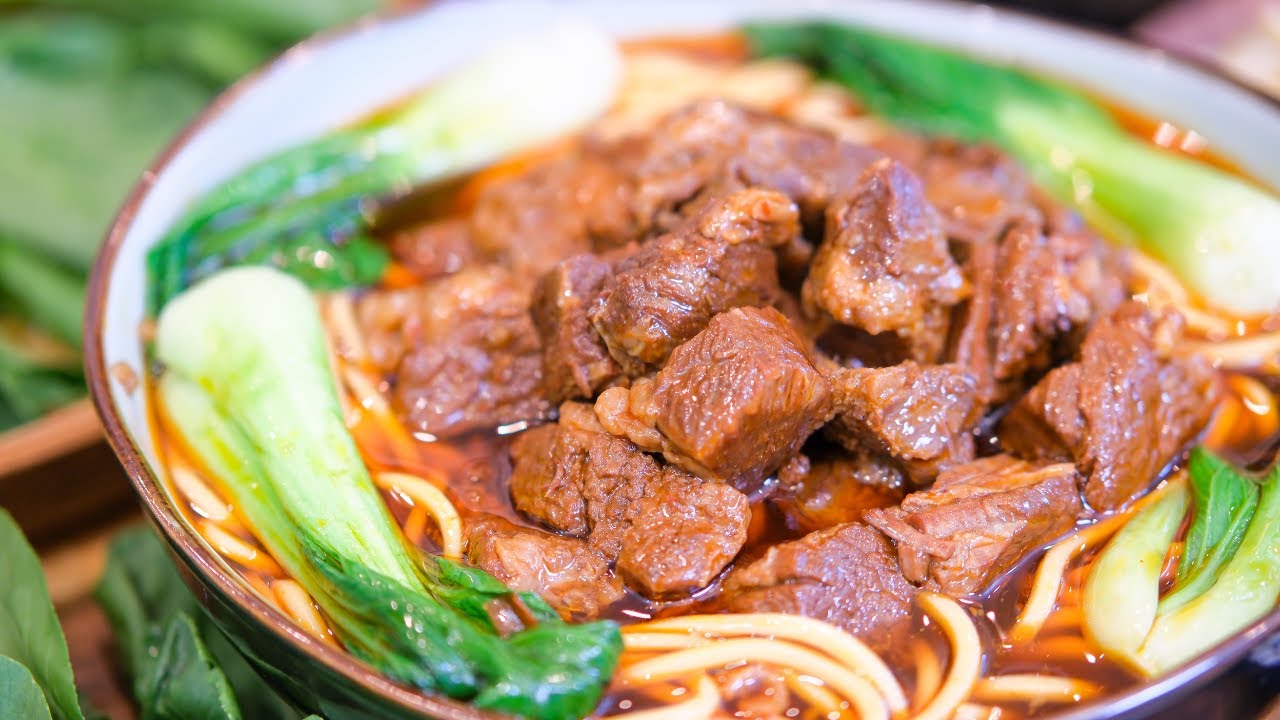
Beef Noodle Recipe: There’s just something magical about a hot, steaming bowl of beef noodles. Whether it’s a rainy afternoon or you’re simply craving something hearty, beef noodle soup hits the spot every single time. This dish is known worldwide, with different versions from Taiwan, China, Vietnam, and even Western adaptations. The beef is juicy, the noodles are perfectly chewy, and the broth? Oh, it’s the soul of the bowl—rich, flavorful, and soothing.
If you’ve never made beef noodles from scratch, don’t worry. This guide will walk you through every detail, from picking your beef to assembling that perfect Instagram-worthy bowl. And the best part? It’s not as complicated as you might think.
Ingredients You’ll Need
The secret to an incredible bowl of beef noodles starts with quality ingredients. Each component plays a key role in flavor, texture, and the overall satisfaction of your meal. Let’s break it down:
Essential Ingredients for the Broth
The broth is the heart of any noodle dish. It’s where all the flavors come together, and believe it or not, the better your broth, the more “restaurant-quality” your noodles will taste.
- Beef bones (marrow or knuckle bones preferred) – for deep, rich flavor
- Water – about 10 cups for a large pot
- Soy sauce (both light and dark if possible) – for saltiness and color
- Garlic (5-6 cloves, smashed) – for aroma and depth
- Ginger (sliced, about 2 inches) – for warmth and fragrance
- Star anise (2-3 pods) – brings a subtle sweet spice
- Cinnamon stick (1) – another spice that boosts complexity
- Scallions (3-4, cut into large pieces) – add freshness
- Shaoxing wine (optional) – enhances aroma
Choosing the Right Cut of Beef
Not all beef is created equal when it comes to noodle soup. You need a cut that becomes tender when simmered for a long time without falling apart.
- Beef shank – super tender after slow cooking
- Beef brisket – great marbling and flavor
- Chuck roast – affordable and rich
- Short ribs (optional) – luxurious and flavorful
Make sure to cut the beef into medium-sized chunks so it cooks evenly and absorbs all that flavor.
Best Noodles to Use
Noodles can make or break your beef noodle dish. Choose based on your preference:
- Wheat noodles (fresh or dried) – classic for Chinese and Taiwanese versions
- Rice noodles – popular in Vietnamese Pho
- Hand-pulled noodles (if available) – authentic but requires skill or pre-made purchase
- Instant ramen (in a pinch) – a convenient substitute
Cook your noodles separately to avoid a cloudy broth.
Optional Toppings and Add-ons
Customizing your bowl is half the fun. These toppings add crunch, spice, freshness, and personality.
- Bok choy or spinach (lightly blanched)
- Pickled mustard greens
- Chili oil or fresh sliced chili
- Fresh cilantro or basil
- Sliced green onions
- Soft-boiled egg
- Bean sprouts
- Sesame seeds
Feel free to mix and match based on what you love.
Kitchen Tools You’ll Need
You don’t need a fancy kitchen to make beef noodles, but having the right tools can make your life a lot easier:
- Large stock pot or Dutch oven
- Fine mesh strainer
- Chef’s knife
- Chopping board
- Ladle
- Tongs or slotted spoon
- Noodle strainer or colander
- Soup bowls for serving
These basics will set you up for smooth cooking from start to finish.
Preparing the Ingredients
Now that you’ve gathered your ingredients, let’s prep everything properly. This step can save time during the cooking process and ensures the best flavor and texture.
How to Prep Your Beef for Tenderness
- Trim excess fat but keep some for flavor.
- Cut beef into uniform chunks so they cook evenly.
- Blanch the beef briefly in boiling water for 5 minutes. This removes impurities and keeps your broth clean.
- Rinse with cold water and set aside.
This quick blanching step is what separates clean, restaurant-style broth from cloudy homemade disasters.
Prepping Vegetables and Aromatics
- Smash garlic cloves—no need to mince.
- Slice ginger (no need to peel if it’s clean).
- Chop scallions into 2-inch pieces.
- Wash greens and set aside for later.
- Soak optional toppings like pickled mustard greens or chili peppers in warm water to freshen them.
Proper prep here helps flavors come through more clearly in the final dish.
Step-by-Step Guide to Making Beef Noodles
Let’s get cooking! Now that everything’s prepped, it’s time to dive into the process. This part is all about layering flavors, building a beautiful broth, and bringing everything together like a pro.
Step 1: Searing the Beef
Start by heating oil in a pot over medium-high heat. Add beef slices or chunks and sear until browned on all sides. This step builds a deep, savory flavor that forms the foundation of the dish. Remove the beef and set aside.
Step 2: Building a Flavorful Broth
In the same pot, sauté onions, garlic, and ginger until fragrant. Add soy sauce, a touch of oyster sauce, and beef stock or water. Stir well, scraping up any browned bits from the bottom of the pot—this adds extra richness to the broth.
Step 3: Simmering the Broth to Perfection
Return the beef to the pot and bring the broth to a gentle boil. Reduce heat and simmer for 30–45 minutes, or until the beef is tender and the flavors are well developed. Skim off excess fat if needed for a cleaner broth.
Step 4: Cooking the Noodles Separately
While the broth simmers, cook the noodles according to package instructions in a separate pot of salted water. Drain and rinse briefly to prevent sticking. Cooking noodles separately keeps the broth clear and prevents overcooking.
Step 5: Assembling the Bowl
Divide the cooked noodles into serving bowls. Ladle hot beef and broth over the noodles. Top with sliced green onions, herbs, or chili oil if desired. Serve immediately and enjoy a warm, comforting bowl of beef noodles.
Pro Tips for Best Results
Want your beef noodles to be next level? Here are some pro tips used by chefs and noodle house veterans:
How to Make the Beef Extra Tender
- Low and slow is the name of the game. Don’t rush the simmer.
- Add a splash of vinegar or tomato paste to help break down the meat (yes, it works!).
- Use a pressure cooker to reduce simmering time without sacrificing texture.
Also, always cut against the grain when slicing beef — it keeps the meat from feeling chewy.
Broth Enrichment Techniques
If your broth tastes a little flat, try this:
- Add a dash of fish sauce (sparingly) — adds umami
- A spoon of miso paste can deepen the broth
- Toast your spices before adding for extra aroma
- Add a piece of dried tangerine peel or mushrooms for an earthy twist
Remember, good broth isn’t just salty — it’s layered and complex.
How to Store and Reheat
Made too much? Great! Beef noodles actually taste even better the next day.
Storing Leftovers Safely
- Store noodles and broth separately to avoid sogginess.
- Place cooled broth in an airtight container and refrigerate for up to 4 days.
- Noodles can be kept in a zip-lock or container in the fridge for 2-3 days.
You can also freeze the broth for up to 2 months — just defrost overnight in the fridge before reheating.
Reheating Without Losing Flavor
- Reheat broth over medium heat until simmering.
- Warm noodles by dipping them briefly in hot water (don’t microwave them directly).
- Combine just before serving.
Avoid boiling the broth again—gentle heating helps retain flavor and texture.
Variations of Beef Noodles
Around the world, beef noodle soup takes on different forms. Each version adds its own twist, spices, and traditions.
Spicy Taiwanese Beef Noodles
- Made with doubanjiang (fermented chili bean paste)
- Deep red broth, spicy and flavorful
- Usually served with pickled mustard greens
Vietnamese Pho-Style Beef Noodles
- Uses rice noodles and thinly sliced raw beef
- Clear, light broth made with beef bones and fish sauce
- Topped with Thai basil, lime, bean sprouts
Chinese Lanzhou-style Beef Noodles
- Known for hand-pulled noodles
- Clear beef broth with radish slices and chili oil
- Often served with garlic and herbs on the side
Each variation has its charm — try them all to find your favorite!
Vegetarian or Vegan Twist
Craving the comfort of beef noodles but want a plant-based option? No problem! You can absolutely recreate the depth and richness of beef noodle soup without using any animal products. It’s all about substituting the right ingredients while maintaining those bold, savory flavors.
Here’s how you can do it:
Swap the beef with:
- Braised tofu
- Seitan (wheat gluten)
- Soy curls or tempeh
- King oyster mushrooms (meaty and satisfying)
For the broth, start with a hearty vegetable base:
- Carrots, onions, celery as your aromatics
- Add miso paste, dried mushrooms (shiitake are best), soy sauce, and seaweed (like kombu) to develop umami
- Star anise, ginger, and garlic still play a big role here
Keep the same toppings:
- Bok choy, green onions, chili oil, sesame seeds, cilantro — they’re all vegan-friendly
Tip: Roast or pan-fry your tofu or mushrooms with soy sauce and garlic for an extra umami boost before adding them to your bowl.
The result? A steaming hot bowl of noodles that’s just as comforting, rich, and deeply satisfying — all while staying meat-free.
Common Mistakes to Avoid
Even the most experienced home cooks can make a few missteps. Here’s what to watch out for when making beef noodles:
1. Skipping the Beef Blanching Step
- This is one of the most important steps to get a clean, clear broth.
- Blanching removes blood and impurities that can cloud your soup and create unwanted bitterness.
2. Overcooking the Noodles in the Broth
- Noodles should be cooked separately. Letting them boil in the broth can make them mushy and cause the soup to become starchy.
3. Using the Wrong Cut of Beef
- Lean cuts like sirloin tend to dry out. Go for shank, brisket, or chuck for the most tender results.
4. Rushing the Simmer
- The magic of beef noodle soup happens over time. Skipping the low simmer means skipping flavor.
5. Under-seasoning
- Taste and adjust as you go. A pinch of sugar, soy sauce, or vinegar can elevate your entire dish.
Avoid these pitfalls, and you’re guaranteed to end up with a bowl that tastes like it came straight from a noodle shop.
Pairing Suggestions
A bowl of beef noodles is hearty, but with the right sides and drinks, your meal can feel complete and balanced.
Best Side Dishes
- Steamed dumplings – Pork, veggie, or shrimp dumplings make the perfect appetizer
- Pickled vegetables – Adds acidity and crunch to balance the rich broth
- Cucumber salad – A cool, garlicky cucumber salad refreshes the palate
- Spring rolls – Light, crispy, and great with dipping sauces
Drink Pairings
- Hot green tea – Cleanses the palate between bites
- Jasmine tea – Floral notes pair beautifully with the broth
- Iced soy milk – A traditional Asian drink that cools things down
- Lager or light beer – If you’re looking for an adult option, keep it light
Pairing your noodles with the right side or drink can seriously take your meal from good to unforgettable.
FAQs about Beef Noodle Recipe
1. Can I use a slow cooker or Instant Pot for beef noodles?
Absolutely! A slow cooker is perfect for simmering the broth and tenderizing the beef over 6–8 hours. An Instant Pot can cut that time down to under an hour while still delivering amazing flavor.
2. What can I do if my broth turns out too salty?
Dilute it with a bit of unsalted broth or water. You can also add a peeled potato while simmering — it helps absorb excess salt!
3. Can I freeze beef noodle soup?
You can freeze the broth and beef together, but always cook and store noodles separately. Reheat and assemble fresh for the best texture.
4. What are the best noodles for gluten-free diets?
Use rice noodles or gluten-free soba noodles. Also, check soy sauce labels or use tamari, which is usually gluten-free.
5. How do I make the broth spicier?
Add chili oil, fresh chopped chili, or a spoonful of doubanjiang (fermented chili paste) while simmering. Adjust heat to your preference.
Conclusion
So there you have it — the ultimate beef noodle recipe guide, from prepping and simmering to slurping and savoring. Whether you’re recreating the classic Taiwanese version or exploring a vegetarian twist, beef noodles are more than just a meal — they’re a hug in a bowl. With rich broth, tender beef, and the perfect noodle texture, every spoonful is a comfort bomb waiting to explode with flavor.
Cooking at home doesn’t have to be intimidating. With just a bit of patience and love, you can whip up a bowl of noodles that rivals your favorite takeout spot — and even better, it’s tailored exactly to your taste.
Ready to get slurping?