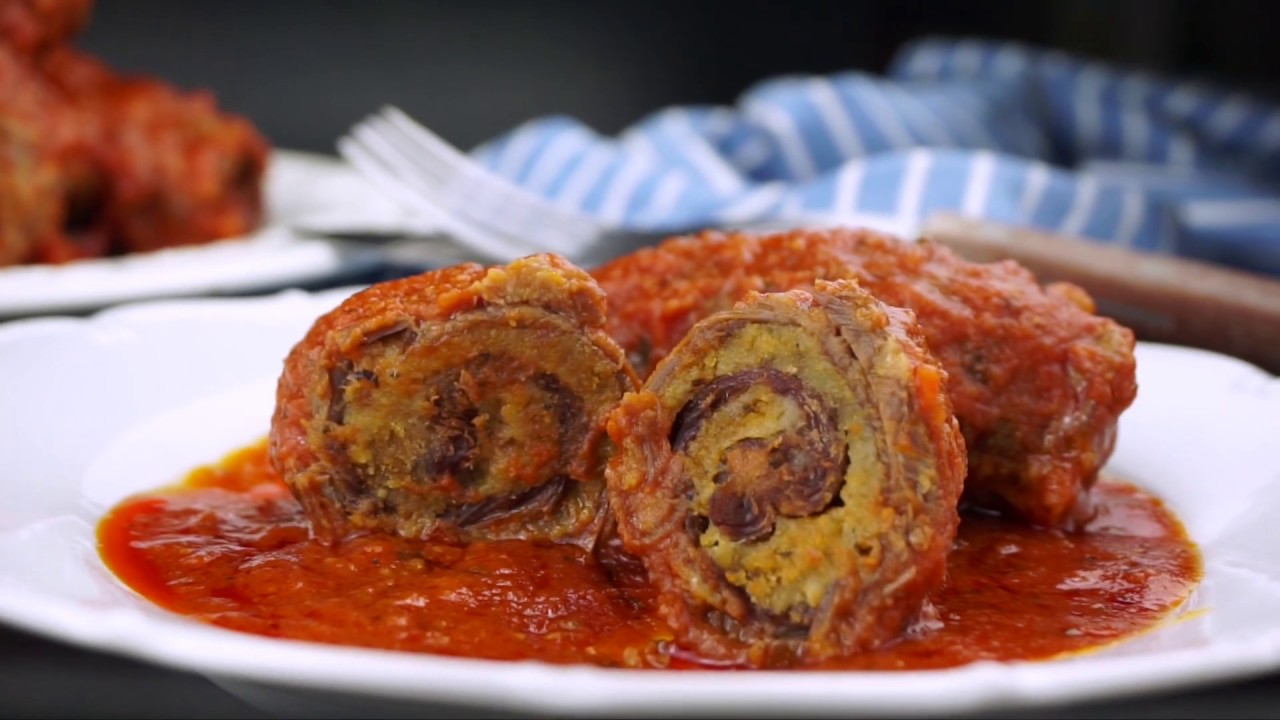
Beef Braciole Recipe: If you’re craving something hearty, comforting, and deeply flavorful, then Beef Braciole is the perfect dish to bring to your dinner table. This traditional Italian favorite is a showstopper—thinly sliced beef, rolled up with savory fillings, browned until golden, and then slowly simmered in a rich tomato sauce. It’s pure comfort food and ideal for special occasions, Sunday family dinners, or when you just want to impress someone with your cooking skills.
In this guide, you’ll learn everything there is to know about making the perfect Beef Braciole—from choosing the right cut of meat to making a rich sauce from scratch and finally getting that melt-in-your-mouth tenderness. Let’s get rolling!
What is Beef Braciole?
Beef Braciole (pronounced brah-jole or brah-zho-leh depending on region) is an Italian meat roll typically made from thin slices of beef, stuffed with a variety of savory ingredients such as cheese, breadcrumbs, herbs, and cured meats. Once filled, it’s rolled up like a jelly roll, tied, browned, and simmered in tomato sauce until tender.
There are countless regional and family variations of Braciole in Italy and Italian-American kitchens. Some versions use pork or veal instead of beef, while others pack the inside with everything from raisins and pine nuts to prosciutto and hard-boiled eggs.
What makes Braciole truly irresistible is that magical combo of juicy meat, herby filling, and the rich, velvety sauce it simmers in for hours. It’s a dish that tells a story with every bite.
History and Origins of Braciole
Beef Braciole hails from Southern Italy, especially regions like Sicily, Naples, and Puglia, where making do with less expensive cuts of meat led to the creation of clever dishes like this. Italians are known for turning humble ingredients into mouthwatering meals—and Braciole is a shining example.
Over time, as Italian immigrants moved to the United States, they brought their treasured recipes with them. In Italian-American cuisine, Braciole became a staple at Sunday dinners, holidays, and weddings. Today, it’s beloved on both sides of the Atlantic, often customized to reflect local ingredients and family preferences.
Why You’ll Love This Recipe
Here’s why this Beef Braciole recipe deserves a spot on your must-make list:
- Comfort Food at Its Best: Warm, savory, and saucy—it’s like a hug in a dish.
- Impressive Yet Easy: Looks fancy, but once you learn the steps, it’s totally doable.
- Customizable: From the filling to the sauce, you can tailor this recipe to your taste.
- Meal Prep Friendly: It reheats beautifully, making leftovers a joy.
- Crowd Pleaser: Serve it with pasta, polenta, or crusty bread for an unforgettable meal.
Ingredients You’ll Need
Let’s break it down.
For the Braciole
- 1 ½ to 2 pounds thinly sliced top round beef or flank steak
- Salt and black pepper to taste
- 1 cup Italian seasoned breadcrumbs
- ½ cup grated Parmesan cheese
- ½ cup shredded provolone or mozzarella cheese
- 2 cloves garlic, minced
- 2 tablespoons chopped fresh parsley
- 2 tablespoons chopped fresh basil (optional)
- 2 tablespoons olive oil (for browning)
- Cooking twine or toothpicks (to secure the rolls)
For the Sauce
- 2 tablespoons olive oil
- 1 small onion, diced
- 3 cloves garlic, minced
- 1 can (28 oz) crushed tomatoes
- ½ cup dry red wine (optional but adds depth)
- 1 teaspoon sugar (to balance acidity)
- 1 teaspoon dried oregano
- Salt and pepper to taste
- Fresh basil or parsley for garnish
Choosing the Right Cut of Beef
The best cut for Beef Braciole is one that’s thin, lean, and easy to roll. Most people use:
- Top Round – lean, affordable, and slices well
- Flank Steak – more flavorful and slightly fattier
- Sirloin – tender and great for rolling
You’ll want to slice the beef thinly—about ¼ inch thick. If it’s too thick, it won’t roll properly, and the filling might spill out. You can ask your butcher to slice it for you or do it yourself at home with a sharp knife. Pro tip: partially freezing the meat for 20 minutes makes it easier to slice thinly.
How to Tenderize the Beef
Braciole needs a melt-in-your-mouth texture, which means tenderizing the meat before you even roll it up.
Here’s how:
- Use a Meat Mallet: Place each slice between two sheets of plastic wrap and pound it with a meat mallet until it’s about 1/8 inch thick.
- Go Even: Try to pound the beef evenly, so it cooks uniformly and rolls easily.
- Don’t Overdo It: You’re tenderizing, not shredding—too much force can tear the meat.
This step is crucial. Not only does it tenderize the meat, but it also gives you a larger surface area to work with for stuffing and rolling.
Making the Filling: What Goes Inside Braciole
A classic Braciole filling is herby, cheesy, and a little crunchy, thanks to breadcrumbs. But this dish is also incredibly adaptable, so feel free to get creative.
Classic Italian Filling Options
- Breadcrumbs
- Parmesan or Pecorino cheese
- Garlic
- Parsley or basil
- Mozzarella or provolone (adds meltiness)
- Prosciutto or pancetta (for a meaty kick)
Creative Twists You Can Try
- Pine nuts and raisins for a Sicilian touch
- Spinach or arugula for added greens
- Chopped hard-boiled eggs
- Sun-dried tomatoes or roasted red peppers
- Ricotta cheese (makes it creamier)
Mix everything in a bowl and set it aside while you prepare the beef.
Step-by-Step Guide to Making Beef Braciole
Now that you’ve got your ingredients and prep work ready, it’s time to roll up your sleeves and get cooking. Follow this step-by-step guide to make the best homemade Beef Braciole that’s tender, flavorful, and absolutely unforgettable.
Step 1: Prepare the Beef
Begin with thinly sliced beef (top round or flank steak works best). Place the slices between two sheets of plastic wrap and gently pound them with a meat mallet until evenly thin. Season both sides with salt and black pepper. This step ensures the beef becomes tender and easy to roll.
Step 2: Make the Filling
In a bowl, combine breadcrumbs, grated Parmesan cheese, minced garlic, chopped parsley, and a drizzle of olive oil. Mix until the filling is moist but not wet. The combination should be aromatic and slightly crumbly, providing rich flavor inside the beef rolls.
Step 3: Assemble the Braciole
Lay the beef slices flat and spread a thin, even layer of filling over each piece, leaving a small border around the edges. Roll the beef tightly from one end to the other, tucking in the sides as you go. Secure each roll with kitchen twine or toothpicks to keep them intact during cooking.
Step 4: Sear the Rolls
Heat olive oil in a heavy skillet over medium-high heat. Add the braciole rolls and sear on all sides until nicely browned. This step locks in flavor and adds a deep, savory crust to the meat.
Step 5: Simmer in Sauce
Transfer the seared braciole into a pot of warm tomato sauce. Cover and simmer gently for 60–90 minutes, turning occasionally. The slow simmer tenderizes the beef and allows the flavors to blend beautifully. Serve hot with pasta or crusty bread.
How Long to Cook Braciole
Cooking time is essential for tender Braciole. A low and slow simmer is the key. Here’s a rough guide:
- On the Stovetop: Simmer for 1.5 to 2 hours.
- In the Oven: Bake covered at 325°F (163°C) for 2 hours.
- In a Slow Cooker: Cook on low for 6 to 8 hours.
Check for doneness by inserting a fork—if it easily pulls apart, you’re good to go. Don’t rush the cooking. It’s all about letting the flavors marry and the beef slowly break down into something magical.
Slow Cooker vs. Oven-Baked Braciole
Both cooking methods work well, so it really depends on your schedule and equipment.
Slow Cooker Braciole
- Great for hands-off cooking.
- Cook on low for 6–8 hours or high for 3–4 hours.
- The beef becomes incredibly tender.
- Best if you sear the Braciole before adding to the slow cooker.
Oven-Baked Braciole
- More traditional and ideal for making in a Dutch oven.
- Bake at 325°F in a covered dish or pot for 2 hours.
- The sauce thickens beautifully in the oven.
- Be sure to turn the rolls halfway through for even cooking.
Want the best of both worlds? Brown on the stove, simmer in the oven, then keep warm in the slow cooker for serving!
How to Make the Perfect Tomato Sauce
The sauce isn’t just a side character—it’s half the magic of this dish. Here’s how to make it unforgettable:
Ingredients
- Olive oil
- Garlic
- Onion
- Crushed tomatoes (San Marzano if possible)
- Red wine
- Oregano
- Sugar
- Salt and pepper
- Fresh basil (optional)
Tips
- Sauté the aromatics first – Garlic and onions build a flavor base.
- Deglaze with red wine – It adds richness and helps lift the brown bits from searing.
- Use high-quality tomatoes – They’re the heart of your sauce.
- Simmer low and slow – The longer it cooks, the deeper the flavor.
Taste and adjust as you go. A pinch of sugar balances acidity, and fresh herbs give it that Italian grandma magic.
Serving Suggestions
Beef Braciole is rich, savory, and satisfying, but pairing it with the right side dishes can elevate your meal even more. Whether you’re hosting a family dinner or a festive gathering, here are some delicious ways to serve Braciole:
1. Pasta
You can’t go wrong with pasta. The most classic pairing is:
- Spaghetti
- Fettuccine
- Rigatoni
- Pappardelle
Spoon that rich tomato sauce over your favorite pasta, and place a roll or two of Braciole on top. Add some freshly grated Parmesan, and you’ve got a restaurant-worthy plate.
2. Creamy Polenta
Want something different? Creamy, buttery polenta is a rustic Italian favorite and pairs wonderfully with the savory sauce and tender beef.
3. Mashed Potatoes
It’s not traditional, but mashed potatoes with Braciole? A total comfort food mash-up. Especially good for cold nights.
4. Crusty Bread
A warm loaf of Italian bread is perfect for soaking up all that extra sauce. Don’t let a drop go to waste!
5. Salad or Roasted Veggies
Lighten things up with a crisp arugula salad or roasted vegetables like zucchini, carrots, and bell peppers. The freshness balances out the richness of the dish.
6. Wine Pairing
For drinks, a glass of dry red wine like Chianti, Barbera, or Cabernet Sauvignon complements the richness of the beef and sauce.
Make your meal memorable with the right companions—it’ll feel like Sunday dinner in an Italian countryside kitchen.
Common Mistakes to Avoid
Even though Braciole looks easy once you get the hang of it, there are some pitfalls that can mess up your final result. Here’s how to dodge them:
1. Skipping the Meat Tenderizing
If you don’t pound the beef thin, it won’t cook evenly or roll properly. This step is not optional if you want tender results.
2. Overstuffing the Rolls
Tempting as it is to load up on cheese and filling, overstuffing leads to burst rolls and a mess in your sauce. Keep it balanced—about 1-2 tablespoons of filling is plenty.
3. Not Searing the Meat
Browning the rolls first creates that savory crust that locks in flavor and gives the sauce a rich base. Don’t skip this step, even if you’re slow cooking!
4. Undercooking
Braciole needs time. If you rush it, the meat will be tough. Simmer low and slow for at least 90 minutes to let it become fall-apart tender.
5. Forgetting to Taste the Sauce
Always taste as you go. The sauce should be balanced—if it’s too acidic, add a little sugar; if it’s bland, more salt or fresh herbs can help.
Avoid these mistakes and your Braciole will come out flavorful, tender, and totally irresistible.
Storing and Reheating Leftovers
Made too much? Good news: Beef Braciole stores and reheats beautifully.
Refrigerating
- Store in an airtight container with the sauce.
- Keeps well for up to 4 days in the refrigerator.
- Reheat gently on the stovetop or in the oven.
Freezing
- Braciole is freezer-friendly!
- Let it cool completely, then store rolls in a freezer-safe container or bag.
- Add a portion of sauce to each container to keep the meat moist.
- Freeze for up to 3 months.
Reheating Tips
- Thaw overnight in the fridge before reheating.
- Warm in a saucepan over low heat until heated through.
- Or reheat in the oven at 300°F, covered, for about 20–25 minutes.
Leftovers taste even better the next day as the flavors continue to meld—so make extra on purpose!
Can You Make It Ahead of Time?
Absolutely! Braciole is a perfect make-ahead dish and actually benefits from sitting overnight in the fridge.
Make-Ahead Tips
- Assemble and roll the Braciole a day ahead and store covered in the fridge.
- You can even sear them ahead of time and refrigerate.
- The next day, just place them in sauce and simmer as directed.
Fully Cooked Option
- Make the full dish in advance, cool, and refrigerate.
- Reheat gently when ready to serve.
- The sauce will be even more flavorful after a night in the fridge.
This is a great option if you’re hosting guests or preparing for a big event—it takes the stress out of last-minute cooking.
Nutritional Information
Here’s a general nutritional breakdown for a serving of Beef Braciole (1 roll with sauce). Keep in mind, this varies based on filling, meat, and portion size.
| Nutrient | Approx. Amount |
|---|---|
| Calories | 400–500 kcal |
| Protein | 30–35g |
| Carbohydrates | 10–15g |
| Fat | 25–30g |
| Saturated Fat | 10g |
| Fiber | 2g |
| Sugar | 5g |
| Sodium | 600–800mg |
To make it lighter, you can cut down on cheese, use leaner meat, and serve with a light side like salad or veggies.
FAQs about Beef Braciole Recipe
1. What is the best cut of beef for Braciole?
Top round is the most traditional and affordable choice, but flank steak and sirloin also work well. The key is thin, even slices that can roll easily.
2. Can I make Braciole without red wine?
Yes, you can. Just substitute with beef broth or water. You’ll lose a bit of depth, but the dish will still be delicious.
3. How do I keep Braciole from falling apart?
Don’t overstuff, roll tightly, and secure well with kitchen twine or toothpicks. Searing the rolls before simmering also helps them hold together.
4. What should I serve with Braciole?
Braciole pairs beautifully with pasta, creamy polenta, roasted vegetables, or crusty bread. It’s a hearty dish, so something light on the side works great too.
5. Can I freeze cooked Braciole?
Absolutely. Let them cool completely, store in airtight containers with sauce, and freeze for up to 3 months. Thaw overnight and reheat gently.
Conclusion
Beef Braciole is one of those dishes that feels like a warm hug. It’s rich, comforting, deeply flavorful, and makes an ordinary dinner feel like a celebration. From pounding and stuffing the meat, to slowly simmering in that velvety tomato sauce, every step builds flavor and love into the dish.
Whether you follow the classic method or add your own twist, Braciole is more than just food—it’s tradition, comfort, and a slice of Italian soul. So grab that apron, roll up your sleeves, and make something unforgettable.